You spot a few tiny bugs on your prized Monstera, and your first instinct is to grab whatever spray is nearby. That's how most houseplant pest problems get worse, not better. The right natural pest control for houseplants starts with one thing: knowing exactly what you're dealing with before you do anything.
In our research, the single biggest mistake people make is spraying a broad treatment without identifying the pest first. As of 2026, the EPA still requires any commercial organic pesticide to be registered for its specific target. A treatment that kills aphids on contact may do nothing to fungus gnat larvae living in the soil.
Let's walk through the process step by step so you stop guessing and start fixing.
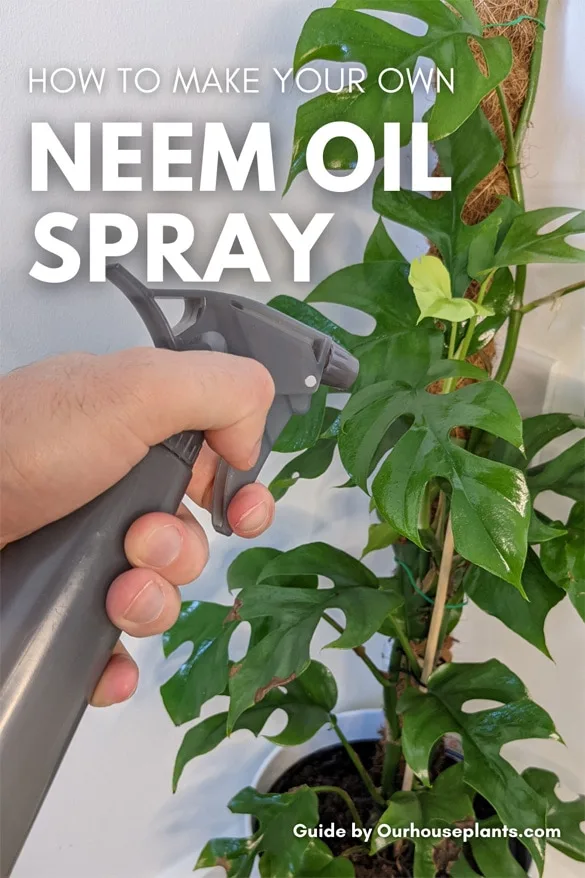
Image source: Web (Bing) / storage.googleapis.com (Web image (fair-use with source credit))
Quick Answer
Natural pest control for houseplants means identifying the pest first. Then you pick a targeted remedy. Spider mites need different treatment than fungus gnats.
Insecticidal soap works for soft-bodied pests on contact. Neem oil disrupts feeding and reproduction. Diatomaceous earth dries out crawling insects.
Always test on one leaf. Repeat every 5 to 7 days to break the lifecycle.
Your Houseplant Has Bugs – Why Guessing Won't Work
Here's the hard truth most plant owners learn the hard way. If you spray a broad treatment without knowing the pest, you waste time and money. Worse, you might make the plant more stressed, which attracts even more bugs.
Consider this common scenario. You see tiny white flies around your peace lily. You grab a yellow sticky trap and call it done.
But the real problem is thrips hiding inside the leaf tissue. Sticky traps catch adults but do nothing to the eggs and larvae already at work. By the time you figure it out, the infestation has spread to three other plants.
That's the core reason a decision tree approach works better than a one-size-fits-all solution. You diagnose the pest first, then pick the natural treatment that actually matches its biology. If/then logic saves your plants and your sanity.
The second reason guessing fails is lifecycle ignorance. Most houseplant pests lay eggs that survive your first spray. You kill the adults, feel relieved, and stop.
A week later, the eggs hatch and you're back where you started. Natural treatments work, but only if you understand when and how often to apply them.
Let's talk about a third factor. The plant itself matters. A succulent reacts very differently to neem oil than a fern does.
You need to match the treatment to both the pest and the plant. That's exactly what the next sections cover.
The Quickest Way to Identify the Pest
You don't need a degree in entomology to figure out what's eating your plants. You just need to look in the right places at the right times. Grab a magnifying loupe or your phone camera with a good zoom.
Check three spots: leaf undersides, leaf axils where the leaf meets the stem, and the top inch of soil.
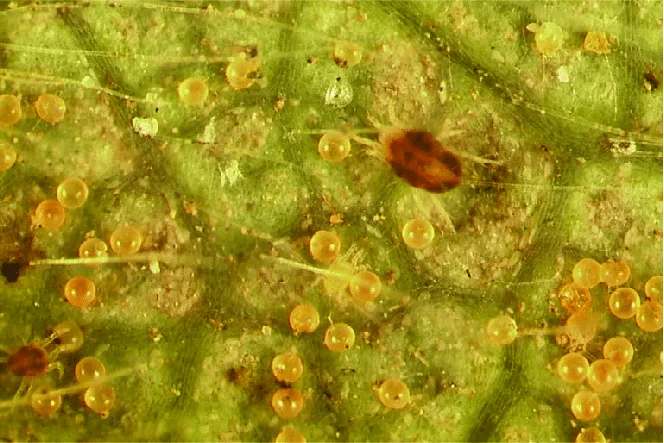
Image source: Web (Bing) / researchgate.net (Web image (fair-use with source credit))
Foliar pests leave specific signs. Spider mites create fine webbing and stippling that looks like tiny pale dots. Aphids cluster on new growth and leave sticky honeydew.
Mealybugs look like tiny cotton balls tucked into leaf joints. Scale insects appear as small brown or tan bumps that you can scrape off. Thrips leave silvery streaks and black specks of frass.
Whiteflies fly up in a cloud when you tap the leaves.
Soil pests are trickier. Fungus gnats are the small black flies you see hovering around the pot. Their larvae live in moist soil and feed on roots.
Root aphids look like tiny pear-shaped bugs on the roots themselves. Root mealybugs show up as white waxy clumps when you unpot the plant.
Here's a quick way to narrow it down. If you see bugs flying, it's likely fungus gnats or whiteflies. If you see bugs crawling on leaves, it's aphids, mealybugs, scale, or spider mites.
If you see damage but no bugs, thrips or spider mites are hiding in the leaf tissue. Check with that magnifying loupe.
Once you know the pest group, you move to the decision tree. That's where the real work begins.
The Natural Pest Control Decision Tree
This is the practical part. We've split the tree into two main branches: foliar pests and soil pests. Each branch has sub-branches based on plant sensitivity and infestation severity.

Image source: Web (Bing) / template.net (Web image (fair-use with source credit))
Foliar Pests: Spider Mites, Aphids, Thrips, Whiteflies, Mealybugs, Scale
If the pest is soft-bodied (aphids, mealybugs, thrips, whiteflies) and your plant is sturdy (pothos, philodendron, snake plant), start with insecticidal soap. It kills on contact by breaking down the insect's waxy outer layer. You need to spray every single bug directly.
It leaves no residue, which means no long-term protection. Plan to reapply every 5 to 7 days for at least three cycles.
If the pest is hard-bodied (scale, armored scale) or you want something with residual activity, use neem oil. Neem oil works by disrupting feeding and molting. It stays on the leaves for a few days, offering some protection.
But it can burn sensitive plants like ferns, calatheas, and succulents. Always test on one leaf and wait 24 hours before spraying the whole plant.
If the infestation is heavy or the plant is very sensitive, use 70% isopropyl alcohol. Dip a cotton swab and dab it directly on mealybugs or scale. For broader coverage, dilute it 1:1 with water and spray.
The alcohol evaporates quickly and won't harm most plants, but test first. It's a contact killer with no residual effect.
If you're dealing with spider mites or thrips, combine insecticidal soap with regular leaf wiping. These pests thrive in dry air and dusty leaves. Hose down the plant gently to knock off adults, then spray with soap.
Spider mites hate humidity, so increasing misting around the plant helps.
Soil Pests: Fungus Gnats, Root Aphids, Root Mealybugs
If you see tiny black flies around the pot, it's fungus gnats. The fastest natural fix is to let the top two inches of soil dry completely between waterings. Fungus gnat larvae cannot survive in dry soil.
For active infestations, use a hydrogen peroxide drench. Mix one part 3% hydrogen peroxide with four parts water and water the plant. It kills larvae on contact and breaks down into harmless oxygen and water.
If the soil stays wet and you can't change your watering habits, use a diatomaceous earth top-dress. Sprinkle a thin layer of food-grade DE on the dry soil surface. It cuts through the waxy coating of crawling larvae and adults as they emerge.
It stops working the moment it gets wet, so reapply after each watering.
If root aphids or root mealybugs are the problem, you typically need to unpot the plant. Remove all old soil, rinse the roots, and prune away damaged roots. Then repot in fresh, sterile potting mix.
You can drench the new soil with a neem oil solution as a preventative. This is the nuclear option and is best saved for severe infestations.
Matching the Treatment to Your Plant and Your Home
Not every treatment is safe for every plant or every home environment. You have to factor in the plant's sensitivity and your living situation.
Sensitive plants include ferns, calatheas, marantas, succulents, and palms. These plants can burn easily from oil-based sprays like neem. Stick with insecticidal soap or alcohol for these.
If you must use neem, dilute it to half strength and apply in the evening so it dries before direct light hits the leaves. Always test a single leaf first.
Plants with waxy or fuzzy leaves like succulents and African violets are tricky. Wipes and sprays can leave residue that blocks light and airflow. For these, alcohol wipes are your best bet.
Dab pests with a cotton ball dipped in 70% alcohol. Avoid soaking the fuzzy leaves.
Your home setup matters too. If you have a fish tank in the same room, be very careful with sprays. Even natural ones can drift into the water and harm fish. Move the plant to a different room before spraying, or use sticky traps and manual removal instead.
Pets are another factor. Diatomaceous earth is safe for mammals but can irritate lungs if inhaled. Apply it carefully, wear a dust mask, and keep pets away until the dust settles. Neem oil has a strong smell that some cats and dogs dislike, but it's generally safe once dry.
Isopropyl alcohol evaporates quickly but should not be ingested. Keep treated plants out of reach for a few hours.
Lighting and humidity affect treatment success. Dry indoor air makes spider mites worse. If you're treating for mites, increase humidity around the plant with a pebble tray or humidifier.
Low light conditions slow plant recovery. Give treated plants bright, indirect light to help them bounce back.
Timing and Technique – Making the Treatment Actually Work
Here's where most people fail. They treat once and stop. Natural pest control only works if you break the full lifecycle.
Eggs can survive your first treatment and hatch after you think the problem is solved.
The 5 to 7 day rule is non-negotiable. Most houseplant pests have a lifecycle of roughly one to three weeks depending on temperature. The larvae and eggs are often resistant to contact sprays.
By repeating treatment every week for three to four weeks, you catch each new generation as it emerges. Missing one round lets them bounce back.
Spray technique matters as much as the product. Hold the spray bottle about six inches from the plant. Direct the spray upward so it hits the undersides of leaves. Pests hide there.
If you only spray the top surface, you're missing most of the bugs. For soil pests, apply the treatment directly to the soil surface.
Use sticky traps for monitoring. Yellow traps attract aphids, whiteflies, fungus gnats, and thrips. Blue traps attract thrips better. Place a trap near the plant and check it weekly.
If you stop catching adults after three weeks, you've broken the cycle. If you still see bugs, continue treatment.
Quarantine is essential. Any new plant you bring home should spend at least two weeks in a separate room. Check it regularly for pests before introducing it to your collection. This one habit prevents 90% of indoor pest outbreaks.
Don't forget cleaning. Wipe down leaves with a damp cloth once a week. Dust attracts pests and blocks leaf pores. A clean plant is a less inviting home for bugs.
Combine that with proper watering and natural treatments become far more effective.
The final technique is patience. Natural pest control works, but it's not instant. You will not see results overnight. Stay consistent with the schedule and let the process run its course.
Cutting corners or quitting early is what brings pests back.
Common Mistakes That Keep Pests Coming Back
Even with the right pest ID and the right treatment, people still lose the fight. The difference usually comes down to a few repeatable mistakes. Here are the ones we see most often.
Overwatering while treating. Most pest treatments work better when the soil dries out a bit. Overwatering keeps fungus gnat larvae alive and stresses roots. That's a double win for the bugs.
Spraying in direct sunlight. Soap and oil sprays can burn leaves when the plant sits in bright light. Spray in the evening. Let the treatment dry fully before the plant gets any sun exposure.
Using the wrong dilution. More is not better. Excess neem oil can burn leaf tissue. Too much soap damages the waxy coating that protects foliage. Follow label ratios or stick to the safe DIY dilutions we covered earlier.
Treating a stressed plant at full strength. If the plant is already droopy, freshly repotted, or recovering from a burn, go gentler. Use alcohol wipes or a half-strength spray instead. A stressed plant handles pest damage better than chemical stress.
Forgetting to prune heavily infested parts. Severely damaged leaves rarely recover. Removing them cuts the pest population instantly. It also redirects the plant's energy into new, healthy growth.
Ignoring the environment around the plant. Sticky traps catch adults, but they don't fix the conditions that attracted pests. Check nearby plants. Toss out old soil. Wipe down the pot and saucer. Treat the entire area, not just the single plant.
Frequently Asked Questions
How do I tell fungus gnats from root aphids?
Fungus gnats fly. You'll see them hovering around the pot when you water or move the plant. Root aphids stay underground.
You'll notice the damage first, like yellowing leaves and stunted growth. Unpot the plant to confirm. Root aphids are small, pear-shaped bugs.
Fungus gnat larvae are slender, whitish worms with dark heads.
Can I mix neem oil and insecticidal soap?
Yes, but don't mix them in the same bottle. Soap helps neem oil emulsify, but getting the ratio right is tricky. Too much soap burns leaves.
Too little means the neem separates and does nothing. Easier path: apply them on separate days. Use soap one week, neem the next.
That way each one stays at its proper strength.
How long should I quarantine a new plant?
Two weeks minimum. That window covers most common houseplant pest lifecycles. Keep the new plant in a separate room, away from your collection.
Check leaf undersides, stems, and soil every few days. It feels tedious, but this single habit stops tiny hitchhikers from turning into a full infestation.
Is diatomaceous earth safe around kids and pets?
Food-grade diatomaceous earth is low in toxicity. The real risk is the dust. Wear a mask when applying it.
Keep pets and kids out of the room until the dust settles. Once it's dry and settled on the soil surface, it's safe to leave in place. Just remember it stops working when wet.
How often should I repeat the treatment?
Every 5 to 7 days for at least three weeks. That schedule lines up with most pest lifecycles. If you see new adults on sticky traps, don't skip a round.
Missing one treatment lets the next generation hatch undisturbed. Consistency matters more than intensity.