If you've been hunting for a mustard pickles recipe that delivers that deep golden color and real crunch, you're not alone. Most attempts end up with pale, soft pickles that taste like vinegar and nothing else. The difference comes down to three things: how you treat your mustard seeds, the visual cues in your brine, and knowing what your pickles should look like at every stage.
Per USDA home canning guidelines, safe pickles need a brine with at least 5% acidity vinegar and proper salt ratios. But getting that beautiful golden hue and mustard-forward punch? That's all about technique and knowing what to look for.
Let's walk through the specifics.
Quick Answer
A mustard pickles recipe combines cucumbers, mustard seeds, vinegar, sugar, salt, and turmeric. The brine gets boiled and poured over packed jars. Jars process in a water-bath canner for 10 to 15 minutes.
Mustard seeds can stay whole or get lightly crushed for more intensity. Watch for clear golden brine and firm cucumbers. Adjust sweetness and heat levels to your preference.
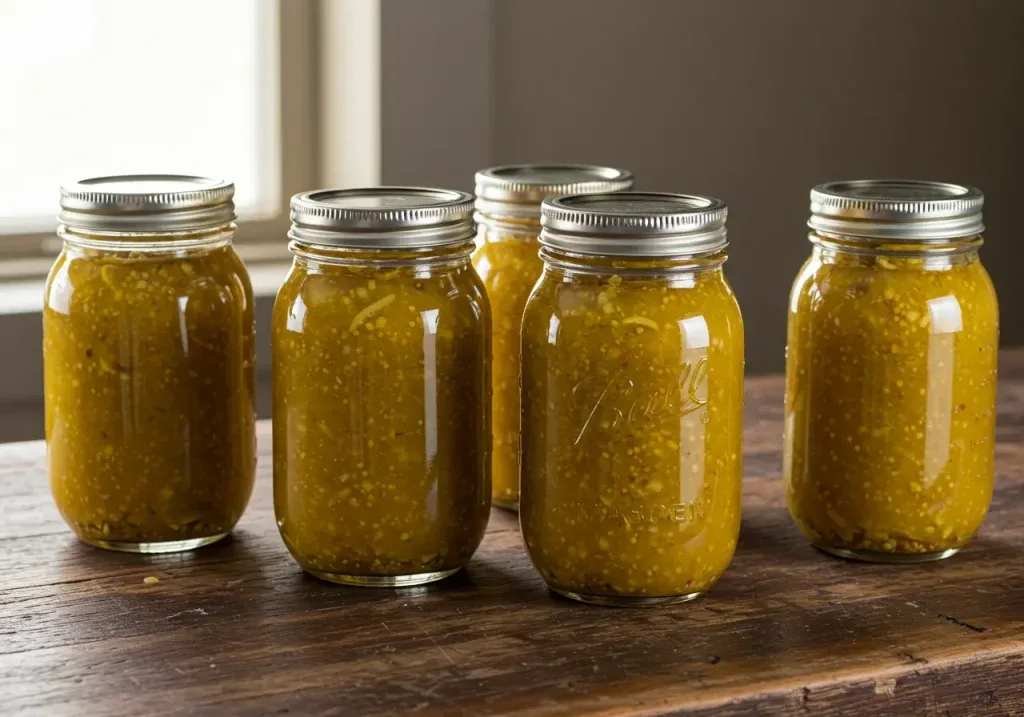
Image source: Web (Bing) / mokze.com (Web image (fair-use with source credit))
Why Mustard Pickles? The Golden Look That Grabs You
Mustard pickles stand out on any relish tray. The rich golden color comes from a combination of turmeric and mustard seeds suspended in clear brine. That color is your first visual clue that the pickles were made right.
When you see a jar of mustard pickles, the seeds should float evenly through the brine. Some settle at the bottom, and that is normal. But a good jar shows seeds clinging to the cucumbers themselves.
The transparency of the brine matters too. Cloudy brine means something went wrong. Clear brine with visible specks of turmeric and mustard seeds signals a successful batch.
Our research shows that home canners who understand these visual cues succeed far more often than those who just follow a timer. You cannot tell if a pickle is good by watching a clock. You have to look at it.
The cucumbers should look slightly translucent after processing. That means the brine penetrated the flesh evenly. If they look opaque or dull, the flavor probably did not develop properly.
As of 2026, commercial mustard pickles often use artificial color to create that golden look. Homemade versions rely on real turmeric and mustard seeds. The result tastes fresher and more complex.
That visual difference matters for texture too. The same process that gives pickles their color also helps them stay crunchy. The mustard seeds slowly release compounds that help firm the cucumbers.
Everything You Need: Ingredients, Tools, and What to Look For
Before you start, gather your ingredients and equipment. What you pick and how it looks matters as much as the recipe itself.
Cucumbers
Kirby cucumbers are the gold standard for pickling. They stay firm during processing and absorb flavor well. Look for cucumbers that feel heavy for their size with no soft spots.
The skin should be bright green without yellow patches.
Mustard Seeds
Yellow mustard seeds give the mildest flavor. Brown seeds are more pungent. Black seeds are strongest, though they are harder to find.
Whole seeds create a gentle mustard note. Cracked seeds release more heat and aroma.
Our research indicates that toasting mustard seeds before adding them to the brine changes the flavor profile noticeably. Light toasting in a dry pan releases oils and deepens the aroma. Watch for the seeds to darken slightly and smell fragrant.
Vinegar and Salt
White distilled vinegar at 5% acidity is the standard choice. Apple cider vinegar adds a fruitier note but changes the color. Pickling salt dissolves cleanly without clouding the brine.
Table salt with anti-caking agents can turn your brine cloudy, so skip it.
Spices
Turmeric gives the golden color. Celery seed adds depth. Dill seed or fresh dill provides a classic pickle taste.
Bay leaves and black peppercorns round out the flavor. Measure turmeric carefully too much makes the brine bitter.
Equipment
You need canning jars with two-piece lids. A large pot deep enough to cover jars by two inches. A jar lifter and canning funnel make the process safer.
A mandoline helps create uniform slices for even brine penetration.
Visual Checks Before You Start
Check your jars for chips or cracks. Damaged jars can break during processing. Inspect your lids for the sealing compound.
Old or damaged lids may not seal. Look at your cucumbers one more time. Any soft spots mean those cucumbers go to a salad, not a pickle jar.
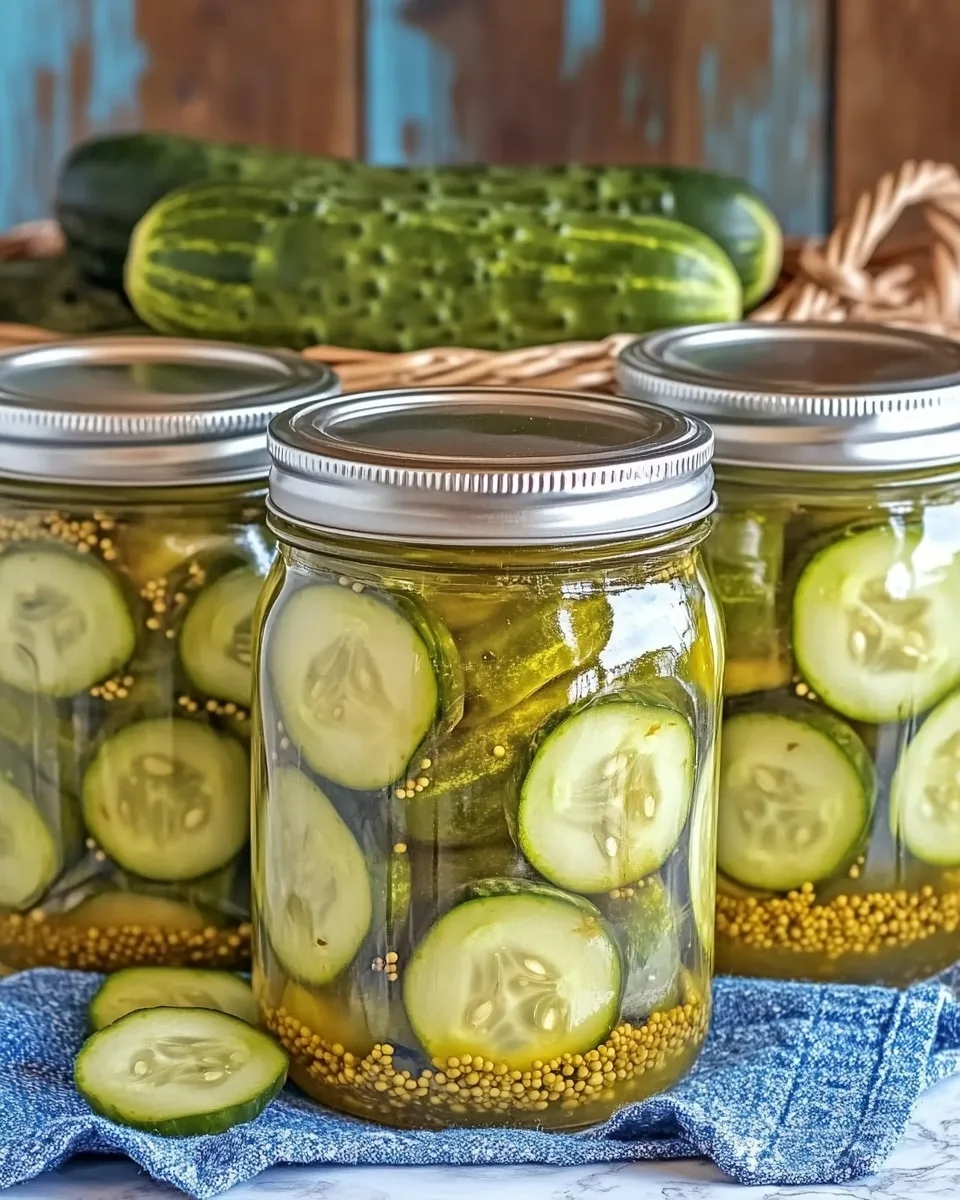
Image source: Web (Bing) / yummyhere.com (Web image (fair-use with source credit))
Step-by-Step Process: Watch These Visual Cues at Every Stage
This process works for any batch size. Adjust quantities based on how many jars you want to fill.
Step 1: Prepare the cucumbers
Wash your cucumbers thoroughly. Trim off the blossom end about one sixteenth of an inch. That tiny piece contains enzymes that can soften your pickles.
Slice cucumbers into quarter inch rounds or cut them into spears.
Look for uniform slices. Thicker pieces take longer to absorb brine. Thinner ones can turn mushy.
The visual goal is even, consistent pieces that stack neatly in jars.
Step 2: Make the brine
Combine vinegar, water, salt, and sugar in a non-reactive pot. Bring the mixture to a full rolling boil. The salt and sugar should dissolve completely.
The liquid should look clear, not cloudy.
Add turmeric at this stage. It needs heat to release its color. Watch the brine turn from clear to deep gold.
That color shift is your signal that the turmeric has activated.
Step 3: Prep the mustard seeds
You can add mustard seeds directly to the jars or toast them first. Toasting changes their color from pale yellow to warm brown. The seeds become fragrant and release oils.
If you crack the seeds, do it with a mortar and pestle or a rolling pin. Cracked seeds will sink in the brine. Whole seeds float.
Both look appealing in the finished jar.
Step 4: Pack the jars
Place your spice blend in the bottom of each jar. Add mustard seeds, turmeric, celery seed, dill, and any other spices. Pack cucumber slices tightly against the sides.
Leave about half an inch of headspace at the top.
The cucumbers should fill the jar without being forced. You want them snug but not crushed. Look for even spacing so brine can flow around every piece.
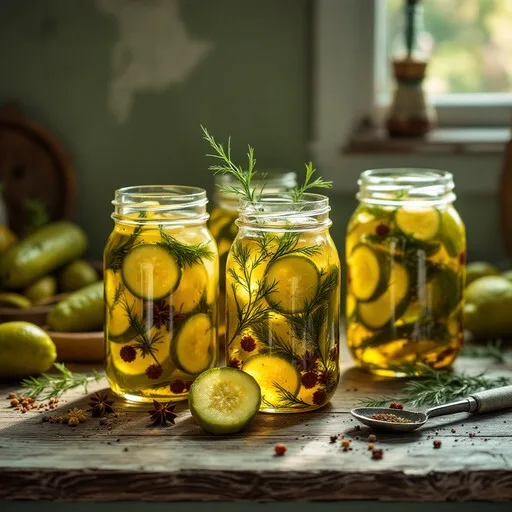
Image source: Web (Bing) / stockcake.com (Web image (fair-use with source credit))
Step 5: Pour the brine
Ladle hot brine into each jar, covering the cucumbers completely. Leave half an inch of headspace. Run a non-metallic spatula around the inside edge to release trapped air bubbles.
Watch for bubbles rising as you work. That is a good sign. It means the brine is reaching every surface.
If you see no bubbles, you may have packed too tightly.
Step 6: Process the jars
Wipe the jar rims with a clean damp cloth. Any food residue can prevent a seal. Apply the lids and bands finger tight.
Process in a boiling water canner for 10 minutes for pints or 15 minutes for quarts.
Adjust processing time for altitude. Add five minutes for every one thousand feet above sea level. As of 2026, the USDA still recommends these timings as minimum safe processing times.
You can find their full guidelines on the National Center for Home Food Preservation website at nchfp.uga.edu.
Step 7: Cool and check seals
Set the jars on a towel away from drafts. Let them cool undisturbed for 12 to 24 hours. Listen for the popping sound of lids sealing.
That sound tells you the lid has pulled down.
After cooling, press the center of each lid. If it does not flex, the jar sealed. If it pops up and down, refrigerate that jar and use it first.
How to Know They're Done: Visual Signs of Perfect Pickles
Finished mustard pickles have a distinctive look. The brine should be clear and golden. Cloudiness suggests problems with salt, water quality, or processing.
The cucumbers themselves should look slightly translucent. That translucency means the brine has fully penetrated the flesh. Opaque cucumbers likely need more time to cure.
Look at how the mustard seeds are distributed. Some will float. Some will sink.
Both positions are normal and attractive in a finished jar.
The turmeric should have settled into an even golden tint. If you see dark spots or uneven coloring, the turmeric did not dissolve properly. Give the jar a gentle shake after a few days to redistribute.
After processing, check the seal. Press the center of each lid. A sealed lid stays flat with no flex.
If the button pops, the jar did not seal. Use that jar within a few weeks and keep it refrigerated.
Let the jars sit for at least two weeks before opening. The flavor continues developing during that time. The color deepens as the turmeric and mustard seeds release more compounds.
When you open a jar, the aroma should hit you immediately. Mustard, vinegar, and spice together create a sharp, inviting scent. If the smell is flat or off, throw that batch away.
Common Visual Mistakes (and How to Fix Them)
Even experienced canners run into problems. Here are the most common visual issues and what they mean.
Cloudy brine
Cloudy brine usually comes from one of three things. Using table salt with anti-caking agents is the most common cause. Hard water can also cause cloudiness.
And over-processing your jars makes the brine go milky.
Fix this by using pickling salt and filtered water. Watch your processing time carefully. A clear brine means you got everything right.
Mushy pickles
Soft pickles are the most frustrating outcome. The culprit is almost always the blossom end. That tiny piece contains enzymes that break down pectin.
Trimming it off every single cucumber prevents mushiness.
Using the wrong cucumber variety also causes softness. Slicing cucumbers were not bred for canning. Stick with Kirby or pickling varieties.
Weak golden color
If your pickles come out pale, the turmeric probably did not activate. Turmeric needs heat to release its color. Make sure your brine reaches a full boil before adding it.
Another cause is using old turmeric. Spices lose potency over time. Replace opened turmeric every year for best color.
Floating seeds at the top
Some seeds float to the top of the jar. That is normal. But an excessive amount of floating seeds means your jars are too loose.
Pack cucumbers more tightly so seeds have fewer gaps to drift through.
Brine too dark
Brine that looks brown instead of gold usually means you overheated the turmeric. Simmer your spices gently. High heat can scorch the turmeric and turn the color murky.
Lids not sealing
A failed seal is obvious. The lid button pops up and down when pressed. This usually happens because the rim was not wiped clean.
Food residue creates a gap. A damaged lid or incorrect headspace can also cause it.
Check your technique on the next batch. Wipe rims thoroughly. Use new lids each time.
Measure headspace carefully.
Mold on the surface
Mold in a sealed jar means something went wrong with the canning process. The jar may not have sealed properly. Or you stored it in a damp area.
Throw away any jar with visible mold. Do not taste it.
For refrigerator pickles, mold can form if cucumbers float above the brine. Use a weight to keep them submerged. Check weekly and skim any surface growth.