Neem oil has earned its reputation as a go-to organic pest control option, but it's not the magic bullet many gardeners hope for. It works, yes, but only when you understand what it actually targets, how to apply it correctly, and when it's simply the wrong tool for the job.
In our research across university extension guides and manufacturer specifications, neem oil as organic pest control shows consistent effectiveness primarily against soft-bodied insects like aphids, whiteflies, and spider mites. It's less reliable against larger pests like caterpillars or beetles, and nearly useless once those insects reach adulthood. It also degrades quickly in sunlight, which means timing matters more than most people realize.
Understanding those boundaries is the difference between a healthy harvest and a frustrating season of reapplying a product that never quite solves the problem.
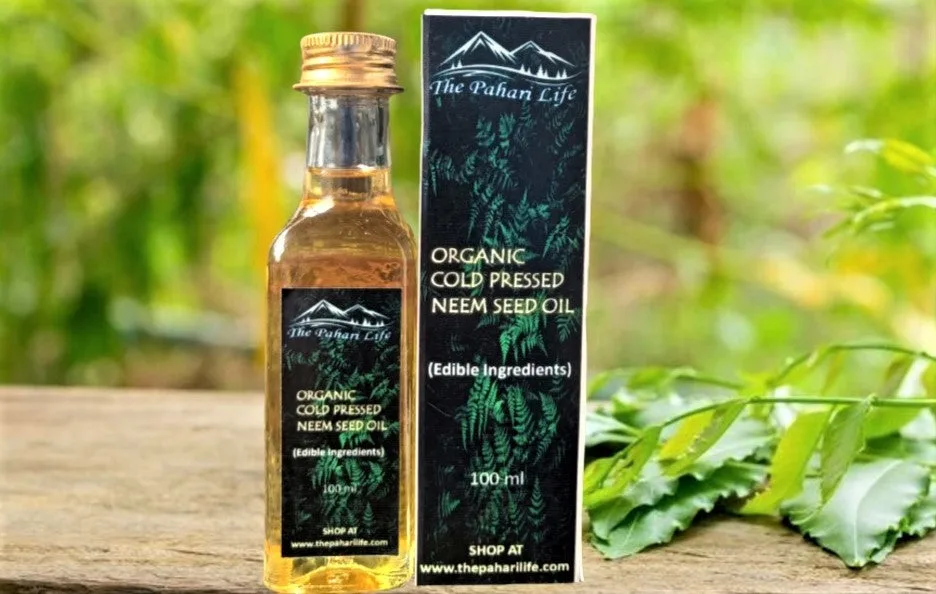
Image source: Web (Bing) / thepaharilife.com (Web image (fair-use with source credit))
Quick Answer
Neem oil works as an organic pest control for soft-bodied insects like aphids, mites, and whiteflies. It disrupts insect feeding and growth rather than killing on contact. Mix 1 to 2 tablespoons per gallon of water with a mild soap emulsifier.
Apply every 7 to 14 days during active infestations. Avoid spraying in direct sunlight or above 85°F.
Does Neem Oil Actually Work? (And When It Won't)
Let's cut through the hype. Neem oil does kill pests, but it's not a broad-spectrum insecticide. It works best on young larvae and soft-bodied insects because the active compound, azadirachtin, interferes with their feeding and molting hormones.
Aphids, whiteflies, spider mites, mealybugs, and fungus gnats are all good targets. Thrips and leafhoppers, less so. Caterpillars and beetles, mostly no.
What about the timing? Neem oil is a slow burner. It doesn't drop insects dead on contact like synthetic pyrethroids do.
Instead, it stops them from eating and breeding. You typically see results within 3 to 7 days. That delay frustrates people who expect instant results, but it's exactly why neem is safer for beneficial insects like ladybugs and bees.
They don't encounter enough of the compound to be harmed, and the oil itself evaporates quickly.
Here's where it fails. Neem oil won't touch pests hiding inside plant tissue, like leaf miners or borers. It also struggles with heavy infestations because it can't penetrate the protective webbing some mites spin.
And if you spray mature insects that are already reproducing, you're mostly wasting your time. The larvae are the vulnerable stage, so you have to catch the problem early and stay consistent.
One more reality check: neem oil is not a preventative. It doesn't create a barrier that repels future pests. Once the oil dries, the active compounds break down, usually within a few hours of direct sunlight.
If you're spraying "just in case," you're wasting product. You apply it because you see pests or signs of damage, not because you're bored on a Saturday morning.
The bottom line? Neem oil is a legitimate tool, but it's a precision instrument, not a sledgehammer. Know your pest, catch it early, and apply correctly.
Do that, and it earns its place in your garden shed. Expect miracles, and you'll be disappointed.
How Neem Oil Works: What's Inside the Bottle
The magic ingredient in neem oil is azadirachtin, a naturally occurring compound found in the seeds of the neem tree, native to India and Southeast Asia. It's a growth regulator, not a contact poison. When insects ingest it, it disrupts their hormonal system.
They stop eating, they fail to molt properly, and their eggs won't hatch. Eventually, they starve or die in the larval stage.
You'll find two types of neem oil on the market, and the difference matters. Cold-pressed neem oil retains the full range of active compounds, including azadirachtin. It's dark brown, has a strong garlic-sulfur smell, and works best for pest control.
Clarified hydrophobic extract, on the other hand, has most of the azadirachtin removed. It's lighter in color and works primarily by smothering insects physically, not by disrupting their biology. If you want true organic pest control, you need the cold-pressed version.
Check the label for "azadirachtin content" and aim for something around 0.5% to 1%.
The oil itself also does mechanical work. When you spray, the oil coats the insect's body and clogs its breathing pores, called spiracles. That smothering effect works on contact, regardless of the insect's life stage.
It's a bonus mode of action that makes neem effective against some soft-bodied adults too. The downside? The smothering doesn't discriminate.
If you coat a butterfly or a bee, it'll suffocate too. That's why timing and application technique matter so much.
One thing most people don't realize: neem oil breaks down fast in the environment. The half-life of azadirachtin on plant surfaces is just 1 to 2.5 days. Rain washes it off.
UV light degrades it. That's actually good news for soil and water safety, but it means you're on a tight schedule. You have to spray at the right time of day, target the undersides of leaves where pests hide, and reapply on a set rhythm.
What about the soil? Neem oil also works systemically when absorbed through roots. This is the soil drench method.
The azadirachtin travels up the plant and makes the entire plant unpalatable to chewing insects. It's slower than a foliar spray and needs to be applied while plants are actively growing. But it gives you longer-lasting protection without hitting beneficial insects directly.
More on that in a moment.
The Right Way to Use Neem Oil (Without Killing Your Plants)
Image source: Web (Bing) / storage.googleapis.com (Web image (fair-use with source credit))
Here's the part where most DIY gardeners go wrong. They pour neem oil straight into a sprayer, add water, and hope for the best. Neem oil is thick, viscous, and it doesn't naturally mix with water.
Without proper emulsification, you end up with an oily layer floating on top. That means some leaves get drenched while others get nothing, and the ones that do get coated can burn under sunlight. The solution is a simple three-step mixing process.
Start with the emulsifier. Warm water works best because it helps the oil break down. Add a mild liquid soap at a rate of about one teaspoon per gallon.
Dish soap without degreasers works, or you can use a horticultural soap product. The soap acts as a bridge between the oil and water, allowing them to form a stable emulsion. Then add the neem oil at a rate of 1 to 2 tablespoons per gallon for most applications.
Shake vigorously.
Below is the standard home-mix ratio:
| Ingredient | Amount (per gallon of water) | Role |
|---|---|---|
| Neem oil (cold-pressed) | 1–2 tablespoons | Active pest control |
| Mild liquid soap | 1 teaspoon | Emulsifier |
| Warm water | 1 gallon | Carrier |
Never use neem oil on stressed plants. If your plant is wilted, recently transplanted, or already suffering from drought, the oil can push it over the edge. Also avoid spraying when temperatures exceed 85°F or drop below freezing.
Heat causes the oil to volatilize and burn foliage. Spray in the early morning or late evening instead.
Test before you commit. Pick one small leaf, spray it thoroughly, and wait 24 hours. If it shows discoloration, wilting, or spotting, dilute further or skip that plant entirely.
Sensitive species like ferns, palms, and some herbs don't tolerate oil well. Live and learn, but let the test be your teacher.
Now, about your sprayer. Use a pump sprayer with a fine mist nozzle, not a hose-end sprayer that wastes product in a heavy stream. You want coverage, not saturation.
Coat the tops and bottoms of leaves until they glisten, but don't let the oil drip off. Aim for the undersides and the leaf axils, where aphids and mites like to hide. Get the stems and young shoots too.
That's where new growth emerges, and it's the most vulnerable to pest attack.
Foliar Spray vs. Soil Drench: A Simple Decision Tree

Image source: Web (Bing) / pinterest.com (Web image (fair-use with source credit))
So, should you spray the leaves or drench the soil? That depends on your pest, your plant's stage, and how much time you have. Let's walk through the branches.
Choose a foliar spray if:
- You have visible pests on the foliage right now
- You're dealing with aphids, whiteflies, spider mites, or mealybugs
- You need fast action (within a few days)
- The plant is small enough to spray thoroughly in one pass
- Temperatures are below 85°F and above 60°F
Foliar sprays work best as a contact and ingestion treatment. The oil coats the pests directly and leaves residue on the leaf surface that they'll ingest as they feed. It's the quicker option, but it degrades fast and needs reapplication every 7 to 14 days during an active infestation.
Choose a soil drench if:
- You're dealing with chewing insects like caterpillars or beetles
- You want longer protection without repeated spraying
- Plants are actively growing and taking up water
- You're treating young plants or seedlings
- Weeds or dense foliage block thorough spray coverage
Soil drenches work systemically. The roots absorb the neem oil, and the azadirachtin moves through the plant's vascular system. Pests that chew or suck on treated tissue get exposed to the compound.
It's slower, you need to wait 2 to 3 weeks for full distribution, but it lasts longer, often 3 to 4 weeks. This method is particularly useful for plants that are dense or too large to spray thoroughly.
Here's the thing most guides skip: you can do both, but not at the same time. Alternate them. Start with a foliar spray to knock down the visible population, then follow up with a soil drench two weeks later to protect new growth from the inside.
That's how you get rapid control plus long-term protection, without wasting product or stressing the plant.
If you're growing vegetables heading into harvest, skip the foliar spray during bloom. Neem oil can harm pollinators that visit open flowers. Use the soil drench route instead, and target early growth stages before buds open.
That's the safest window for everyone involved.
Common Mistakes That Ruin Neem Oil Treatments
If your neem oil doesn't seem to work, chances are one of these six mistakes is the culprit. Let's clear them up one by one.
Mistake 1: Spraying in direct sunlight. Heat accelerates the breakdown of azadirachtin and increases the risk of leaf burn. Always spray in the early morning or late evening. If you can't avoid midday, wait for an overcast day.
The oil needs a few hours to dry before the active compounds take effect.
Mistake 2: Using the wrong type of neem oil. Clarified hydrophobic extract won't give you the growth-regulation effects you need. It only smothers on contact, and once it dries, you've lost your protection. Read the label.
If it doesn't list azadirachtin content, put it back on the shelf. Cold-pressed is the one you want.
Mistake 3: Skipping the emulsifier. Without soap, the oil won't mix with water. You'll end up with a patchy application that misses pests and burns leaves where the oil pools. A teaspoon of mild soap per gallon solves this completely.
Shake well before every spray, even mid-application, because the mixture can separate as it sits.
Mistake 4: Spraying open blooms. Oil coats flower petals and traps pollen, making it harder for bees and other pollinators to do their work. Spray before buds open or after petals fall. If you see blooms, focus on stems and leaf undersides, or switch to the soil drench method entirely.
Mistake 5: One-and-done thinking. Neem oil is not a single-session fix. The residual activity only lasts 1 to 2 days on plant surfaces. You need to reapply every 7 days for light infestations, every 3 to 4 days for heavy ones, and continue for at least two weeks after you stop seeing pests.
Most people stop too soon and get a rebound infestation.
Mistake 6: Mixing with the wrong products. Certain products, particularly sulfur-based fungicides, react with neem oil and cause leaf burn. Read your labels and separate applications by at least a week. Also avoid mixing neem with horticultural oils or other concentrated sprays, as the combined oil load can overwhelm the leaf's respiration.