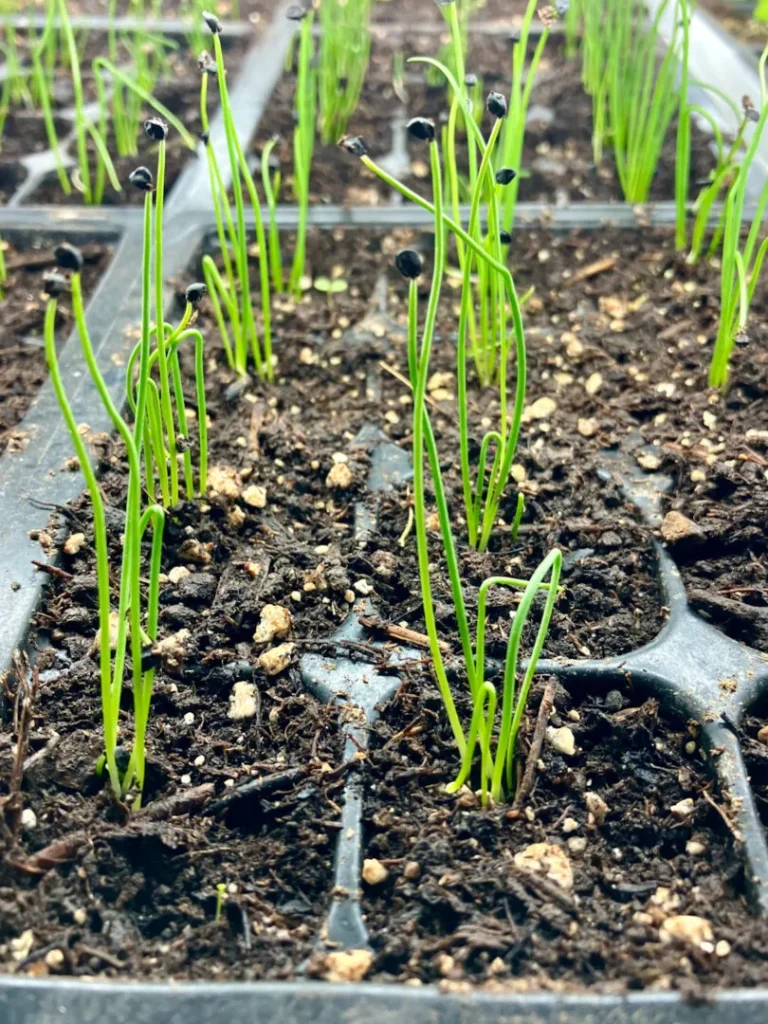
So you're thinking about growing your own onions from seed.
Maybe you've tried onion sets before and want more variety. Maybe you've heard seed-grown onions store better. Or maybe you just like the challenge of starting a staple crop from scratch.
Turns out, starting onions from seed isn't hard. But it does demand one thing most gardeners overlook: the correct day-length type for your latitude. Get that wrong and you'll spend months watering a crop that never forms bulbs.
Here's the concrete baseline: onion seeds need soil temperatures between 50 and 75°F to germinate reliably. Below 40°F they rot. Above 85°F they stall.
That single range dictates when you can plant, which brings us to the first real fork in the road.
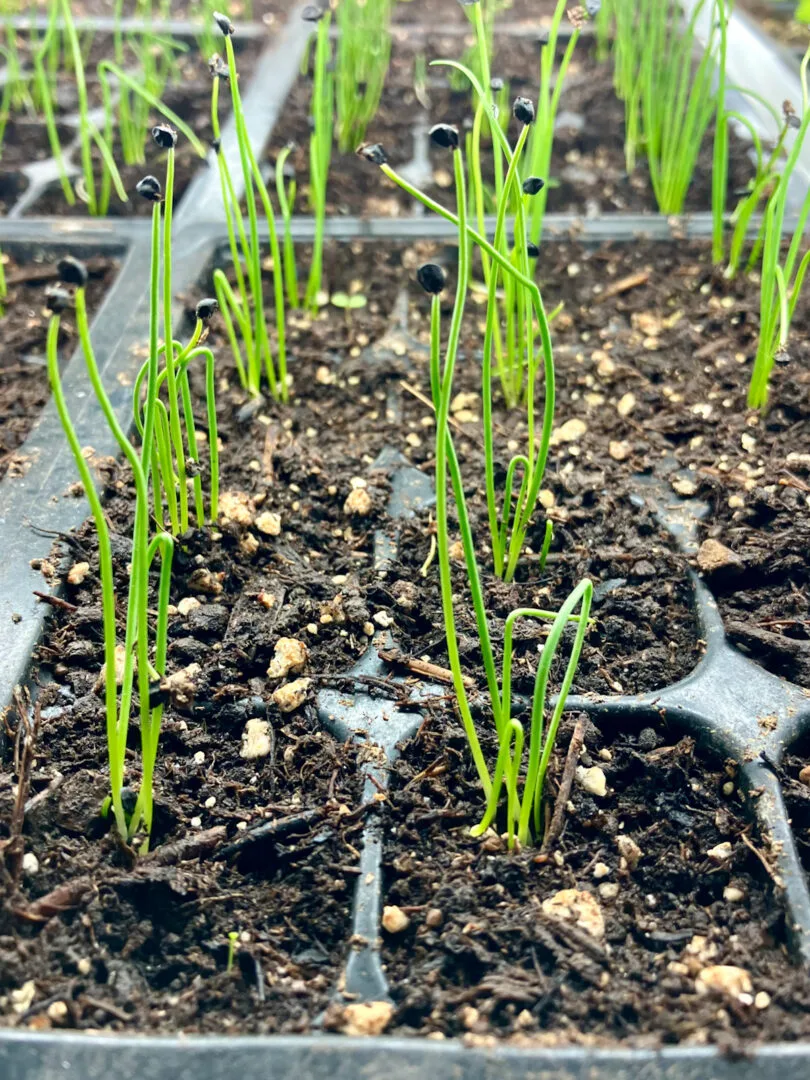
Image source: Web (Bing) / homestead-acres.com (Web image (fair-use with source credit))
Quick Answer
Yes, you can grow onions from seed. It takes 8 to 10 weeks indoors before transplanting. Choose the right day-length type for your latitude.
Long-day for northern zones. Short-day for southern zones. Start seeds 8 to 10 weeks before your last frost date.
Provide 12 to 14 hours of strong light daily. Transplant seedlings when they are pencil-thick.
Will Onions From Seed Actually Work For You? (The Real Question)
Onions from seed is a time investment. You're looking at 8 to 10 weeks indoors before the seedlings go outside. Then another 90 to 120 days of garden time before harvest.
That's not a quick crop. It's a commitment.
But here's what makes it worth the wait. Seed gives you access to hundreds of varieties that sets and transplants simply don't offer. Heirlooms, storage types, specialty sweets.
You're not limited to whatever the garden center ordered that year.
The decision tree starts here. If you live north of the 40th parallel (roughly Denver to Philadelphia), you need long-day onions. South of the 35th parallel (Atlanta to Dallas), you need short-day onions.
In the middle zone, intermediate or day-neutral varieties work best.
This is not flexible. Plant a short-day onion in Minnesota and it will start bulbing when the days hit 11 hours of light. But June days in Minnesota are 15 hours long.
The bulb thinks it's already late summer. It forms a small, undersized bulb and calls it done.
So yes, it can work. But only if you match the variety to your growing zone. Waste a season on the wrong type and you'll wonder what all the fuss was about.
For the official breakdown of your growing zone, check the USDA Plant Hardiness Zone Map. It's the standard reference for timing your spring planting.
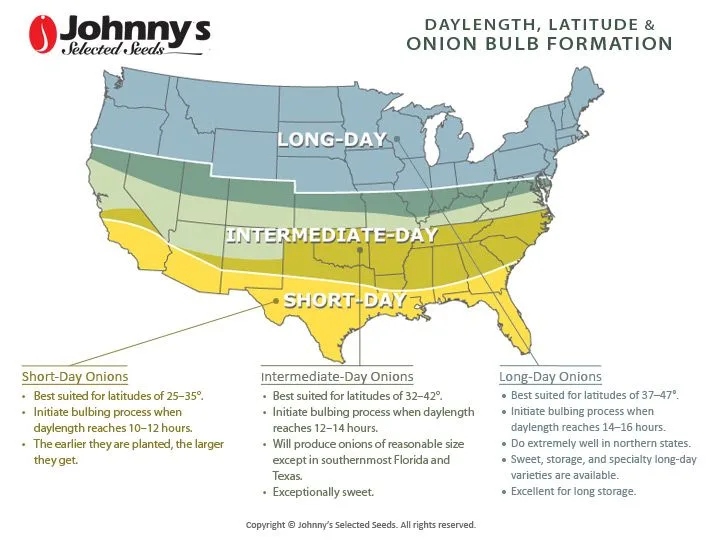
Image source: Web (Bing) / pinterest.com (Web image (fair-use with source credit))
The First Fork: Which Onion Type Fits Your Latitude?
Here's the single most important decision you will make when growing onions from seed. Choose the wrong day-length type and nothing else matters.
Long-day onions need 14 to 16 hours of daylight to trigger bulbing. They grow best north of the 40th parallel. Think Maine, Michigan, Washington, the Dakotas.
They also store well and tend to have a sharper flavor. Varieties: 'Walla Walla', 'Yellow Sweet Spanish', 'Red Wethersfield'.
Short-day onions start bulbing when days reach 10 to 12 hours. They are ideal south of the 35th parallel. Florida, Texas, southern California.
They grow fast in mild winters and are harvested in spring. They are sweeter but do not store long. Varieties: 'Texas Sweet', 'Red Creole', 'White Bermuda'.
Intermediate or day-neutral onions are the most forgiving. They form bulbs under a wider range of daylight conditions. They work best in the central band between 35 and 40 degrees latitude.
The St. Louis to Washington DC corridor. Popular varieties: 'Candy', 'Superstar', 'Red Marble'.
If you are unsure where you fall on that map, your local agricultural extension office can tell you the exact day-length recommendation for your county. It's free and it's the most accurate source for your specific location.
One more warning: the day-length categories are based on the latitude where the variety was bred, not where the seed was purchased. Do not assume a packet sold at your local store is the right type for your garden. Check the label.
Read the fine print. That matters as of 2026.
Fork Two: Can You Start Indoors or Should You Direct Sow?
This decision depends on your growing season length and your climate.
Start indoors if your growing season is shorter than 120 frost-free days. That covers most gardeners north of the 40th parallel. Indoor starting gives you a head start of 8 to 10 weeks.
By the time the soil warms up, your seedlings are already 6 inches tall and ready to harden off.
Direct sow only works in mild climates where you can plant in late summer for a spring harvest. Think zones 7 through 9. Southern states where winter temperatures rarely dip below 20°F.
For those gardeners, direct sowing in September or October produces a crop by May.
For everyone else, direct seeding in spring is a gamble. Onion seeds are small. They dry out fast.
They compete poorly with weeds. And if a late frost hits, your crop is gone. Our research shows that indoor starts succeed at a much higher rate for home gardeners in zones 3 through 6.
If you can provide grow lights and consistent bottom heat, start indoors every time.
How to Start Onions From Seed (Both Paths, Step by Step)
Here is the process divided into two clear tracks.
Indoor Start Method
- Timing. Count back 10 weeks from your average last spring frost date. That is your seed-starting day.
- Containers. Use seed trays or 4-inch pots with drainage holes. Fill with damp seed-starting mix, not garden soil.
- Sowing. Sprinkle seeds on the surface. Cover with 1/4 inch of mix. Water gently.
- Heat. Place trays on a heat mat set to 65 to 75°F until sprouts appear. That takes 7 to 14 days.
- Light. As soon as seeds germinate, move trays under grow lights set 2 inches above the tops. Run lights 14 hours a day.
- Trimming. Once seedlings reach 4 inches tall, use scissors to clip them back to 3 inches. This keeps stems thick and prevents flopping. Repeat weekly.
- Hardening off. One week before transplant, move trays outside for a few hours each day. Increase exposure gradually.
- Transplant. Set seedlings 1 inch deep and 4 inches apart in the garden. Water in well.
Direct Sow Method (Mild Zones Only)
- Timing. Sow 6 to 8 weeks before your first expected fall frost.
- Soil prep. Work the bed to 6 inches deep. Remove rocks and debris.
- Seeding. Plant seeds 1/4 inch deep and 1 inch apart in rows 12 inches apart.
- Watering. Keep soil consistently moist until germination. Use a fine spray so seeds are not washed away.
- Thinning. When seedlings reach 3 inches tall, thin to 4 inches apart. Use the thinnings as scallions.
- Overwintering. In zones 7 to 9, plants will survive winter and resume growth in early spring. Harvest in May or June.
| Step | Indoor Start | Direct Sow |
|---|---|---|
| Timing | 10 weeks before last frost | 6-8 weeks before fall frost |
| Germination | 7-14 days with heat mat | 14-21 days in soil |
| Transplant | Yes, after hardening off | No, seeds stay in place |
| Best for | Zones 3-6 | Zones 7-9 |
| Harvest | Mid to late summer | Late spring |
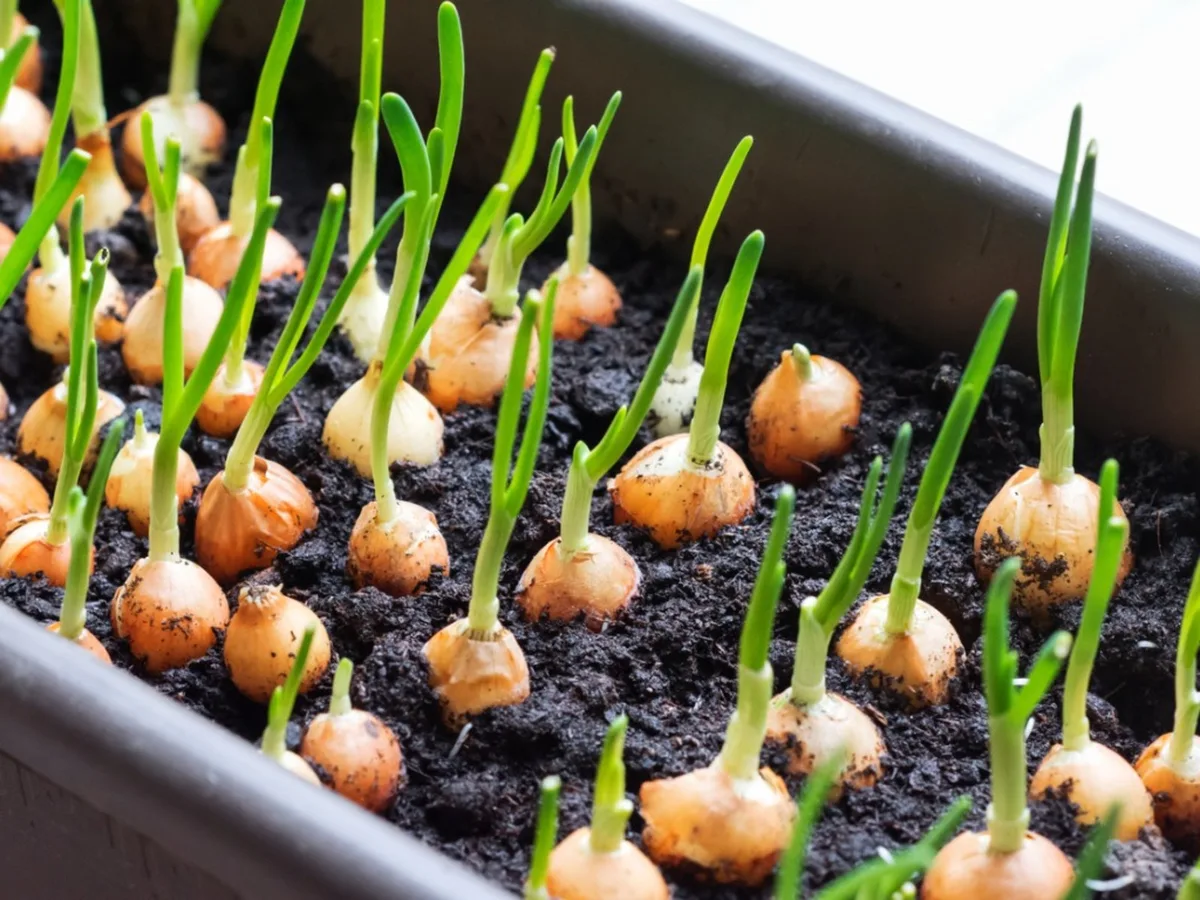
Image source: Web (Bing) / qaqooking.wiki (Web image (fair-use with source credit))
The Biggest Mistakes That Wreck Onion Seed Success
Even experienced gardeners make these errors. They are easy to avoid once you know what to look for.
Mistake 1: Planting the wrong day-length type. Already covered above. It is the number one cause of failure. Fix it by matching the variety to your latitude before you order seed.
Mistake 2: Starting seeds too early. Onion seedlings grow slowly at first. But if you start more than 12 weeks before transplanting, they outgrow their pots and become root-bound. Stressed seedlings rarely produce large bulbs.
Stick to the 10-week window.
Mistake 3: Not thinning seedlings. Crowded onion seedlings compete for light and nutrients. The result is dozens of pencil-thin stalks that never fatten into bulbs. Thin to one seedling per cell in trays.
Thin to 4 inches apart in the garden.
Mistake 4: Overwatering after transplant. Onions need consistent moisture. But logged soil leads to rot. Let the top inch dry out between waterings.
Good drainage is non-negotiable.
Mistake 5: Letting weeds take over. Onions are weak competitors. Weed pressure is their biggest enemy in the garden. A 2-inch layer of straw mulch solves most of the problem.
Mistake 6: Harvesting too early or too late. Onions are ready when the tops fall over naturally. That signals the bulb has stopped growing. Wait two weeks after tops fall, then pull them on a dry day.
Early harvest means small bulbs. Late harvest means rot in wet soil.
In aggregate reviews from home gardeners across multiple growing zones, thinning and weed management are the two most commonly cited failures. Both are simple fixes that pay big dividends.
Onion Seeds vs. Sets vs. Transplants: The Honest Trade-Off
You have three ways to get onions into the ground. Each has a different cost, time commitment, and outcome.
Onion seeds are the cheapest option. A packet of 200 seeds costs less than a bundle of 50 sets. You get hundreds of varieties to choose from.
The trade-off is time. Seeds need 8 to 10 weeks of indoor care before they are garden-ready. Total growing time from seed to harvest is 150 to 180 days.
Onion sets are small immature bulbs grown the previous season. They are the fastest option. Plant them in spring and harvest in 60 to 90 days.
The downside is limited variety. Most garden centers carry only four or five types. Sets also carry a higher risk of bolting because of temperature stress during storage.
Onion transplants are seedlings started by a commercial grower. They arrive ready to plant with no indoor work required. You get better variety selection than sets but less than seeds.
Transplants cost more per plant than seeds. But they save you 10 weeks of indoor effort.
| Option | Cost per plant | Time to harvest | Variety selection | Best for |
|---|---|---|---|---|
| Seeds | $0.03 to $0.10 | 150 to 180 days | Excellent | Patient gardeners, heirloom seekers |
| Sets | $0.15 to $0.30 | 60 to 90 days | Poor | Beginners, short seasons, quick crops |
| Transplants | $0.30 to $0.60 | 90 to 120 days | Moderate | Gardeners who skip indoor setup |
Here is the honest recommendation. Use seeds if you want specific varieties or plan to grow more than 50 onions. Use sets if you need a fast crop and variety selection does not matter.
Use transplants if you want the middle ground and are willing to pay for convenience.
For storage quality, aggregate reviews show seed-grown onions cure harder and last longer than set-grown onions. The reason is simple. Sets are already one year old when you plant them.
They have less vigor and store less reliably. Seeds produce fresh plants with full energy reserves.
Frequently Asked Questions About Growing Onions From Seed
How long do onion seeds take to germinate?
Onion seeds germinate in 7 to 14 days under ideal conditions. Soil temperature should be between 65 and 75°F. Below 50°F, germination stalls.
Above 85°F, it drops sharply. A heat mat speeds things up and improves uniformity.
Can I save onion seeds from my own harvest?
Yes, but only from open-pollinated varieties. Hybrid onion seeds will not grow true to type. Onions are biennials, so you must let them flower and set seed in their second year.
That requires overwintering the bulbs, which is not practical in cold climates.
Do onion seeds need light to germinate?
No, onion seeds germinate in darkness. They are small and sown shallow at 1/4 inch depth. Light is not required until the first green shoots emerge.
At that point, strong light is critical to prevent leggy growth.
How many onions will one seed produce?
One seed produces one onion bulb. There is no division or multiplication with standard bulb onions. Each seed is a single plant that forms a single bulb.
If you want 100 onions, start at least 120 seeds to account for germination losses and thinning.
Can I grow onions from seed without grow lights?
Yes, but results are inconsistent. A bright south-facing windowsill works in a pinch. Seedlings will be leggier and weaker than those grown under LED or fluorescent lights.
If you only need 20 to 30 onions, windowsill starts can work. For larger crops, invest in lights.
What is the best onion variety for beginners starting from seed?
The 'Candy' variety is the most forgiving choice for beginners. It is an intermediate day-neutral type that performs well in most climates. It produces large, sweet bulbs with good storage life.
It is also disease resistant and less prone to bolting than other varieties.