Overwintering tropical plants is one of those gardening tasks that looks simple until your favorite hibiscus drops every leaf by Thanksgiving. It's not about dragging pots inside before frost and hoping for the best. It's about matching your plant's biology to your home's conditions.
Get that right, and your tropicals come through winter looking strong, ready to explode back outside in spring.
In our research, the single most common failure is overwatering during dormancy. Many tropicals need soil to stay barely moist, not soaking, when growth stops. As of 2026, the USDA Plant Hardiness Zone Map remains the baseline for understanding your winter lows, but your indoor microclimate matters just as much.
Let's walk through the decisions that actually determine whether your plants survive.
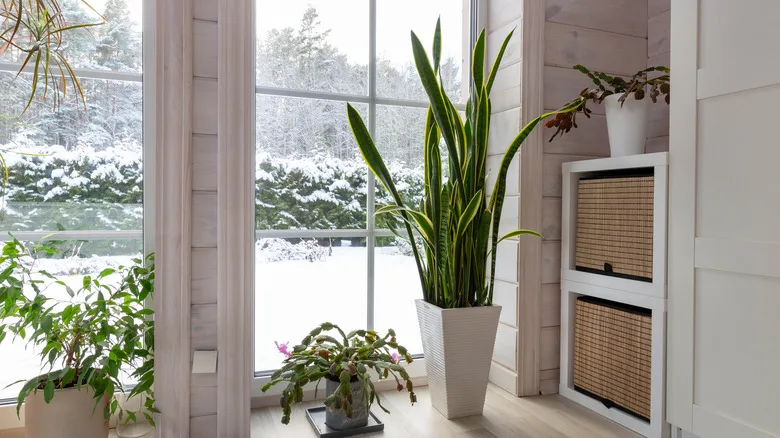
Image source: Bing (Web (fair-use with source credit))
Quick Answer
Overwintering tropical plants means moving them into a protected space before night temperatures drop below 50°F. You either let the plant go dormant or keep it growing actively. Dormancy suits bulbs, tubers, and plants like plumeria.
Active growth suits foliage plants and tropicals you want to keep producing. Your choice depends on the species, your light, and your space.
Why Overwintering Tropical Plants Is Trickier Than You Think
Most people assume “tropical” means “warm all winter.” That's only half true. A mango tree needs heat and light to survive. A dormant banana corm can sit in a dark garage at 45°F and be perfectly happy.
Treat them the same way and you'll lose one of them.
Why does this happen? Because tropical plants don't all follow the same winter strategy. Some go into a deep rest, dropping leaves and slowing metabolism to nearly zero.
Others keep pushing out new growth the whole season, responding to warm temperatures and whatever light they can find.
Here's what makes the whole process genuinely complicated:
- Species-specific needs. A plumeria wants cold, dark storage. A monstera wants warmth and humidity. A bougainvillea wants a cool, bright spot.
- Timing windows. Bring plants in too early and they keep growing soft, weak tissue. Bring them in too late and root damage starts to set in.
- Indoor microclimates. Your south-facing window, unheated garage, and sunroom all create very different survival conditions.
- Pest pressure. Plants that look clean outdoors can carry spider mites, scale, or mealybugs straight into your living room.
The USDA's hardiness zone system (USDA Plant Hardiness Zone Map) only tells you average annual minimum temperatures. It doesn't tell you how to store a specific plant indoors. That's where the real expertise comes in.
The Two Routes: Dormancy vs. Active Growth
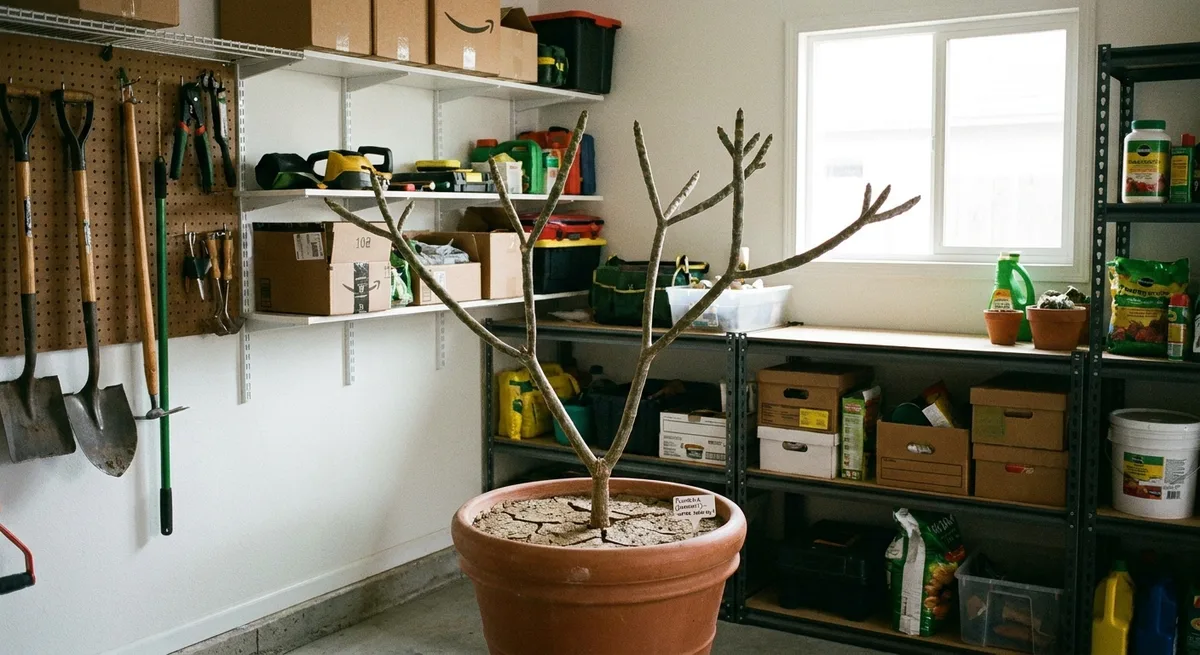
Image source: Web (Bing) / leafyzen.com (Web image (fair-use with source credit))
Your first big decision is choosing between dormancy and active growth. Getting this wrong is the fastest way to kill a plant, because every care step that follows depends on which route you pick.
Dormancy is the plant's natural response to cooler temperatures and shorter days. Watering stops, leaves drop, and the plant sits like a sleeping bear until spring. This route works best for bulb, tuber, and corm plants, plus woody tropicals like plumeria, fig trees, and certain citrus relatives.
They don't need light while dormant. They just need a cool, dark, dry place that stays above freezing.
Active growth is what most houseplant tropicals need, including monstera, calathea, ficus, and hibiscus. These plants never really rest. They need consistent warmth, plenty of bright light, and regular water.
A windowsill alone often isn't enough during short winter days. Many gardeners add grow lights to keep these plants from getting leggy and weak.
Here's a quick breakdown:
| Dormancy Route | Active Growth Route |
|---|---|
| Cool, dark location | Warm, bright location |
| Little to no water | Regular watering |
| No fertilizer | Light feeding only if growing |
| Leaves may drop | Keeps leaves |
| Best for bulbs, tubers, plumeria | Best for tropical houseplants |
| Needs 6 to 10 weeks of rest | Grows through winter |
The trigger isn't a calendar date. It's temperature and daylight. When nights stay consistently below 55°F, it's time to commit to one of these routes.
Decision Tree: Your Plant, Your Space, Your Climate
Still unsure? Ask yourself three questions before doing anything.
What does your plant's natural winter behavior look like? Some tropicals die back on their own. Others keep producing leaves year-round. If you don't know, look up your specific variety first.
That one detail changes everything.
How much light can you give it indoors? A sunroom with bright, south-facing windows can support active growth through the darkest months. A dim living room with east-facing light cannot. If you have low light, dormancy is the safer route for species that tolerate it.
Can you control temperature where the plant will live? A heated bedroom stays around 65 to 75°F, which suits active growth. An unheated garage or basement may sit at 40 to 55°F, which only works for dormant plants. Just make sure that space never drops below freezing.
Now follow the branches:
- If your plant is dormant-tolerant and you have a cool, dark room, choose dormancy. Water once a month or less.
- If your plant is a foliage tropical and you have bright light, keep it actively growing. Water when the top inch of soil dries out.
- If you have low light but a plant that refuses dormancy, group plants together, add a grow light, and reduce leaf loss by keeping humidity up.
- If you live in USDA zone 10 or warmer, you can skip the whole idea. Your garden is tropical enough already.
When conditions sit between two branches, pick the safer one. Dormant plants are more forgiving than actively growing plants that stretch in weak light.
Step-by-Step: How to Overwinter Your Tropical Plants
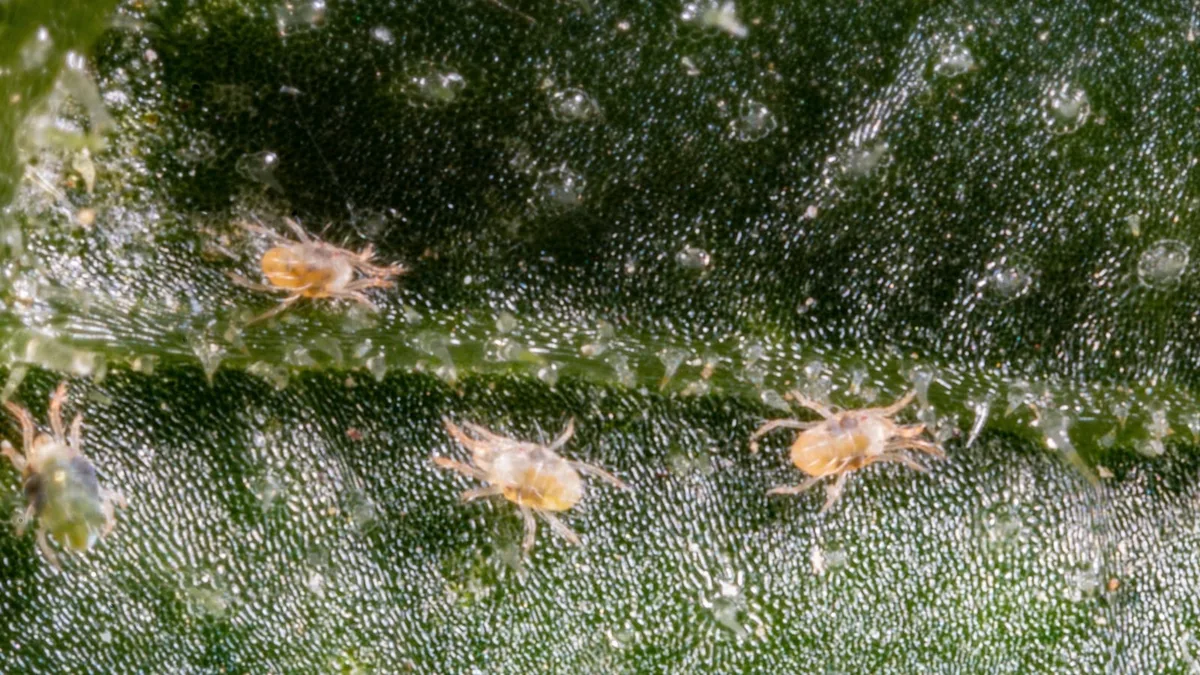
Image source: Bing (Web (fair-use with source credit))
Once you know your route, follow this step-by-step process. It works for most container-grown tropicals.
Step 1: Clean and inspect every plant. Remove dead leaves and spent flowers. Rinse the foliage gently to knock off dust and pests. Look under leaves, along stems, and at the soil surface.
If you spot anything suspicious, treat before moving the plant indoors.
Step 2: Prune lightly, not heavily. Cut back weak or crossing branches. Save big structural pruning for late winter, when the plant is still resting or just waking up.
Step 3: Repot if roots are crowded. Do this three or four weeks before moving plants inside. Loose, healthy roots handle the transition better than a tight rootball in stale potting mix.
Step 4: Bring plants inside at the right time. For most tropicals, that's when night temperatures start dropping into the 50s Fahrenheit. The goal is to move them before cold injury starts.
Step 5: Acclimate gradually. Don't jump from patio to living room in one day. Move plants to a shaded porch for a few days, then a bright indoor spot, then their final location. Give them 7 to 14 days to adjust to lower light.
Step 6: Adjust watering and feeding. Dormant plants need barely enough water to keep roots alive. Active growers need water only when the top inch of soil feels dry. Stop fertilizing unless your plant is clearly still pushing new growth.
Step 7: Monitor every two weeks. Check for pests, yellowing leaves, and signs of rot. Catch problems early, when they're still easy to fix. For detailed species advice, the University of Minnesota Extension maintains a solid library of indoor plant care guides.
Common Mistakes That Kill Tropicals in Winter (and How to Avoid Them)
Most overwintering failures happen indoors, not from actual cold. Here's what really kills container-grown tropicals.
- Overwatering. Roots sitting in soaked soil rot quickly at low temperatures. For dormant plants, water once a month or less. For active growers, always check the soil first.
- Low humidity. Winter indoor air often drops to 20 to 30 percent humidity. That causes brown leaf edges and pest outbreaks. Use a humidifier or pebble tray, since misting alone rarely lasts long enough.
- Cold drafts and heat vents. Both stress plants fast. Keep tropicals away from exterior doors, drafty windows, radiators, and forced-air vents.
- Feeding too late. Fertilizer pushes new growth that can't handle sudden light changes. Stop feeding dormant types by late summer and don't resume until active growth starts.
- Ignoring pests. Spider mites thrive in warm, dry indoor air. Check leaf undersides weekly and treat early with insecticidal soap.
- Waiting too long to act. If you wait until after the first frost to bring plants in, the damage is already done. Move them when nights hit the 50s, not after a freeze.
Remember this simple rule: it's better to under-water a dormant plant than to over-water it. Dormant roots are slow, cold, and fragile. They can't drink like they do in summer.
Frequently Asked Questions About Overwintering Tropicals
Should I bring my tropical plants indoors before or after the first frost?
Move them in well before frost. The safe target is when nighttime temperatures start dropping into the 50s Fahrenheit. Cold injury begins long before a hard freeze.
Waiting until the last minute stresses the plant and triggers premature leaf drop.
How do I know if my tropical plant needs dormancy?
Look up the specific species honestly. Plumerias, cannas, caladiums, and many fig varieties naturally go dormant. Monstera, hibiscus, ferns, and most foliage houseplants stay active year-round.
If you see the plant naturally yellowing and dropping leaves in fall, that's a strong dormancy signal.
What temperature is too cold for tropical plants indoors?
Most actively growing tropicals suffer below 60°F. Dormant tropicals can handle 40 to 50°F as long as the space stays above freezing. Never let any tropical plant sit below 35°F.
That's the danger zone where cell damage begins, even for hardy bulbs.
Do I need grow lights for overwintering tropical plants?
Only if you're keeping plants actively growing in a dim home. South-facing windows can be enough for some species, but winter daylight often falls short. A grow light running 12 to 14 hours daily makes a huge difference for tropicals that refuse dormancy.
Can I leave dormant tropical plants in a garage?
Yes, if the garage stays consistently above freezing. An attached garage often works well. A detached, uninsulated garage can be risky in harsh climates.
Check your local climate patterns and add insulation or a space heater with a thermostat if needed.
Your Quick Decision Guide: Which Path Should You Follow?
Here's the entire decision process boiled down to a single table. Find your situation and follow that row.
| Your Situation | Best Route | Key Action |
|---|---|---|
| Bulb, tuber, or plumeria with a cool spot | Dormancy | Stop watering, store dark and cool |
| Foliage tropical with bright indoor light | Active growth | Keep watering, add grow light |
| Foliage tropical with low light | Active growth | Group plants, boost humidity, treat pests |
| Warm climate, no frost expected | Do nothing | Leave plants outdoors year-round |
| Unheated garage or basement | Dormancy only | Move plants in before first frost |
When you're unsure, choose dormancy. A resting plant is more forgiving than one trying to grow in poor light. Underwatering beats overwatering.
And a cool, dark spot beats a warm, sunless room.
The real trick to overwintering tropical plants is matching the plant to the place. Do that, and winter becomes just another season. Your tropicals will look ragged by March, maybe, but they'll spring back fast once they're back outside.
That's the payoff.