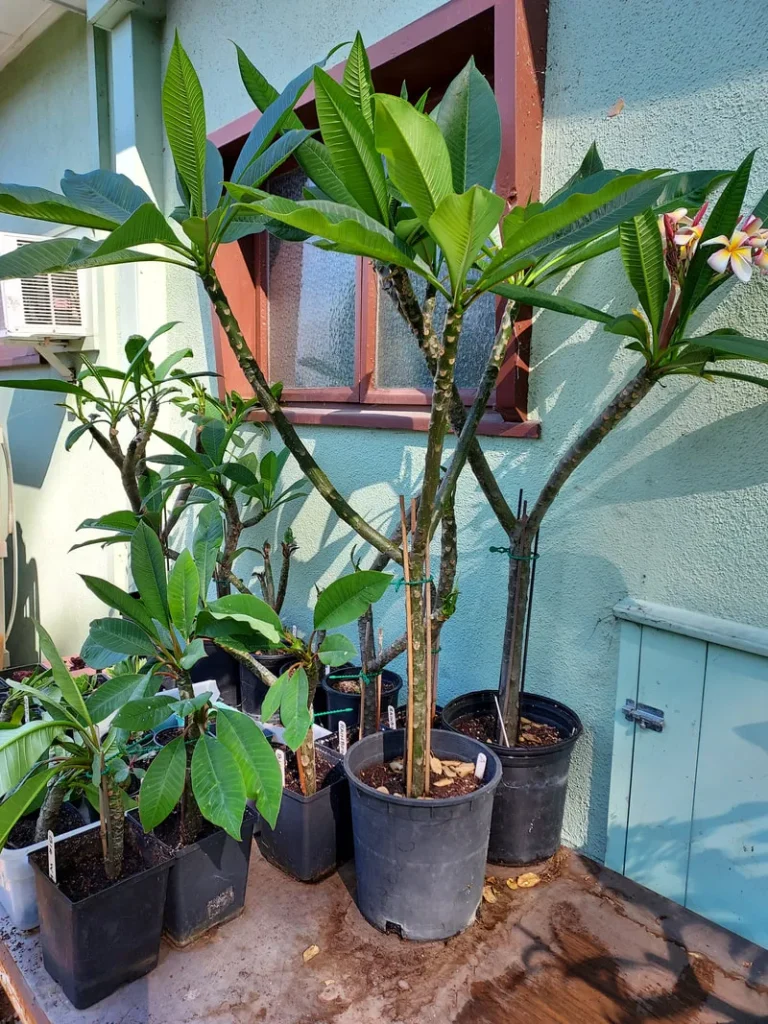
Plumeria winter care is a make-or-break season. Overwintering plumeria correctly is what separates a bloom-filled summer from a sad, soggy mess. Even veteran gardeners get it wrong because the plant looks like it’s dead.
The truth is, it’s just resting.
The magic number for dormant storage sits between 40°F and 50°F, a range confirmed by horticultural extension data from the University of Florida system. As of 2026, this temperature window is the standard reference for keeping frangipani alive through cold months. Once you understand that, the rest is a simple checklist.
Why Your Plumeria Won't Survive Winter Without Your Help
Plumeria evolved in the Caribbean, Central America, and tropical Asia. Frost is not in its vocabulary. If you live in USDA hardiness zone 7b or colder, a single night below freezing can kill the plant outright.
Even a brief dip to 35°F can damage the tips and roots.
The mistake many people make is treating plumeria like a hardy shrub. It’s tropical, through and through. That means it has zero natural defense against ice forming inside its cells.
Ice ruptures the cell walls, turning the tissue to mush. By morning, you have a dead stick.
So the rule is simple: if your winters regularly drop below 50°F, you must intervene. If you live in zones 10, 11, you can leave the plant outside all year. Everyone else needs a winter plan.
Check the USDA's plant hardiness zone map to see where you stand. The good news? That plan is easy once you understand dormancy.
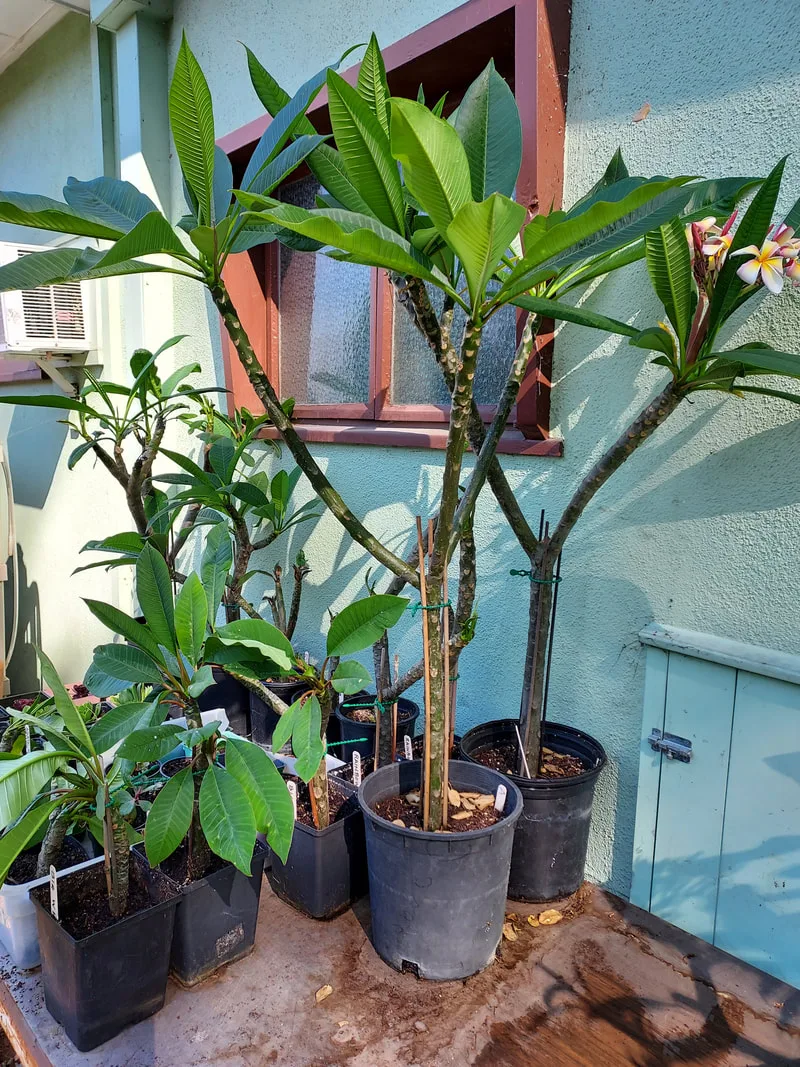
Image source: Web (Bing) / fity.club (Web image (fair-use with source credit))
What Dormancy Actually Looks Like (And Why It's Not Death)
Here's what happens. As days shorten and nights cool in late fall, the plumeria starts shutting down. Leaves turn yellow, then drop one by one.
Within a few weeks, the plant becomes a bare, gray stick with a few bumps on the tips. It looks like it's dying, but it's actually storing energy.
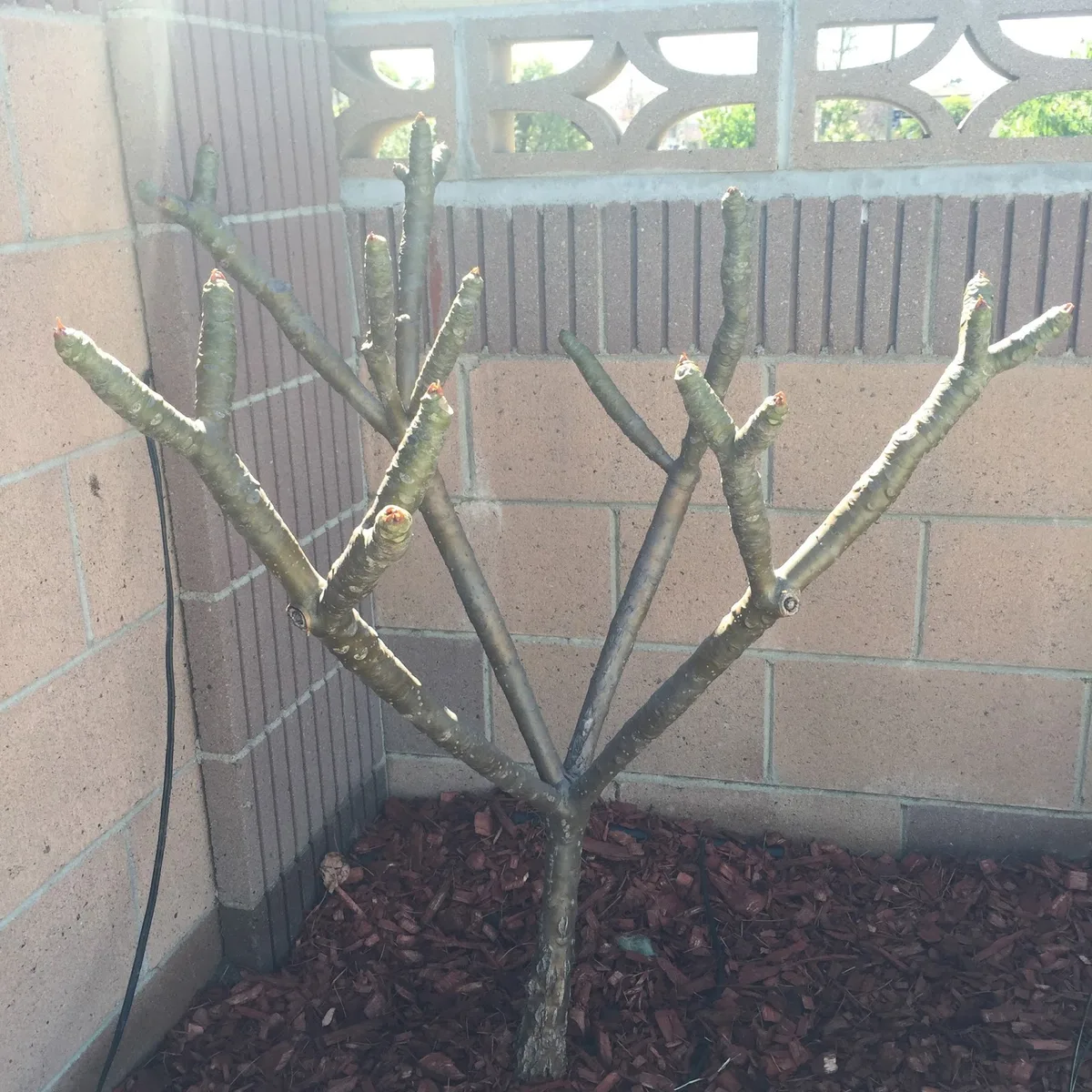
Image source: Web (Bing) / succulentsucculence.blogspot.com (Web image (fair-use with source credit))
Inside the trunk and roots, the plant is doing the reverse of what you'd guess. It's pulling water and nutrients from the leaves back into storage tissue. The pressure inside the stems drops dramatically.
That's why a dormant plumeria can survive months without a single drink of water.
Dormancy is not death. It's a seasonal battery-save mode. During these two to four months, the plant is alive but running at near-zero metabolic activity.
You just need to keep it cool, dark, and dry.
The dangers come from bright light, warmth, or water. Those signal the plant to wake up and grow, which drains its reserves. That's when you get a plant that comes back weak and pathetic.
The Fork in the Road: Cool-Dark Storage vs. Active Indoor Growing
You have two solid ways to overwinter plumeria. Pick the one that fits your space and your plant's condition.
Option one is cool-dark storage. This is for plants that have already gone fully dormant, or that you force into dormancy by withholding water. They go into a dark spot like an unheated garage, basement, or root cellar.
Ideal temperature sits between 40°F and 50°F, but anywhere from 35°F to 55°F works if the plant is dry. These plants need zero light and only the rarest splash of water. This is the lowest-effort, highest-success method.
Option two is active indoor growing. This works if you have a sunny window and strong grow lights. You keep the plant warm (65°F or above) and give it 12, 14 hours of light per day.
It won't bloom well without high light, but it will keep its leaves and root activity. This method is for people who don't have a cool space, or who want to enjoy foliage all winter.
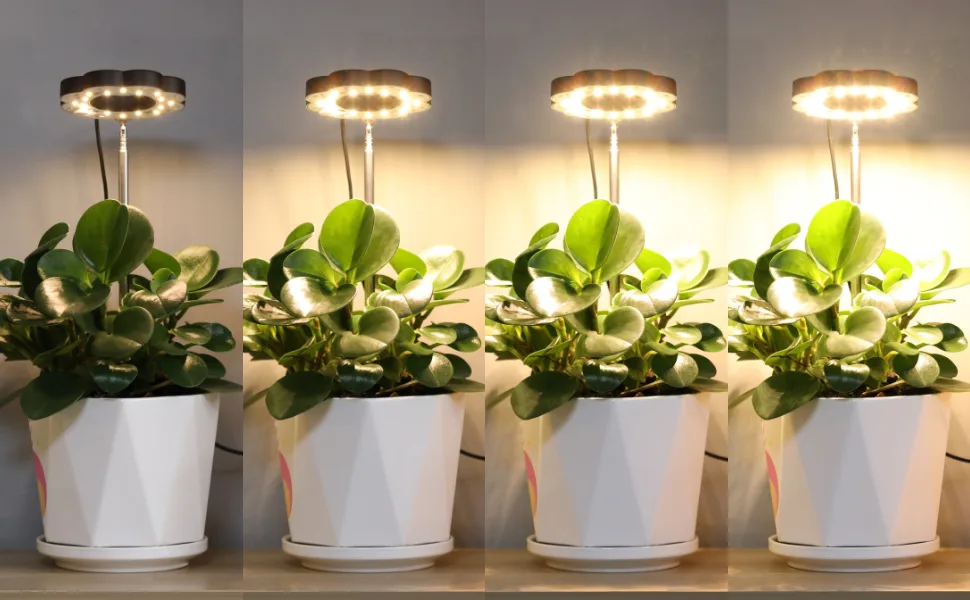
Image source: Bing (Web (fair-use with source credit))
Here's a quick comparison:
| Factor | Cool-Dark Storage | Active Growing |
|---|---|---|
| Light | None needed | 12–14 hrs/day |
| Temperature | 40–50°F | 65–80°F |
| Watering | Once a month or none | When top 2 inches of soil dry |
| Humidity | Low is fine | Needs 40%+ |
| Plant condition | Fully dormant | Leafed out |
| Maintenance | Minimal | Weekly check |
How to Overwinter a Plumeria, Step by Step
The process is simple, but sequence matters. Here's the workflow.
Step 1: Reduce water in late summer.
Start tapering off watering about six weeks before your first expected frost. This signals the plant to slow growth and begin dormancy. Stop feeding completely.
Step 2: Prepare the plant.
Once nighttime temps stay under 50°F, bring the plant inside if it's potted. If it's in the ground, you can either dig it up or protect it with a heavy layer of mulch and frost cloth. Since most plumerias live in pots, storage is usually the move.
Step 3: Inspect for pests.
Check leaf axils, under leaves, and the soil surface for spider mites, mealybugs, or scale. Treat with a gentle insecticidal soap or neem oil before bringing indoors. You do not want an infestation in your garage.
Monthly checks keep them in check.
Step 4: Place in the right spot.
Cool-dark storage means a dark, ventilated area near 40, 50°F. Active growing means a warm, bright location with grow lights. Either way, keep the plant out of frost and drafts.
Step 5: Forget it (mostly).
During dormancy, water once every four to six weeks, or only if the bark starts to shrivel. Push your finger into the soil. If it's bone dry and the plant feels floppy, give it a few cups.
Then back to sleep.
This routine takes about 30 minutes total for the entire winter. No fuss.
5 Overwintering Mistakes That Kill More Plumerias Than Frost
Overwatering kills more plumerias in winter than cold itself. A dormant plant can't absorb water, so extra moisture pools around the roots and invites rot. Solution: dry soil is your friend.
When in doubt, don't water.
Second mistake is putting a dormant plant indoors in a warm, bright room. That wakes it up. It sends out pale, weak shoots that burn when you move it back outside.
Better to keep it in a cool, dark spot, or go all-in with grow lights.
Third is forgetting about pests. Warm, still, indoor air is a spider mite paradise. They love the dry, compact environment of an overwintering plumeria.
Check the trunk and crevices monthly. A quick shower or insecticidal spray prevents a full invasion.
Fourth is ignoring the shriveled bark. The trunk usually shrinks a little during storage, but significant wrinkling means severe dehydration. That's the one warning sign you should act on.
Give the plant a few cups of water, not a flood. The bark should plump back over a few days.
Fifth is bringing the plant out too early in spring. Mother Nature doesn't follow a date on the calendar. If nighttime temps still dip below 50°F, the new growth will suffer.
Wait until lows stay above 55°F for a week before you let the plant see the sun again.
Spring Wake-Up: How to Transition Your Plumeria Back Outdoors
Moving your plumeria outside too fast is a common way to kill it. The plant's tissue softens during winter, even in cool-dark storage. Direct sunlight will scald the bark and any new shoots.
You need a slow reintroduction, just like hardening off vegetable seedlings.
Start the wake-up process about four weeks after your last frost date. Move the pot to a bright, warm spot indoors, around 65°F to 75°F. Give it one small drink of water, about a quart for a mature plant.
Within two to three weeks, you should see green tips push out from the branch ends. That's your signal that dormancy has broken.
Step one is shade. Place the plant outside in a spot that gets morning sun only, or dappled light under a tree. Leave it there for three to four days.
Step two is gradual sun. Add an hour of direct morning sun each day, building up over a week. By the second week, the plant can handle full sun if nighttime temps stay above 55°F.
Watering resumes slowly too. Start with once a week, then increase as new leaves expand. Wait another two weeks before you even think about fertilizer.
Balanced fertilizer at half strength, like a 10-30-10, works well once the plant is actively growing. Full-strength feeding too early burns tender new roots.
Watch for shock signs during the transition. Drooping leaves, yellowing, or white patches on the bark mean too much sun too fast. Pull the plant back into shade and start the cycle again.
Most plumerias bounce back within a week if you catch the burn early.
Overwintering Plumeria FAQs
How cold can a plumeria survive?
A dry, dormant plumeria can handle temps down to 35°F for short periods. Below that, cell damage begins. Prolonged exposure to freezing kills the plant.
Wet soil makes the cold worse, so always store it dry.
Should I bring my plumeria inside before or after it drops its leaves?
Let the plant start dropping leaves naturally before you move it. That process means dormancy is underway. Once daytime temps regularly fall below 60°F, bring it in.
Leaves that haven't fallen yet will drop inside, which is normal.
Can I overwinter a plumeria in a grow tent?
Yes, and it works well for active growing. Run the lights 12 to 14 hours daily and keep temperatures above 65°F. Watch airflow carefully.
Stagnant humid air invites fungal issues on the leaves.
How often should I water a dormant plumeria?
Once a month at most. If the soil is still slightly moist and the bark isn't shriveled, skip the water entirely. Too much moisture is the leading cause of dormancy death.
Why is my plumeria trunk wrinkled?
Mild wrinkling is normal as the plant loses internal moisture. Deep creases mean the plant needs a small drink. Give it two to three cups of water, then wait a week before checking again.
The bark should slowly plump back up.