Choosing between peat pellets vs seed cells is one of those small decisions that shapes your whole seed-starting season. You want a setup that works without wasting money on the wrong gear. Both options germinate seeds reliably.
The real differences show up later, when roots grow and it is time to transplant.
Manufacturer specs confirm that standard peat pellets expand to about 1.5 inches tall after soaking. Seed cell inserts range from 1.5 to 2.5 inches deep depending on the tray count. That depth difference alone changes how long you can keep seedlings before they need to move outside.
Here is what each system actually delivers.
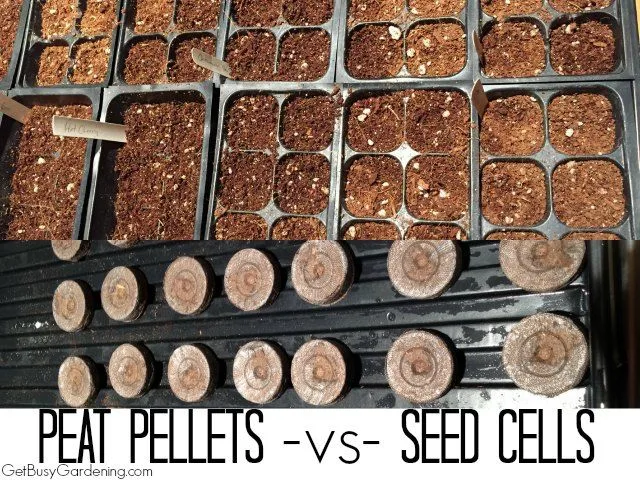
Image source: Bing (Web (fair-use with source credit))
Quick Answer
Peat pellets are compressed soil discs wrapped in mesh that expand when wet. Seed cells are plastic compartments you fill with your own potting mix. Pellets keep roots undisturbed during transplant.
Cells cost less over time. You can grow bigger seedlings in cells before moving them outside.
Peat Pellets, Explained: The Mesh-Wrapped Convenience Hero
A peat pellet starts as a flat, compressed disc of sphagnum peat moss held together by fine mesh. Drop it in warm water and it expands into a small pot of growing medium in about 10 minutes. Most common are the 36 mm and 50 mm sizes, with larger pellets giving roots more room.
A standard 1020 tray holds 50 of the smaller pellets or about 32 of the larger ones.
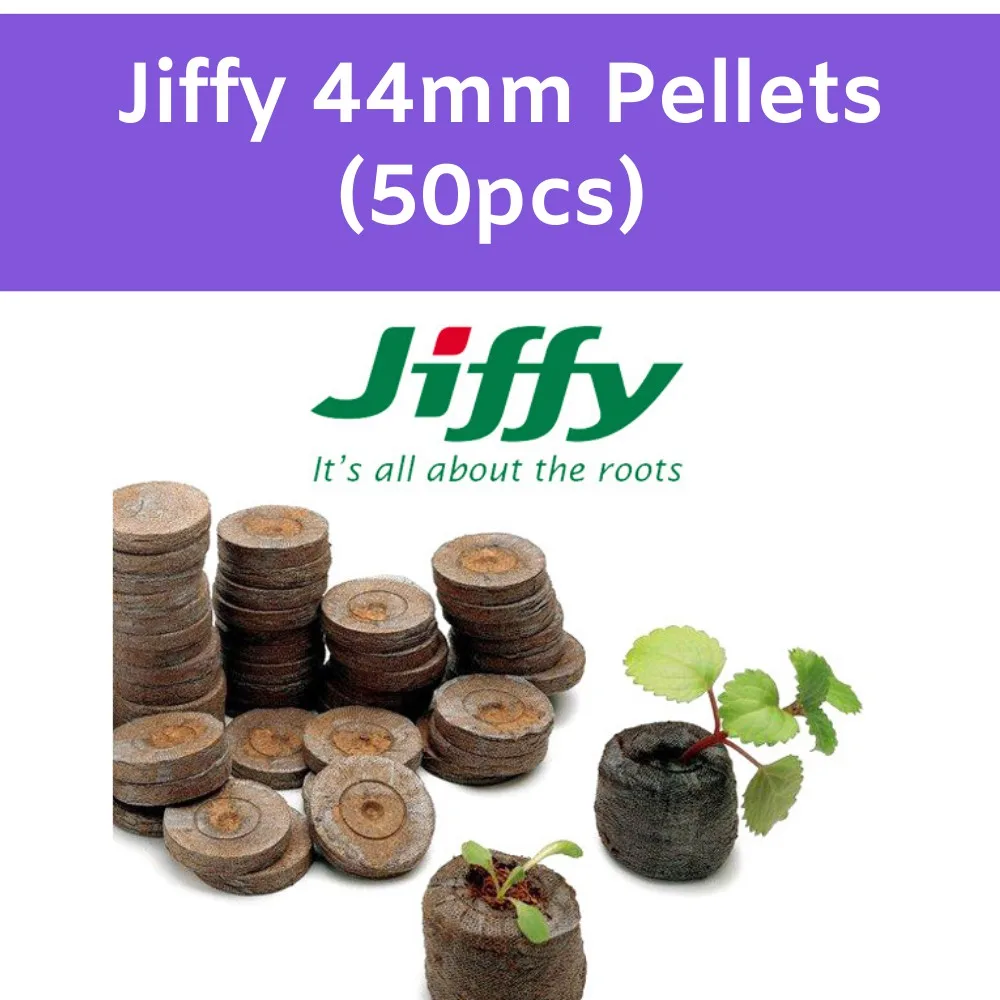
Image source: Web (Bing) / shopee.com.my (Web image (fair-use with source credit))
The mesh is marketed as biodegradable. In practice, it can take months to break down in soil. Many experienced gardeners peel the mesh off before transplanting, especially for long-season crops like tomatoes.
The RHS growing from seed guide recommends removing the mesh to prevent root restriction.
Pellets are sterile, which helps prevent damping-off in the early stages. They hold moisture well, but that is a double-edged sword. Overwatering is easy because the peat stays wet longer than you expect.
Jiffy is the best-known brand, though generic versions work similarly. As of 2026, coco coir pellets are increasingly common as a peat-free alternative. They behave the same way but drain slightly faster and have a lower environmental impact.
For beginners, pellets are nearly foolproof. You soak them, drain them, plant your seeds, and cover with a humidity dome. No mixing soil, no mess, no guesswork about texture.
That convenience is the main reason people choose them.
Seed Cells, Explained: The Reusable Classic
Seed cells are the reusable plastic inserts that fit into standard 1020 trays. You fill each cell with your own seed-starting mix, typically a fine blend of peat or coco coir, perlite, and vermiculite. The plastic grid keeps each seedling's root zone separate so they do not tangle together.
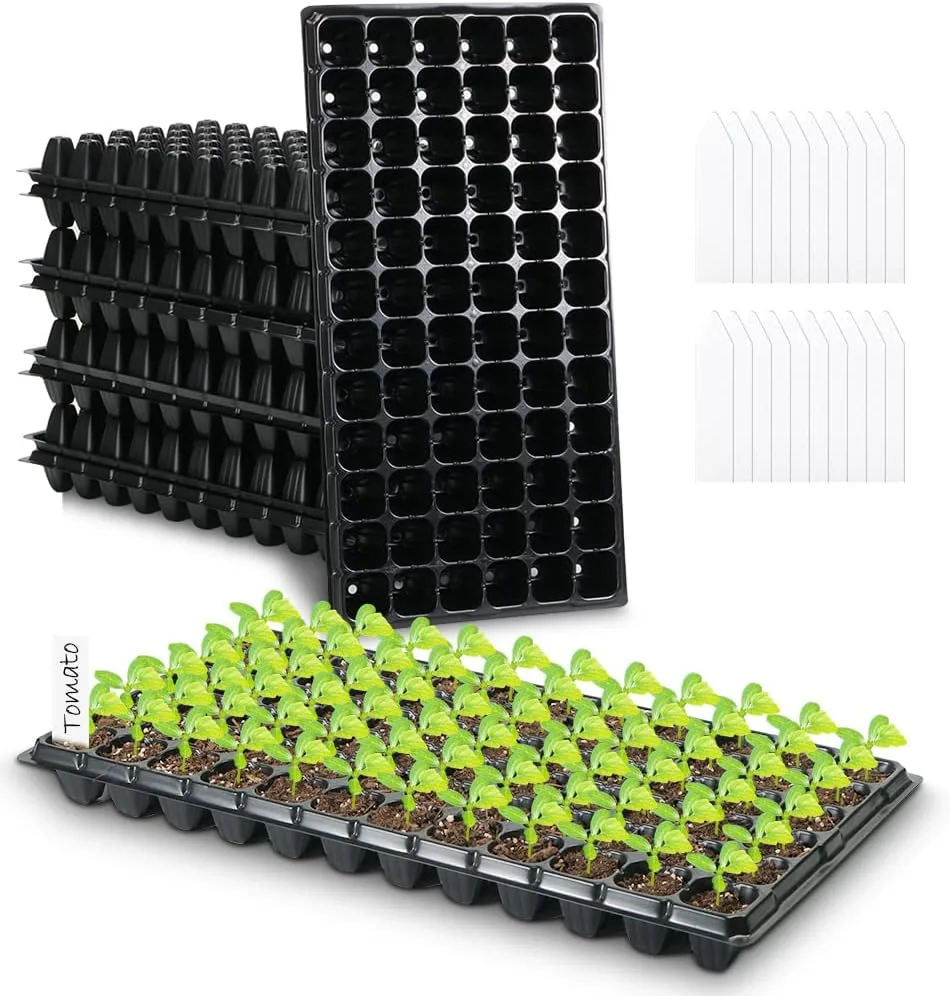
Image source: Web (Bing) / amazon.com (Web image (fair-use with source credit))
Cell counts range from 50 cells per tray for larger plugs up to 128 cells for tiny starts. The 72-cell insert is the most common middle ground. Deeper cells, like the 50-cell size, give roots more vertical space before they hit the bottom.
The University of Minnesota Extension seed starting guide recommends a sterile, soilless mix for the best results.
The big advantage here is cost. A 72-cell tray insert costs a few dollars and lasts for years if you handle it gently. Compare that to buying 72 peat pellets every season and the savings add up fast.
Aggregate buyer feedback confirms that a quality cell tray can easily last five seasons or more with careful handling.
Another benefit is water control. You can bottom water seed cells easily by pouring water into the tray and letting the mix wick it up from below. With pellets, bottom watering works too, but the mesh can trap water unevenly.
The main downside is mess. You mix and moisten the soil yourself. At transplant time, you pop each seedling out of its cell.
Rushing that step can disturb the roots. Fast growers like tomatoes and peppers benefit from the extra root room cells provide.
Head-to-Head: Roots, Cost, and Transplant Shock
Both pellets and cells germinate seeds well. The real differences emerge in three areas that matter most to home gardeners: root development, long-term cost, and transplant success. Here is how they stack up.
| Factor | Peat Pellets | Seed Cells |
|---|---|---|
| Root space | Limited by pellet height (1.5 inches) | Deeper cells up to 2.5 inches |
| Root disturbance at transplant | Minimal if mesh is removed | Moderate from pulling out of cell |
| Cost per season | $10-$20 for new pellets each year | $3-$5 for reusable tray, plus soil |
| Transplant shock | Low, roots stay intact | Moderate, roots can be disturbed |
| Best for | Short-season crops, delicate roots | Long-season crops, heavy feeders |
On root space, seed cells clearly win. A 2.5 inch deep cell gives roots more vertical room to grow before they get rootbound. Pellets top out around 1.5 inches, which means you have to transplant sooner.
Pellets work fine for quick crops like lettuce, basil, and flowers. But tomatoes, peppers, and squash develop better root systems in deeper cells before transplant.
On cost, cells win again if you reuse them. A quality cell tray costs about the same as one pack of pellets, but pellets are single use. Over three seasons, the cell tray pays for itself several times over.
DIY seed starting mix costs about $5 per bag and fills dozens of trays. That brings per-season cost for cells down to roughly $1 or $2 once you own the tray.
On transplant shock, pellets have the edge. Because the root ball stays completely intact, seedlings barely notice the move. With cells, even careful extraction can tear delicate roots.
Some gardeners remove the pellet mesh entirely before transplanting, which adds a step but almost eliminates any risk of root binding.
Best For: Which Setup Should Choose Which
Peat pellets are best for beginners and anyone who hates messing with soil. If you are starting a small number of plants, the convenience is worth the higher per-seed cost. Pellets also suit plants with delicate roots that transplant poorly, like cucumbers, melons, and squash.
Seed cells are better for larger operations and gardeners who plan to grow year after year. If you start more than 50 seedlings a season, the cost savings add up. Cells also suit long-season crops like tomatoes, peppers, and eggplants that need more root room before going outside.
For mixed gardens, a combination works well. Use pellets for crops that dislike root disturbance. Use cells for everything else.
One more consideration: if you are growing in a community garden or shared greenhouse, pellets keep the setup cleaner. No stray soil spills in the tray.
Choose peat pellets if you:
- Are new to seed starting
- Want minimal setup and cleanup
- Grow mostly quick crops like herbs and flowers
- Start fewer than 50 seeds per season
- Have limited space for storing trays
Choose seed cells if you:
- Start seeds every year
- Grow long-season vegetables
- Want to reuse your gear
- Need deeper root space
- Prefer bottom watering control
Common Mistakes to Avoid With Pellets and Cells
Even straightforward seed starting goes wrong in predictable ways. With pellets, the most common mistake is keeping them too wet. The mesh traps moisture against the pellet surface.
Algae and mold thrive there. If you see green fuzz, back off watering and remove the humidity dome for a few hours.
Another pellet pitfall is forgetting to remove the mesh before transplant. That fine netting does not break down fast enough for long-season crops. Aggregate feedback from experienced growers confirms that tomatoes and peppers left in the mesh often show restricted root growth later.
Slit the mesh or peel it off entirely when you transplant.
With seed cells, the biggest issue is root disturbance during transplant. Rushing the extraction tears delicate root hairs. The fix is simple.
Water the cells thoroughly about 30 minutes before transplanting. The moist soil holds together better. Gently squeeze the sides of each cell to loosen the root ball before pushing it out.
Overfilling cells with soil is another common error. Leave about a quarter inch of space at the top. That gap makes bottom watering easier and prevents soil from splashing onto seedlings when you water from above.
Penn State Extension research on seed starting confirms that proper cell depth and drainage reduce damping-off risk significantly.
Final Verdict
Choose peat pellets when convenience matters most. They shine for beginners, small batches, and plants with sensitive roots. You pay more per seedling.
You trade that cost for zero mess and near-zero transplant shock.
Choose seed cells when you want the most for your money. They are cheaper per season, give roots more room, and let you grow a wider range of plants. You handle soil and deal with extraction.
That extra effort pays off in better results for long-season vegetables.
For most home gardeners, a hybrid approach works best. Keep a pack of pellets around for cucumbers, melons, and flowers. Use reusable cell trays for tomatoes, peppers, and everything else.
That way you get the best of both systems without committing fully to either one.
Frequently Asked Questions
Can I reuse peat pellets?
No. Peat pellets break down after one use. The mesh weakens and the peat loses its structure.
You need fresh pellets each season.
Do seed cells need special soil?
Yes. Use a fine, soilless seed-starting mix, not garden soil. Regular soil compacts in small cells and carries disease organisms that cause damping-off.
How do I water pellets without overdoing it?
Bottom water by adding water to the tray instead of pouring over the top. Let the pellets wick up what they need. Dump excess water after 30 minutes.
Do I need to thin seedlings in cells?
Yes. Sow two or three seeds per cell, then snip the weaker ones at soil level once the strongest seedling has true leaves. Never pull extras out.
What size cell is best for tomatoes?
Use a 50-cell insert with deeper cells. Tomatoes grow quickly and need more root room than peppers or flowers. Shallow cells restrict them before transplant time.