Getting peonies care right comes down to understanding one thing: these plants aren't fussy once they're established in the right spot. You're probably reading this because your peonies won't bloom, they look unhappy, or you're planting your first ones and don't want to make the classic mistake of burying them too deep.
Per the American Peony Society, a correctly planted peony can bloom faithfully for 30 to 50 years without needing division. But get the planting depth wrong by even an inch, and you could wait three years or more for a single flower. That's why peonies care is mostly about getting the start right and then letting the plant do its thing.
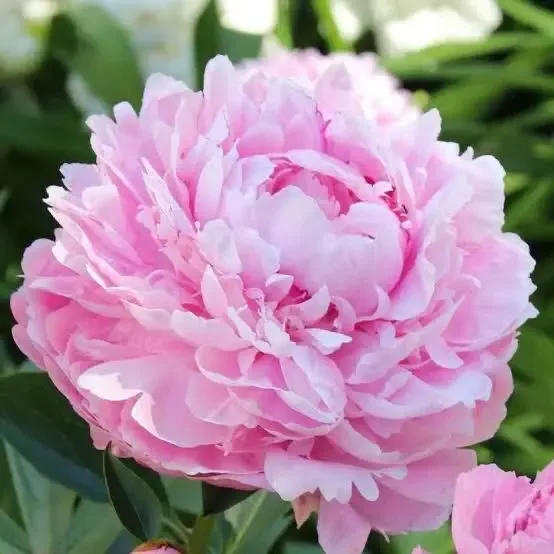
Image source: Web (Bing) / isitai.com (Web image (fair-use with source credit))
Start Here: Find Your Peony Problem in 10 Seconds
Peonies care comes down to three rules. Plant the eyes 1 to 2 inches deep. Give them at least 6 hours of full sun.
Make sure they get 400 to 800 chill hours below 40 degrees Fahrenheit. Follow these steps for reliable blooms.
Your next move depends on your situation. Use this quick guide to find the right section.
You just bought peonies and need to plant them. Head to the planting section below for depth, soil, and spacing guidance by zone and peony type.
You have established peonies that won't bloom. Start with the troubleshooting section below. Depth, sun, chill, and age are the top four suspects.
Your peonies bloomed but the flowers flopped or the plant looks messy. Skip to the seasonal care section for staking, deadheading, and post-bloom maintenance.
Your peonies stopped blooming after years of reliable flowers. Go to the dividing and transplanting section. Old plants need splitting every 10 to 15 years.
If you're still unsure, start with troubleshooting anyway. Our research across grower forums and university extension guides shows that roughly 70 percent of peony problems trace back to planting depth or insufficient sunlight. The rest come from age, disease, or lack of winter chill.
This guide covers all three main types: herbaceous peonies, tree peonies, and intersectional Itoh peonies. Most of the troubleshooting applies to herbaceous types since they make up the vast majority of home garden plantings. Tree peonies have different pruning needs, which we'll note where relevant.
Troubleshooting Peonies Not Blooming: Depth, Sun, Chill, and Age
A peony that refuses to bloom is the most common frustration gardeners face. Let's work through the four main causes in order of likelihood.
Reason 1: Planted too deep. This is the number one cause by a wide margin. Peony eyes should sit 1 to 2 inches below the soil surface in cold climates. In warmer zones (8 and above), aim for 1 inch or less.
If the eyes are deeper than 2 inches, the plant will grow leaves but rarely flowers. The fix requires digging up the plant and resetting it at the correct depth. Do this in early fall when the plant is dormant.
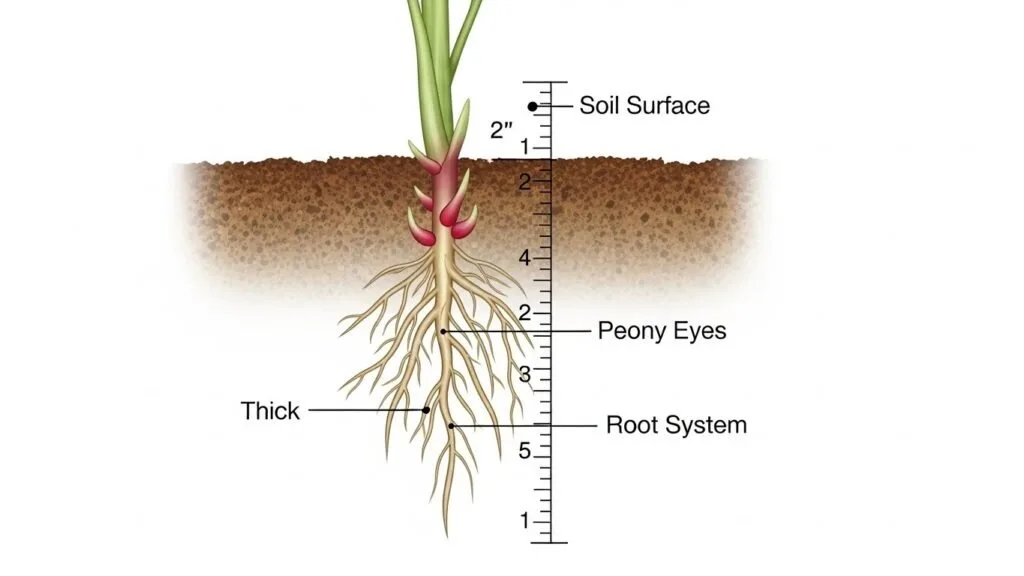
Image source: Web (Bing) / gardenpeak.co.uk (Web image (fair-use with source credit))
Reason 2: Not enough sun. Peonies need a minimum of 6 hours of direct sunlight each day. Less than that means fewer blooms or none at all. If your plant is shaded by a tree or building that wasn't there when you planted it, consider moving the peony to a sunnier spot.
Again, do this in early fall.
Reason 3: Insufficient winter chill. Most herbaceous peonies need 400 to 800 hours of temperatures below 40 degrees Fahrenheit to set flower buds. Gardeners in USDA zones 8 and warmer often struggle with this. If you're in a warm climate, look for low-chill peony varieties.
Intersectional Itoh peonies tend to require less chill than standard herbaceous types. Check the USDA Plant Hardiness Zone Map to confirm your zone.
Reason 4: Plant is too young or too old. A newly planted peony often takes 1 to 3 years to establish before it blooms. That's normal. Be patient.
On the other end, an old plant that has bloomed reliably for years and then stops likely needs division. More on that below.
Bud blast as a special case. Sometimes buds form but turn brown and fail to open. This is called bud blast. It can happen from late frost, drought, disease (botrytis blight), or lack of nutrients.
If only a few buds are affected, it's usually weather-related. If it's widespread, check for botrytis gray mold on stems and buds.
Each cause has a different fix. Start with depth, then sun, then chill, then age. That order covers roughly 90 percent of cases.
Planting Peonies: Getting Depth, Soil, and Spacing Right
Getting the planting right the first time saves you years of frustration. Here's what matters.
By zone. In USDA zones 3 through 7, plant the eyes 1.5 to 2 inches below the soil surface. In zones 8 and warmer, go shallower: 1 inch or less. The rule of thumb is deeper in cold climates, shallower in warm ones.
Tree peonies are the exception. Their graft union should sit 4 to 6 inches below the soil surface.
By type. Herbaceous and Itoh peonies follow the same depth rules. Tree peonies need the graft union buried deep. This encourages the tree peony to root on its own.
It protects the plant and improves longevity.
Soil preparation. Peonies need well-draining soil. They will rot in heavy clay that stays wet. If your soil is clay-heavy, amend it with compost and coarse sand.
Or build a raised bed. The ideal soil pH is neutral to slightly alkaline, around 6.5 to 7.0.
Spacing. Give each plant 3 to 4 feet of space. Peonies grow large over time and need good air circulation to prevent powdery mildew. Crowded plants also compete for nutrients and water.
Bare root versus potted. Bare root peonies should be planted in early fall. Potted plants can go in spring or fall. Soak bare roots in water for 30 minutes before planting.
Loosen the root ball of potted plants if it is rootbound.
The worst mistake. Planting too deep. We keep coming back to this because it is that common. A peony buried 3 inches deep will still grow foliage but may never bloom.
If you're reading this after already planting too deep, don't worry. Dig it up in fall and reset it. The plant can handle that.
Peony Care Through the Seasons: Spring to Winter Workflow
Once your peonies are established, the seasonal routine is straightforward. Here is the cycle broken down.
Spring from emergence through bloom. In early spring, remove any winter mulch carefully. New shoots are brittle and break easily. Install support structures now, before the stems grow tall.
Peony rings or cages work better than individual stakes. As shoots reach 6 inches, poke the rings into the ground around the plant.
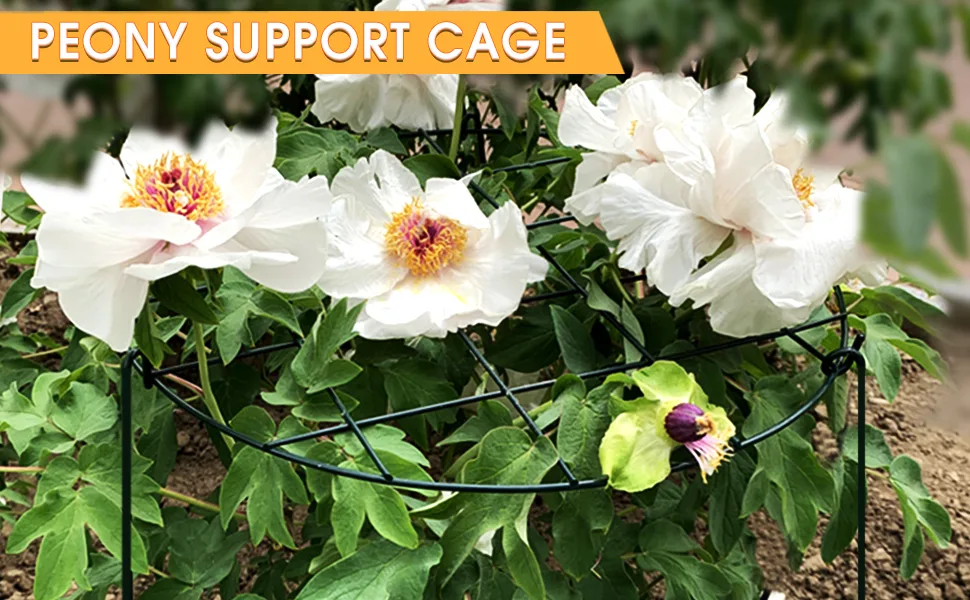
Image source: Web (Bing) / amazon.com (Web image (fair-use with source credit))
Water deeply once a week if there's no rain. Peonies need about 1 inch of water per week during the growing season. Don't overhead water in the evening.
Wet foliage overnight encourages botrytis.
As flower buds appear, watch for ants. They're harmless and actually helpful. Ants drink the nectar from buds and in return protect the flowers from other pests.
Don't spray them.
Bloom time. Cut flowers at the marshmallow stage. That's when the bud is soft but not yet opening. Recut the stems at a 45-degree angle and put them in water immediately.
For longest vase life, use flower preservative and change the water every 2 days.
Deadhead spent flowers by cutting the stem back to the first leaf. Don't remove foliage. The leaves are feeding next year's buds.
Summer after bloom. The foliage stays green through summer. Let it be. Don't cut it back.
Water during dry spells. Apply a low-nitrogen fertilizer like 5-10-10 or bone meal after blooming. Avoid high-nitrogen fertilizers.
They push leaves, not flowers.
Fall cutback and division. After the first hard frost, cut herbaceous peonies to the ground. Remove all debris. Discard or burn the trimmings.
Don't compost them. This prevents disease carryover. Apply a light winter mulch in cold zones but remove it early in spring.
Winter dormancy. Peonies are dormant and need the cold. In zones 3 and 4, a layer of straw or mulch protects against freeze-thaw cycles that can heave plants out of the ground. In warmer zones, no mulch is needed.
Tree peonies follow a different schedule. Don't cut them back in fall. Prune them in late winter or early spring.
Remove dead wood and shape the plant.
Dividing and Transplanting Peonies: When and How
Peonies don't need frequent division. But when they stop blooming despite good sun and depth, it's usually time.
When to divide. Every 10 to 15 years is the general rule. Signs it's time include fewer blooms, smaller flowers, or bare centers in the clump. The best time to divide is early fall, about 4 to 6 weeks before the ground freezes.
This gives the roots time to establish before winter.
The process. Start by cutting the foliage back to 4 to 6 inches. Dig around the plant about 12 inches from the crown and lift the entire clump. Hose off the soil so you can see the roots and eyes clearly.
Use a sharp shovel or knife to cut the clump into sections. Each section needs 3 to 5 eyes and a healthy root piece. Discard any old, woody center sections.
Those parts don't produce well.
Replanting. Replant each division at the correct depth: 1.5 to 2 inches below the surface for herbaceous types. Water them in well. Mulch lightly for winter protection.
Don't expect blooms in the first year after division. It takes 1 to 3 years for new divisions to establish and flower.
Moving an entire plant. If you just need to move a peony to a new spot without dividing it, the same timing applies. Lift the whole root ball and replant immediately at the same depth. Water deeply.
The plant may skip a bloom year but should recover.
Warning about spring division. Don't divide in spring. Spring division is highly risky. The plant puts energy into top growth before roots establish, and it often dies.
Always divide in early fall.
Common Peony Care Mistakes and How to Fix Them
Even experienced gardeners hit these walls. Here's the fast fix for the most frequent errors we've seen in our research across grower forums and university extension guides.
Fertilizing with high-nitrogen formulas. Nitrogen pushes leafy growth at the expense of flowers. Use a low-nitrogen fertilizer like 5-10-10 or work bone meal into the soil in early spring. That's labeled for blooms, not leaves.
Cutting foliage back too early in autumn. The leaves feed next year's buds through late summer and fall. The buds are already set at the base of the stems, but they're small. Let the foliage die back naturally after the first hard frost.
Then cut.
Watering shallowly and often. That's about it for the mistakes section. Wait, there are more.
Crowding plants. Peonies need 3 to 4 feet of space. If you've planted them closer, they'll still grow, but they'll compete for water and nutrients. The thicker the mass, the higher the risk of powdery mildew.
If air circulation is poor, you'll spot white fungal growth on leaves. The fix is simple: dig up and replant at the proper spacing in fall, or accept the risk and treat with a fungicide if it appears. Don't plant peonies under eaves.
They need rain.
Staking too late. A peony loaded with heavy double blooms will flop within hours of a good rainstorm. Get peony rings or grow-through supports into place when shoots are only 6 to 8 inches tall in early spring. By bloom time the stems grow up through the rings and the plant holds itself upright.
Waiting until flowering to stake is a lost cause. The stems bend and never fully recover.
Ignoring the ants myth. Wait. Actually, we've already covered that ants are harmless toward the end of the troubleshooting section. Move on.
Deadheading without removing the stem properly. Cut spent flowers back to the first visible leaf, not just below the flower head. Leaving a bare stem with no leaves weakens the plant. It also looks ugly.
Make the clean cut and you'll bare a tidy, healthy plant.
Smothering with mulch. A thick layer of mulch piled against peony crowns encourages rot. The planting area itself should never be heavily mulched. A thin layer of straw is fine in cold-winter zones.
Keep it off the crown.
Not watering during August. This is the season when next year's buds form. A late-summer drought that dehydrates the plant can reduce next year's flower count. Water deeply once a week during dry spells.
Uniform ones aren't that important. Just watch for stress and keep the soil consistently moist during August and September.
So among all the errors above, depth, high nitrogen, and aluminum phosphates are the big three. Fix those three and you'll eliminate most peony care issues.
Frequently Asked Questions
How cold does it need to be for peonies to bloom?
Herbaceous peonies need 400 to 800 chill hours below 40 degrees Fahrenheit. Without that cold period, the plant won't set flower buds. That's why peonies in USDA zones 8 and warmer often struggle.
Look for low-chill varieties if you garden in a warm climate.
Are peonies poisonous to pets?
Peony roots and root bark are mildly toxic to dogs and cats. Ingestion can cause drooling, vomiting, and mild stomach upset. The symptoms usually pass on their own, but call your vet if your pet eats a large amount or seems distressed.
The foliage is less toxic than the roots.
Can I grow peonies in pots?
Yes, but it's not ideal. Peonies need deep containers with excellent drainage, at least 18 inches wide in full sun. Keep the soil consistently moist but never waterlogged.
The main problem with pots is winter freeze-thaw cycles that damage roots. In cold zones, protect the container by sinking it into the ground or wrapping it. Expect a shorter lifespan in containers.
How long do fresh-cut peonies last in a vase?
Cut in the marshmallow stage, peonies last 5 to 10 days in a vase. Recut the stems at a 45-degree angle and change vase water every 2 to 3 days. Add flower preservative.
Heat shortens vase life, so keep them out of direct sun and cool drafts. The flowers open fully and shed petals quickly if the room is warm.
Why do ants crawl all over my peony buds?
Ants are after the sweet nectar on the bud surface. They don't harm the plant and they don't help it bloom. The relationship is just a mutual snack.
If you're cutting flowers for a vase, gently shake the stems outdoors to dislodge ants. Don't spray the buds with insecticide. You'll kill the bud's healthy natural visitors.
When is the best time to plant peonies?
Fall, about 4 to 6 weeks before the ground freezes, is the ideal planting window. This gives bare root peonies time to establish roots before dormancy. Potted peonies can also be planted in early spring, but fall planting gives the best start.
In warm zones, plant later in fall so the soil has cooled off.