If you share your home with a cat or dog, finding genuinely pet friendly houseplants feels like navigating a minefield of conflicting labels. One website says a plant is safe, another calls it deadly. And the tag from the nursery might say "non-toxic" without telling you what that actually means.
According to the ASPCA Animal Poison Control Center, which handles over 400,000 cases annually, plant ingestion is one of the top five reasons pet owners call in a panic. The problem isn't just which plants you choose, but how you interpret safety information in the first place. So let's break down what "pet safe" really means and which houseplants you can trust.
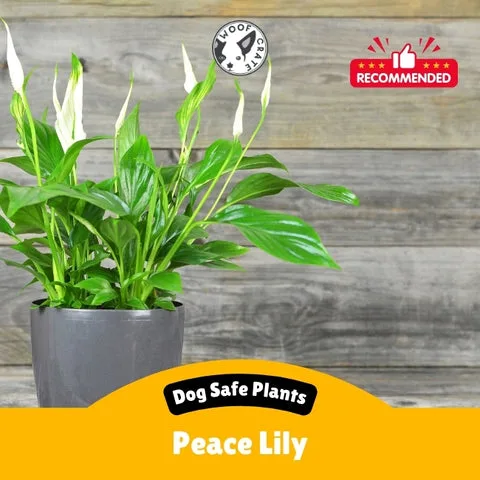
Image source: Bing (Web (fair-use with source credit))
Quick Answer
The most trustworthy pet friendly houseplants include true palms, Calatheas, Peperomias, Hoyas, Spider Plants, and Boston Ferns. Avoid all true lilies, Sago Palms, Pothos, and Dieffenbachia. Check the scientific name against the ASPCA database before buying.
Even non-toxic plants can cause vomiting if eaten in large amounts.
Why "Pet Safe" Is the Most Dangerous Label in the Plant Store
What "non-toxic" actually means (and what it doesn't)
The word "non-toxic" on a plant tag is not a guarantee. It usually means the plant won't cause organ failure or death. But it can still cause vomiting, diarrhea, or oral irritation.
Think of it like a spicy pepper. It won't kill you. But it will make you miserable for a while.
For a 10-pound cat, even mild irritation can lead to dehydration if they stop eating or drinking.
The ASPCA defines toxicity in clear categories. Severe means organ damage or death. Moderate means prolonged vomiting or diarrhea.
Mild means temporary drooling or stomach upset. Most plants labeled "pet safe" fall into the mild category. That distinction matters more than most people realize.
How marketing labels and big-box tags can mislead you
Big-box retailers often label plants as "pet friendly" based on incomplete information. A plant may be safe for dogs but toxic to cats. The label might ignore the fact that the plant was treated with systemic pesticides.
Systemic pesticides are absorbed into the plant's tissues. Even if the plant itself is non-toxic, those chemicals can be harmful to your pet. Our research shows that many popular houseplants from major growers are treated with neonicotinoids.
These compounds are linked to neurological issues in pets.
Look for a systemic insecticide mention on the pot tag. Ask the nursery directly. If they cannot confirm, assume the plant has been treated.
The safest approach is to ignore the marketing label entirely. Use the scientific name and verify against a reliable source. That is the only way to be sure.
The Green Light List: Houseplants You Can Actually Trust
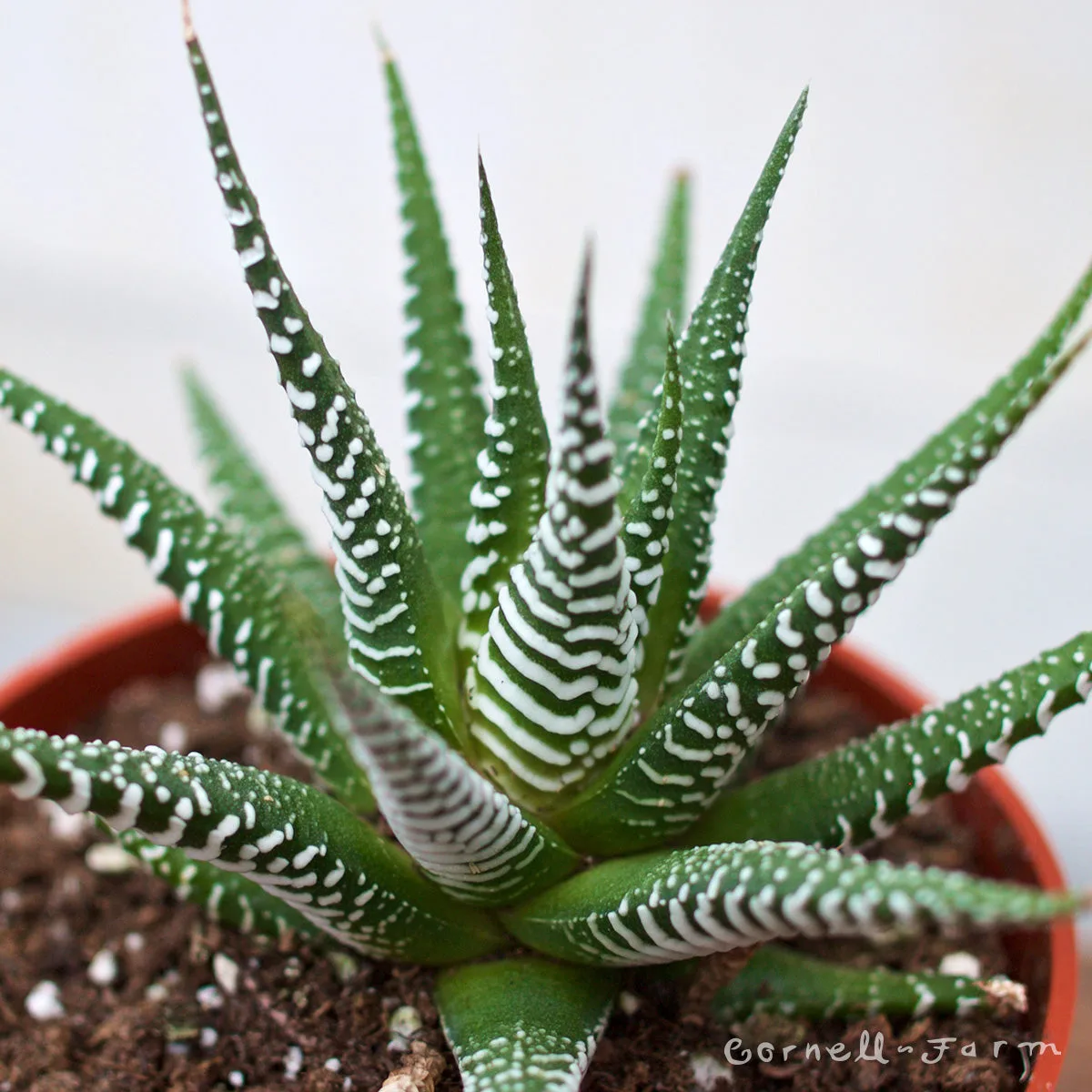
Image source: Web (Bing) / cornellfarms.com (Web image (fair-use with source credit))
These plants have been verified by the ASPCA Animal Poison Control Center as non-toxic to cats and dogs. They cause no more than mild digestive upset if eaten, and only in large quantities.
Palms, Ferns, and Prayer Plants
True palms like Areca, Parlor, and Ponytail palms are completely safe. Boston Ferns and Bird's Nest Ferns are excellent options too. Calatheas and Marantas (prayer plants) have broad, attractive leaves and zero toxicity risk.
Succulents That Pass the Test
Most succulents are not safe. Echeveria, Graptopetalum, and Sempervivum are fine. But Haworthia is the safest bet.
It looks like an aloe (which is mildly toxic) but contains no saponins or anthraquinones. The Zebra cactus is a variety of Haworthia and equally safe.
Trailing and Tabletop Options
Peperomia comes in dozens of varieties, all safe. Hoya (wax plant) has waxy leaves that most pets ignore. Pilea peperomioides (Chinese money plant) is non-toxic and easy to propagate.
Spider plants are safe, though cats find them irresistible and may vomit from overeating.
| Plant | Light | Water | Pet Risk Level |
|---|---|---|---|
| Areca Palm | Bright indirect | Moderate | None |
| Calathea | Low to medium | Keep moist | None |
| Haworthia | Bright direct | Low (succulent) | None |
| Peperomia | Medium indirect | Moderate | None |
| Spider Plant | Bright indirect | Moderate | Very mild |
The Red Light List: Plants That Belong Nowhere Near Pets
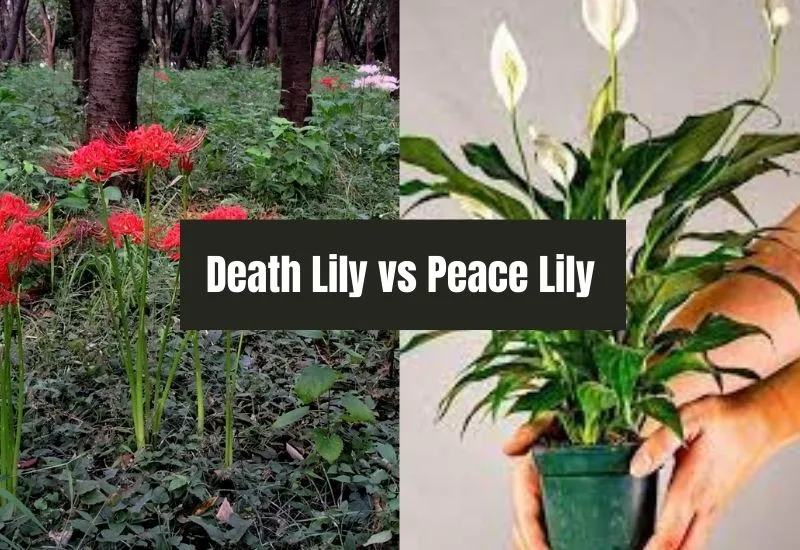
Image source: Web (Bing) / gardeningflow.com (Web image (fair-use with source credit))
These plants are responsible for the highest number of emergency vet visits. Some cause mild irritation. Others can kill within hours.
True Lilies vs Peace Lilies: A Deadly Difference
True lilies (Lilium and Hemerocallis species) are the most dangerous houseplant for cats. Ingesting a single petal, leaf, or even pollen can cause acute kidney failure. Peace lilies (Spathiphyllum) are different.
They contain calcium oxalate crystals that cause oral irritation and swelling but not kidney failure.
Many cat owners confuse the two. The result is a delayed response when the cat eats a Peace Lily. They assume it is safe, or they assume it is deadly.
Neither is correct.
The "Everywhere" Plants You Need to Know
Pothos (devil's ivy) is one of the most common houseplants. It causes oral irritation, drooling, and vomiting. Dieffenbachia (dumb cane) has large oxalate crystals that can swell the throat.
Sago Palm is not a true palm. It contains cycasin, a toxin that causes liver failure in dogs and cats.
ZZ Plant, Philodendron, and Aloe Vera are also on the red list. Aloe causes vomiting and diarrhea. ZZ Plant causes mild irritation but its popularity means more incidents.
Hidden Danger in Cut Flowers
Bouquets often contain toxic plants like Lilies, Tulips, and Daffodils. Even a small amount of pollen from true lilies can be fatal to a cat. Always check the flowers in a bouquet before bringing them home.
Remove any toxic stems immediately.
Only the Toxicity Matters? The Pet Factors That Decide Real Risk
Toxicity is only half the equation. The other half is your pet's behavior, size, and species. A plant that is safe for a 70-pound dog might cause problems for a 8-pound cat.
Cat vs Dog vs Rabbit
Cats are more sensitive to certain toxins because their livers lack specific enzymes. True lily toxicity is unique to cats. Dogs rarely react to lilies with more than mild stomach upset.
Rabbits and guinea pigs are different again. They chew constantly and have sensitive digestive systems. Even safe plants can cause blockages if eaten in large amounts.
For small herbivores, it is often better to avoid loose soil and plant matter entirely.
The Chewer vs the Grazer
Some pets are chewers. They bite leaves, spit them out, and move on. These pets get a small dose and usually avoid serious issues.
Other pets are grazers. They eat steadily until the plant is gone.
Grazers are at higher risk even with safe plants. A cat that eats half a spider plant will vomit for several hours. A dog that consumes an entire Peperomia might block their digestive tract.
Which Parts Are Dangerous
Toxins are not evenly distributed. Bulbs (like Tulips and Daffodils) concentrate the most toxic compounds. Roots and tubers are also high in saponins and oxalates.
Leaves and stems are usually lower in concentration, but the pet can eat more of them.
Pollen from true lilies is potent enough to cause kidney failure if a cat grooms it off their fur. That is a risk many owners never consider.
A Pet-Safe Setup That Doesn't Rely on Luck
Setting up a home where pets and plants coexist safely requires more than just buying the right species. You need to verify, place, and redirect.
Verify Before You Buy
Always check the scientific name against the ASPCA database. Common names are unreliable. "Lily" can refer to a dozen different plants with wildly different toxicity levels.
Take a photo of the nursery tag. Look up the genus and species. If the plant is labeled only by common name, ask the staff for the scientific name.
If they cannot provide it, do not buy the plant.
Placement Strategies
Cats can jump. Dogs can dig. Rabbits can climb.
Placement matters more than the plant's toxicity level.
Hanging planters work well for trailing plants like Hoyas and Peperomias. Heavy pots on high shelves prevent tipping. Terrariums with lids protect both the plant and the pet.
For persistent chewers, consider a dedicated plant room or a cabinet with glass doors. Many people use modified IKEA cabinets for this purpose.
Cat Grass and Behavioral Redirects
Cats that crave greens will eat whatever is available. The solution is to provide a safe alternative. Cat grass, which is wheatgrass or oat grass, is easy to grow and completely safe.
Place the cat grass near your other plants. Praise the cat when they choose the grass. Over time, they will learn to graze there instead of your Calathea.
For dogs, bitter apple spray on plant leaves can deter chewing. It must be reapplied after watering. It does not work for every dog, but it is worth trying before giving up on a plant.
Emergency Playbook: What to Do in the First 30 Minutes
Even with the safest setup, accidents happen. Pets are clever. Plants get knocked over.
Leaves get chewed.
The difference between a minor scare and a crisis often comes down to what you do in the first half hour. Here is exactly what to do.
Stay Calm and Identify the Plant
Panic leads to mistakes. Take a breath. Find the plant that was eaten.
Look for the nursery tag or a photo of the plant.
Write down the scientific name if you have it. Do not guess based on common names. "Lily" is not specific enough.
Assess the Situation Honestly
How much did they eat? When did it happen? What is your pet's size?
A 60-pound dog that nibbled one leaf of a Philodendron will likely have mild drooling. An 8-pound cat that ate half a Peace Lily needs immediate attention. The dose relative to body weight is more important than the plant name alone.
Call the Right Number
The ASPCA Animal Poison Control Center (888-426-4435) charges a consultation fee but provides expert guidance 24/7. The Pet Poison Helpline (855-764-7661) is a separate service with a similar fee.
Call your regular vet first if it is during office hours. They know your pet's medical history. If they are closed, call the poison hotline.
Do not wait for symptoms to appear.
What to Say on the Call
Give them the plant name, the amount eaten, the time since ingestion, and your pet's breed, age, and weight. Describe any symptoms you already see.
Follow their instructions exactly. Do not induce vomiting unless they tell you to. Some plants cause more damage coming back up than staying down.
What Not to Do
Do not give milk, water, or food unless instructed. Do not wait to see if symptoms develop. Do not try home remedies like hydrogen peroxide without explicit guidance.
Call first. Act second.
Real Vet-Backed Answers to Common Pet-Plant Questions
My cat ate a spider plant should I worry?
Probably not. Spider plants are non-toxic. But cats find them mildly hallucinogenic, similar to catnip.
Your cat may vomit if they ate a lot. Remove the plant and offer water. Call your vet if vomiting continues for more than a few hours.
Are air-purifying plants safe for pets?
Most air-purifying plants from the NASA study are not safe for pets. That list includes Peace Lilies, English Ivy, and various Philodendrons. Safer alternatives with similar benefits include Areca Palms, Boston Ferns, and Spider Plants.
What do I do if I caught my dog chewing a Peace Lily?
Rinse their mouth with water. Offer a small amount of yogurt or milk to bind the oxalate crystals. Watch for pawing at the mouth, drooling, or swelling.
Call your vet if symptoms appear within two hours.
Is aloe vera safe for dogs?
No. Aloe vera contains saponins and anthraquinones that cause vomiting, diarrhea, and lethargy in dogs. The gel inside the leaves is less toxic than the latex layer just under the skin.
But it is safest to avoid it entirely.
How do I stop my cat from eating my houseplants?
Provide cat grass as a safe alternative. Place plants in hanging planters or high shelves. Use bitter apple spray on leaves.
Reward your cat when they choose the grass. Consistency over several weeks usually breaks the habit.