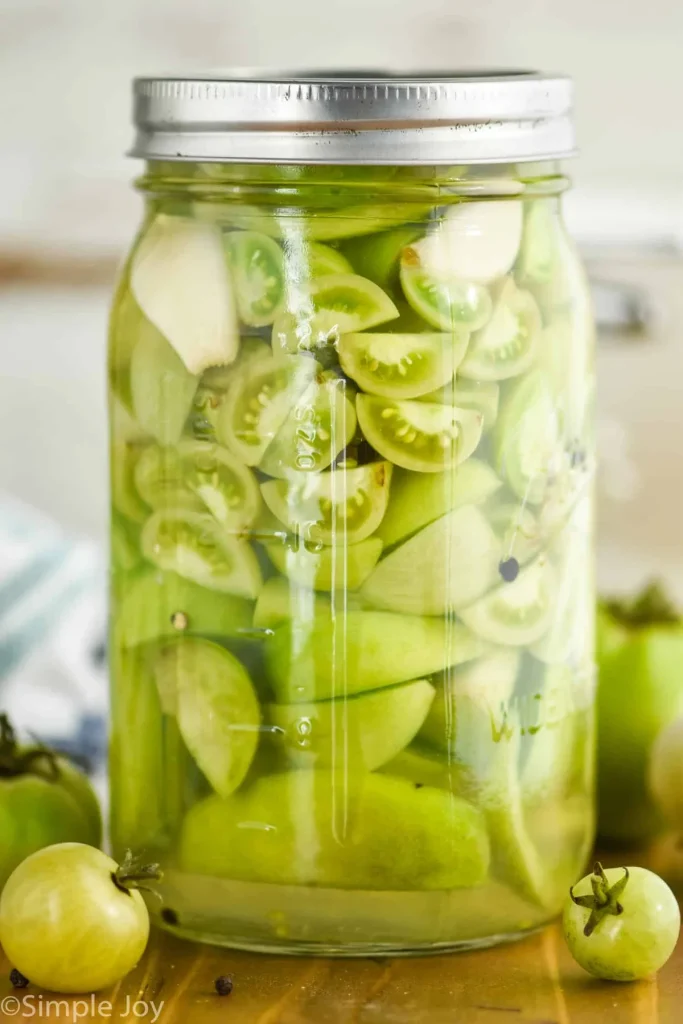
Pickled green tomatoes are one of the best ways to rescue the unripe tomatoes sitting on your counter at the end of the season. They turn tart, firm fruit into a crisp, tangy snack that can sit in your pantry for months. But unlike quick fridge pickles, canning the shelf-stable kind comes with real food-safety rules.
Get the acidity wrong, and you're not just wasting a batch. You're risking botulism.
Food safety guidance from the National Center for Home Food Preservation is clear: water-bath canning requires a pH of 4.6 or lower, and tomato acidity can vary. That's why tested recipes rely on 5% vinegar and acidification. We're walking through what actually matters in 2026, from pH basics to processing times, so your first batch turns out safe and delicious.
Quick Answer
Pickled green tomatoes are unripe tomatoes preserved in an acidic brine. The process uses vinegar with 5% acidity. You water-bath can them so they stay shelf-stable for up to a year.
The key safety rule is keeping the pH below 4.6. Refrigerator pickles are a faster, smaller-batch alternative.
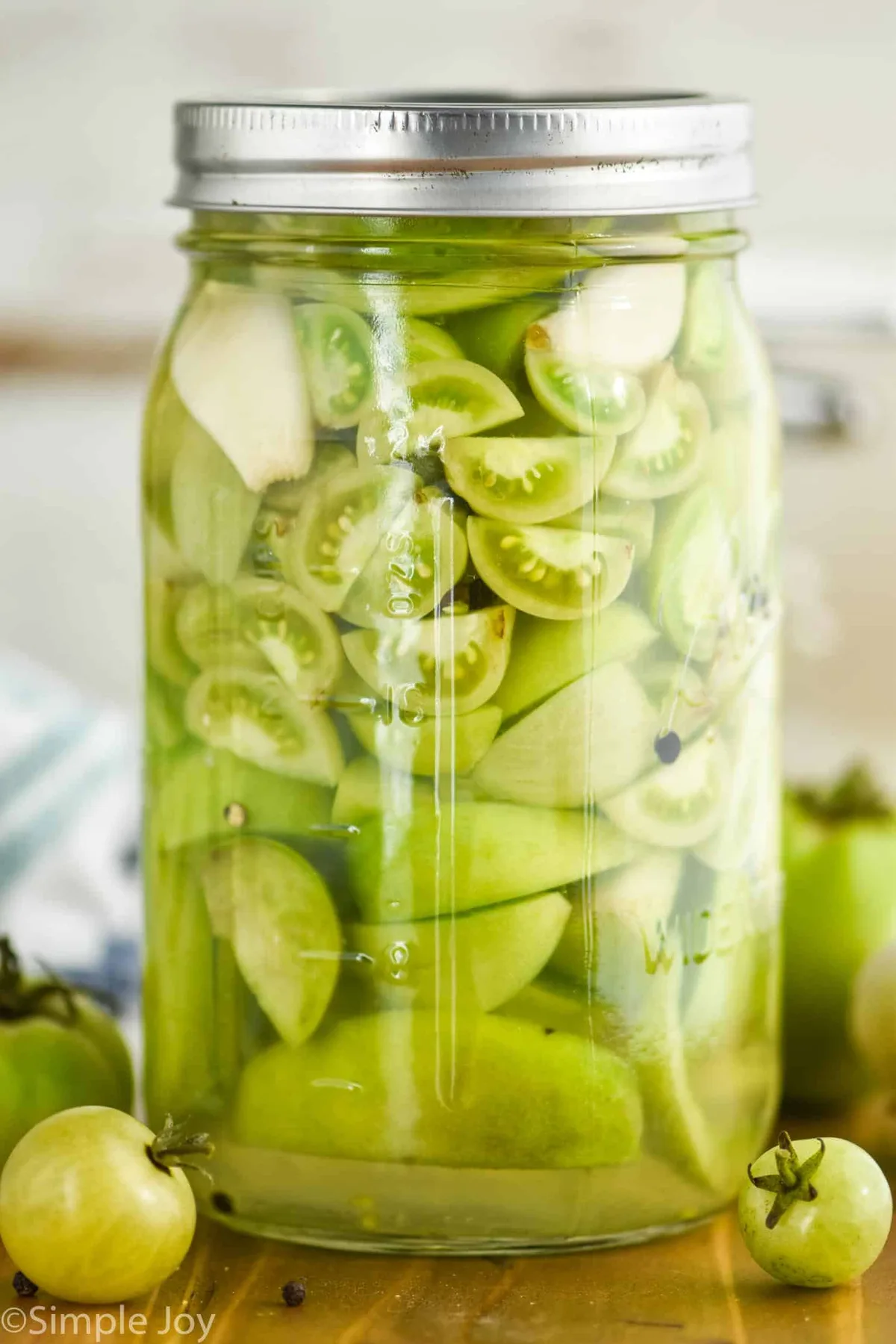
Image source: Web (Bing) / simplejoy.com (Web image (fair-use with source credit))
Why Getting This Right Matters More Than a Great Recipe
A good recipe matters. But with pickled green tomatoes, safety comes first. Botulism is rare.
It's also serious, and it thrives in low-oxygen jars. A heat-processed jar with the wrong acidity is exactly the environment C. botulinum spores love.
The science behind this is not up for debate. The USDA and the National Center for Home Food Preservation both state that low-acid foods must be pressure canned. Green tomatoes are right on the edge.
Some are acidic enough, but commercial tomato varieties have been bred with higher pH. That makes tested recipes and pH monitoring non-negotiable.
Here's what that means in practice:
- Use a tested recipe from a trusted source.
- Use vinegar with 5% acetic acid.
- Never dilute the brine beyond the recipe's final ratio.
- Process jars in a water-bath canner for the full time.
- Check your altitude and adjust processing time.
If those steps sound like extra work, that's because they are. That small effort is what separates a pantry staple from a dangerous mistake. It's also why we're not giving you a loose "wing it" recipe.
We want you to understand the reasons behind each step, so you can trust every jar you open.
As of 2026, home canning is more popular than ever. And with that popularity comes a lot of questionable advice online. Sticking to the official guidelines keeps you on the safe side.
It also keeps the pickles crunchy and delicious.
The One Thing That Makes or Breaks Safe Pickled Green Tomatoes: Acidity
Acidity is the whole ballgame. If your brine has a pH of 4.6 or lower, C. botulinum can't grow in the jar. If it's higher, you're gambling.
That single number separates safe canned food from a potential health risk.
Green tomatoes are tricky because their acidity isn't consistent. They're less acidic than ripe tomatoes in many cases. Soil, variety, and ripeness all affect pH.
This is why the USDA requires acidification for all tomato canning, even ripe ones. The official guidance says to add bottled lemon juice or citric acid to every jar. The lemon juice raises acidity even when the tomatoes don't cooperate.
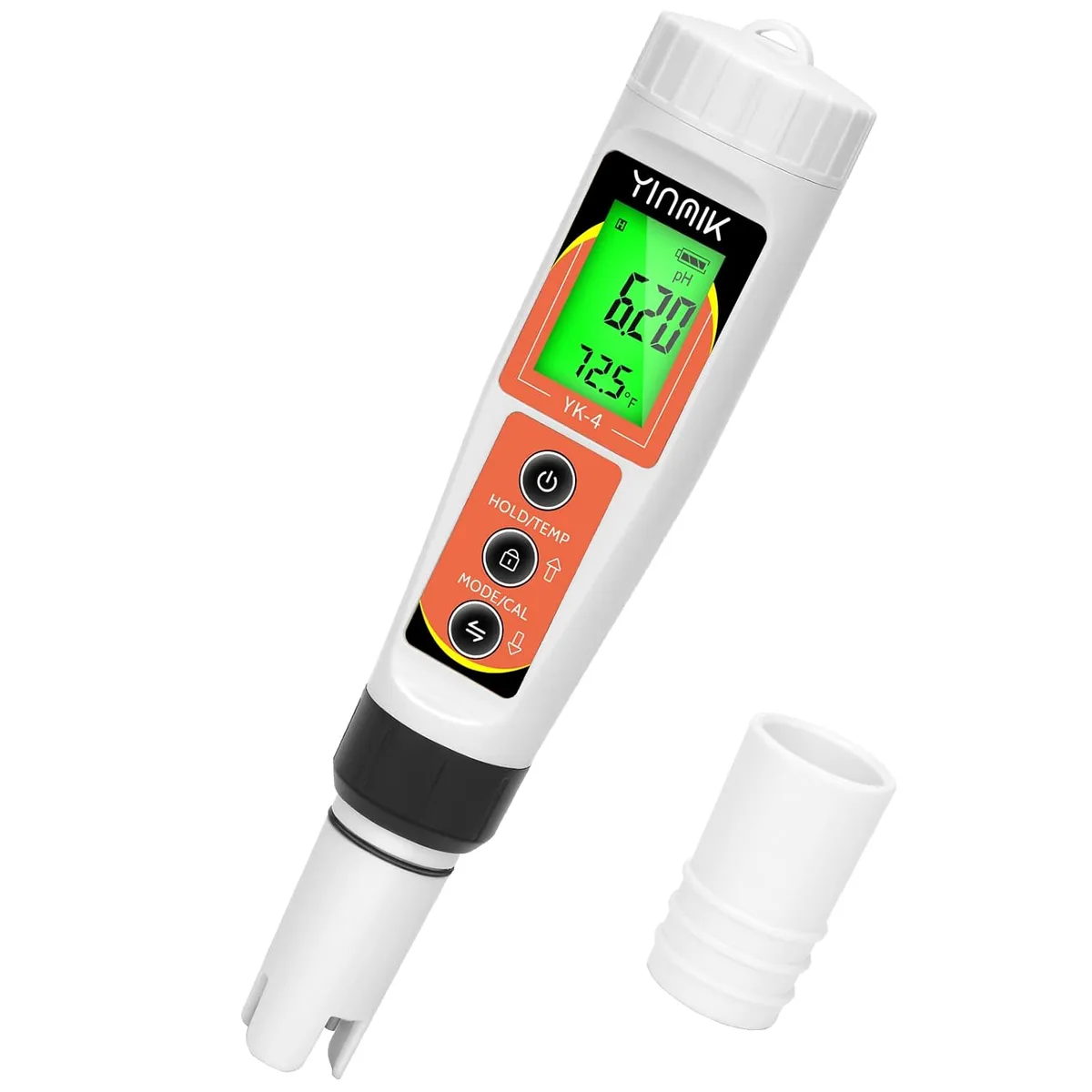
Image source: Web (Bing) / amazon.ca (Web image (fair-use with source credit))
Your vinegar choice matters too. Pickling, canning, and distilled white vinegars labeled 5% acidity are the safe standard. Don't use homemade vinegar or any bottle without an acidity percentage.
In our research, recipes that call for equal parts vinegar and water are safest. Some flavor-first recipes dilute too far. That can push the pH above 4.6.
What does acidification look like in a jar? Usually, it's a tablespoon of bottled lemon juice per pint jar. Or 1/4 teaspoon citric acid.
Using a pH meter or pH strips is a good double-check for beginners. If you're following a tested recipe, don't adjust the amount of acid. The National Center for Home Food Preservation has step-by-step guides for safe water-bath canning.
Your Step-by-Step Guide to Water-Bath Canning Green Tomatoes
Once you've confirmed you're using a tested recipe, the process is straightforward. You'll need a water-bath canner, jars, lids, a jar lifter, and a clean kitchen towel. Lay everything out before you start.
Canning moves fast once the brine is boiling.
Here's the workflow that works for most batches:
- Wash firm green tomatoes. Remove stems and any soft spots. Slice or halve them, depending on your recipe.
- Prepare your brine. Boil vinegar, water, salt, and sugar according to the recipe. Keep the ratio exact.
- Pack tomatoes into hot jars. Add garlic, dill, peppercorns, or other spices.
- Add acidification if your recipe calls for it. That's usually lemon juice or citric acid.
- Pour hot brine over the tomatoes. Leave 1/2-inch headspace.
- Wipe the jar rims. Wipe them clean, unless you want seal failures.
- Place lids and bands. Tighten them to fingertip tight.
- Process in the water-bath canner. Boiling water must cover the jars by 1 to 2 inches.
- Cool and test seals. You should hear the lids pop.
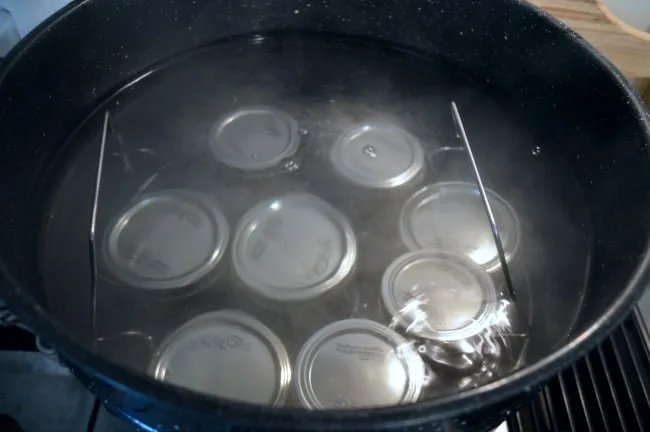
Image source: Web (Bing) / anoregoncottage.com (Web image (fair-use with source credit))
A quick reference for processing times:
| Jar size | Processing time (below 1,000 ft) |
|---|---|
| Pints | 10 minutes |
| Quarts | 15 minutes |
Remember to adjust for altitude. Above 1,000 feet, add more time. Check your local extension office for the exact chart.
And after processing, let jars sit undisturbed for 12 to 24 hours.
Common Mistakes That Can Ruin Your Batch (Or Make It Dangerous)
If you know what goes wrong, you can avoid it. Here are the mistakes we see most often, both in online forums and in canning communities.
Diluting the vinegar. Adding extra water to soften the flavor drops your acidity. If the pH goes above 4.6, water-bath canning is no longer safe. Stick to the tested ratio.
Using a fridge pickle recipe for canning. Refrigerator pickles are not processed in a boiling-water bath. They haven't been designed for shelf stability. If you can them anyway, you get uncertain acidity and unsafe jars.
Packing overripe tomatoes. Green tomatoes should be firm and fully mature green, not tiny or starting to turn red. Overripe fruit turns mushy and can change pH levels.
Skipping the acidification step. A splash of lemon juice feels optional in a cucumber recipe. For tomatoes, it's mandatory. The USDA says to add acid to every jar.
Filling the jars too full. Too little headspace interferes with vacuum sealing. Too much leaves a foam ring and can cause siphoning. Use the recipe's headspace.
Checking the seal too soon. You won't get a reliable result if you tip the jars or push the lids right away. Let them cool slowly, then press the center of each lid. A flat, immobile lid means the seal worked.
If a jar didn't seal, refrigerate it and eat the pickles within a few weeks. Don't reprocess unless you've caught it quickly. This is also where good labels help: write the date and the recipe on every lid.
Refrigerator Pickles vs. Canned Pickles: Which One Is Right for You?
Maybe you don't need a pantry full of jars. Refrigerator pickles are a faster, simpler route. But the two aren't interchangeable.
Here's how to choose.
Canned water-bath pickles are processed in boiling water. They're shelf-stable for up to a year. They need strict acidity rules and a tested recipe.
Best for end-of-season harvests and long-term storage. If you have ten pounds of green tomatoes, this is your answer.
Refrigerator pickles skip the canner. You pack tomatoes, pour hot or cold brine over them, then store them in the fridge. They stay crisp and bright.
But they last only 1 to 2 months. Best for a small batch that disappears quickly, no special equipment beyond a jar.
Let's stack them side by side.
| Factor | Water-bath canned | Refrigerator pickles |
|---|---|---|
| Shelf life | 12 months unopened | 1 to 2 months |
| Equipment | Canning pot, jars, lids | Just jars |
| Processing time | 10 to 15 minutes | None |
| Safety rules | pH below 4.6 | Less strict |
| Flavor | More mellow | Brighter, sharper |
If you're new to this, start with refrigerator pickles. They're forgiving and let you taste different spices. Once you find a flavor you love, scale it up to a tested canning recipe.
That path builds confidence without the risk.
If you're already comfortable with a water-bath canner, go straight for canned pickles. They make excellent gifts and free up fridge space. Just remember, the moment you switch from fridge to canner, the acidity rules change.
There is no safe shortcut around that.
Frequently Asked Questions
How long do pickled green tomatoes last?
Properly sealed and processed jars last up to 12 months in a cool, dark pantry. After opening, refrigerate them and use within 2 to 3 months. Refrigerator pickles without water-bath processing last only 1 to 2 months.
Always label jars with the date and recipe name.
What if my jar didn't seal?
Don't panic. The pickles are still safe to eat if you refrigerate them right away and use them within a few weeks. Some people reprocess within 24 hours using a fresh lid and clean jar.
That works if the jars were handled properly the first time.
Can I reuse the brine for a second batch?
Technically yes, but it's not recommended. The vinegar-to-water ratio and acid content are already measured for the first batch. Reusing diluted brine may push the pH above safe levels.
If you want to reuse it, treat it as a flavor starter, not as a complete canning liquid.
Do pickled green tomatoes need pressure canning?
No. Water-bath canning is sufficient because the final brine is high acid, below 4.6 pH. Pressure canning is required only for low-acid foods.
The key is using 5% vinegar and following a tested recipe with proper acidification.
Can I use ripe red tomatoes instead?
Yes, but the texture and flavor will differ. Ripe tomatoes break down faster and can turn mushy. They also have variable acidity, so you'd need the same acidification steps.
Stick with firm green tomatoes for the classic crunchy pickle.
Quick Decision Guide: Your Next Step Based on What You Have
If you're staring at a pile of green tomatoes, here's the simple path forward.
If you have a small batch under 5 pounds: Make refrigerator pickles. They're fast, forgiving, and don't require special equipment or strict acidity tracking. Enjoy them over the next month.
If you have a large harvest or want pantry storage: Commit to water-bath canning. Use a tested recipe, buy 5% vinegar, and plan for the full processing time. Double-check the pH if you're unsure.
If you're new to canning: Start with a tested recipe from a university extension or the National Center for Home Food Preservation. Don't improvise brine ratios. That's where most safety mistakes happen.
If you're experienced and want to experiment: Try adding spices like smoked paprika, red pepper flakes, or fresh horseradish. Keep the vinegar and water ratios unchanged. Flavor changes don't affect safety; acid levels do.
Pickled green tomatoes reward patience and precision. Follow the rules, trust the process, and you'll have crispy, tangy jars that last well into winter. When in doubt, err on the side of acidity and processing time.
That's the difference between a treat and a regret.



