Every year, thousands of poinsettias end up in the trash by mid-January. Not because they're bad plants, but because nobody told them how to live outside. Poinsettia outdoor care is actually straightforward once you learn a few temperature rules and the plant's natural cycle.
Poinsettias are native to Mexico, so they crave warmth and hate frost. University extension guides agree that the safe threshold is when night temperatures stay above 50°F. Below that, the plant goes into shock, drops leaves, and can die.
As of 2026, the USDA hardiness zone map is the best starting point for understanding your local risk. Let's walk through what this means for your specific plant.
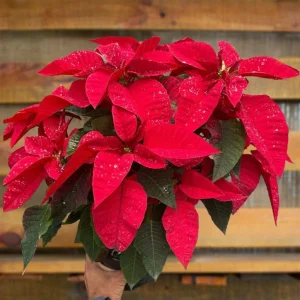
Image source: Web (Bing) / pexels.com (Web image (fair-use with source credit))
Problem / Pain Point
Most people fail at outdoor poinsettias because they treat them like hardy patio plants. They're not. A poinsettia is a tropical euphorbia that needs very specific conditions.
The biggest problems come from three common scenarios.
First, you move the plant outside too early in spring. One cold night below 50°F and the leaves curl fast. The plant goes into shock, and the bracts lose their color.
Second, you leave it out too long in autumn. The first light frost is usually fatal, turning the plant into black mush overnight. Third, you overwater once it's outside.
Garden soil drains differently, and watering on autopilot leads to root rot, especially if the pot sits in a saucer.
If you've ever watched a poinsettia wither within days, one of these was likely the cause. The good news is that all three are avoidable with a simple decision framework.
Condition Variables: The Three Things That Change Everything
Before you move any plant, ask yourself three questions. The answers determine exactly what you should do.
Your USDA Hardiness Zone
This is your first filter. Poinsettias survive outdoors year-round only in zones 9 through 11. Those regions have mild winters where frost is rare or nonexistent.
If you live in zones 8 or below, the plant must stay in a pot and come inside when temperatures drop. You can check your zone on the official USDA plant hardiness map.
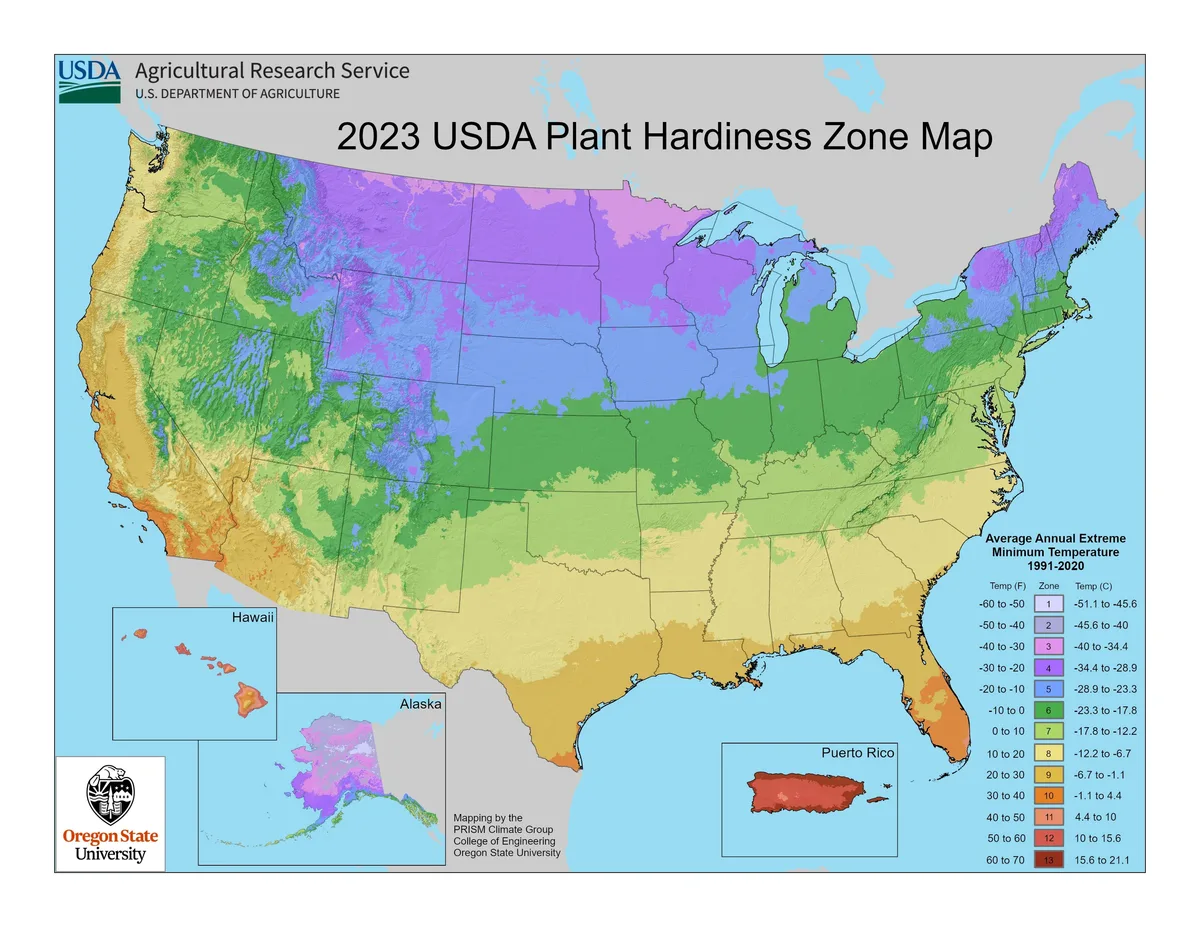
Image source: Web (Bing) / fast-growing-trees.com (Web image (fair-use with source credit))
Pot vs. In-Ground
A potted poinsettia is portable, so you can move it indoors when the weather turns. One planted in the ground is stuck, which means you need a truly frost-free climate. Container plants also dry out faster and need more frequent checks.
In-ground plants have deeper roots but suffer more if the soil is heavy or stays wet.
The Plant's Lifecycle Stage
Is your poinsettia fresh from the store, still blooming? Or is it a year-old plant that has gone through its rebloom cycle? New plants need a slow acclimation period.
Older plants already have a rhythm. Matching your care to the stage keeps the plant from rebelling.
Decision Branches: The Step-by-Step Outdoor Care Workflow
Here's the entire workflow in if/then terms. Follow the branch that matches your situation.
Branch 1: Night Temperatures Above 50°F
If the low temperature is consistently above 50°F, outdoor care is safe. Start by placing the plant in a shaded, sheltered spot for a few hours each day. This hardens it off slowly.
After a week, move it to a location with morning sun and afternoon shade. Keep it out of strong wind while it adjusts.
Branch 2: Night Temperatures Below 50°F
If nighttime lows fall below 50°F, keep the plant inside or move it back in immediately. A poinsettia can't tolerate cold exposure for more than a short burst. Even one night in the 40s can lead to leaf drop and bract damage.
Wait until the forecast looks stable before trying again.
Branch 3: Moving a Potted Poinsettia Outside
Start with a week of partial sun, no direct afternoon heat. Water the plant thoroughly before moving it out, then let the top inch of soil dry out between drinks. Taper off fertilizing during the transition.
Once the plant looks settled, you can increase sunlight gradually to around six hours of morning sun.
Branch 4: Planting Directly in the Garden (Zones 9–11 Only)
If you're in zones 9 through 11, you can plant poinsettias directly in the soil. Choose a spot with good drainage, morning sun, and light afternoon shade. Dig a hole twice the size of the root ball and amend the soil with compost.
Water deeply after planting, then mulch around the base to keep roots cool.
Branch 5: Getting It to Rebloom for Next Christmas
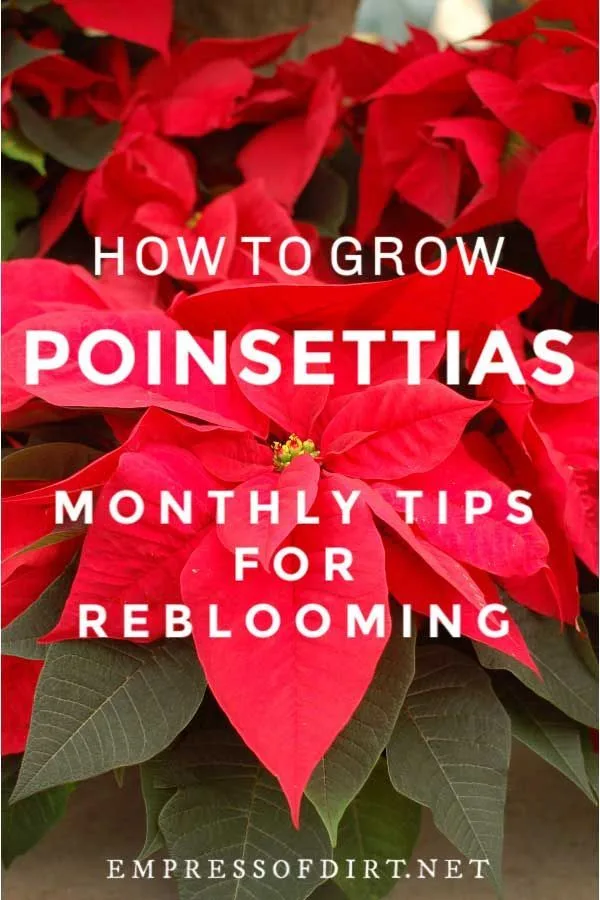
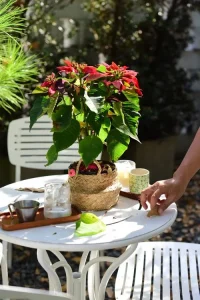
Image source: Web (Bing) / pinterest.com (Web image (fair-use with source credit))
To force a poinsettia to rebloom, start a strict light schedule in early October. The plant needs about 14 hours of complete darkness each night, then bright indirect light during the day. Put it in a closet or under a box from 5 p.m. to 8 a.m.
Keep this routine going until the bracts show color, usually eight to ten weeks later.
Mistakes to Avoid
The most common mistakes are easy to fix once you know them.
The biggest one is moving the plant outdoors too quickly in spring. No matter how healthy it looks, skip the hardening-off period at your own risk. Sudden sun and wind stress the bracts, and they'll fade or scorch within days.
Another mistake is treating the plant like a seasonal disposable. Poinsettias need real care year-round, not just during the holidays. If you ignore it after February, the next winter's bloom won't happen.
Overwatering is equally dangerous outdoors. Garden soil and large pots hold more moisture than a small indoor container. Let the soil surface dry completely before watering again.
When in doubt, stick a finger an inch into the soil. If it feels damp, wait another day.
Pro Tips for Healthy Outdoor Poinsettias
Once you've got the basics down, these small tricks make a big difference.
First, pinch back new growth in late spring. This encourages a bushier plant with more branching points for flowers. Each pinch leads to more bloom heads later.
Second, use a balanced, water-soluble fertilizer every two weeks during the active growing season. Cut back feeding in September, because too much nitrogen in autumn delays the rebloom process.
Third, watch for pests that outdoor plants attract. Whiteflies, spider mites, and mealybugs love poinsettias. A blast of water from the hose knocks off most insects, and insecticidal soap takes care of the rest.
Check the undersides of leaves regularly.
Finally, don't panic when lower leaves turn yellow and fall off in late summer. That's the plant's natural aging process, not a sign of death. As long as the stem stays firm and new growth appears, you're on track.
Maintenance & Long-Term Care
Outdoor poinsettias need steady attention through the growing season. The routine shifts as the months pass, so match your care to the calendar.
In spring, start fertilizing after new growth appears. Use a balanced 10-10-10 water-soluble fertilizer every two weeks. Stop feeding entirely in early September.
Too much nitrogen at that point delays the rebloom cycle.
Water deeply when the top inch of soil feels dry. In-ground plants need less frequent watering than pots, especially after rain. Container plants can dry out within a day during summer heat.
Prune in late winter before new growth begins. Cut each stem back to about six inches tall. This keeps the plant compact and encourages more branching.
Pinch new shoots in late spring for bushier growth.
Repot potted poinsettias every two years in fresh potting mix. Move to a pot one size larger only if roots circle the bottom. As of 2026, standard recommendation is a loose, well-draining mix with perlite.
Watch for whiteflies and spider mites, which thrive outdoors. A strong hose spray works for light infestations. For persistent bugs, insecticidal soap applied weekly clears most colonies within a month.
Frequently Asked Questions
When can I put my poinsettia outside?
Move it outside only when night temperatures stay above 50°F, typically late spring. In most zones, that means May or June. Check the 10-day forecast first.
One cold night below 50°F can trigger leaf drop and bract damage.
Can poinsettias survive winter outdoors?
Only in USDA zones 9 through 11. These regions rarely see frost. In all other zones, poinsettias must come indoors before night temperatures fall below 50°F.
Even a potted plant on a covered porch can suffer cold damage.
Why are my poinsettia leaves falling off?
The top causes are cold exposure, overwatering, or sudden changes in light. Outdoor plants that droop and drop leaves after moving likely experienced a temperature shock. Check the soil moisture level in the pot or garden bed.
Rebalance watering and keep the plant in a stable temperature above 60°F.
How do I get my poinsettia to turn red again?
Start a strict light schedule in early October. Provide 14 hours of complete darkness each night, with bright indirect light during the day. Use a closet or a box to block all light.
Continue for eight to ten weeks until the bracts show full color.
Final Decision Guide: Quick Reference by Scenario
Here's the whole outdoor care plan in one table. Find your situation and follow the action line.
| Scenario | What to Do |
|---|---|
| Night temps above 50°F | Move potted plant outside, start with shade, then morning sun |
| Night temps below 50°F | Keep indoors or bring inside immediately |
| Zone 9-11, planting in ground | Choose morning sun, afternoon shade, well-drained soil |
| Zone 8 or below, potted plant | Keep plant portable, move indoors before frost |
| Stems look leggy | Prune to six inches in late winter, pinch new growth in spring |
| Leaves yellowing in late summer | Natural aging, no action needed |
| Reblooming for Christmas | Start 14-hour darkness routine in early October |
Follow these rules and your poinsettia will thrive outdoors for years. The biggest secret is simple: respect the temperature threshold. Always check the forecast before moving the plant.
When in doubt, wait another week. Your plant will thank you with deep color and healthy growth next December.