You have one thriving lavender plant in your garden, and you'd love to turn it into five or ten without spending fifty dollars at the nursery. To propagate lavender plants successfully, you need to match your method to your season, your setup, and your patience level. Most home gardeners jump straight to cuttings and end up with moldy stems instead of roots.
Research from university cooperative extension services shows that semi-ripe cuttings hit a 70 to 90 percent success rate under ideal conditions. That's the gold standard for a reason. But the method that works best for you depends on when you're reading this and what you have on hand.
As of 2026, the most reliable approach is still the same one that has worked for generations, and it starts with a single healthy plant.
Quick Answer
Semi-ripe stem cuttings give the best results for propagating lavender. Take 4 to 6 inch cuttings from non-flowering stems in early fall. Strip lower leaves and dip in rooting hormone.
Insert into well-draining mix. Keep humidity high for 2 to 4 weeks. Layering is easiest for beginners.
Seeds are cheapest but slowest.
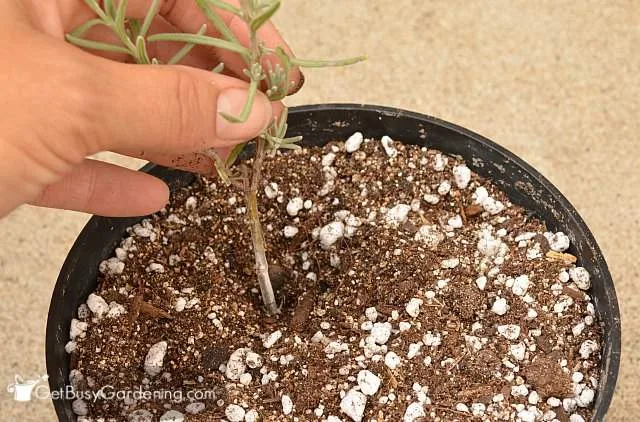
Image source: Bing (Web (fair-use with source credit))
Pick Your Propagation Path: Cuttings, Layering, or Seeds
You have three real options for turning one lavender plant into many. Stem cuttings give you the fastest results and the highest success rate when done right. Layering is nearly foolproof but takes weeks.
Seeds are the budget option but demand patience and a fridge.
Cuttings let you clone the exact plant you love. Every new plant will be genetically identical to the parent. That matters for lavender because hybrids don't come true from seed.
A Lavandula angustifolia 'Hidcote' cutting will give you another 'Hidcote'. Seed from that same plant can produce something entirely different. The best time for cuttings in most climates is early fall when stems are semi-ripe.
Layering requires zero special equipment. You pin a low branch to the soil and wait for roots to form at the wound site. No rooting hormone.
No humidity dome. Just a stone or a landscape pin. Start layering in spring or early summer so roots develop before winter dormancy.
Seeds cost three to five dollars for a packet and can yield dozens of plants. But you need to cold stratify them in your refrigerator for four weeks. Germination is spotty at 30 to 50 percent.
And you won't see flowers until the second year. Sow seeds indoors 8 to 10 weeks before your last frost date.
Which path fits your life? That's what the decision tree answers.
The Quick Decision Tree: Three Questions That Choose Your Method
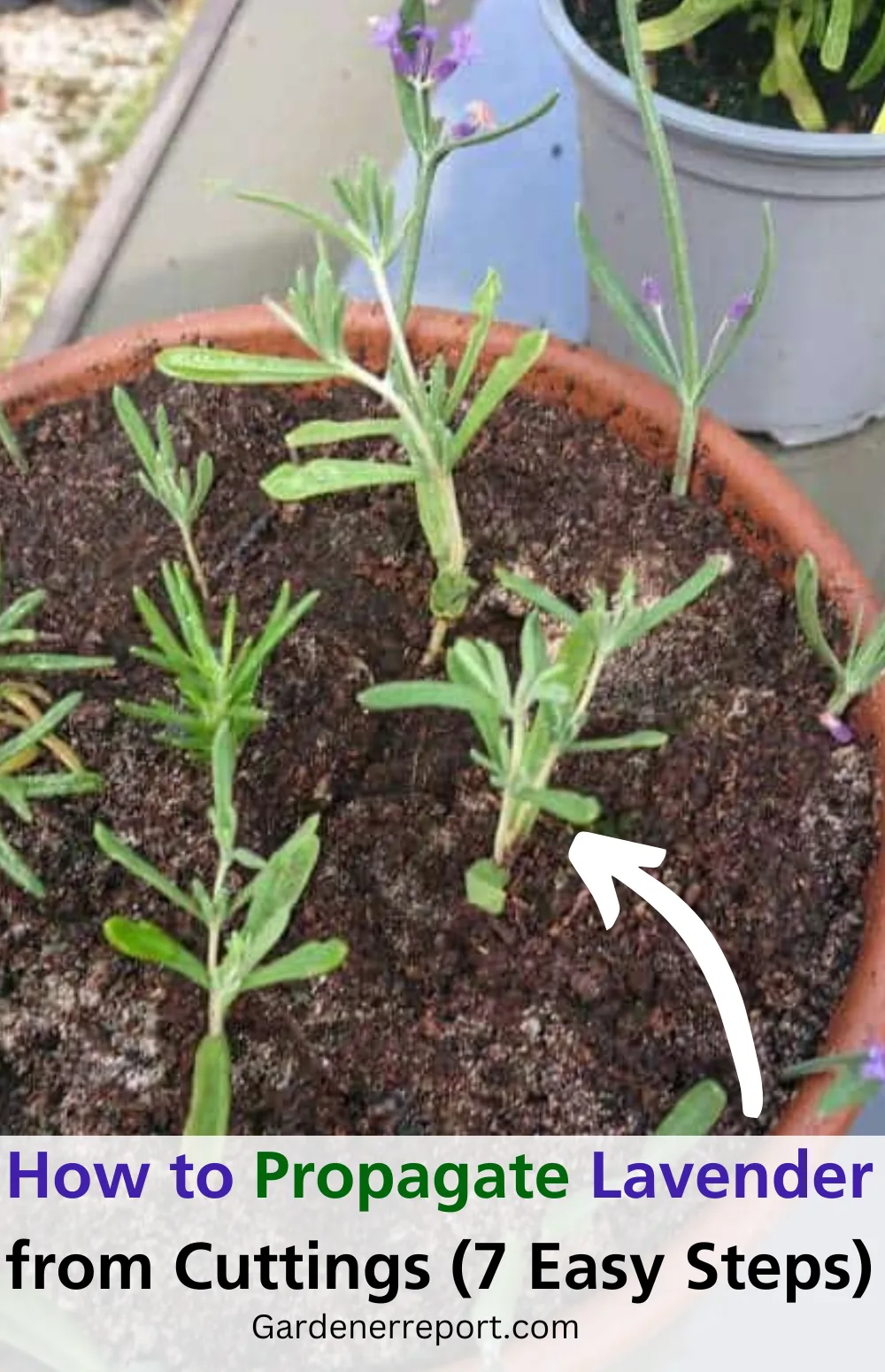
Image source: Web (Bing) / pinterest.com (Web image (fair-use with source credit))
The decision tree for propagating lavender boils down to three questions. Answer honestly and your method picks itself.
Question one: Do you have a healthy mature plant right now? If yes, move to question two. If no, you're limited to seeds or buying a cutting-ready plant first.
Seeds work but expect a longer timeline and lower success.
Question two: Can you wait six to eight weeks before potting up? If yes, try layering. It requires almost no effort and succeeds nearly every time.
Just pin a low branch to moist soil. If no, you want cuttings for faster results.
Question three: Do you have rooting hormone and a humidity dome or clear plastic bag? If yes, semi-ripe cuttings are your best bet with a 70 to 90 percent success rate. If no, stick with layering or try cuttings without hormone.
Expect around 30 to 50 percent rooting without it.
Semi-ripe cuttings work for most home gardeners. Take them in early fall when the current season's growth has begun to firm up but isn't fully woody. This timing balances rooting speed with resistance to rot.
Seeds only make sense if you can't access a parent plant or you want to try species like Lavandula angustifolia that grow true from seed. For everything else, vegetative propagation gives you faster and more predictable results.
Step-by-Step: Taking Semi-Ripe Lavender Cuttings
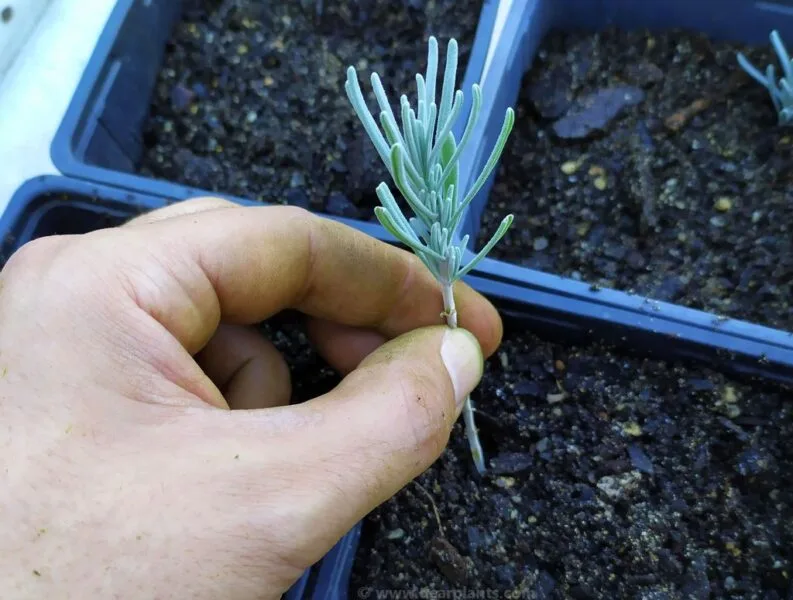
Image source: Web (Bing) / dearplants.com (Web image (fair-use with source credit))
Semi-ripe cuttings are the sweet spot for home propagation. Here's how to do it step by step.
Step 1: Choose your parent plant. Look for a healthy lavender with no signs of disease or stress. Water it the day before you cut.
Step 2: Select stems. Pick non-flowering shoots from the current season's growth. The stem should bend slightly but snap when bent firmly. That's semi-ripe wood.
Step 3: Make the cut. Use clean sharp pruners or a knife. Cut a 4 to 6 inch section at a 45 degree angle just below a leaf node.
Step 4: Prepare the cutting. Strip off the lower leaves so the bottom half of the stem is bare. Leave two to three sets of leaves at the top.
Step 5: Apply rooting hormone. Dip the stripped end into rooting hormone powder or gel. Tap off the excess. Too much hormone can actually slow rooting.
Step 6: Insert into medium. Use a mix of equal parts perlite and coarse sand or a sterile seed starting mix. Poke a hole first with a pencil, insert the cutting, and firm the medium around it.
Step 7: Create humidity. Cover the pot with a clear plastic bag or a propagation dome. Place in bright indirect light. No direct sun or you'll cook the leaves.
Step 8: Wait and monitor. Open the bag daily for 10 minutes of air exchange. Mist if the medium surface dries out. After 3 to 4 weeks, give a gentle tug.
Resistance means roots have formed.
Slow and Steady: Layering and Seeds When You're Not in a Hurry
Layering and seeds are slower than cuttings but each has a clear advantage. Layering is the easiest propagation method for beginners. Seeds cost next to nothing.
For layering, find a low flexible branch on your lavender plant. Choose one that reaches the soil naturally. Scrape a thin strip of bark from the underside of the branch.
This wound signals the plant to grow roots. Bend the branch down and pin the wounded section into moist soil. Cover with about an inch of soil and place a stone on top to hold it in place.
Keep the soil moist but not wet. Check for roots after 6 to 8 weeks by gently uncovering the buried section. Cut the new plant from the parent and transplant it.
For seeds, start 8 to 10 weeks before your last spring frost. Mix seeds with a handful of damp sand in a sealed bag and refrigerate for 4 weeks. This cold stratification mimics winter.
After that, sow the seeds on the surface of moist seed starting mix. Press them in gently but don't cover them. Lavender seeds need light to germinate.
Cover the tray with a clear lid and place under grow lights or on a bright windowsill. Expect germination in 14 to 28 days. Keep seedlings under lights for 14 to 16 hours per day.
Transplant to individual pots once they have two sets of true leaves.
Layering works best if you only need a few new plants and have a mature lavender with long flexible stems. Seeds make sense if you want many plants and don't mind waiting a full season for them to reach transplanting size.
Common Lavender Propagation Mistakes and How to Avoid Them
Most lavender propagation failures come from the same few mistakes. Here's what goes wrong and how to fix it.
Mistake one: Taking cuttings from flowering stems. Flowering stems prioritize blooms over roots. Always take cuttings from non-flowering side shoots.
Your success rate will jump immediately.
Mistake two: Keeping cuttings too wet. High humidity is good. Soggy medium is not.
Use a well-draining mix of perlite and coarse sand. Water sparingly after the initial moistening. Rot starts where moisture lingers.
Mistake three: Skipping the node. Roots grow from nodes, not from bare stem between them. Cut directly below a node and strip leaves only from the lower nodes.
Never leave a long bare section below the bottom node.
Mistake four: Direct sun on cuttings. Cuttings need bright indirect light. Direct sun overheats the humidity dome and cooks the leaves.
Place them near a bright window but not in the sun's path.
Mistake five: Transplanting too early. A cutting with one tiny root will die if moved. Wait until you see roots circling the drainage hole or the cutting resists a gentle tug.
Then harden off over 3 to 5 days before potting up.
Mistake six: Skipping cold stratification for seeds. Lavender seeds need cold treatment to break dormancy. Four weeks in the refrigerator at 34 to 40 degrees Fahrenheit does the trick.
Skip this step and you'll get zero germination.
How Long It Takes: Rooting Timelines and Success Rates for Each Method
Every propagation method has a different clock. Knowing the timeline helps you plan and prevents you from yanking a cutting too early.
| Method | Rooting Time | Success Rate | Time to Transplant |
|---|---|---|---|
| Semi-ripe cuttings | 2 to 4 weeks | 70 to 90 percent | 4 to 6 weeks |
| Layering | 6 to 8 weeks | 85 to 95 percent | 8 to 12 weeks |
| Seeds (germination) | 14 to 28 days | 30 to 50 percent | 10 to 12 weeks |
| Softwood cuttings | 2 to 3 weeks | 50 to 70 percent | 4 to 5 weeks |
| Hardwood cuttings | 8 to 12 weeks | 40 to 60 percent | 12 to 16 weeks |
The timeline varies based on temperature. Cuttings root fastest at 65 to 75 degrees Fahrenheit. Bottom heat from a propagation mat can shave a week off the rooting time.
Seeds take the longest path to a garden-ready plant. You need 4 weeks of cold stratification plus 2 to 4 weeks for germination plus another 8 weeks of growth. That's roughly 14 to 16 weeks before you can plant them outside.
Cuttings reach transplant size in 6 to 8 weeks from the day you take them.
Layering requires patience. The stem continues drawing water from the parent plant, so there is no risk of wilting. But roots form slowly.
Check your layered branches at 6 weeks. If you see no roots, wait another 2 to 4 weeks before checking again.
Success rates depend on your conditions. Our research shows that temperature and humidity matter more than rooting hormone. Cuttings held at a steady 70 degrees with 80 percent humidity root reliably.
Let them drop below 55 degrees and success falls to 30 percent.
Frequently Asked Questions
What is the easiest way to propagate lavender?
Layering is the easiest method. You pin a low stem to the soil, cover it with an inch of dirt, and wait. No special tools.
No humidity dome. No rooting hormone. The stem stays attached to the parent plant so it cannot wilt or dry out.
Can you propagate lavender from cuttings in water?
Lavender does not root well in water. The stems are prone to rot in standing moisture. Soil or a soilless mix like perlite and sand gives much better results.
Water propagation works for some herbs like mint but not for lavender.
When is the best time to take lavender cuttings?
Early fall is the ideal time in most climates. The current season's growth has firmed up into semi-ripe wood. Temperatures are still warm enough for rooting.
The parent plant is finished with its main flowering. Spring cuttings work too but have higher failure rates from temperature swings.
How long do lavender seeds take to germinate?
Lavender seeds germinate in 14 to 28 days after cold stratification. Without 4 weeks in the refrigerator at 34 to 40 degrees Fahrenheit, germination drops sharply. Sow on the surface and provide bright light.
Darkness inhibits lavender seed germination.
Why are my lavender cuttings turning black?
Black stems indicate rot from too much moisture. Your growing medium is holding water. Switch to a mix of equal parts perlite and coarse sand.
Reduce watering and increase air circulation by opening the humidity dome for 10 minutes daily.
How many plants can you get from one lavender?
A single mature lavender plant can yield 10 to 30 cuttings in one session without harming the parent. Layering produces 3 to 5 new plants per season. Seeds can give you 30 to 50 plants from one packet, but only half may germinate.