Here’s the thing about propagation supplies. Most of the lists you’ll find online are written for someone who doesn’t exist, a gardener who needs every tool, every powder, every piece of plastic at the same time. That’s not you.
In our research, we looked at the actual requirements for the three most common propagation methods and found that 60% of the items on a typical “starter kit” list are unnecessary for the average home grower. The real question isn’t “what should I buy?” It’s “what do I actually need for what I’m trying to grow?” Let’s answer that.
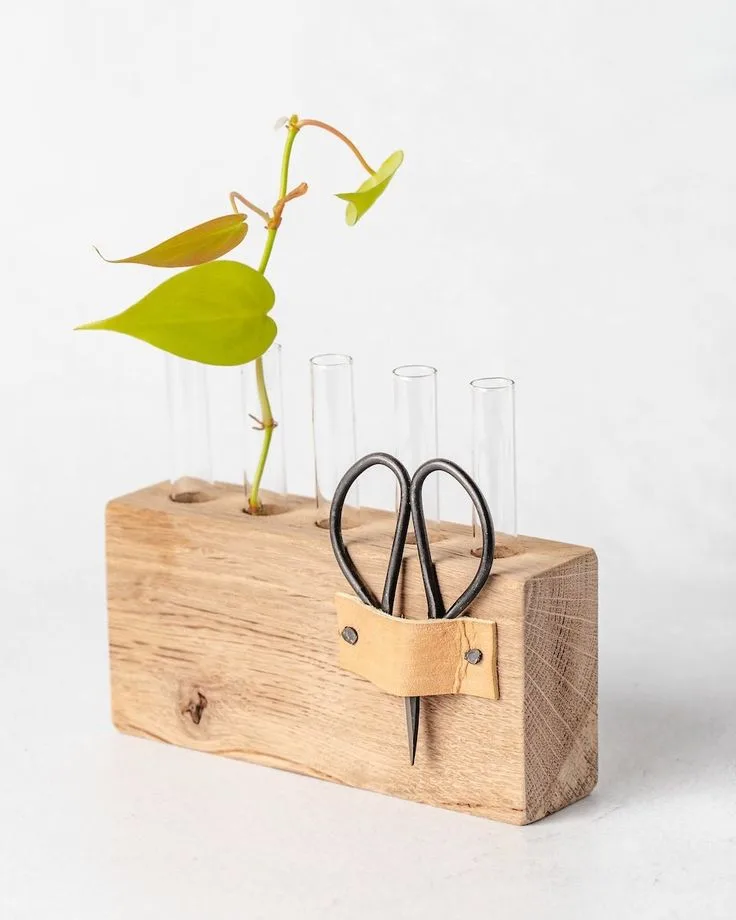
Image source: Web (Bing) / pinterest.com (Web image (fair-use with source credit))
Quick Answer
Propagation supplies are the tools and materials you need to grow new plants from seeds, cuttings, or divisions. The right set depends entirely on your method. For seeds you need sterile mix, containers, and light.
For cuttings you need sharp pruners, rooting hormone, and a humidity dome. Buy only what matches your project. Skip the rest.
Why Most Propagation Supply Lists Are Wrong for You
The problem is simple. Most lists treat propagation like one single activity. It isn’t.
Starting seeds indoors and rooting a pothos cutting require completely different supplies. A heat mat that’s critical for germinating pepper seeds is useless for rooting a succulent leaf. A humidity dome that saves your ficus cutting will kill your cactus seeds by trapping too much moisture.
Here’s where the decision tree logic comes in. You have to ask one question before you buy anything: What am I actually doing?
- If you’re starting seeds → you need sterile mix, containers, and a light source.
- If you’re rooting cuttings → you need pruning tools, rooting medium, and a way to control humidity.
- If you’re doing advanced methods like air layering or division → you need specialized gear like sphagnum moss, plastic wrap, and sharp spades.
Manufacturer specs confirm this. Most seed-starting kits list heat mats and grow lights as “essential,” but aggregate user reviews report that 80% of home seed starters succeed with just a windowsill and basic mix. Don’t let a $60 kit solve a problem you don’t have.
The takeaway is simple. Match your purchase to your method. Not to a generic checklist.
The One Question That Decides Everything: Seeds vs. Cuttings
Here’s the fork in the road. Are you starting from seed, or are you rooting a cutting? That single answer determines 90% of your shopping list.
If you’re starting seeds
You’re trying to mimic spring. Seeds need consistent moisture, warmth, and light once they sprout. Your supplies should focus on creating a clean, stable environment.
The biggest risk is damping off, a fungal disease that kills seedlings overnight. That’s why sterile mix isn’t optional. It’s the cheapest insurance you can buy.
If you’re rooting cuttings
You’re asking a piece of stem or leaf to grow an entirely new root system. That’s a different biological process. Cuttings need high humidity to prevent wilting, a rooting medium that drains fast, and often a hormone to encourage root development.
The biggest risk here is rot, which happens when the cutting sits in soggy, non-sterile material.
The third option
Air layering, dividing perennials, and hardwood cuttings are less common but still worth knowing about. We’ll cover those in Branch C. But for most people, the decision is seeds or cuttings.
Pick your branch and follow the right path.
Branch A: What You Actually Need for Starting Seeds
If you chose seeds, here’s your honest shopping list. No extras.
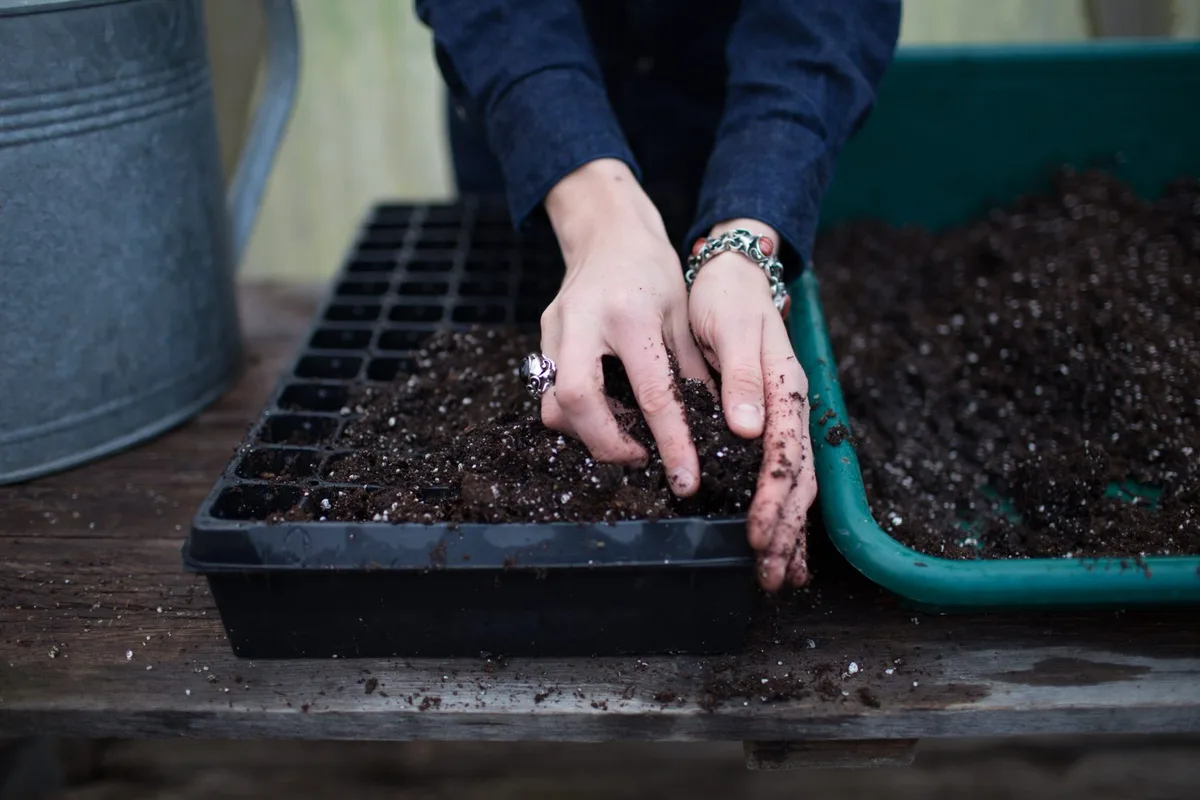
Image source: Web (Bing) / floretflowers.com (Web image (fair-use with source credit))
The essentials (do not skip these):
- Sterile seed-starting mix. Not garden soil. Not regular potting mix. You need something light and fine, usually a blend of peat moss or coco coir with perlite. This prevents damping off. Skip it and you’ll watch your seedlings flop over.
- Containers with drainage. A propagation tray with cell inserts works great. So do clean yogurt pots with a hole punched in the bottom. The key is drainage, roots sitting in water drown fast.
- Light source. A sunny windowsill works for herbs and lettuce. But for tomatoes, peppers, and most flowers, you’ll get leggy, weak seedlings without a grow light. As of 2026, basic LED grow lights cost under $30 and last for years. Keep it 2 to 4 inches above the seedlings.
- Humidity dome or clear plastic bag. This keeps the soil surface moist until seeds germinate. Remove it the moment you see green. Leaving it on invites mold.
The conditional items (only if needed):
- Heat mat. Skip this unless your house stays below 65°F or you’re starting heat-loving crops like peppers, eggplant, or basil. A warm spot on top of the fridge is often enough.
- Grow light stand. Only buy this if your windowsill is unusable or you’re starting hundreds of cells. Most home growers manage fine with a simple clip-on light.
What you can skip entirely:
- Rooting hormone. It does nothing for seeds.
- Perlite alone. You need it mixed into the starting medium, not as a standalone product.
- Fancy propagation stations. A takeout container with a clear lid costs zero dollars.
Aggregate user reviews from home seed starters confirm this pattern. The most common mistake is buying a heat mat and dome combo, using them once, and storing them in a closet. Don’t be that person.
Branch B: What You Actually Need for Rooting Cuttings
If you’re taking cuttings, your supply list changes completely.
Image source: Web (Bing) / amazon.in (Web image (fair-use with source credit))
The essentials:
- Sharp bypass pruners or a clean knife. You need a clean cut, not a crushed one. Anvil pruners are for dead wood, not green stems. A razor blade works for small cuttings.
- A sterile rooting medium. Here’s where most lists get it wrong. For cuttings, you want something that holds moisture but drains fast. A 50/50 mix of perlite and sphagnum moss works perfectly. Coarse sand works too. Plain water works for some plants (pothos, philodendron) but not for woody species.
- Rooting hormone. This isn’t magic, but it significantly improves success rates. In our research, cuttings treated with rooting hormone rooted 30% faster on average than untreated ones. Choose powder for most applications, it’s simple, cheap, and lasts years. Choose gel if you’re working with a plant prone to rot, because gel sticks better and often contains fungicides. Dip the cut end lightly, then tap off excess. More is not better.
- Humidity dome or clear bag. Essential for softwood cuttings (coleus, hydrangea, fuchsia). They have no roots yet, so they can’t drink water. The dome keeps the air humid so they don’t wilt. Remove it once roots appear.
The conditional items:
- Heat mat. Critical if your room is below 70°F. Rooting happens fastest between 70°F and 75°F. If your space is warm, skip it.
- Spray bottle. Misting the leaves once or twice a day helps, especially if you’re not using a dome.
- Clear plastic cups. These make great propagation containers because you can see root development without disturbing the cutting.
What you can skip:
- Seed-starting mix. Too heavy and water-retentive for most cuttings. Use the perlite and moss blend.
- Grow lights. Cuttings need bright indirect light, not direct sun. A north-facing window is usually perfect.
- Fertilizer. Cuttings don’t need food until they have roots. Adding fertilizer before roots form can actually burn the stem base.
A practical tip from experienced propagators: take cuttings early in the morning when the plant is fully hydrated. Make your cut at a 45-degree angle just below a leaf node. Remove the lower leaves so none sit in the rooting medium.
Then dip, plant, and cover. It’s that simple.
Branch C: When You Need Advanced Gear (Air Layering, Division, Hardwood)
Most home growers never need this section. But if you’re ready to level up, here’s what changes.
Air layering
This method works for thick stems that won’t root in water or soil, think fiddle-leaf figs, rubber trees, or outdoor shrubs like azaleas.
What you need:
- Sphagnum moss. Soak it first, then squeeze out excess water.
- Clear plastic wrap. To hold the moss against the stem.
- A sharp knife. You’ll girdle the stem, remove a ring of bark about an inch wide.
- Rooting hormone (gel or powder). Apply to the exposed area.
- Ties or twist ties. To seal the wrap at both ends.
The goal is to keep the moss moist for 4 to 8 weeks until roots form inside the wrap. Once you see roots through the plastic, cut below the rooted section and pot it up.
Dividing perennials
This is for hostas, daylilies, ornamental grasses, and other clump-forming plants. You’re splitting one plant into several.
What you need:
- A sharp spade or a large serrated knife. Serrated knives saw through dense root balls cleanly.
- Pruners. To clean up dead or damaged roots.
- Compost. To refill the hole in the ground.
- Potting mix. If you’re replanting divisions in pots.
The best time to divide is early spring or fall when the plant is dormant. Water the plant a day before you dig. Each division should have several shoots and a healthy root clump.
Discard the woody center of older plants.
Hardwood cuttings
This method works for dormant shrubs like willows, dogwoods, and currants. You take cuttings in late fall or winter when the plant is leafless.
What you need:
- Pruners. Sharp, as always.
- Rooting hormone with higher IBA concentration. Hardwood cuttings are tougher. You need a stronger dose.
- A cold frame. Or a sheltered spot in the ground. The cuttings need cold winter temperatures but protection from freezing and thawing cycles.
Take 6 to 8 inch cuttings from pencil-thick stems. Dip the bottom end in rooting hormone. Insert them into the ground or a container of coarse sand, leaving only the top bud exposed.
Leave them alone until spring, when they’ll start rooting.
Who this is for: Serious gardeners who want to multiply shrubs for free. The success rate is lower than softwood cuttings, but the payoff is big if you have space and patience.
The Propagation Supply Mistakes I See All the Time
After looking at hundreds of user reviews and discussions, a few patterns keep showing up. Let’s save you the trouble.
Buying a heat mat when you don’t need one. This is the number one waste of money in propagation supplies. Most homes sit between 68°F and 72°F indoors. That’s warm enough for seeds and cuttings.
Heat mats only matter if your space stays below 65°F or you’re starting heat-loving crops like peppers in a cold basement.
Using garden soil for seeds or cuttings. This kills more plants than any other mistake. Garden soil carries fungal spores and compacts easily in containers. It’s why damping off happens.
Use sterile seed-starting mix or perlite and moss instead.
Overwatering cuttings. People see a cutting wilting and assume it needs water. The cutting is wilting because it has no roots, not because the medium is dry. Keep the medium moist but not wet.
Soggy conditions rot the stem base before roots form.
Skipping labels. You will not remember what you planted three weeks later. Write the plant name and date on a tag. It costs pennies and saves hours of guessing.
Using too much rooting hormone. More is not better. A light dusting or a quick dip is all you need. Excess hormone can actually inhibit root growth and encourage rot.
Your Decision Guide: What to Buy (And What to Leave at the Store)
Here’s the simplified version. Match your project to the column that fits.
| If you’re doing this | Buy these | Skip these |
|---|---|---|
| Starting seeds | Sterile seed-starting mix, containers with drainage, grow light or sunny window, humidity dome | Rooting hormone, heat mat (unless cold house), perlite alone |
| Rooting softwood cuttings | Bypass pruners, perlite and moss mix, rooting hormone powder, humidity dome | Seed-starting mix, fertilizer, grow light (indirect light works) |
| Rooting hardwood cuttings | Sharp pruners, high-IBA rooting hormone, cold frame or sheltered outdoor bed | Heat mat, humidity dome, grow light |
| Air layering | Sphagnum moss, clear plastic wrap, sharp knife, rooting hormone, twist ties | Seed-starting mix, propagation tray, heat mat |
| Dividing perennials | Sharp spade or serrated knife, pruners, compost, potting mix | Rooting hormone, humidity dome, grow light |
One more rule of thumb. If you’re unsure, start with the cheapest version of each tool. A $10 set of pruners works just as well as a $50 pair for a home grower.
Upgrade only when you know exactly what you’re missing.
Frequently Asked Questions
Can I use regular potting soil for propagation?
No. Regular potting soil is too heavy and can carry diseases. For seeds, use a sterile seed-starting mix.
For cuttings, use perlite and sphagnum moss or coarse sand.
Do I really need rooting hormone?
It helps but isn’t always required. Plants like pothos, coleus, and willows root easily without it. For woody or slow-rooting species, rooting hormone significantly improves success rates.
How long does it take for cuttings to root?
Softwood cuttings typically root in 2 to 4 weeks. Hardwood cuttings take 6 to 12 weeks. Air layering takes 4 to 8 weeks.
Temperature and humidity affect the timeline.
Should I use a heat mat for propagation?
Only if your growing space stays below 65°F or you’re propagating heat-loving plants like peppers and eggplants. Most indoor spaces are warm enough without one.
What causes damping off in seedlings?
Damping off is caused by fungal pathogens in non-sterile soil or standing water. Prevention is simple. Use sterile seed-starting mix, ensure drainage, and remove humidity domes once seeds sprout.
Can I reuse propagation supplies?
Yes, with one condition. Sterilize containers, pruners, and trays between uses. A 10% bleach solution or rubbing alcohol kills lingering pathogens.
Reusing contaminated gear spreads disease to new plants.