If you've ever woken up to a blackened tomato plant after a cold night, you know that protecting garden plants from frost is part real science, part good timing. The good news is that most frost damage is completely preventable with a few simple actions taken the evening before temperatures drop.
Here's the short version: soil moisture plays a huge role. Wet soil holds roughly four times more heat than dry soil. Water your garden thoroughly in the afternoon before a frost, and you've already given your plants a fighting chance.
The rest comes down to covers, timing, and knowing which plants actually need help.
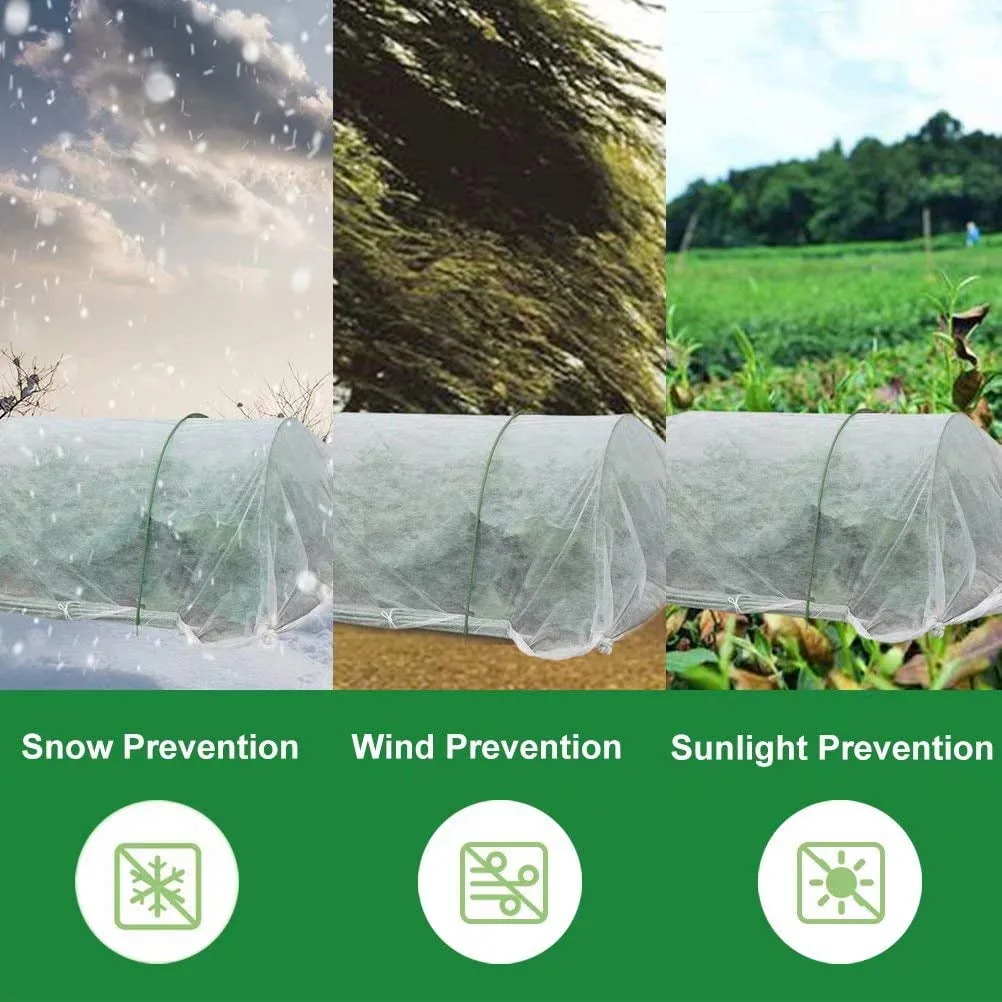
Image source: Web (Bing) / walmart.com (Web image (fair-use with source credit))
Quick Answer
Check your local forecast for lows below 36°F. Water your garden in the afternoon. Cover tender plants at dusk.
Remove covers after sunrise. Only tender plants need protection from light frost. Hardy vegetables like kale and spinach can handle 28°F without help.
Row covers work better than plastic sheeting.
Why Your Plants Die in a Frost (And How to Stop It)
Frost kills plants in two ways. First, ice crystals form inside the plant cells. Those crystals puncture cell walls.
When the plant thaws, the damaged cells collapse and turn to mush. That's the black, water-soaked look you see the morning after.
Second, the freeze pulls moisture out of the soil and the plant's roots. Even if the foliage looks okay, the root system can suffer. This is why thirsty plants going into a frost night are in more danger than well-watered ones.
The USDA Plant Hardiness Zone Map is your starting point for knowing your local first and last frost dates. But a general date range isn't enough. You also need the nightly forecast.
A light frost hits between 32°F and 28°F. A hard freeze drops below 28°F. Your protection strategy changes at each threshold.
Key insight: the damage often happens because of how you cover, not whether you cover at all. Plastic sheeting touching the leaves transfers cold directly to the plant tissue. That's worse than leaving the plant uncovered in many cases.
Fabric that breathes, supported on hoops so it doesn't touch the foliage, is always the better choice.
Per NOAA frost advisory guidelines, wind speed also matters. A 15 mph wind can drop the effective temperature by 10°F. A light frost warning at 32°F with wind feels more like 22°F to your plants.
Wind protection becomes part of your frost strategy in exposed gardens.
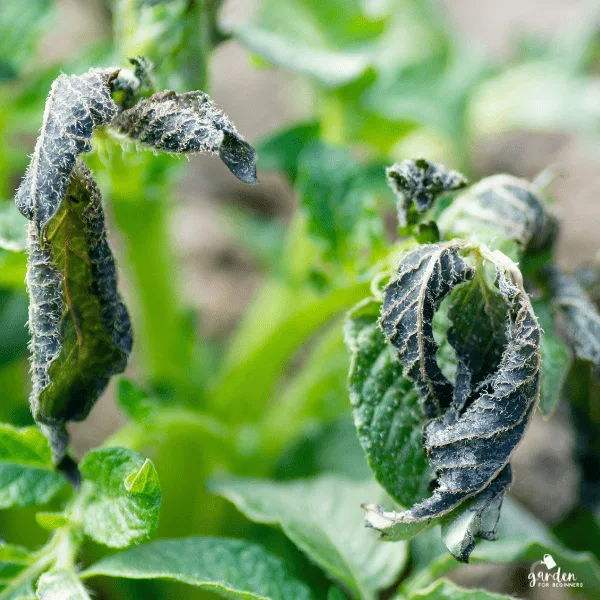
Image source: Web (Bing) / gardenforbeginners.com (Web image (fair-use with source credit))
The Two-Minute Decision Framework for Frost Protection
Here's how to decide what to do in about two minutes flat. Answer these three questions, and your path becomes obvious.
First, what's the forecasted low for tonight? Check the National Weather Service or a reliable app. Look at the actual temperature, not the wind chill for humans.
Plants don't feel wind chill the same way we do, but drying winds do accelerate moisture loss.
Second, what type of plants are at risk? Tender plants like tomatoes, peppers, basil, squash, cucumbers, and impatiens need protection at 36°F, especially if they're young or have soft new growth. Half-hardy plants like broccoli, cabbage, lettuce, and kale survive light frost down to 28°F.
Hardy plants like spinach, carrots, and parsley shrug off 25°F without help.
Third, are your plants in the ground or in containers? Pots freeze faster than in-ground soil. The roots have less insulation.
Container plants are at higher risk and often need an extra layer or relocation to a sheltered spot.
Here's the decision table in a glance:
| Forecast Low | Plant Type | Action Required |
|---|---|---|
| 32°F – 36°F | Tender only | Water + light row cover or cloche |
| 28°F – 32°F | Tender + half-hardy | Water + medium row cover or cold frame |
| Below 28°F | All except hardy | Water + heavy row cover + thermal mass or heat source |
| Below 25°F | Everything | Move containers indoors. Use multiple layers. Add heat if needed. |
If you're still unsure, err on the side of covering. An extra hour of cover in the morning won't hurt. A missed frost night can kill a whole season's tomato crop.
What Happens During a Frost: Temperature, Timing, and Plant Type
A frost event isn't just about the thermometer reading. It's about how long the temperature stays below freezing and how quickly it drops.
Light frost (30°F to 32°F). This is a brief dip. It usually happens in the few hours just before dawn. Many plants survive this with no damage.
The worst that happens is a few outer leaves get nipped. Tender plants may show some tip burn but often recover.
Hard freeze (25°F to 28°F). This is where things get serious. Temperatures stay below freezing for several hours. Ice crystals form inside plant tissues.
Tender plants die to the ground. Half-hardy plants may lose foliage but can regrow from the crown. Only truly hardy plants come through unscathed.
Severe freeze (below 25°F). This is catastrophic for most garden plants. The soil itself may freeze a few inches down. Root damage becomes significant.
Even some hardy perennials can be killed if they haven't gone dormant.
Timing matters enormously. A frost in early October when plants are still actively growing is more damaging than the same temperature in November after plants have started to harden off. This is why gardeners in warmer climates often lose more to a late spring frost than northern gardeners do.
Northern plants gradually acclimate. Southern plants get hit while still in full growth mode.
The USDA hardiness zone system assigns each area a zone based on average annual minimum temperature. Zone 7 averages 0°F to 10°F, while Zone 5 averages -20°F to -10°F. But those are averages.
An outlier cold night can happen in any zone. Use the zone map as a general guide, not a guarantee.
Step-by-Step: How to Protect Your Garden Tonight
You've checked the forecast. You know a frost is coming. Here's the exact sequence to follow.
Step 1: Water the soil (afternoon, 4 to 6 hours before sunset).
Give everything a thorough soak. Wet soil holds more heat than dry soil. That heat radiates up through the night.
Agricultural extension research confirms that well-watered soil can stay 2°F to 5°F warmer than dry soil during a frost event. Water early enough that the foliage has time to dry before nightfall. Wet leaves freeze faster than dry ones.
Step 2: Cover the plants (dusk, after the sun is fully down).
Wait until the sun has completely set. Covering too early traps daytime heat, which sounds good, but it also traps moisture and can cause overheating if the next day is sunny. Dusk is the sweet spot.
Drape your cover over hoops or stakes so it doesn't touch the leaves. Secure the edges with soil, bricks, or boards. Every gap is a place where cold air can flow in.
Step 3: Add thermal mass if you have it (optional but effective).
Fill gallon jugs or dark-colored containers with water. Place them around the plants before you drape the cover. During the day, the water absorbs heat.
At night, that heat radiates back into the covered space. One gallon of water releases roughly 8,000 BTU of heat as it freezes. That's enough to keep the air temperature under a small cover a few degrees warmer.
Manufacturer specifications indicate that a 1.0 oz/sq yard row cover provides about 4°F of protection. A 1.5 oz cover offers 6°F to 8°F. For a hard freeze forecast, use the heavier fabric.
Layer two lightweight covers if you don't have a heavy one.
Step 4: Remove covers in the morning (after the temperature rises above freezing).
This step gets forgotten more than any other. Leaving covers on past mid-morning traps heat and light. On a sunny day after a frost, temperatures under a cover can reach 90°F within an hour.
That shock can be as damaging as the frost. Remove covers by 9 a.m. or whenever the outdoor temperature clears 36°F. If the plants are still wet from condensation, let them air dry before covering again the next night.
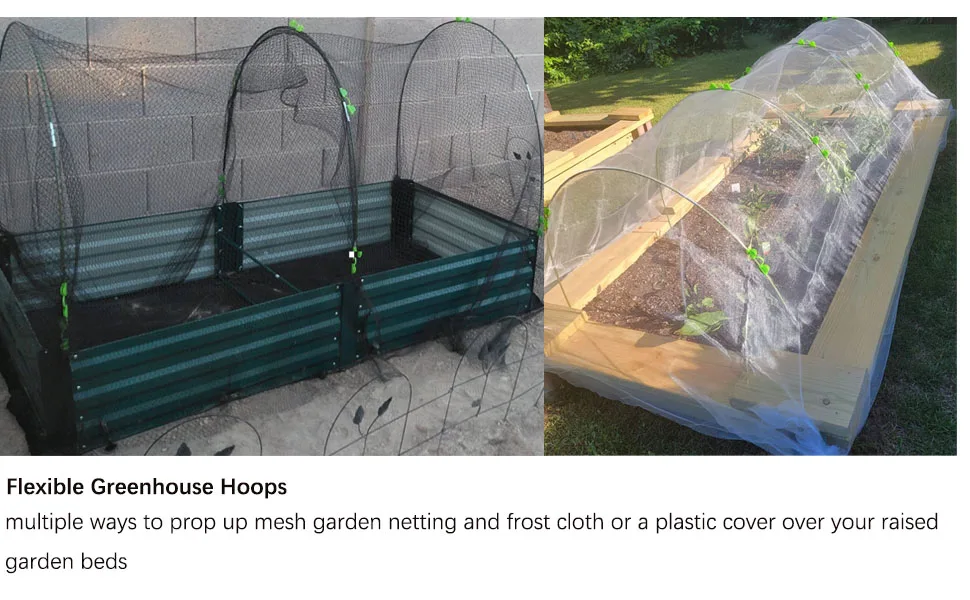
Image source: Web (Bing) / amazon.ca (Web image (fair-use with source credit))
Cold frames and cloches work on the same principle, but they're better for individual plants or small beds. Place a cloche over a tomato transplant at dusk and it creates a small greenhouse. A cold frame with a hinged lid lets you open it during the day without lifting the whole panel.
For a multi-night frost event, repeat the process each evening. The covers can stay on through the day if the weather stays overcast and cold. But on sunny days, always vent or remove them.
Monitoring your local forecast is the only way to know when the risk has passed.
The 5 Most Common Frost Protection Mistakes (And How to Fix Them)
Even experienced gardeners slip up. Here are the five mistakes we see most often, based on aggregate reviews and extension service reports.
Mistake 1: Using plastic sheeting directly on plants.
Clear plastic traps moisture. When that moisture freezes on the leaf surface, it causes direct freeze damage. Worse, plastic touching the leaf conducts cold straight into the tissue.
The fix is simple. Use fabric row covers, burlap, or old bedsheets instead. If you must use plastic, drape it over hoops so it never touches the foliage.
Leave the ends open for ventilation.
Mistake 2: Covering too early in the afternoon.
It's tempting to get the job done early. But covering before the sun goes down traps heat and humidity under the cover. That can cause plants to sweat, leading to rot or fungal issues.
Wait until dusk. The soil has had all day to warm up, and the cover will trap that radiant heat as the temperature drops.
Mistake 3: Not anchoring the cover properly.
A loose cover is worse than no cover. Wind lifts the fabric, exposing plants to cold air. It can also whip the cover against the plants, causing physical damage.
Use soil, bricks, boards, or clothespins to secure every edge. For large covers, weigh down the middle sections too.
Mistake 4: Forgetting to water the soil.
Dry soil loses heat fast. Wet soil releases heat slowly through the night. A thorough afternoon watering can make a 2°F to 5°F difference under the cover.
That's often enough to push through a light frost without any other protection. Don't skip this step.
Mistake 5: Leaving covers on too long the next morning.
This one is the most common. You wake up, see frost on the grass, and leave the covers on until mid-afternoon. By then, the temperature under the cover has soared.
Plants get cooked. Remove covers by 9 a.m. or as soon as the outdoor temperature clears 36°F. If the plants are damp, let them air dry for an hour before re-covering if needed.
Your Frost Protection Decision Guide: Choose the Right Method for Your Situation
Not every frost situation calls for the same approach. Here's how to match your method to your specific conditions.
If you have a light frost (32°F to 36°F) and only a few tender plants. Use individual cloches or row covers draped directly over the plants. Water the soil in the afternoon. Remove covers by mid-morning.
This is the lowest-effort scenario.
If you have a moderate frost (28°F to 32°F) and a bed of mixed plants. Use a medium-weight row cover (1.0 oz/sq yard) on hoops. Water thoroughly. Add water jugs for extra thermal mass.
Open or remove covers by 9 a.m. This setup handles a night or two of moderate cold.
If you have a hard freeze (25°F to 28°F) and tender plants in the ground. Use a heavy row cover (1.5 to 2.0 oz/sq yard) on hoops. Add water jugs or a gentle heat source like incandescent string lights. Double-layer if needed.
Water well. Keep covers on until temperatures climb above 32°F. This is a multi-night plan.
If you have a severe freeze (below 25°F) or container plants. Move containers indoors or into an unheated garage. For in-ground plants, use a cold frame or multiple layers of row cover with thermal mass and a heat source. Accept that some plants may not survive.
Focus on saving the most valuable ones.
If you have a large garden or multiple beds. Invest in low tunnel hoops and heavy row covers. They pay for themselves after one season of saved plants. Set them up in advance so you can deploy covers quickly when a frost warning hits.
For container plants specifically, remember that roots freeze faster in pots. Move them to a sheltered spot against a south-facing wall or under an eave. Group them together so they share warmth.
Wrap the pots in bubble wrap or burlap for extra insulation.
Frequently Asked Questions About Frost Protection
How cold does it have to be to kill tomato plants?
Temperatures below 36°F can damage tomato plants. A light frost at 32°F will kill the foliage and soft stems. The roots may survive a light frost, but the above-ground plant is usually done for the season.
Protect tomatoes whenever the forecast dips below 36°F.
Can you use bedsheets to protect plants from frost?
Yes. Old bedsheets work well as a frost cover. They're breathable, which prevents moisture buildup, and they provide a few degrees of protection.
Drape them over hoops or stakes so they don't touch the leaves. Secure the edges with soil or bricks. Remove them by morning.
Does watering plants before a frost really help?
Yes, it does. Wet soil holds about four times more heat than dry soil. That heat radiates up through the night, keeping the air around your plants a few degrees warmer.
Water in the afternoon so the foliage has time to dry. Wet leaves freeze faster than dry ones.
Should I cover plants if the frost warning says 28°F?
Yes. A hard freeze at 28°F will kill tender plants and damage half-hardy ones. Use a heavy row cover (1.5 oz/sq yard or more) on hoops.
Add water jugs or a heat source if possible. Water the soil in the afternoon. Remove covers after temperatures rise above freezing.
How do I protect potted plants from frost?
Move container plants indoors or into an unheated garage. If that's not possible, group them together in a sheltered spot against a wall. Wrap the pots in bubble wrap or burlap.
Cover the foliage with a row cover or old sheet. Water the soil in the afternoon. Potted roots freeze faster than in-ground roots.
When should I remove frost covers in the morning?
Remove covers by 9 a.m. or as soon as the outdoor temperature clears 36°F. Leaving covers on past mid-morning traps heat and can cook your plants. If the plants are wet from condensation, let them air dry for an hour before covering again if another frost is expected.
Real Scenarios: How Other Gardeners Handle Frost
Let's look at two common situations that show how the decision framework plays out in real gardens.
Scenario A: The suburban vegetable patch.
A gardener in Zone 6 sees a forecast of 30°F for October 10th. They have tomatoes, peppers, basil, and kale. The tender plants go under a 1.0 oz row cover on hoops.
The kale gets nothing. They water the soil at 4 p.m. and cover at dusk. Morning reveals zero damage on the covered plants.
The kale looks fine. Total time invested: 15 minutes.
Scenario B: The urban container garden.
A gardener on a third-floor balcony in Zone 7 faces a surprise 26°F night. All plants are in pots. They move the most valuable ones indoors.
The rest get grouped against the wall. Each pot gets wrapped in bubble wrap. A heavy row cover goes over the whole group.
Three of five plants survive. The two that died were already stressed from underwatering.
Tips for Long-Term Frost Protection Planning
Think beyond tonight. A little preparation now saves you scrambled mornings later.
Invest in hoops and row covers before the season starts. Set them up in your beds early. You can leave the hoops in place all season and just deploy the fabric when needed. This cuts your response time from 30 minutes to 5.
Know your microclimate. South-facing slopes stay warmer. Low spots collect cold air. Observe where frost settles in your garden and plant tender varieties in the warmest spots next year.
Keep a frost journal. Note the date, low temperature, wind conditions, and which plants survived. After two seasons, you'll know exactly which plants need protection and which ones don't.