If you've ever walked outside in June to find a hydrangea covered in leaves but not a single bloom, you know the frustration. Nine times out of ten, the cause is pruning hydrangea at the wrong time. It's not a plant that loses flowers randomly.
The culprit is almost always a misunderstanding of when and where the buds form.
A quick look at the USDA plant hardiness map shows hydrangeas growing anywhere from zone 3 to zone 9. That range means different varieties behave differently. As of 2026, the most common pruning advice you'll see online still treats all hydrangeas the same, which is why so many people mess this up.
Let's fix that with a simple process.
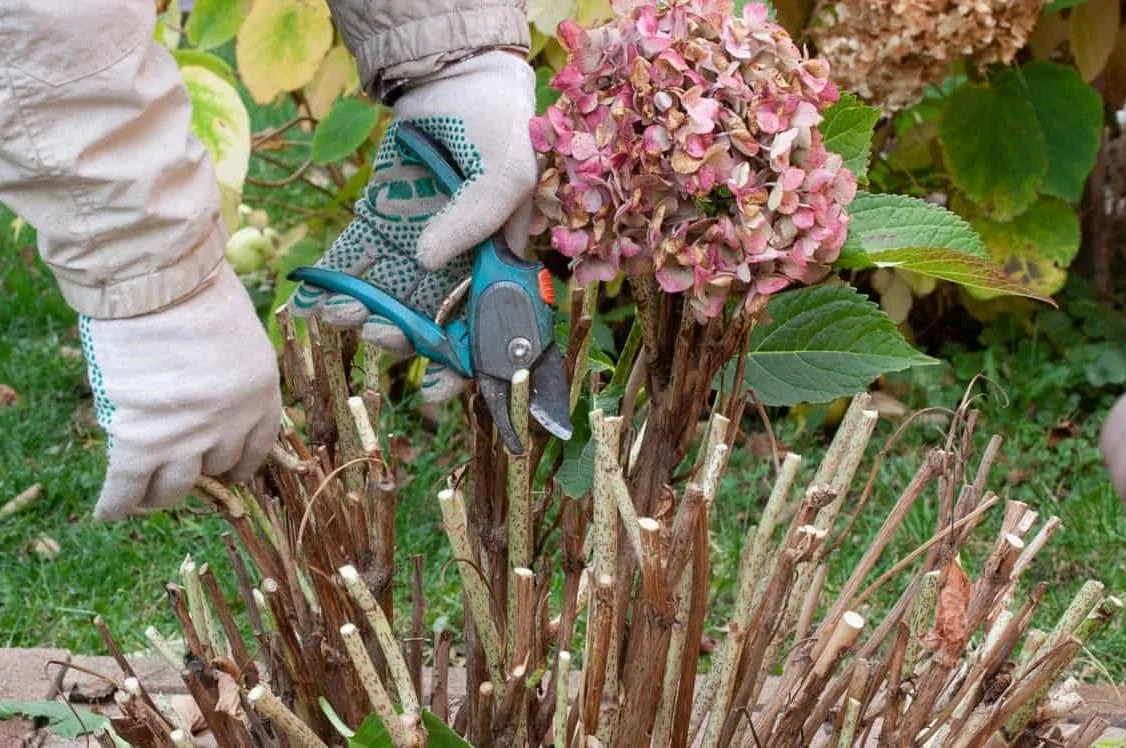
Image source: Web (Bing) / cekgttww.blob.core.windows.net (Web image (fair-use with source credit))
Quick Answer
Prune hydrangeas that bloom on new wood in late winter. Prune old wood bloomers right after flowering ends. Identify your hydrangea type first.
Then cut with confidence.
Why Pruning Hydrangeas Goes Wrong (So Often)
The real issue is that people treat every hydrangea the same. They aren't the same plant. Bigleaf, panicle, smooth, oakleaf, and climbing hydrangeas all have different growth habits.
Prune one like the other and you'll probably lose a season of flowers.
The whole thing comes down to one simple idea: old wood versus new wood. Old wood means the flower buds formed during the previous summer, on stems that have been on the plant since last year. New wood means the buds form on the current season's growth, so last year's stems don't matter much.
That distinction changes everything. But it's rarely explained clearly in the first search result you land on. Instead, you get generic advice like "prune in late winter," which works for exactly one group and ruins another.
The most common failures we see over and over:
- Pruning bigleaf or oakleaf hydrangeas in late winter, which removes the old stems that hold the buds.
- Cutting every stem down to the ground, no matter the variety. That kills blooms for a year or sometimes two.
- Deadheading too far down in summer on an old wood plant, snipping off the buds that were already set for next year.
- Shearing a hydrangea into a tidy ball. That encourages weak growth and sacrifices flowers.
- Not pruning at all for years, letting the plant turn into a woody tangle with tiny blooms at the top.
The good news? You can avoid every one of these mistakes if you take a few minutes to figure out what you're actually growing. As the University of Minnesota Extension notes, most pruning failures trace back to cutting at the wrong point in the plant's growth cycle, not cutting too much or too little.
First Step: Identify Your Hydrangea: Old Wood, New Wood, or Both
You can't know when to prune until you know what you have. And identifying a hydrangea isn't hard if you look at a few clear signs.
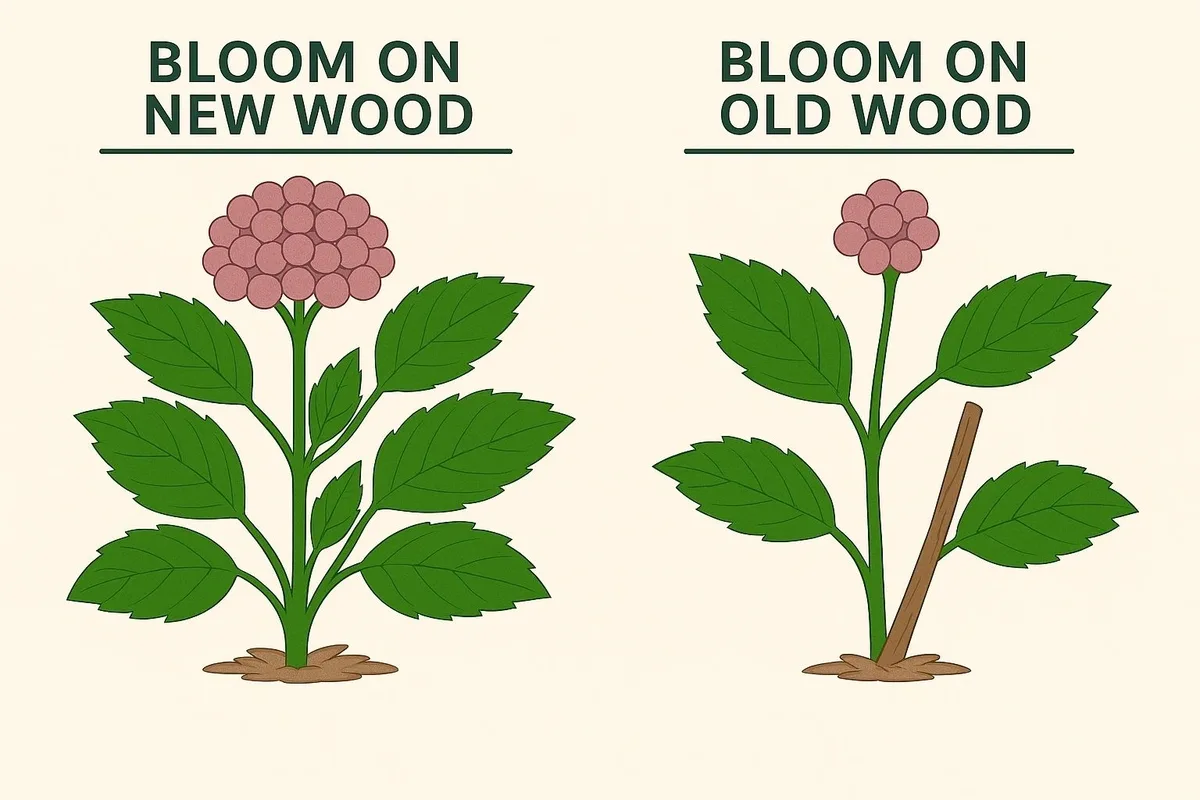
Image source: Bing (Web (fair-use with source credit))
Start with the leaves and the bloom shape. Bigleaf hydrangeas (Hydrangea macrophylla) typically have thick, glossy, serrated leaves and produce either mophead blooms, which are big round balls of petals, or lacecap blooms, which look like flat rings of small flowers around a center. Oakleaf hydrangeas have deeply lobed leaves that resemble oak tree foliage, a dead giveaway.
Panicle hydrangeas (Hydrangea paniculata) have long, cone-shaped clusters and slightly narrower, duller leaves. Smooth hydrangeas like 'Annabelle' have broad, soft leaves and rounded white or pink blooms.
You also need to check the stems. Old wood stems are brown, woody, slightly rough, and feel firm. New wood stems from the current season are greener, softer, and more flexible.
Look at the base of the plant. If you see a pile of old brown canes, those are carrying buds for species that bloom on old wood. If your hydrangea sends up bright green shoots from the ground every spring and blooms on those tips, it's likely a smooth or panicle type.
One more category is worth knowing: reblooming hydrangeas. These are sometimes called remontant hydrangeas. They bloom on old wood in early summer, then on new wood later in the season.
Varieties like 'Endless Summer' are bred for this. They're forgiving if you mess up, because they can still push out flowers on the current year's growth.
Once you've sorted your plant into one of those groups, the pruning timing becomes obvious.
Decision Tree: When to Prune, Based on Your Hydrangea Type
Here's the decision tree in plain language. Ask yourself two questions. First, what kind of hydrangea do you have?
Second, when does it bloom?
If it's a bigleaf, mountain, or oakleaf hydrangea, it blooms on old wood. That means you prune right after the flowers fade in summer. You have a narrow window, usually from mid-summer to early August.
Anything later risks cutting off next year's buds.
If it's a panicle or smooth hydrangea, it blooms on new wood. You can prune in late winter or very early spring while the plant is still dormant. That's when you can safely cut back hard without sacrificing a single bloom.
If you have a reblooming variety, you get a little flexibility. Cut out dead stems in spring, then lightly shape after the first flush of flowers. The plant will still bloom on new growth.
Here's a quick reference table:
| Hydrangea Type | Blooms On | Best Time to Prune |
|---|---|---|
| Bigleaf (mophead/lacecap) | Old wood | Right after flowers fade in summer |
| Mountain | Old wood | After flowering |
| Oakleaf | Old wood | After flowering |
| Panicle | New wood | Late winter to early spring |
| Smooth (e.g., 'Annabelle') | New wood | Late winter to early spring |
| Climbing | Old wood | After flowering |
| Reblooming (e.g., 'Endless Summer') | Both | Light touch: dead stems in spring, shape after first bloom |
That table sums up the whole decision tree. If you're standing there in March, shears in hand, and you don't know your type, put the shears down. Wait until you see leaves, or google "bigleaf hydrangea leaves" and compare a photo.
Guessing is what leads to sad, flowerless summers.
Step-by-Step Pruning Guide: The Right Cuts, Tools, and Heights
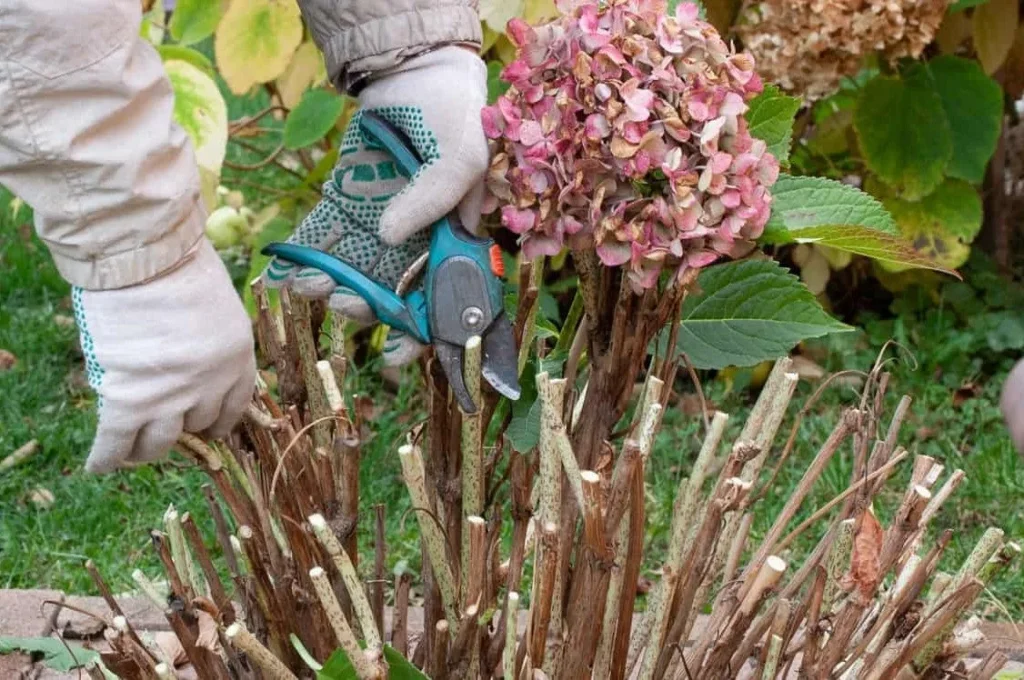
Once you know your hydrangea type and the right season, the actual cutting is straightforward. You need three tools in most cases: bypass pruners for stems up to half an inch thick, loppers for stems up to an inch and a half, and a pruning saw for old, thick canes. Fiskars and Felco make solid, reliable options, but any sharp bypass-style tool will do.
Avoid anvil pruners on hydrangeas, they crush the stem instead of making a clean slice.
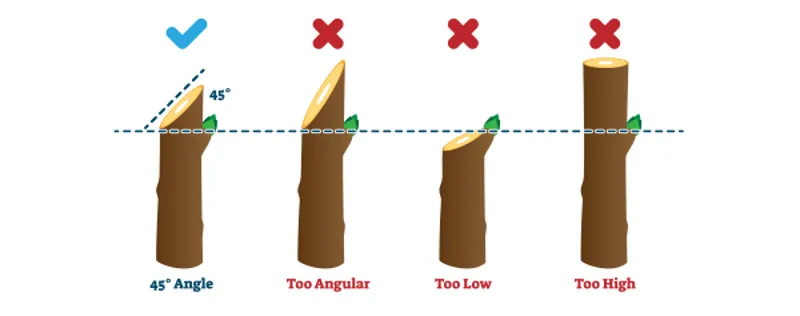
Image source: Web (Bing) / yates.co.nz (Web image (fair-use with source credit))
Start by removing anything dead, damaged, or crossing. Dead stems are easy to spot in late winter because they're brittle, gray, and snap instead of bending. Cut those at the base.
This keeps the plant tidy and opens up the center for airflow.
Next, thin out a few of the oldest stems. On mature plants, take out about one third of the oldest canes each year. This is called renewal pruning, and it keeps the plant vigorous instead of letting it turn into a woody stump.
Cut those canes as close to the ground as you can, without leaving a long stub.
When you make a cut, aim for a 45-degree angle right above a healthy outward-facing bud. The bud is a small, slightly swollen point on the stem where new growth will emerge. Cutting just above it keeps the remaining stem alive and directs new growth outward.
Don't leave a long stub above the bud. It will die back and invite disease.
For panicle and smooth hydrangeas, you can cut the whole plant down to 12 to 18 inches off the ground in late winter. Aggressive? Yes.
Effective? Also yes. They'll rebound quickly and produce bigger flowers on strong new stems.
For old wood types like oakleaf, skip the hard cutback. Instead, remove spent flower heads after bloom and only lighten the structural canes.
Clean your tools between plants. A quick wipe with rubbing alcohol prevents spreading bacteria that cause leaf spot and stem dieback. It takes ten seconds.
It's worth it.
Common Mistakes That Cost You Blooms
The first mistake people make is pruning in the wrong season. If you cut a bigleaf hydrangea in March, you are cutting off every flower bud that formed last summer. That plant will spend the whole year making leaves and nothing else.
Another frequent error is cutting every stem to the ground. Smooth hydrangeas tolerate this. Panicle hydrangeas tolerate it too.
But bigleaf, oakleaf, and mountain hydrangeas do not. They need those old stems to bloom. Cut them all the way down and you get a green bush with zero color.
Deadheading too far down is also a problem. On old wood varieties, the flower heads sit at the tip of the stem. If you snip the stem halfway down, you remove the buds just below the flower.
Those buds are next year's blooms. The safe way to deadhead is to cut the flower head off just above the first pair of healthy leaves below it, leaving most of the stem intact.
People also prune at the wrong height. A panicle hydrangea that gets tip-pruned at knee height will grow lopsided, with blooms too low to see. Keep your cuts consistent, and for panicle and smooth types, go hard or go home.
Light trimming leads to floppy stems.
Not pruning at all is the sneaky mistake. After a few years, the plant gets dense at the top, flowers shrink, and stems get woody. A neglected hydrangea doesn't bloom well even if you do nothing wrong with timing.
A light annual renewal prune keeps it young and productive.
Here is a quick checklist of what to avoid:
- Pruning bigleaf or oakleaf in fall or spring. Wait until summer bloom is done.
- Cutting old wood varieties to the ground.
- Deadheading deep on old wood stems.
- Shearing the whole plant into a ball shape.
- Leaving dead stubs that invite pests.
- Using dull tools that crush stems.
Frequently Asked Questions
When is the absolute safest time to prune all hydrangeas?
There is no single safe time for all types. For panicle and smooth hydrangeas, late winter is safe. For bigleaf, oakleaf, and mountain hydrangeas, the only safe window is right after they finish flowering.
If you prune at the wrong time, you lose flowers.
Can I prune hydrangeas in the fall?
Not if you want flowers next year. Fall pruning removes stems that carry buds for old wood types. Even on new wood varieties, fall cuts can stimulate tender new growth that winter kills.
Stick to the species-specific schedule.
How do I know if my hydrangea blooms on old wood or new wood?
Look at the stems. Old wood stems are brown and woody. New wood stems are green and soft.
Also look at bloom time. A hydrangea that flowers in early to mid-summer on tall stems from last year is old wood. A hydrangea that blooms later in summer on fresh green shoots is new wood.
What happens if I prune a bigleaf hydrangea in spring?
You remove the buds. The plant will push out leaves but few or no flowers that season. It usually recovers and blooms the next year, but you lose a whole summer of color.
Should I deadhead hydrangeas or leave the old blooms?
Deadheading is optional but beneficial on old wood types. Snip the faded flower head off just above the first pair of healthy leaves. Leave the rest of the stem alone.
On panicle and smooth hydrangeas, deadheading is not necessary but keeps the plant tidy.
How low can I cut a smooth hydrangea like 'Annabelle'?
You can cut it to six inches from the ground. Smooth hydrangeas bloom on new wood and respond well to a hard cutback in late winter to early spring. They will grow back vigorously with larger blooms on stronger stems.
Final Verdict: What to Do With Your Hydrangea This Season
Start by identifying your plant. Look at the leaves, the bloom shape, and the stems. Once you know if it blooms on old wood, new wood, or both, the rest falls into place.
For old wood types, prune in summer right after flowering. Remove spent heads just above a leaf node, take out dead stems, and thin the oldest canes by about a third. Stop by early August.
For new wood types, wait until late winter or early spring. Cut back to 12 to 18 inches, remove dead wood first, and shape the plant before new growth pushes. Do not prune in summer.
For reblooming types, cut out dead stems in spring, let the first flush of flowers come, then lightly shape after that. You have more room for error here, but less is still more.
Clean your tools between cuts, make angled slices above outward-facing buds, and never shear the whole plant into a ball. That is the whole process. It takes maybe twenty minutes once a year.
If you follow that flow, your hydrangeas will bloom reliably every season. No guessing, no frustration, no sad flowerless summers. Just consistent results from a plant that rewards the right cut at the right time.