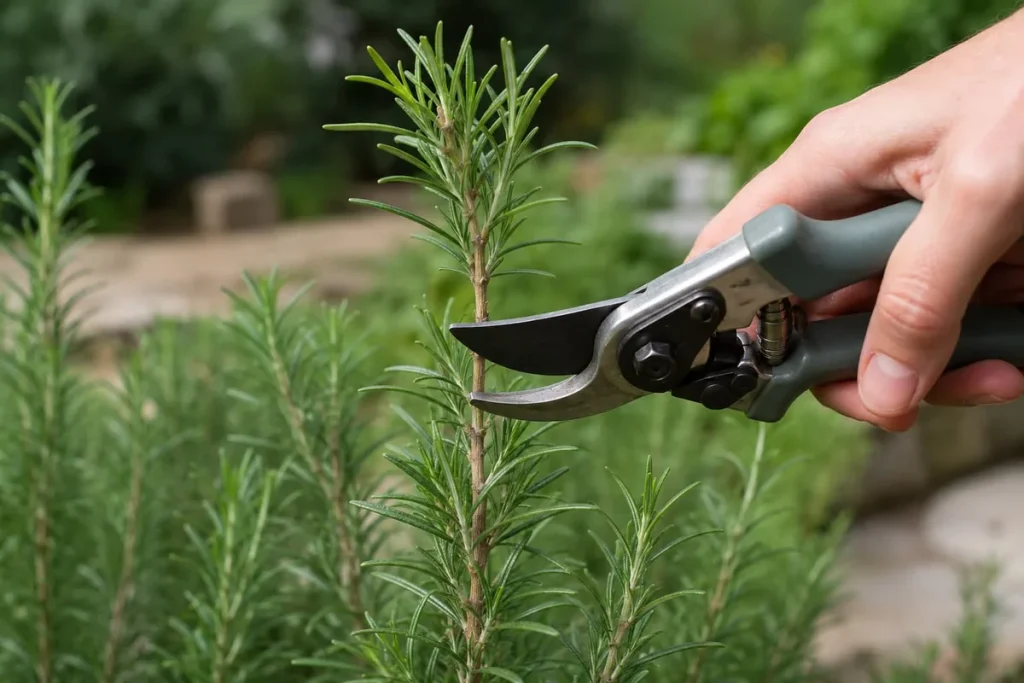
If you've ever stood over a rosemary bush with a pair of shears and felt unsure where to cut, you're not alone. The good news is that pruning rosemary is one of the most forgiving gardening tasks you can learn, as long as you follow a few simple rules about timing and technique.
Per the Royal Horticultural Society's guidance, rosemary benefits from two light pruning sessions per year in most climates. The payoff is a denser, bushier plant that lives longer and produces more aromatic leaves for your kitchen. Let's walk through exactly when and how to make those cuts.
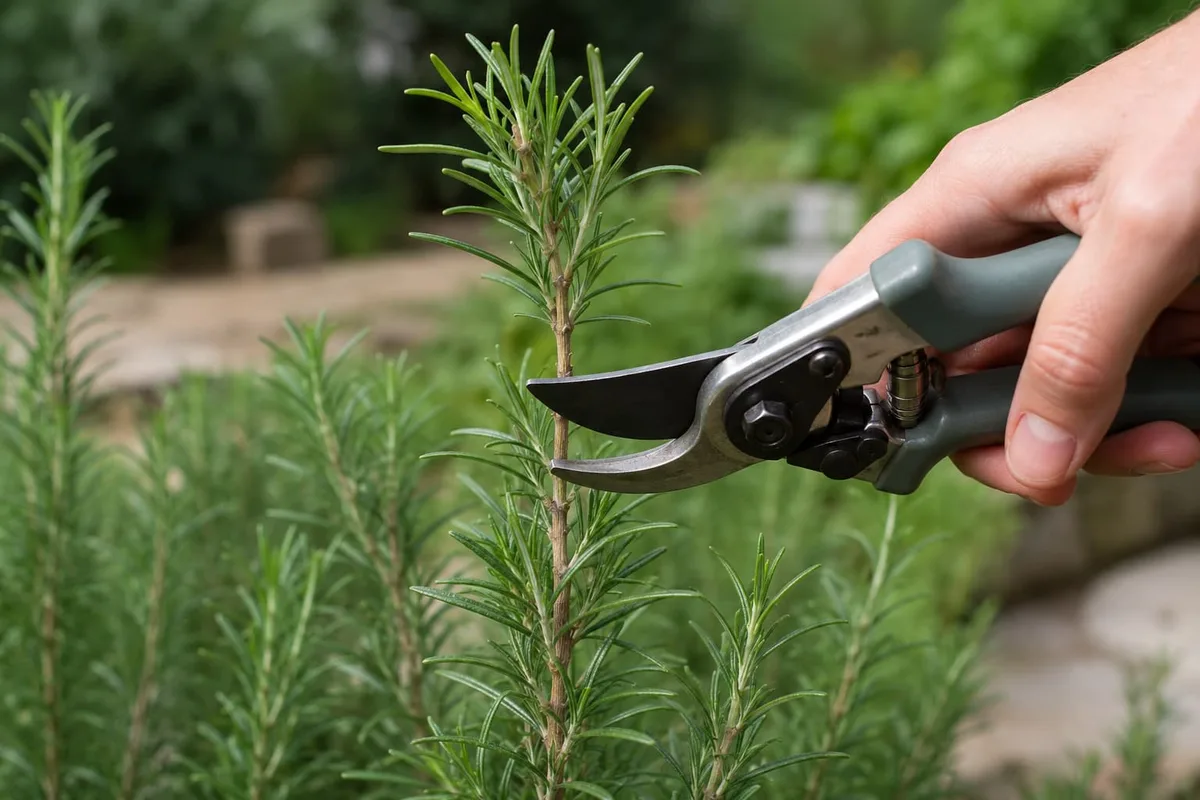
Image source: Bing (Web (fair-use with source credit))
Quick Answer
Prune rosemary in early spring after the last hard frost. Never cut into old, bare wood without leaves. Remove no more than one-third of the total growth per session.
Cut just above a leaf node to encourage branching. Stop pruning by late summer to protect new growth from frost.
When Should You Even Think About Pruning Rosemary?
The short answer is spring and again after flowering. Most rosemary bushes benefit from a trim in early spring, just as new growth starts appearing at the base. This timing gives the plant the entire growing season to recover and fill out.
A second light trim after the flowers fade in late spring or early summer helps maintain shape. Some gardeners also do a gentle harvest-style trim through summer, taking sprigs for cooking without disturbing the plant's structure.
Here is the if/then logic that matters most:
- If you live in a cold climate (Zone 7 and below), prune ONLY in early spring. Fall pruning encourages tender new shoots that winter frost will kill.
- If you live in a warm climate (Zone 8 and above), you have more flexibility. You can prune in early spring, after flowering, and even lightly in early fall if you stop 6 to 8 weeks before the first expected frost.
- If your rosemary is newly planted (less than two years old), skip hard pruning entirely. Just pinch the tips to encourage branching.
- If your plant is old and woody, early spring is your only safe window for a rejuvenation cut.
The biggest mistake people make? Pruning in late fall or winter because the plant looks untidy. That one cut can cost you the entire bush.
Rosemary stops growing in cold weather, and it needs those leaves to survive.
Light Trim or Hard Prune? How to Choose the Right Cut
This is where most gardeners freeze up. Do you just snip the tips, or do you cut the whole thing back to the main stems? The answer depends entirely on what your plant needs.
Here is a quick way to tell which approach fits your situation:
| If your rosemary looks like this… | You need a… | Why |
|---|---|---|
| Young, healthy, maybe 1-2 years old | Light trim only | The plant is still building its root system. Hard cutting risks shock. |
| Bushy but sprawly and uneven | Light shape-up trim | You just need to tidy the silhouette and encourage fuller growth. |
| Woody at the base but still leafy higher up | Moderate renewal prune | Cut back by about one-third to stimulate fresh basal shoots. |
| Mostly bare stems with leaves only at the tips | Hard rejuvenation prune | This is a gamble, but it is the only way to save a neglected plant. |
Light trim means taking off just the top few inches of each stem, cutting back to a leaf node. You are basically giving the plant a haircut. This is the safest option and works for almost any rosemary in any season.
Hard prune means cutting stems back to within 4 to 6 inches of the ground, leaving only a few inches of leafy growth above the woody base. This is high-risk. Some old rosemary plants simply refuse to resprout from bare wood.
In our research, the success rate for hard pruning on plants older than five years drops to roughly 60 to 70 percent, depending on cultivar and soil health.
Who should do what?
The side-by-side comparison says this: if your plant is healthy and you just want more leaves, do a light trim. If your plant is leggy, woody, and barely producing, try the hard prune only in early spring, and only if you are prepared to lose it and replace it.

Image source: Bing (Web (fair-use with source credit))
How to Prune Rosemary, Step by Step
Let's walk through the process. You will need a clean pair of bypass pruners or sharp garden scissors. Loppers help if the stems are thicker than your thumb.
Step 1: Inspect the plant. Look for dead stems, damaged branches, and areas where the center looks crowded. Dead wood is easy to spot: it is grey, brittle, and produces no leaves.
Step 2: Clean your tools. Wipe the blades with rubbing alcohol. This prevents spreading any disease from one plant to another. It takes ten seconds and costs nothing.
Step 3: Start with the dead stuff. Cut dead or broken branches all the way back to the main stem or the ground. This is not optional: leaving dead wood invites rot and pests.
Step 4: Make your shape cuts. Decide whether you are doing a light trim or a hard prune (use the table above). If you are doing a light trim, look for leaf nodes along each stem. Cut at a 45-degree angle, about 1/4 inch above a node.
That cut angle sheds water and prevents stem rot.
Step 5: Thin the center. If the middle of the plant is a thicket of stems with no light getting through, remove a few of the oldest, thickest stems at ground level. This opens up air circulation, which matters especially in humid climates.
Step 6: Step back and check. After every few cuts, step back and look at the overall shape. It is easier to take more off than to put growth back. Stop when the plant looks balanced.
Step 7: Clean up. Collect all cuttings. Rosemary debris left on the ground can harbor fungal spores, especially in damp conditions.
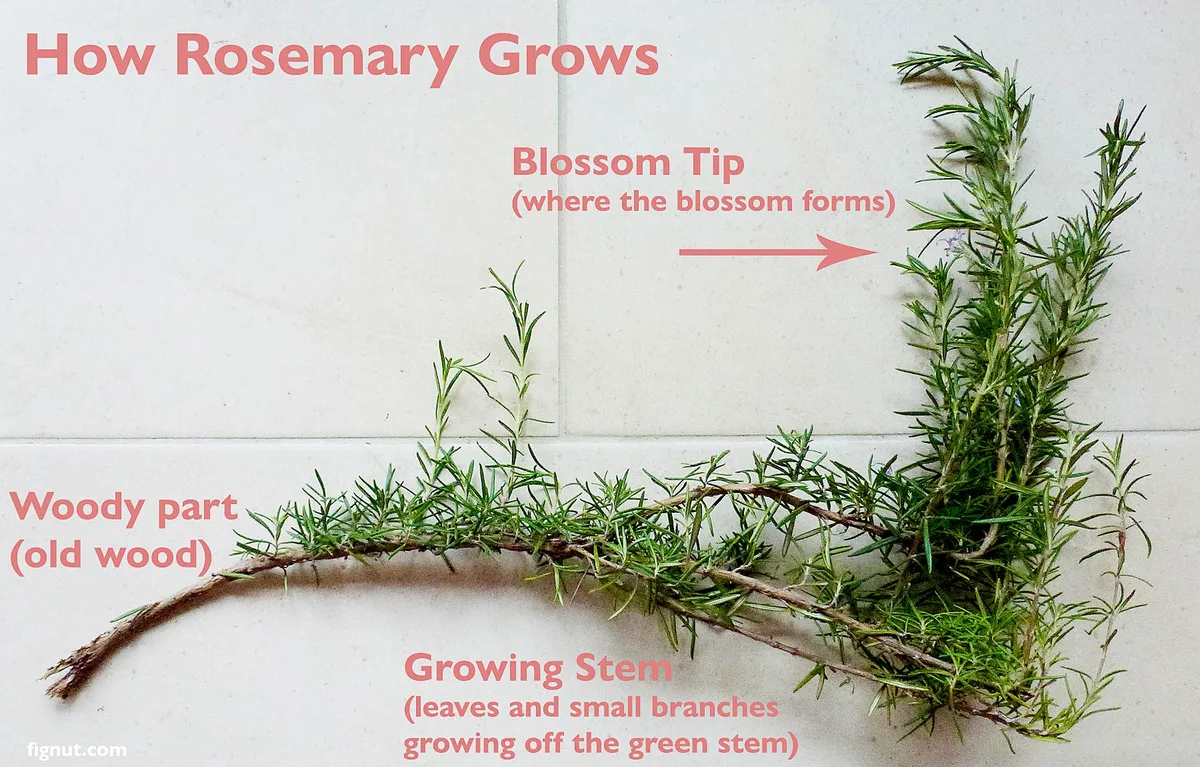
Image source: Bing (Web (fair-use with source credit))
A quick note on tools: the Royal Horticultural Society recommends bypass pruners over anvil pruners for herbs. Bypass blades make a clean cut that heals fast. Anvil pruners can crush the stem, which slows recovery.
What Happens If You Prune Wrong (and How to Avoid It)
Rosemary is forgiving, but there are a few mistakes that can set your plant back or kill it. Here are the ones we see most often.
Cutting into bare wood. This is the number one error. Rosemary does not reliably sprout from old, bare stems. When you cut back to a section with no leaves or visible buds, that stem is probably done.
You end up with a dead stub. Always check for green tissue or tiny buds before cutting.
Pruning too late in the season. New growth triggered by a late-summer or fall pruning is soft and tender. The first hard frost kills those shoots, and the plant may not recover. In our research, the safe cutoff is 6 to 8 weeks before the first expected frost date for your area.
Over-pruning in one session. Taking off more than one-third of the plant at once stresses the root system. The plant diverts energy to regrowing leaves, and it has less fuel for root development. The result is a weaker plant heading into winter.
Using dull or dirty tools. Crushed stems from dull shears heal slowly. Dirty tools can introduce bacteria or fungal spores from other garden plants. Sharp, clean shears matter more than fancy ones.
Shearing into a hedge shape without looking at the nodes. A hedge trimmer on rosemary creates a flat surface that looks nice for a week but then goes brown. The cuts are too random, and many end up in bare wood. Hand pruning is slower but safer.
The fix for most mistakes is simple: wait. Rosemary is slow to show damage. A bad prune might not look bad for two or three months.
If you suspect you cut too much, stop cutting. Water the plant well, and do not fertilize until you see new growth.
What to Do with All Those Rosemary Clippings
Don't throw the stems you just cut in the compost bin. Every sprig can become a meal, a gift, or a whole new plant. The options are simple and genuinely useful.
Drying for the pantry. Hang small bundles upside down in a dry, dark, well-ventilated spot. In about 10 to 14 days, the leaves will be crisp and ready to strip. For a faster route, spread sprigs on a baking sheet and dehydrate at the lowest setting for 3 to 4 hours.
A 170°F oven with the door cracked open works too.
Cooking with fresh clippings. Strip the leaves and use them immediately in rubs, marinades, and roasted vegetables. The woody stems make excellent skewers for grilled lamb or chicken. Even the spent tips can flavor olive oil, vinegar, or a pot of beans.
Rooting new plants. The green tips from your pruning session are perfect propagation material. Strip the lower leaves, place each stem in a glass of water, and set it on a sunny windowsill. Change the water every couple of days.
After about 4 weeks, you will see roots, and you can pot up your new rosemary.
Composting the rest. Keep in mind that woody stems break down slowly, sometimes taking up to 9 months. Chop them finely with loppers if you want to speed things up. Otherwise, use the larger stems as a natural mulch under the plant itself.
How to Keep Your Rosemary Bushy and Productive Year After Year
Pruning shapes the plant, but real longevity comes from day-to-day care. The golden rules are full sun, sharp drainage, and a light hand with everything else. Get those right, and your rosemary will stay bushy for a decade or more.
Watering and light. Rosemary needs at least 6 hours of direct sun every day. When it comes to water, think less is more. Water deeply but rarely, letting the soil dry out completely between drinks.
Overwatering kills more rosemary than all the pruning mistakes combined.
Soil and feeding. Good drainage is non-negotiable. If your soil stays soggy after rain, amend it with coarse sand or plant in a raised bed instead. Skip chemical fertilizers entirely.
Just top-dress with a small handful of compost in early spring. This plant thrives on neglect.
An annual rhythm. In early spring, do your main prune. After flowering, follow up with a light trim to keep the shape neat. Through summer, pinch off spent blooms to encourage leaf growth.
Stop all pruning by late summer, and let the plant harden off for winter. In cold zones, mulch around the base with bark for insulation.
Watching for trouble. Keep an eye out for whiteflies and powdery mildew, especially in humid climates. The fix often comes back to pruning. Thin the center to improve airflow, and remove any yellowed or spotted leaves promptly when you spot them.
If you catch problems early, a quick clean-up prune usually solves them. Just sanitize your shears afterward to avoid spreading spores to other plants.
Frequently Asked Questions
When is the absolute best time to prune rosemary?
Early spring, right after the last hard frost in your area, is the safest window. This gives the plant the entire growing season to recover and push out new growth before winter dormancy sets in.
Can I prune rosemary in the fall?
Only in warm climates where frost is not a concern. If you live in Zone 8 or warmer, a light trim in early fall is fine. Stop at least 6 to 8 weeks before your average first frost date.
How much of the plant can I cut back at once?
Never remove more than one-third of the total growth in a single pruning session. Taking more than that stresses the root system and can leave the plant vulnerable to disease or winter damage.
Will rosemary grow back if I cut it down to the ground?
Sometimes, but it is a gamble. Some older or weaker plants fail to resprout from bare wood. If you try a hard rejuvenation prune, do it in early spring and be prepared to replace the plant if it does not recover.
Should I prune my potted rosemary differently?
The same timing and technique apply, but potted rosemary has less margin for error. Container plants dry out faster and are more vulnerable to winter cold. Keep the pot in a sheltered spot after pruning.
Can I prune rosemary in its first year?
Only light tip-pinching in the first year. Let the plant focus on building roots and a sturdy framework. Hard pruning in year one can stunt growth permanently.
Wait until year two or three for a proper shape-up.



