Pruning lavender is one of those gardening tasks that looks far more terrifying than it actually is. Most people who kill their lavender don't do it through neglect; they do it by cutting at the wrong time or in the wrong place. The plant has strict rules about how it regrows, and once you understand those rules, you won't lose another one.
As of 2026, the Royal Horticultural Society still leads its guidance with the same core principle: never cut into old wood. Lavender doesn't regrow from brown, bark-covered stems, so where you place those secateurs matters more than how much you remove. That single rule saves more plants than any fertilizer or watering trick ever will.
Here's the exact framework we use to decide when, where, and how much to cut.
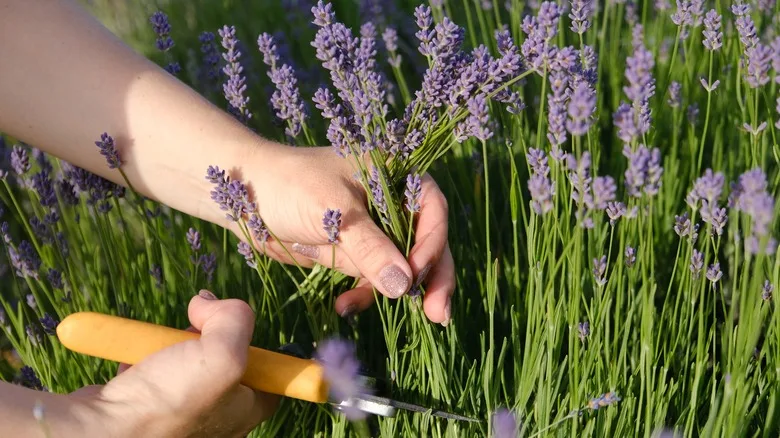
Image source: Web (Bing) / gardenguides.com (Web image (fair-use with source credit))
Quick Answer
Pruning lavender comes down to two cuts per year. Cut spent flower stems in summer, after the first flush fades. Shape the plant lightly in spring.
Never cut into brown, woody stems.
Remove no more than one-third of the green growth at a time.
The single habit that matters most is a fast post-bloom deadhead. It triggers a second flush of flowers, keeps the plant compact, and stops the center from going woody. Skip it for a few years and the plant turns into a sprawly mess that's almost impossible to fix.
Core Decision: Your Lavender Type and Age
Before you cut anything, identify what you're growing. Pruning lavender correctly comes down to two variables: the variety and the plant's age. Get those right, and the rest is just technique.
English Lavender vs. French Lavender vs. Lavandin
English lavender (Lavandula angustifolia) is the most forgiving. It sprouts new growth from lower stems, so you can cut back fairly hard without much risk. French lavender (Lavandula stoechas), the one with bunny-ear blooms, is far more sensitive.
It only produces new buds on green tips, so cutting into the woody base leaves permanent bare spots. Lavandin (Lavandula x intermedia) behaves like English lavender but grows bigger and faster, which means annual shaping is mandatory or it flops open.
The photo below shows the key difference visually. French lavender carries those distinct bracts on top, and its wood develops faster than English types.
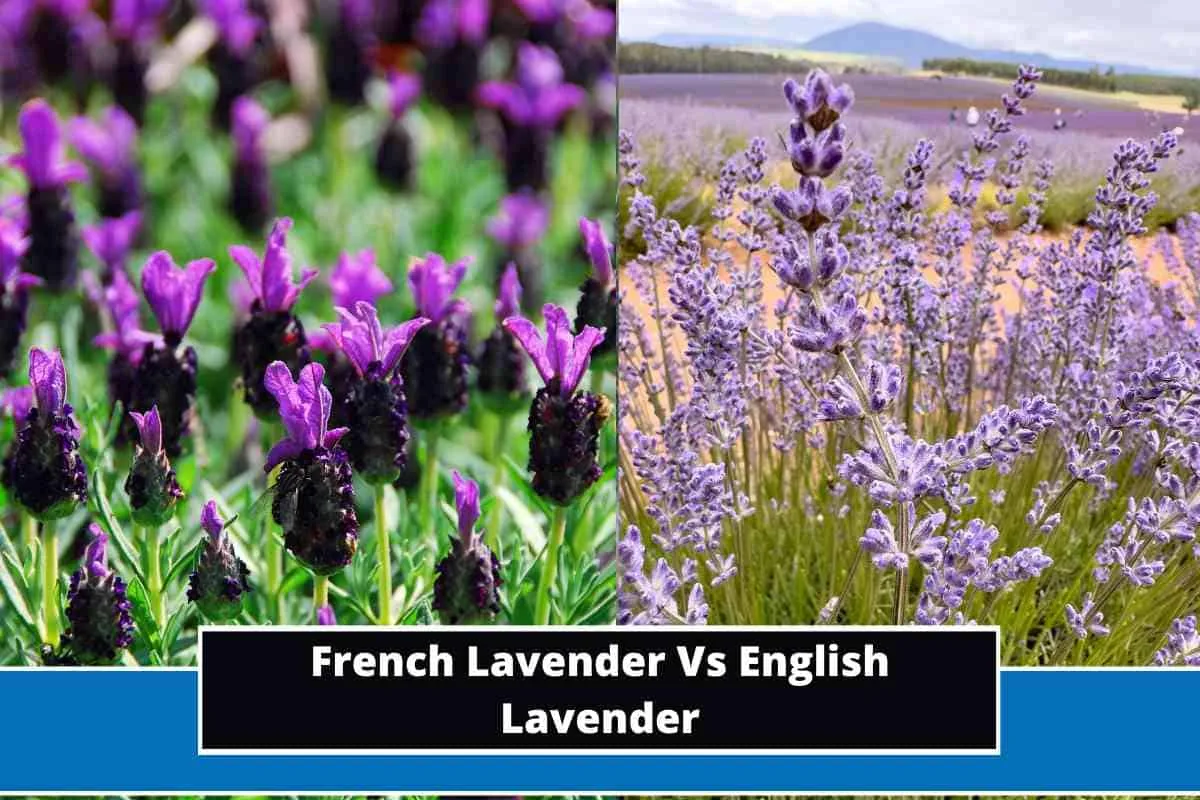
Image source: Web (Bing) / homemashal.com (Web image (fair-use with source credit))
Young Plant vs. Mature Plant vs. Woody Neglected Plant
Your pruning approach changes with age. In the first two seasons, the goal is building a dense mound. Cut back a third of the green growth after the first bloom, and you'll get a tight, bushy shape.
By year three, the plant is mature. Give it the same post-bloom cut, but also remove any leggy, sprawling stems that ruin the silhouette.
A neglected, woody plant is the hardest case. Grey, bark-covered stems don't sprout buds. If the center is bare and only the outer tips are green, replacement beats renovation more often than not.
The Actual Pruning Process (Two Scenarios)
Once you know what you're growing, the actual cutting takes minutes. Here's the maintenance routine that keeps lavender thriving, plus the rescue attempt for plants that have gone woody.
Maintenance Prune: Annual Shape and Bloom Boost
Follow these steps in order:
- Wait until the first flush of flowers fades. This is usually late June to mid-July in most zones.
- Find the green leaf pairs below each spent bloom spike.
- Cut about two inches below the flower, right above a pair of leaves.
- Work around the whole plant, shaping it into a rounded dome.
- Stop when you've removed roughly a third of the total height.
Two to three weeks later, tiny green shoots will emerge from the cut nodes. That's the plant telling you the prune worked. The dome shape matters more than you'd think, because flat-topped lavender collects water in the center and invites mildew.
Renovation Prune: Trying to Save an Old Plant
For a plant that's already woody in the middle but still pushing green growth around the edges, one last technique exists. Cut the entire plant back to about six inches above the ground, but only if you can spot tiny green shoots near the base. No green at the base means no hope, and the cut will just leave a dead stump.
Even when renovation succeeds, expect a rough recovery. It can take two to three seasons before the plant looks like proper lavender again. Given the cost of a new nursery plant as of 2026, most gardeners are better off replacing the old one and starting fresh with a proper annual prune.
Common Mistakes (And How They Happen)
Most lavender deaths follow one of two patterns. The first is cutting into the wrong tissue. The second is pruning at the wrong time of year.
Both are completely avoidable.
The Wood Problem: Why You Killed It Without Meaning To
Cutting into old wood is the leading cause of lavender death, and it's an easy mistake to make. In early spring, a lavender plant looks like a bundle of dead grey sticks. It's tempting to cut the whole thing back to a tidy stump.
That's lethal.
Lavender, unlike most shrubs, has no dormant buds in its woody stems. Once you cut below the green zone, the branch is gone for good. Here's how to spot the danger line before you cut.
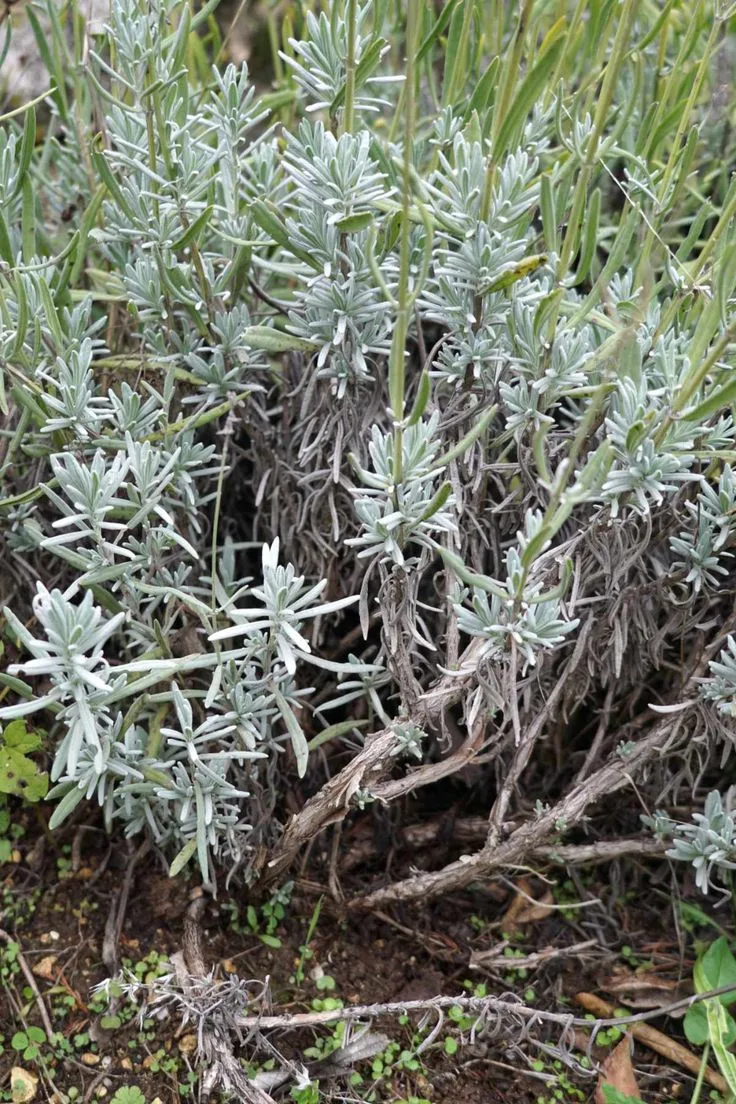
Image source: Web (Bing) / pinterest.com (Web image (fair-use with source credit))
Green, flexible stems are safe. Grey, bark-covered stems are not. If you cut a stem and see solid white or tan inside with no green ring, you're in the kill zone.
Timing Errors: Pruning Too Early, Too Late, or Not At All
Prune too early in spring and a late frost can toast every fresh cut. Prune too late in autumn, and the tender new growth won't harden off before winter. Not pruning at all is just as bad.
After three or four years, the plant splits open in the middle, the exposed wood rots, and the whole thing collapses.
The workable window sits between spring's last frost and late summer. Within that window, the post-bloom cut gives the plant the best recovery odds. The only hard rule is the stopping date: six weeks before your first expected frost.
After that, don't touch it.
When and Where: Seasonal Timing by Climate and Zone
Timing varies by region, but the logic stays consistent. Lavender needs time to heal and harden off before cold weather arrives.
Spring Cleanup vs. Summer Shape-Up
The year has two distinct pruning seasons. In early spring, when you see fresh green growth at the base, do a light cleanup. Remove winter-killed tips and broken branches.
That keeps damage from spreading and gives the plant a clean start.
In summer, right after the first bloom flush, do the real shape-up. This cut determines how compact the plant grows and whether you'll get a second round of flowers.
When to Stop (The Frost Date Rule)
The frost date rule is simple: stop pruning six weeks before your first expected frost. New growth takes roughly that long to harden off. Cut later, and the fragile shoots may not survive the first freeze.
The exact timing shifts depending on where you live. Here's a quick reference for the main prune window:
| Zone | Main Prune Window | Final Pruning Date |
|---|---|---|
| Zones 5-6 (cold winters) | Mid-June to early July | Mid-August |
| Zones 7-8 (moderate) | Late June to mid-July | Early September |
| Zones 9-10 (mild) | July with fall touch-up | Late September |
For precise dates in your area, check the USDA Plant Hardiness Zone Map or your local cooperative extension office. The Royal Horticultural Society also publishes detailed lavender pruning guidance for colder climates.
Frequently Asked Questions
Can I save a lavender plant that is all wood?
Probably not. If the entire plant is grey, bark-covered stems with no green leaves anywhere, it won't regrow. Lavender does not push new shoots from old wood.
Your best option is to replace it. A fresh nursery plant costs less than two seasons of frustrated nursing.
What if I prune at the wrong time?
One wrong-timed prune rarely kills the plant. Pruning too early in spring risks frost damage on new cuts. Pruning too late in fall leaves tender growth exposed to winter kill.
The plant may look rough for a season, but it usually recovers if you stop cutting and wait for the next correct window.
How do I know if I cut into old wood?
Look at the stem color. Green or slightly tan stems are safe. Grey, cracked, bark-covered stems are dead wood.
If you cut a stem and see solid white or tan inside with no green ring, you've hit the kill zone. That branch will not regrow, ever.
Should I prune lavender in its first year?
Yes, lightly. In the first season, trim the flower spikes after they bloom. That encourages branching and builds a dense, mounded shape.
Do not take more than a third of the plant's height. A good start in year one prevents the woody center problem later.
Can I use hedge shears instead of hand pruners?
You can, but be careful. Hedge shears make it easy to cut into old wood because you lose precision. They also leave a flat top that traps moisture.
Hand pruners let you shape a dome and cut above leaf pairs. Use shears only for very large hedges where speed matters more than perfection.
Why did my lavender die after I pruned it last year?
The most common cause is cutting into old wood. The second most common is pruning in late fall, which sent tender new growth into winter without hardening off. The third is taking too much at once, removing so much foliage the plant couldn't photosynthesize enough to survive.
One-Minute Decision Guide
Here's how to decide your next move:
- If you have English lavender with green stems: prune after first bloom, cut to a dome, stop by late summer.
- If you have French lavender: deadhead only, never cut into woody stems, shape very lightly.
- If you have a young plant under two years: cut back a third after bloom to build a dense mound.
- If you have a woody plant with green only at the tips: replace it. Renovation rarely pays off.
- If you missed the prune window: wait. Pruning too late is worse than not pruning at all.
- If you are unsure about timing: check your zone on the USDA map and count back six weeks from first frost.
That's the whole system. Identify your plant, pick the right window, cut above green leaves, and stop at the frost date rule. Follow those four decisions and your lavender will outlive most of the other shrubs in your garden.
Pruning Tools: What You Actually Need
You don't need a fancy arsenal to prune lavender properly. A pair of sharp bypass secateurs handles most of the work. They make clean cuts through green stems up to a pencil's thickness.
Bypass blades, which scissor past each other, are better than anvil types because they don't crush the stem.
For large, mature hedges, a pair of hedge shears speeds things up considerably. Use them only for the bulk of the green growth, then switch to hand pruners for the precise cuts above leaf pairs. Avoid electric trimmers.
They shred the stems and make it far too easy to slice into old wood.
Loppers have a narrow role. They're useful only for renovation pruning on a very old plant, where you're cutting through the woody trunk. In that case, disinfect the blades with rubbing alcohol between cuts to prevent spreading fungal disease.
Frequently Asked Questions
Can I save a lavender plant that is all wood?
Probably not. If the entire plant is grey, bark-covered stems with no green leaves anywhere, it won't regrow. Lavender does not push new shoots from old wood.
Your best option is to replace it. A fresh nursery plant costs less than two seasons of frustrated nursing.
What if I prune at the wrong time?
One wrong-timed prune rarely kills the plant. Pruning too early in spring risks frost damage on new cuts. Pruning too late in fall leaves tender growth exposed to winter kill.
The plant may look rough for a season, but it usually recovers if you stop cutting and wait for the next correct window.
How do I know if I cut into old wood?
Look at the stem color. Green or slightly tan stems are safe. Grey, cracked, bark-covered stems are dead wood.
If you cut a stem and see solid white or tan inside with no green ring, you've hit the kill zone. That branch will not regrow, ever.
Should I prune lavender in its first year?
Yes, lightly. In the first season, trim the flower spikes after they bloom. That encourages branching and builds a dense, mounded shape.
Do not take more than a third of the plant's height. A good start in year one prevents the woody center problem later.
Can I use hedge shears instead of hand pruners?
You can, but be careful. Hedge shears make it easy to cut into old wood because you lose precision. They also leave a flat top that traps moisture.
Hand pruners let you shape a dome and cut above leaf pairs. Use shears only for very large hedges where speed matters more than perfection.
Why did my lavender die after I pruned it last year?
The most common cause is cutting into old wood. The second most common is pruning in late fall, which sent tender new growth into winter without hardening off. The third is taking too much at once, removing so much foliage the plant couldn't photosynthesize enough to survive.
One-Minute Decision Guide
Here's how to decide your next move:
- If you have English lavender with green stems: prune after first bloom, cut to a dome, stop by late summer.
- If you have French lavender: deadhead only, never cut into woody stems, shape very lightly.
- If you have a young plant under two years: cut back a third after bloom to build a dense mound.
- If you have a woody plant with green only at the tips: replace it. Renovation rarely pays off.
- If you missed the prune window: wait. Pruning too late is worse than not pruning at all.
- If you are unsure about timing: check your zone on the USDA map and count back six weeks from first frost.
That's the whole system. Identify your plant, pick the right window, cut above green leaves, and stop at the frost date rule. Follow those four decisions and your lavender will outlive most of the other shrubs in your garden.