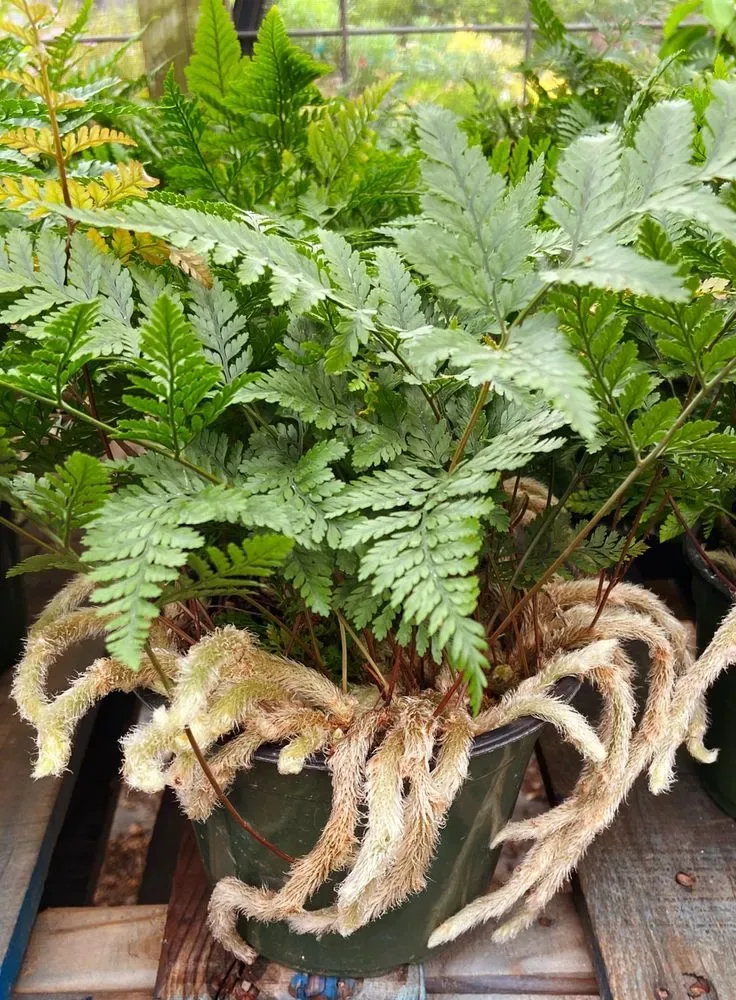
Image source: Web (Bing) / myplantin.com (Web image (fair-use with source credit))
The Short Version: Rabbit's Foot Ferns Are Easier Than You Think
Start here for the one-paragraph cheat sheet, why this fern is different, and why your plant's "feet" are the best health signal you'll ever get.
The fuzzy rhizomes, commonly called the "feet," are not roots in the traditional sense. They store water and nutrients for the plant. Their appearance tells you almost everything you need to know about the fern's health.
Firm and fuzzy with a light brown color means your plant is happy. Soft, dark, or mushy feet signal overwatering or poor drainage. Dry, shriveled, or crispy feet point to underwatering or humidity that is too low.
The fronds also offer clues. Bright green, upright fronds mean conditions are good. Brown tips on the fronds usually indicate low humidity.
Yellowing fronds often come from too much water or not enough light. The real secret to this plant's care is consistency. It does not need a green thumb.
It needs a predictable routine. Water when the top inch of soil feels dry. Give the fronds a light mist weekly if your home is dry.
Keep the pot out of direct sunlight. Do those three things, and the fuzzy feet will do the rest.
The Care Basics: Light, Water, Humidity, and Temperature
The four levers that control everything. Quick reference ranges, how seasons change the routine, and what "bright indirect light" actually means in a real room.
| Factor | Ideal Range | Notes |
|---|---|---|
| Light | Bright indirect to moderate | North or east-facing window is perfect. A few feet back from a south or west window also works. Direct sun burns the fronds. |
| Water | When top 1 inch of soil is dry | Stick your finger in. If it feels dry at the first knuckle, water thoroughly until it drains from the bottom. In winter, water less often. |
| Humidity | 50% to 70% | Below 40% causes brown tips. Use a pebble tray, a humidifier, or occasional misting. Bathrooms are often great spots. |
| Temperature | 60°F to 75°F (15°C to 24°C) | Do not let it drop below 55°F (13°C). Keep it away from cold drafts and heating vents. |
Let's break each one down a bit more.
Light. Bright indirect light means the room is well-lit, but the sun never directly hits the leaves. An eastern window is ideal because it gets gentle morning sun. A northern window works well too.
If you only have south or west windows, place the fern a few feet away from the glass or use a sheer curtain. Too little light makes the fronds grow long and leggy. Too much direct sun scorches them.
Water. This is where most people make mistakes. The fuzzy rhizomes store some water, so the fern can handle slightly dry soil better than soggy soil. Always check the soil before watering.
If the pot feels heavy, the soil is still wet. Wait a day or two. In the winter, growth slows down, so the plant needs less water.
In the summer, it may need water more often.
Humidity. This fern comes from tropical Fiji. It loves moisture in the air. If your home is dry, especially in winter, the frond tips will turn brown and crispy.
A simple solution is to group the plant with other houseplants or place the pot on a tray of pebbles with water. The water evaporates and raises the humidity around the fern. Misting helps, but it needs to be frequent enough to make a difference.
Temperature. This plant does best in normal room temperatures. Avoid sudden temperature swings. Do not put it near an air conditioner vent, a radiator, or a drafty window in winter.
Consistency matters.
The Decision Tree: What Are Your Fern's Fuzzy Feet Telling You?
The heart of this guide, a symptom-based troubleshooting map. Soft, brown, crispy, or pale feet? Yellow fronds or brown tips?
Match your plant's signs to the right fix.
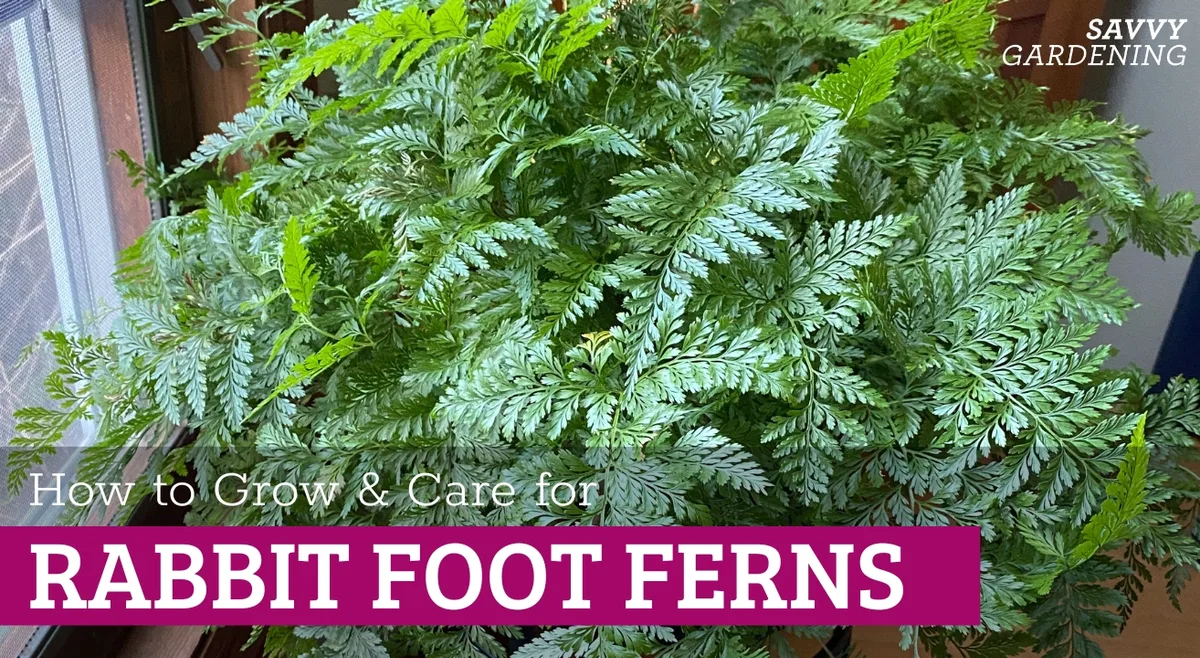
Source: Bing (Web, fair-use with source credit)
Your fern's feet are its most honest communicator. Here is how to read them.
If the rhizomes feel soft, mushy, or look dark brown or black:
- Problem: Overwatering or soil that stays too wet.
- Action: Stop watering immediately. Let the soil dry out completely. If the rot is advanced, you may need to repot into fresh, dry, chunky mix. Cut away any completely mushy rhizomes with clean scissors. Reduce your watering frequency going forward.
If the rhizomes look dry, shriveled, or feel brittle:
- Problem: Underwatering or humidity that is too low.
- Action: Give the plant a thorough soak. Water from the top until it drains out the bottom. Increase humidity around the plant. Check that the soil is not repelling water (it can become hydrophobic if dry for too long). If it is, soak the pot in a tray of water for 15 to 20 minutes.
If the frond tips are brown and crispy:
- Problem: Low humidity is the most common cause. Tap water chemicals can also cause tip burn.
- Action: Increase humidity with a humidifier, pebble tray, or group plants together. Switch to filtered, distilled, or rainwater if tap water seems to be the issue. Trim the brown tips with clean scissors.
If the fronds are turning yellow:
- Problem: Could be overwatering, not enough light, or a lack of nutrients.
- Action: Check the soil moisture first. If it is soggy, reduce watering. If the soil feels dry and the plant is in a dim spot, move it to brighter indirect light. If the plant has not been fertilized in a while, give it a dose of diluted balanced fertilizer during the growing season (spring and summer).
If the fronds look pale or leggy (long stems, small leaves):
- Problem: Not enough light.
- Action: Move the plant to a brighter location with indirect light. Do not put it in direct sun. It should respond within a few weeks with more compact growth.
If you see small, fluffy white insects or sticky residue on the leaves:
- Problem: Mealybugs or scale.
- Action: Isolate the plant. Wipe the insects off with a cotton swab dipped in rubbing alcohol. Repeat weekly until they are gone. Neem oil spray can also help.
Soil, Pots, and Repotting: A Step-by-Step Setup
Why shallow pots and a chunky, epiphytic mix matter more than you'd think. How to repot without burying the rhizomes, and what to do if you already did.

Source: Web (Bing) / greenkosh.com (Web image, fair-use with source credit)
The right soil and pot setup is non-negotiable for a healthy rabbit's foot fern. In nature, this plant is an epiphyte. It grows on trees or rocks, not in dense ground soil.
Its roots need air circulation. Heavy, water-retentive potting soil will suffocate them.
The ideal potting mix should be loose, chunky, and fast-draining. A good recipe is:
- 2 parts peat moss or coco coir
- 1 part perlite
- 1 part orchid bark or fine pine bark
- A handful of coarse sand or small pumice (optional)
This mix holds some moisture for the plant but drains quickly and leaves air pockets for the roots. You can also buy a commercial mix labeled for orchids or African violets and add extra perlite and bark.
The pot matters just as much. Choose a shallow, wide pot rather than a deep, narrow one. The rhizomes spread horizontally along the surface. A deep pot wastes space and keeps the lower soil too wet.
The pot must have good drainage holes. Terracotta pots work well because they wick away excess moisture, but plastic or glazed ceramic pots with drainage are fine too. Hanging baskets are a natural choice because the fuzzy feet can trail over the edge.
When to repot. This fern grows slowly and prefers being slightly root-bound. Repot every two to three years, or when you see roots coming out of the drainage holes. The best time is spring, at the start of the growing season.
The step-by-step repotting process:
- Gently slide the fern out of its current pot. If it is stuck, squeeze the sides of the pot and tap the bottom.
- Loosen the root ball with your fingers. Be gentle with the fuzzy rhizomes.
- Place a layer of fresh mix in the new pot.
- Position the fern so the rhizomes sit on top of the soil. This is the key part: do not bury the fuzzy feet. They need to stay above the soil line. The true roots underneath can be covered.
- Fill in around the root ball with more mix. Firm it lightly.
- Water sparingly for the first week so the plant can adjust without sitting in wet soil.
If you have already buried the rhizomes and the plant is not doing well, carefully repot it and raise the rhizomes above the soil line. You may lose a few rhizomes in the process, but the plant will recover much better.
How to Propagate: Cut, Pot, and Wait
Rhizome division made simple. Where to cut, how to anchor the fuzzy feet, and how to give the new plant the best shot at rooting.
Propagating a rabbit's foot fern is one of the easiest things you can do with it. The fuzzy rhizomes naturally produce new growth points. A healthy, fully divided section of rhizome with a few fronds attached can grow into a new plant.
You can also propagate by taking just a length of rhizome without fronds, as long as it has a node (a small bump where a frond or root could grow).
The best time to propagate is spring or early summer. The plant is actively growing and will recover fastest.
What you need:
- Clean, sharp scissors or a knife
- A small pot with drainage holes
- The same chunky potting mix used for the parent plant
- A clear plastic bag or a propagation dome (optional, for humidity)
- Small stones or plant pins to anchor the rhizomes
The step-by-step process:
- Choose a healthy section of rhizome. Look for a piece that is firm, fuzzy, and has at least two or three fronds attached. The more fronds, the better the cutting's chance of success.
- Cut the rhizome. Use clean scissors to make a clean cut between the fronds. Each section should have at least one growth node.
- Prepare the pot. Fill the small pot with moistened potting mix. Do not pack it down too tightly.
- Place the rhizome on top of the soil. Lay the cut piece flat on the surface. The fuzzy feet should sit on the soil, not be buried in it. The true roots underneath may be tucked into the mix.
- Anchor the rhizome. Use a small stone or two plant pins to hold the rhizome firmly against the soil. This helps the roots make contact and start growing.
- Cover for humidity. If your home is dry, place a clear plastic bag over the pot or use a propagation dome. This traps humidity around the cutting. Leave a small gap for air circulation.
- Place in bright indirect light. A north or east-facing windowsill is perfect. Avoid direct sun.
- Keep the soil lightly moist. Do not let it dry out completely, but do not keep it soggy. Check every few days. Mist the inside of the bag if needed.
- Wait for new growth. In four to eight weeks, you should see new fronds emerging from the cutting. Once the new plant has several fronds and the roots are established, you can remove the plastic cover and treat it like a mature fern.
Pro tip: Do not remove the parent plant from its pot to propagate. You can simply take a sharp knife and cut off a section of rhizome that is already growing over the pot edge, as long as it has roots forming underneath. This is called "cutting from the edge" and it causes minimal stress to the parent.
Common Mistakes That Kill Rabbit's Foot Ferns
The classic errors: overwatering, direct sun, low humidity, burying the feet, and repotting at the wrong time. Each one explained so you can avoid it.
Overwatering is the number one killer. The fuzzy rhizomes store water, so the fern handles dry spells better than wet feet. Soggy soil leads to root rot. The rhizomes turn brown and mushy.
By the time you see this, the damage is often advanced. Always check the soil before watering. If it feels damp at the first knuckle, wait.
Direct sunlight burns the fronds. This fern comes from the forest understory. It gets dappled light, not full sun. A few hours of direct afternoon sun can scorch the leaves.
The fronds turn pale, then brown, and they do not recover. Move the plant to a spot with bright indirect light only.
Low humidity causes crispy tips. If your home has dry air, especially in winter, the frond tips will go brown. This is cosmetic damage, not fatal. But chronic low humidity stresses the plant over time.
Use a humidifier, a pebble tray, or group it with other plants. Grouping plants creates a local microclimate with higher moisture.
Burying the rhizomes stops them from breathing. The fuzzy feet need to sit on top of the soil. They absorb moisture and nutrients from the air and the surface. If you bury them, they rot.
If you already buried them, gently repot and raise them above the soil line.
Repotting at the wrong time causes shock. Do not repot in winter when the plant is resting. Do not repot too often. This fern prefers being slightly root-bound.
Repot only every two to three years in spring when new growth starts.
Ignoring pests can lead to an infestation. Mealybugs and scale are the most common. They hide in the leaf axils and under the fronds. Check your fern weekly.
If you spot white fluff or sticky residue, treat it immediately. A cotton swab with rubbing alcohol works on small infestations. For larger outbreaks, use neem oil spray.
Isolate the affected plant to stop the pests from spreading to other houseplants.
Frequently Asked Questions
Is the rabbit's foot fern safe for pets?
Yes, it is non-toxic to cats and dogs according to the ASPCA. The fuzzy rhizomes might tempt a curious pet to nibble, but they are not poisonous. That said, nibbling on any plant can cause mild stomach upset, so it is still best to keep it out of reach if your pet is a chewer.
Why are the frond tips turning brown?
Low humidity is the most common cause. Dry air pulls moisture from the leaf edges. Brown tips can also come from fluoride or chlorine in tap water and from letting the soil get too dry between waterings.
Increase humidity, switch to filtered water, and keep a consistent watering schedule.
How often should I water my rabbit's foot fern?
There is no fixed schedule. It depends on your home's temperature, humidity, pot size, and season. The rule is to water when the top inch of soil feels dry to the touch.
In summer, this might be every five to seven days. In winter, it could be every ten to fourteen days. Always check the soil first.
Can I grow this fern in low light?
It can survive in moderate to low indirect light, but it will not thrive. Expect slower growth, leggy fronds, and fewer new fronds. For the bushiest, healthiest plant, give it bright indirect light for several hours a day.
A north or east-facing window is ideal.
When should I repot my rabbit's foot fern?
Repot every two to three years, or when roots emerge from the drainage holes. The best time is spring, just as the growing season starts. Choose a pot that is only one to two inches wider than the current one.
A shallow pot works best for this fern's spreading growth habit.
What kind of fertilizer does this fern need?
Use a balanced liquid fertilizer (like a 10-10-10 formula) at quarter strength. Fertilize once a month during spring and summer only. Do not fertilize in fall or winter when the plant is resting.
Too much fertilizer can burn the roots and cause leaf tip burn.
Final Verdict: Is the Rabbit's Foot Fern Right for You?
A straight answer on who this plant suits best and a quick recap of the one rule to remember if you bring one home.
This fern is an excellent choice for anyone who wants a unique, low-maintenance houseplant with plenty of personality. It tolerates lower light better than most ferns. It is forgiving if you forget to water for a few days.
It is safe around pets. And it is easy to propagate, so you can share it with friends.
It is not the best fit if your home has very dry air and you do not want to add humidity. It is also not for you if you prefer a plant that sits quietly in a deep pot. This fern wants a shallow container and spreads its fuzzy feet across the soil and over the pot edge.
But if you can offer bright indirect light, reasonable humidity, and a pot that lets the feet breathe, the rabbit's foot fern will reward you with soft, feathery fronds and a conversation-starting look that no other plant can match.
One rule to remember above all else: keep the fuzzy feet above the soil. Do that, and the rest is easy.