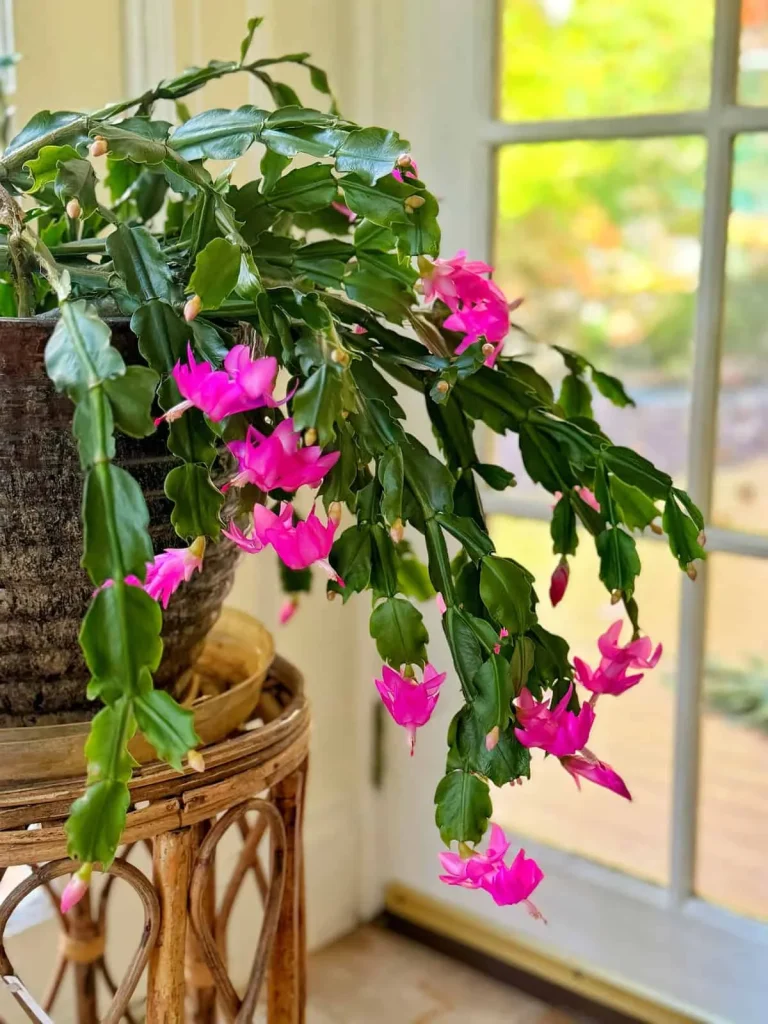
Your Christmas cactus is a short-day plant, just like poinsettias and certain chrysanthemums. That means it needs long, uninterrupted nights to form flower buds. If it's sitting under a lamp in your living room until 10 p.m., it's getting too much light.
The plant thinks it's still summer, so it keeps growing leaves instead of setting buds.
Reblooming a Christmas cactus isn't complicated once you understand the signals it's waiting for. As of 2026, university extension research consistently confirms the same key factors: 12 to 14 hours of total darkness each night, cool temperatures between 50 and 60°F, and careful watering. Miss any one of those, and you'll get lush green growth with zero flowers.
Let's walk through exactly what to check and what to adjust.
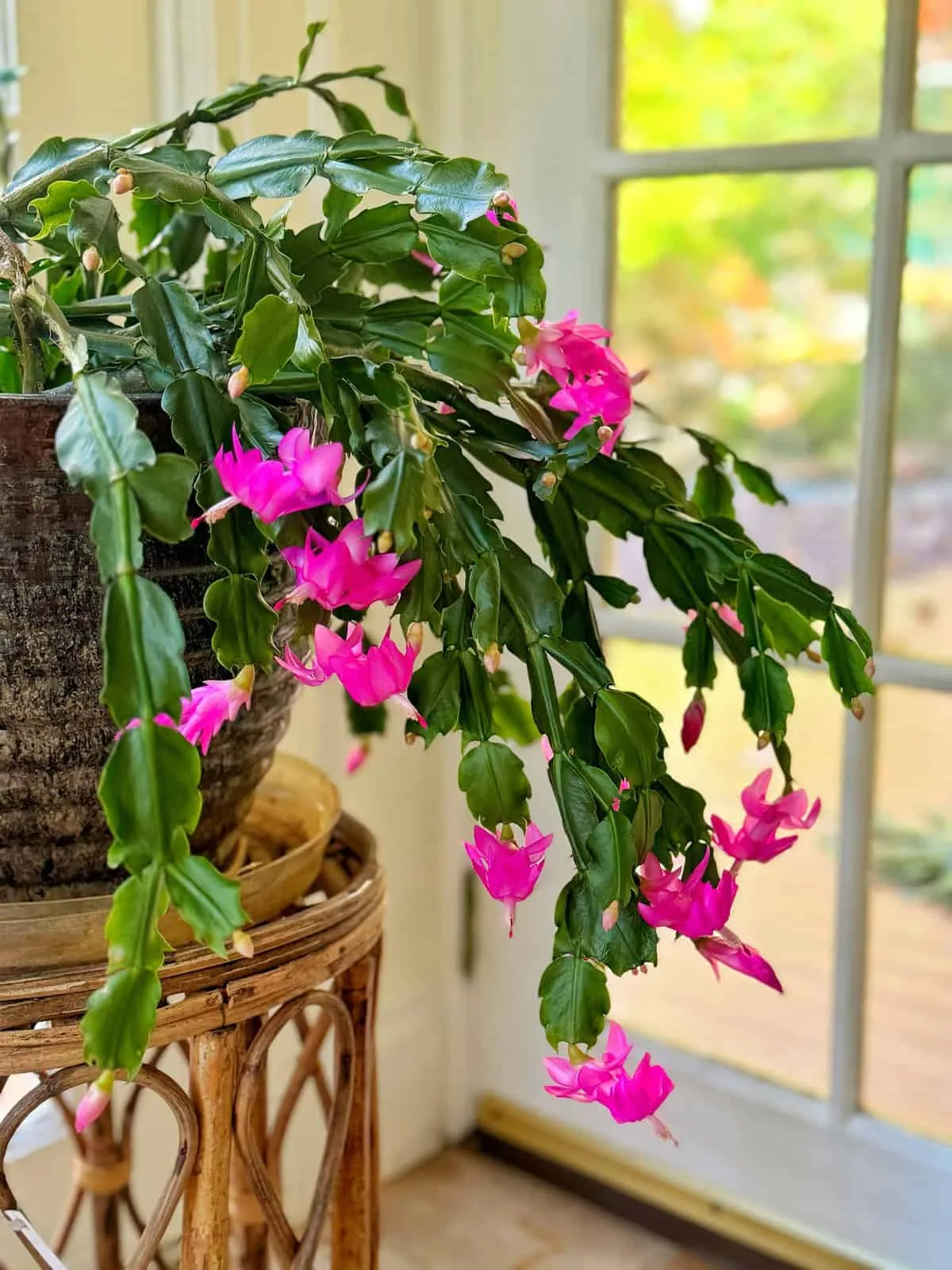
Image source: Web (Bing) / fity.club (Web image (fair-use with source credit))
Quick Answer
Reblooming your Christmas cactus requires six weeks of 12 to 14 hours of complete darkness nightly. Move it to a dark room or cover it each evening. Keep nighttime temperatures between 50 and 60°F.
Water less during this rest period. Watch for tiny buds at the stem tips. Once buds appear, bring it back to normal light and increase watering.
Why Your Christmas Cactus Looks Healthy But Won't Rebloom
You're doing everything right. The plant is green. It's putting out new segments.
It looks happy. But it just won't flower. This is the most common frustration with Christmas cacti, and it almost always comes down to one thing: the plant is being treated like a tropical houseplant instead of a short-day bloomer.
In our research, the number one cause of failed blooming is artificial light at night. Even a dim lamp in the same room can disrupt the dark period. These plants evolved to sense the shortening days of fall.
When indoor lights stay on past sunset, the plant never gets the signal that winter is coming.
Another common issue is temperature. Christmas cacti need cooler nights to trigger bud formation. If your home stays at a steady 70°F year-round, the plant won't enter its flowering cycle.
It needs that temperature drop, even if it's just 10 degrees cooler at night.
Then there's watering. During the late summer and early fall, you should be letting the soil dry out more between waterings. This mild stress signals the plant to shift from leaf growth to reproductive mode.
If you're still watering on a generous summer schedule, the plant stays in growth mode.
The good news is that all of these problems are fixable. You just need to know which one applies to your situation.
Quick Diagnosis: Check Your Light, Temperature, and Watering
Let's run through a simple decision tree so you can figure out exactly what your plant needs. Start with light, because that's the most common culprit.
Is your plant getting any artificial light after sunset? If yes, that's almost certainly your problem. Christmas cacti need uninterrupted darkness for 12 to 14 hours. A reading lamp, streetlight through the window, or even a TV screen can be enough to stop bud formation.
Move the plant to a closet, spare room, or cover it with a lightproof bag every evening.
Are nighttime temperatures consistently above 65°F? If so, you need to find a cooler spot. The ideal range is 50 to 60°F. A basement, garage, or unheated room works well.
If you can't move the plant, try placing it near a drafty window during fall (but away from cold glass).
Have you been watering on the same schedule as summer? Scale back. Let the top two inches of soil dry out before watering again. The plant should feel slightly stressed, not bone dry.
This mimics the natural dry season in its native Brazilian habitat.
Here's a quick reference table:
| Condition | What to Check | What to Adjust |
|---|---|---|
| Light exposure | Any light after dark | 12-14 hours total darkness nightly |
| Temperature | Above 65°F at night | Move to 50-60°F location |
| Watering | Soil stays damp | Let top 2 inches dry between waterings |
| Fertilizer | High nitrogen | Switch to low-nitrogen or stop feeding |
| Pot size | Too large, excess soil | Downsize or wait until spring to repot |
If you've checked all five and nothing seems wrong, move to the long-night method. That's the single most reliable way to force blooming.
The Long-Night Method: Step-by-Step to Force Bud Set
This is the technique that professional growers use. It's straightforward, but it requires consistency.
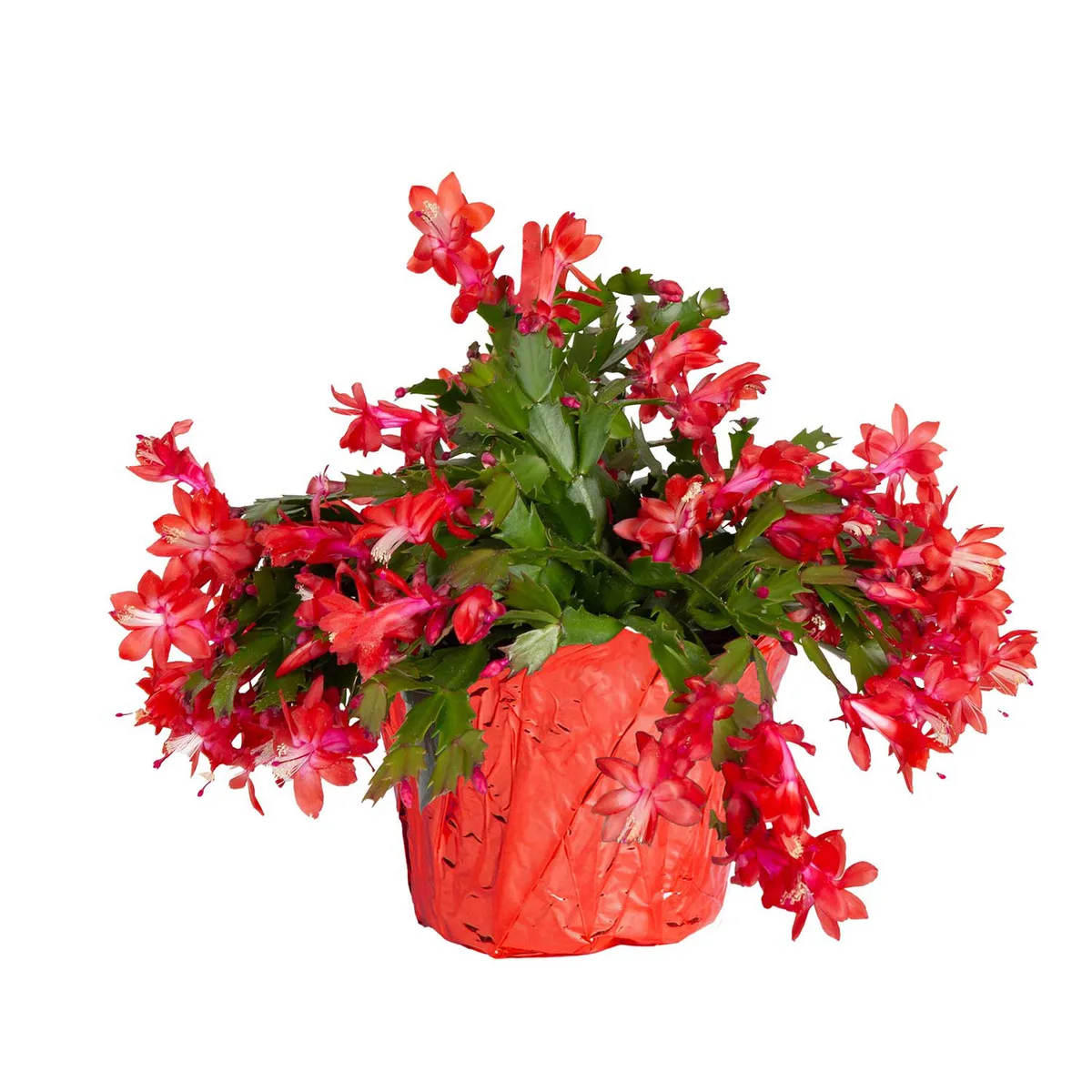
Image source: Bing (Web (fair-use with source credit))
Step 1: Start in early fall. Begin the long-night treatment around late September or early October for December blooms. If you want flowers by Thanksgiving, start mid-September. The treatment takes four to six weeks before you'll see buds.
Step 2: Find a dark location. A closet, basement, or spare room that stays completely dark works best. No light leaks. If you don't have a dark room, cover the plant with a cardboard box or a black plastic bag each evening.
Make sure the cover doesn't touch the leaves.
Step 3: Time it right. The plant needs 12 to 14 hours of complete darkness every single night. That means if you cover it at 6 p.m., it stays covered until at least 6 a.m. the next morning. Set a daily alarm so you don't forget.
Step 4: Keep it cool. Nighttime temperatures should stay between 50 and 60°F. If your dark room runs warmer, find a cooler spot. The combination of darkness and cool temperatures is what actually triggers bud formation.
Step 5: Reduce watering. Water only when the top inch of soil feels dry. Overwatering during this period can cause buds to drop before they even form. The plant should be slightly thirsty.
Step 6: Be patient. After about three to four weeks, you'll see tiny pink or red bumps at the tips of the stems. Those are flower buds. Once they're visible, you can stop the dark treatment and bring the plant back to its normal location.
Increase watering slightly as the buds develop.
The key is consistency. Missing even one or two nights of darkness can delay blooming by weeks. Think of it like a countdown timer that resets every time light hits the plant at night.
Bud Drop and Other Reblooming Problems (and How to Fix Them)
You did everything right. The buds formed. You were excited.
Then they fell off before opening. This is called bud drop, and it's incredibly frustrating. But it's also preventable once you know what causes it.
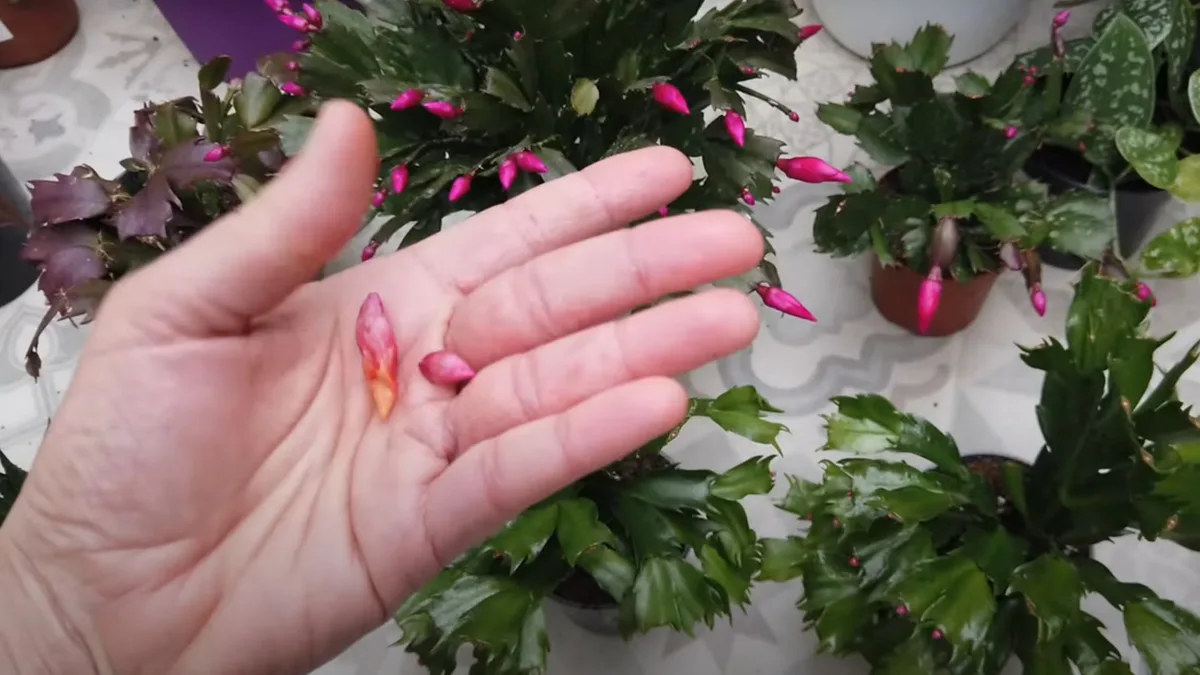
Image source: Web (Bing) / housedigest.com (Web image (fair-use with source credit))
Sudden temperature changes are the biggest culprit. Moving the plant from a cool dark room to a warm bright room too quickly can shock the buds. Transition it gradually over a few days. Also keep it away from drafts, heaters, and air conditioning vents.
Overwatering during bud development is another major cause. Once buds appear, you should water more than during the dark treatment, but not as much as during summer growth. Let the soil dry slightly between waterings.
Soggy soil makes buds yellow and drop.
Underwatering is equally bad. If the plant gets too dry, it prioritizes survival over flowers. The buds dry up and fall off. Check soil moisture every few days and water when the top inch is dry.
Moving the plant while it's budding can also trigger drop. If you need to relocate it, do it slowly over a week. Rotate the plant instead of moving it to keep light exposure even.
Pests like mealybugs and fungus gnats stress the plant and cause bud loss. Check the stem joints and undersides of leaves regularly. A few mealybugs can be wiped off with a cotton swab dipped in rubbing alcohol.
Here's a quick troubleshooting table:
| Problem | Likely Cause | Solution |
|---|---|---|
| Buds drop before opening | Temperature shock | Stabilize temperature, avoid drafts |
| Buds turn yellow and fall | Overwatering | Let soil dry out more |
| Buds shrivel and dry | Underwatering | Water more frequently |
| Buds form but plant looks limp | Root rot from poor drainage | Repot in fresh, well-draining mix |
| No buds after 8 weeks of dark treatment | Temperature too warm | Find a cooler location |
Most bud drop problems are fixable. The plant will try again next season if you learn from what went wrong.
After Blooming: Year-Round Care That Ensures Next Year's Flowers
Getting your Christmas cactus to bloom once is great. Getting it to bloom every year requires year-round attention. The plant has a natural cycle, and each season calls for different care.
Spring (March to May): After the last flowers fade, give the plant a rest. Reduce watering for about four to six weeks. Let the soil dry out more between waterings.
Don't fertilize during this time. The plant is recovering and doesn't need extra nutrients.
Late spring: Once you see new growth starting, it's time to repot if needed. Christmas cacti actually bloom better when slightly root-bound. Only repot every two to three years, and only go up one pot size.
Use a well-draining potting mix with some perlite or sand mixed in. University of Missouri Extension notes that soggy roots are the fastest way to kill a Christmas cactus.
Summer (June to August): This is the active growing season. Water thoroughly when the top inch of soil dries out. Fertilize every two weeks with a balanced houseplant fertilizer diluted to half strength.
Keep the plant in bright indirect light. A spot near an east-facing window or a few feet back from a south-facing window works well. You can move it outdoors to a shaded patio for the summer, just bring it back inside before nighttime temperatures drop below 50°F.
Early fall (September): Stop fertilizing. Begin reducing watering slightly. This transitions the plant into its blooming preparation phase.
Start the long-night treatment in late September if you want Christmas flowers.
Winter: Enjoy the blooms. Keep the plant in bright indirect light. Water when the top inch of soil is dry.
Don't repot, don't fertilize, and don't move it around. Let it do its thing.
Here's a seasonal care summary:
| Season | Watering | Fertilizer | Light | Notes |
|---|---|---|---|---|
| Spring (post-bloom) | Reduce, let dry | None | Bright indirect | Rest period for 4-6 weeks |
| Late spring | Normal | Every 2 weeks | Bright indirect | Repot if needed |
| Summer | Normal | Every 2 weeks | Bright indirect | Can go outdoors in shade |
| Early fall | Reduce slightly | Stop | Bright indirect | Start dark treatment |
| Late fall | Slightly more | None | Normal after buds | Keep stable |
| Winter | Normal | None | Bright indirect | Enjoy flowers |
The plants that bloom best year after year are the ones that get a clear seasonal rhythm. They need that summer growth period, that fall dark treatment, that winter rest, and that spring recovery. Rush any part of it, and the blooms will be sparse or absent.
Respect the cycle, and your Christmas cactus will reward you with flowers every single year.
FAQs About Getting a Christmas Cactus to Bloom Again
How long does it take for a Christmas cactus to rebloom?
From the start of the long-night treatment, expect about four to six weeks before buds appear. Once you see those tiny pink bumps at the stem tips, flowers usually open within another two to four weeks. Total time from darkness to full bloom is roughly six to ten weeks.
Can I force a Christmas cactus to bloom at any time of year?
Technically yes, practically it's harder. You can simulate fall conditions in any season with strict light and temperature control. But the plant naturally grows and stores energy during spring and summer.
Forcing blooms outside its normal cycle often results in fewer flowers and weaker plants. Stick with the natural fall schedule for best results.
Why are my Christmas cactus buds falling off?
Bud drop usually comes from sudden changes. Temperature swings, drafts, overwatering, or moving the plant once buds have formed are the main triggers. Keep the plant in one spot with steady conditions.
Water when the top inch of soil dries. Avoid placing it near heat vents or cold windows.
Should I fertilize my Christmas cactus while it's blooming?
No. Stop fertilizing completely once buds appear. Fertilizer during blooming can cause buds to drop or shorten flower life.
Resume feeding in late spring when you see new growth starting. Use a balanced houseplant fertilizer diluted to half strength every two weeks during the growing season.
What's the difference between a Christmas cactus and a Thanksgiving cactus?
The easiest way to tell is by the leaf segments. Christmas cactus has smooth, rounded edges on each segment. Thanksgiving cactus has pointed, claw-like edges.
Thanksgiving cactus also blooms about a month earlier, usually in November. Many plants sold as Christmas cacti are actually Thanksgiving cacti.
Can I put my Christmas cactus outside in summer?
Yes, but choose a shaded spot. Direct sunlight will scorch the leaves. A covered porch or under a tree works well.
Bring it back inside before nighttime temperatures fall below 50°F. Some owners find that outdoor summering leads to stronger plants and better blooms in winter.