Your succulent looks healthy above the soil line, but something feels off. Maybe the roots are peeking through the drainage hole. Maybe the leaves just don't have that plump, firm look anymore.
That's when repotting succulents becomes the right call, but doing it wrong can kill the plant faster than leaving it alone.
As of 2026, the most common cause of succulent death after repotting remains delayed root rot and improper timing. Understanding the decision branches ahead of time is what separates a thriving plant from a shriveled mess.
Quick Answer
Repotting succulents means moving them to fresh soil and a larger pot. Spring is the best season. Choose a pot with drainage holes.
Wait a full week before watering. This lets roots heal and prevents rot.
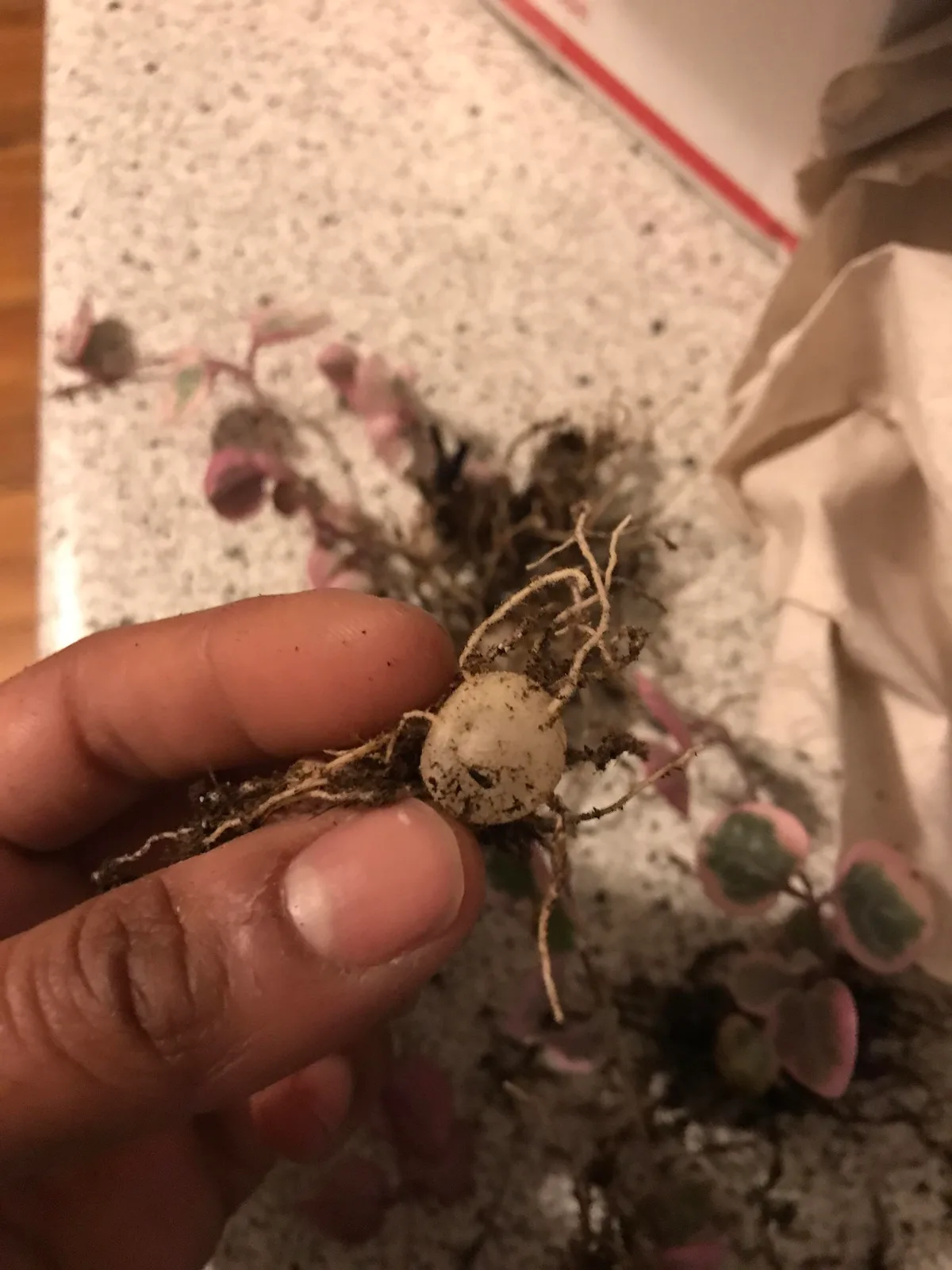
Image source: Web (Bing) / reddit.com (Web image (fair-use with source credit))
Is It Time to Repot? (Or Should You Leave It Alone)
Not every succulent needs fresh soil. In our research, the number one mistake people make is repotting too early or too often. So how do you know when it is actually time?
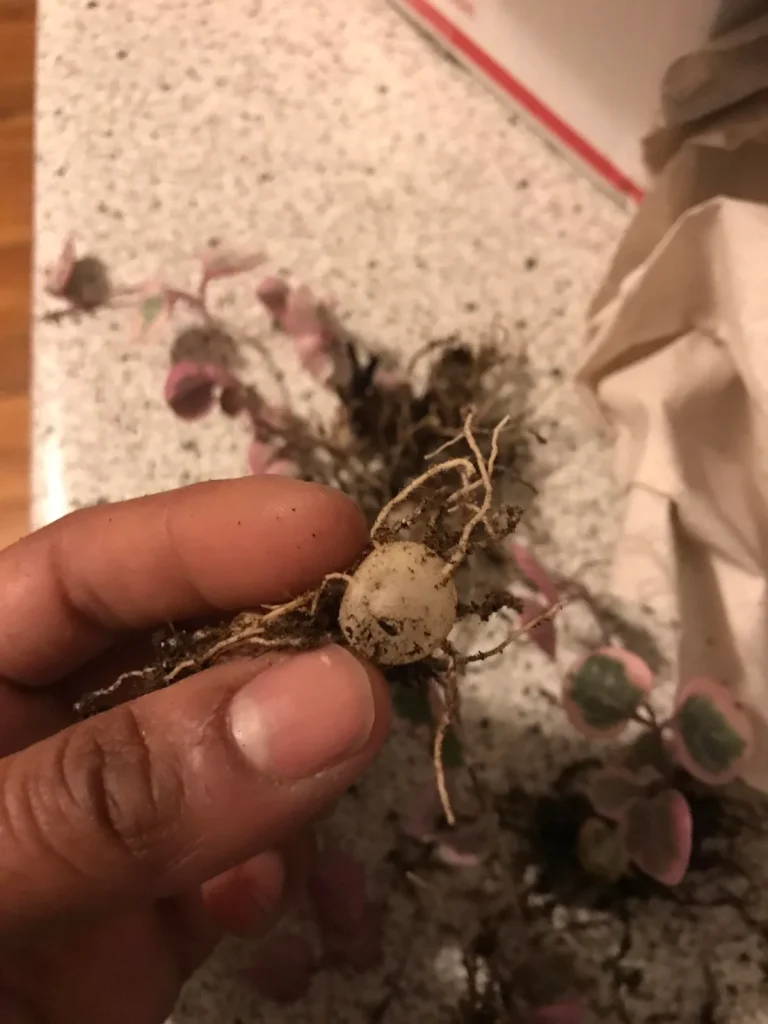
Start by looking at the roots. If you see roots circling the bottom of the pot or sneaking through the drainage hole, that is a clear sign. The plant has run out of room.
Water that runs straight through the pot without soaking in is another clue. The soil has broken down and compacted over time.
A top-heavy succulent that keeps tipping over has outgrown its container. A white crust of mineral salt on the soil surface means the old soil is spent. And if growth has stalled for an entire growing season, the roots likely have nowhere to go.
On the flip side, skip the repot if your plant is actively flowering. Let it finish blooming first. Avoid repotting in the middle of winter when the plant is dormant.
If you just brought the succulent home, give it at least two weeks to adjust to your environment before shocking it with a move.
Our research shows that most succulents need repotting every two to four years. If your plant checks none of the boxes above, leave it alone. Stressed plants struggle to recover from transplant shock.
For offsets and pups, wait until each offset is at least one-third the size of the parent. Small pups without established roots rarely survive on their own.
The First Fork: What Kind of Succulent Are You Repotting?
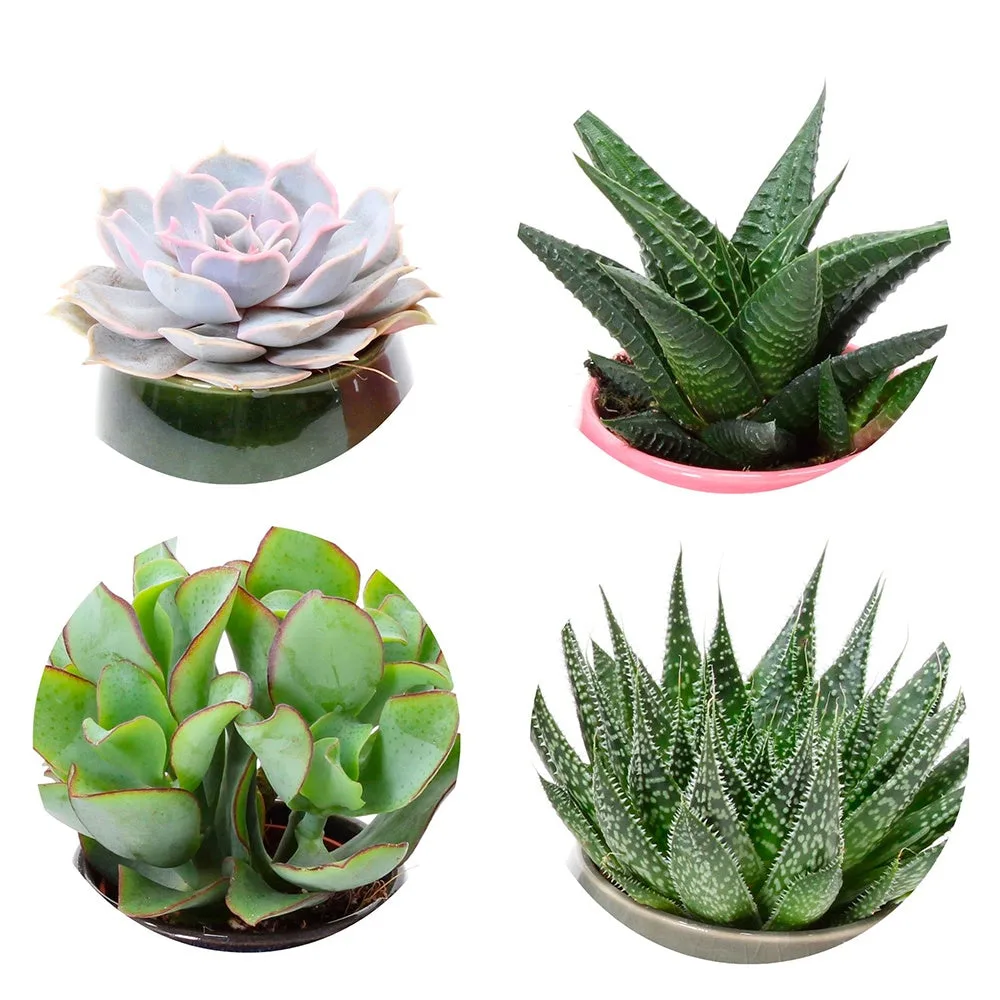
Image source: Web (Bing) / willemsefrance.fr (Web image (fair-use with source credit))
Not all succulents respond to repotting the same way. The type you own determines how rough you can be with the roots and how quickly the plant recovers.
Echeveria and soft-leaved rosette types have delicate, shallow root systems. They are prone to leaf loss if handled roughly. When you repot these, work gently.
Support the rosette from underneath. Avoid grabbing it by the leaves. A broken leaf on an Echeveria is not just cosmetic damage.
It robs the plant of stored energy it needs to settle into new soil.
Haworthia and Gasteria have thick, fleshy roots that store water. These are more forgiving. You can prune dead or mushy roots without stressing the plant too much.
They actually benefit from a thorough root inspection every few years. Their roots are sturdy enough to handle a full soil replacement.
Crassula (jade plants) develop woody stems and a robust root ball. They handle repotting well. You can cut back leggy growth at the same time.
Just make sure you use a heavy pot so the top-heavy plant does not tip over. Terracotta works best here.
Lithops (living stones) are a different story entirely. They have a single taproot and almost no fibrous roots. Repot them only when absolutely necessary.
Any root disturbance sets them back for months. If you must move one, keep as much of the old soil attached as possible.
Our research shows that matching your approach to the plant type is the single biggest factor in successful repotting. Get this right, and everything else becomes easier.
The Second Fork: Season and Pot Material Matter More Than You Think
Timing is everything with succulents. Even if your plant looks ready for a new home, doing it at the wrong time of year can turn a simple repot into a survival struggle.
The ideal window is spring through early summer. This is when succulents enter their active growth phase. Their metabolism speeds up.
Roots regenerate faster. The plant has the energy to repair damage and explore new soil. If you repot in fall or winter, growth slows down or stops entirely.
Roots sit in damp soil without drinking it up. That is a direct path to rot.
As of 2026, the Cactus and Succulent Society of America recommends repotting only during the active growing season for your specific climate zone. For indoor plants, that still means the brighter months of the year.
Now consider the pot material. This decision affects how often you need to water after the move.
| Pot Material | Water Retention | Best For | Risk Factor |
|---|---|---|---|
| Unglazed terracotta | Low (breathes well) | Overwaterers, humid climates, beginners | Dries out fast in arid zones |
| Glazed ceramic | Medium | Most indoor settings | Traps moisture if no drainage |
| Plastic nursery pot | High (no evaporation) | Dry climates, infrequent waterers | Easy to overwater |
| Concrete or hypertufa | Low to medium | Large specimens, outdoor use | Heavy, alkaline leach |
Our research indicates that unglazed terracotta is the safest choice for most people. The porous clay pulls moisture away from the roots and lets the soil breathe. If you switch from plastic to terracotta after repotting, adjust your watering schedule.
Terracotta dries out much faster.
Your Decision-Branch Workflow: Root-Bound vs. Rotting vs. Routine Refresh
Once you have the succulent out of its pot, three scenarios typically play out. Each one requires a different response. Here is how to handle all three.
| Condition | What You See | Your Action | Watering Delay | Recovery Timeline |
|---|---|---|---|---|
| Root-bound | Tight root ball, roots circling the pot | Gently tease roots apart. Trim the longest circling roots. Pot up 1-2 inches wider. | 5-7 days | 2-3 weeks for new growth |
| Rotting | Black or mushy roots, bad smell | Cut all affected roots with sterilized scissors. Let the plant sit bare-root for 2-3 days. Repot in dry mix. | 7-10 days | 4-6 weeks |
| Routine refresh | Healthy roots, just need new soil | Shake off old soil. Trim a few thin outer roots. Replant at the same depth in fresh mix. | 3-5 days | 1-2 weeks |
If the roots are root-bound, the plant has been in the pot too long. Gently tease the roots apart with your fingers. Trim the longest circling roots with clean scissors.
This encourages new outward growth. Pot up to a container that is 1 to 2 inches wider. Do not go bigger.
A pot that is too large holds excess moisture and invites rot.
If the roots show signs of rot, you need to act fast. Black, mushy roots will not recover. Cut every affected section with sterilized pruning shears.
Be aggressive here. Leaving even a small piece of rot can spread through the root system. After trimming, let the plant sit on a dry tray for two to three days.
This callusing period is not optional. It seals the wounds and prevents reinfection. Pot into fresh, dry soil and wait at least a week before watering.
If you are doing a routine refresh, the plant is healthy. Shake off the old soil and trim a few thin outer roots. Replant at the same depth.
Use a pot that is the same size or just slightly larger.
The Big Question Everyone Gets Wrong: When to Water After Repotting
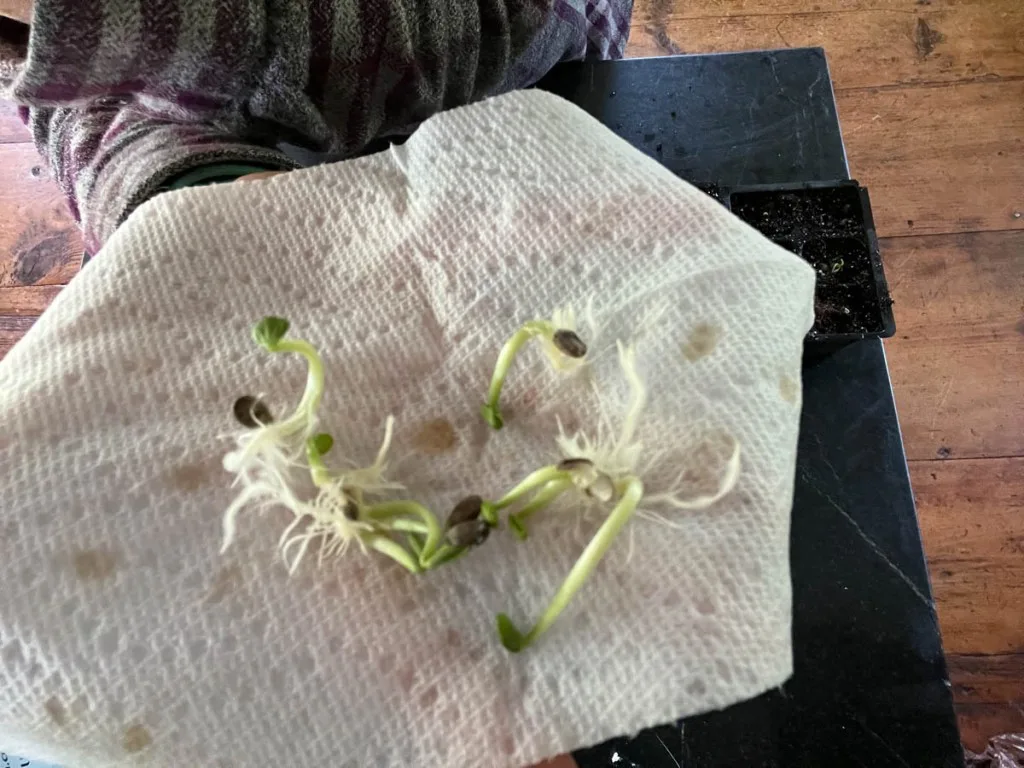
Image source: Bing (Web (fair-use with source credit))
This is where most people make the fatal mistake. You repot your succulent, settle it into fresh dry soil, and feel the urge to give it a good drink. Do not do this.
Our research shows that watering immediately after repotting is the leading cause of post-transplant death. Here is why. When you disturb the roots, you create micro-tears and open wounds.
If you add water right away, bacteria and fungi enter those wounds. The roots rot before they can heal.
The correct approach is to let the roots callus first. This means keeping the soil dry for a set period after repotting. The callus acts like a scab.
It protects the plant while new root hairs form.
Here is the timing breakdown by scenario:
- Routine refresh with minimal root disturbance: Wait 3 to 5 days before watering.
- Root-bound plant with trimmed roots: Wait 5 to 7 days.
- Rot case with heavy root pruning: Wait 7 to 10 days. The more roots you cut, the longer the callus needs.
After the waiting period, water thoroughly. Soak the soil until water runs out the drainage hole. Then let the soil dry completely before watering again.
Do not water on a schedule. Water based on the soil moisture.
Place the newly potted succulent in bright, indirect light for the first week. Direct sun during the callusing period can stress the plant further. After a week, move it back to its normal spot.
One more thing. Do not fertilize for at least four weeks after repotting. The new soil has enough nutrients.
Fresh roots are sensitive and burn easily.
5 Common Repotting Mistakes That Can Kill Your Succulent
Even experienced growers make errors during repotting. Our research shows these five mistakes cause most post-repot failures.
Choosing a Pot That Is Too Large
Bigger is not better with succulents. A pot that is more than two inches wider than the root ball holds excess soil. That soil stays wet longer than the roots can handle.
The result is root rot every time.
Stick to the one to two inch rule. A root-bound succulent in a snug pot will outgrow the space eventually. A rotting succulent in an oversized pot will not survive long enough to get there.
Using Standard Potting Soil
Regular garden soil or standard potting mix holds too much moisture. It compacts over time and suffocates the roots. Succulents need a gritty, porous mix that drains fast.
Our research shows that a blend of two parts succulent soil with one part perlite or pumice gives the best results. Coarse sand is another option for improving drainage. Never use fine play sand, as it clogs the pore space.
Watering Too Soon After Repotting
We covered this earlier, but it bears repeating. Watering immediately after repotting is the fastest way to kill a succulent. The roots need time to heal.
Without that callusing period, bacteria enter through the wounds.
Wait at least three days for minimal root disturbance. Wait up to ten days for heavy root pruning. Dry soil is safe soil during the recovery window.
Damaging the Roots During Extraction
Pulling a succulent out by its leaves is a common mistake. Leaves tear off easily. The plant loses stored water and energy at the worst possible time.
Instead, squeeze the sides of a plastic pot to loosen the soil. For terracotta, run a butter knife around the inside edge. Tip the plant out gently.
Support the base of the stem, not the leaves or rosette.
Ignoring the Old Soil
Reusing old soil or leaving it clinging to the roots defeats the purpose of repotting. Old soil harbors pests, fungal spores, and salt buildup. It has also broken down and lost its structure.
Shake off as much old soil as you can. Give the roots a gentle rinse if needed. Start with fresh, dry mix in a clean pot.
This gives the succulent a genuine fresh start.
Frequently Asked Questions About Repotting Succulents
How often should I repot my succulent?
Most succulents need repotting every two to four years. Signs include roots coming out of the drainage hole, water running straight through the pot, or stalled growth during the growing season.
Can I repot a succulent in winter?
Winter repotting is risky. Most succulents are dormant during cold months and cannot recover from root disturbance. Wait until spring or early summer when the plant is actively growing.
Should I remove dead leaves before repotting?
Yes. Remove any dried or mushy leaves from the bottom of the stem before placing the plant in new soil. Dead leaves trap moisture and invite rot at the soil line.
Do I need to fertilize after repotting?
No. Fresh succulent soil contains enough nutrients for at least four to six weeks. Fertilizing too soon burns the tender new roots.
Wait a full month before applying any fertilizer.
What do I do if my succulent loses leaves after repotting?
Some leaf loss is normal for sensitive types like Echeveria. Remove the dropped leaves. Keep the plant in indirect light and stick to the proper watering delay.
The succulent should recover in two to three weeks.
Can I repot a succulent that is flowering?
It is better to wait until the bloom finishes. Repotting during flowering puts extra stress on the plant. The flowers may drop early, and the plant will struggle to set new roots while supporting blooms.