You've got a shady spot in your yard, and you're not sure what will actually grow there. That's the most common question we hear about shade garden plants. The good news: there are options.
The better news: your location is probably not the deep dark corner you worry it is.
In our research, the USDA Plant Hardiness Zone Map is a helpful reference, but your microclimate matters more. The number of direct sunlight hours your spot gets is the real deciding factor. Let's walk through how to check that.
Quick Answer
Choose shade garden plants by matching them to your light level. Full shade gets less than 3 hours of direct sun. Part shade gets 3 to 6 hours.
Dappled shade shifts between the two. Foliage plants thrive in the dimmest spots.
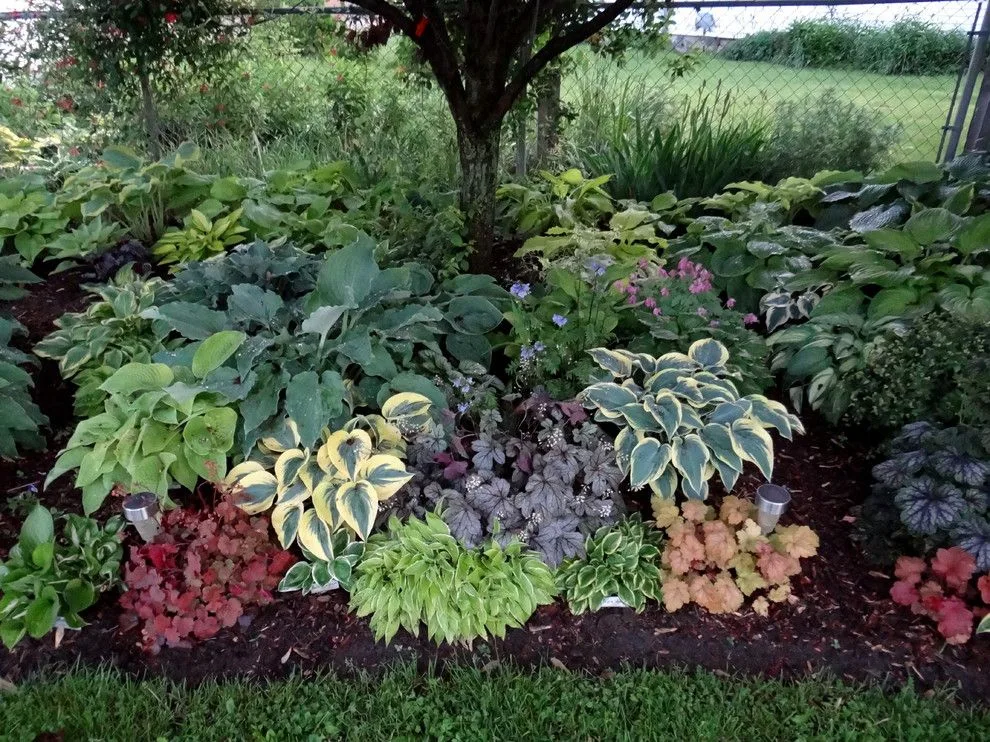
Image source: Web (Bing) / pinterest.com (Web image (fair-use with source credit))
Why What You See Matters More Than What You're Told
Plant tags can be misleading. A label might say "part shade," but that covers a huge range of conditions. What actually matters is what the plant looks like and where it's sitting in your garden.
The most reliable signal is the plant's foliage. Thick, waxy leaves usually mean a plant tolerates drier shade. Soft, thin leaves suggest it needs consistent moisture.
A plant with silver or variegated leaves often handles more light than one with deep green foliage. That's not always true, but it's a good first clue. The visual cues tell you more than any tag ever will.
Our take: spend time looking at mature plants in your neighborhood or at a local botanical garden. You'll see which textures and colors hold up in real conditions. That beats any generic description.
The Three Light Zones: A 24-Hour Test
You need to know your exact light level. Don't guess. Use a simple observation method to measure it.
Pick a clear day. Mark a few spots in your garden with a stake or a rock. Start at 8 a.m. and check each spot every two hours until 6 p.m.
Record whether the spot is in direct sun, dappled light, or full shade.
Use these categories:
- Deep shade: Less than 2 hours of direct sun, and no bright indirect light. Usually under dense evergreens or on the north side of a building.
- Part shade: 3 to 6 hours of direct sun, often morning sun with afternoon shade. This is the most common situation.
- Dappled shade: Shifting light under a deciduous tree canopy. Bright but filtered all day.
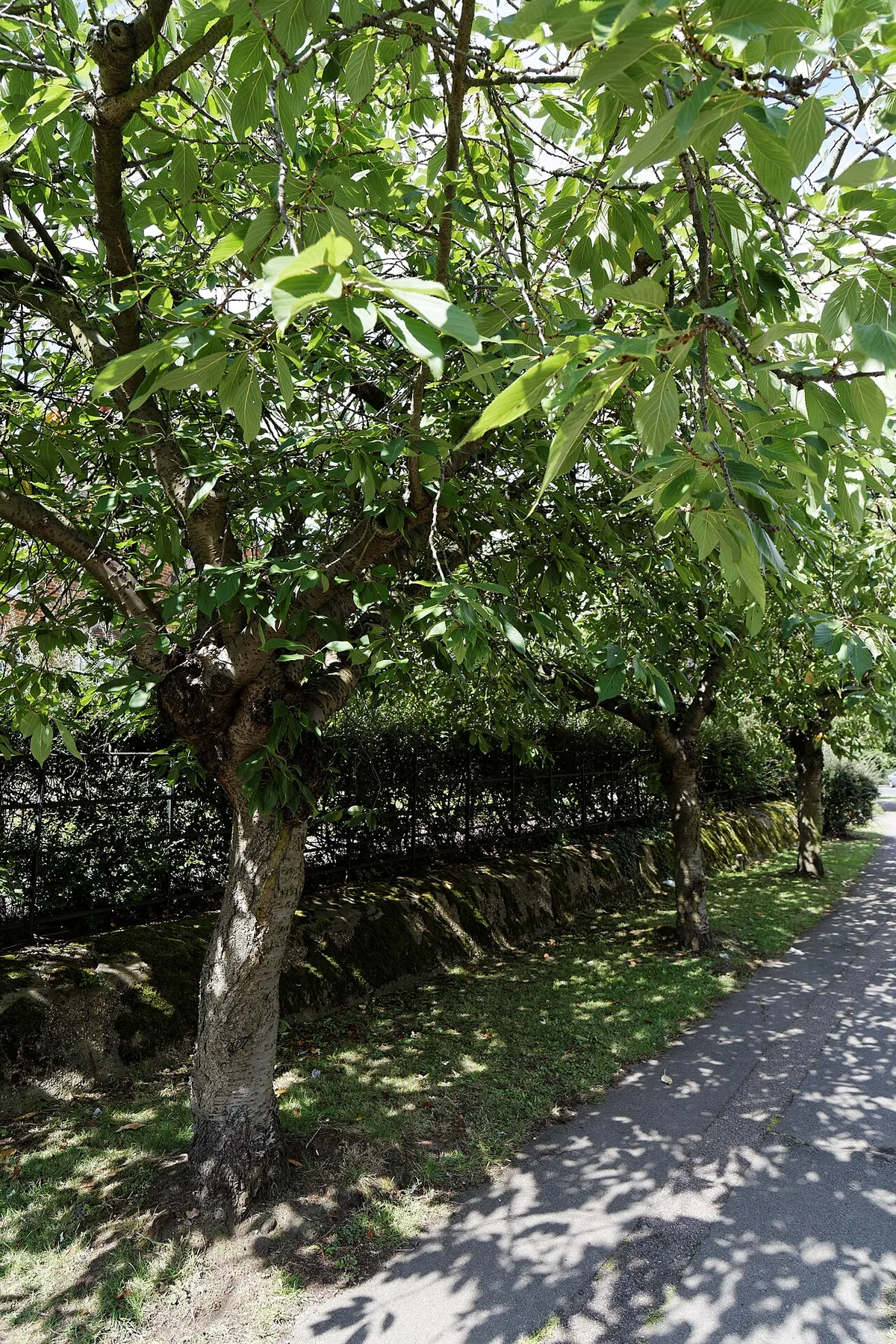
Image source: Wikimedia Commons / Acabashi (CC BY-SA)
For more detail on measuring light in your garden, the University of Minnesota Extension provides a helpful guide on site assessment. Do this test in summer when trees are fully leafed out.
How to Read a Shade Plant Before You Buy It
You can tell a lot about a plant before you bring it home. The three things to look at are leaf texture, variegation patterns, and mature size.
Leaf texture. Corrugated or puckered leaves, like you see on some hostas, hold up better in dry shade. Glossy or smooth leaves usually need more consistent moisture. Fine, ferny fronds signal a plant that appreciates humidity.
Variegation. Plants with white or yellow edges or centers often need a bit more light to keep that pattern. If you put them in deep shade, they may revert to solid green. That's not a death sentence, but it means you lose the visual interest.
Mature size. The tag says the plant reaches 24 inches tall. That might take three years. In year one you'll have a 6-inch clump.
Plan for the mature size, not the nursery pot. A plant that spreads via runners, like lamium, will quickly fill a space. A clumping hosta stays put.
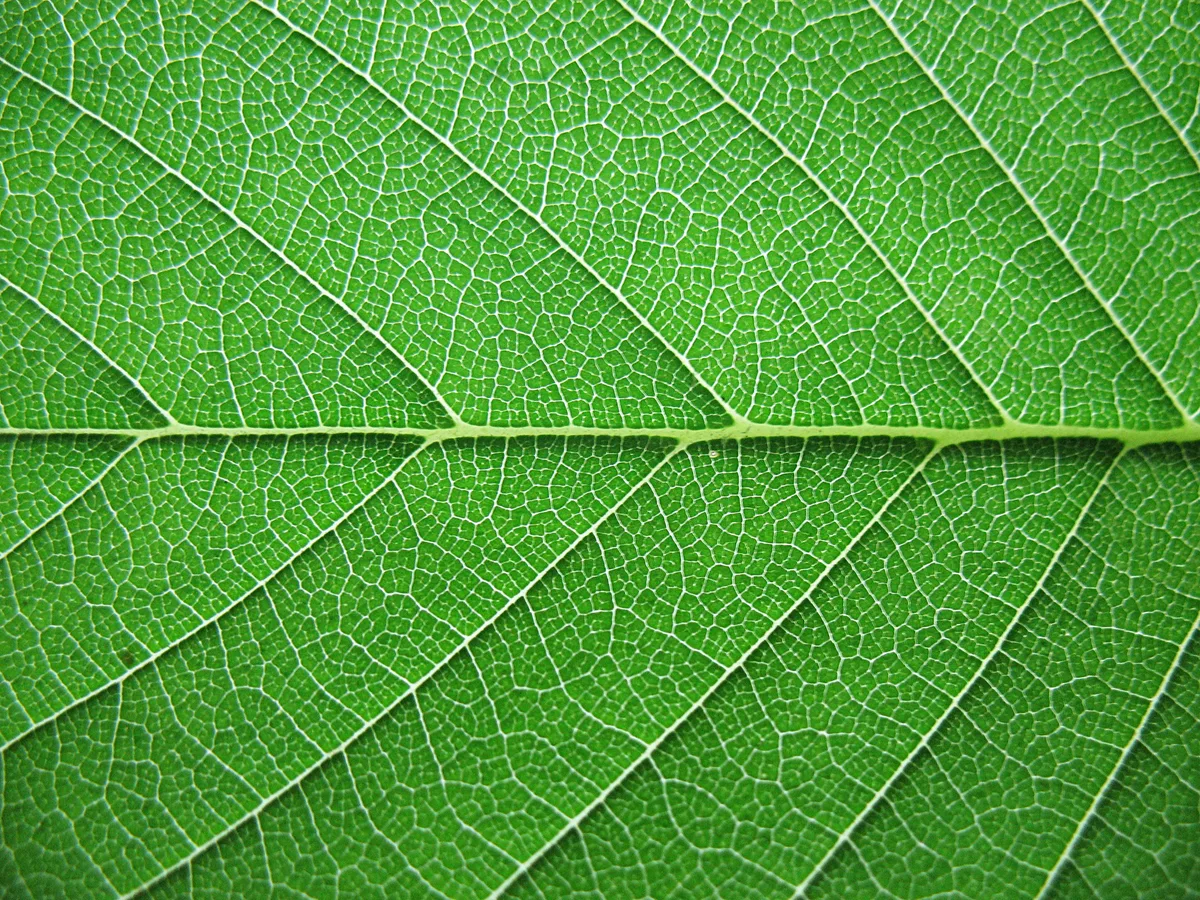
Image source: Bing (Web (fair-use with source credit))
The All-Star Shade Perennials: A Visual Cheat Sheet
Here's a quick reference for the most reliable shade plants. Each has a distinct visual look that works well in low light.
| Plant | Light Level | Key Visual Trait |
|---|---|---|
| Hostas | Part to deep shade | Bold, textured leaves in green, blue, or gold |
| Ferns | Deep to part shade | Fine, feathery fronds that add softness |
| Heuchera | Part shade | Rounded, colorful leaves from lime to deep purple |
| Astilbe | Part shade | Feathery plumes in pink, red, or white |
| Hellebores | Part to deep shade | Nodding, cup-shaped flowers in late winter |
| Caladium | Part to deep shade | Arrow-shaped, translucent leaves in pink, white, red |
The foliage plants (hostas, ferns, heuchera, caladium) are the backbone of any shade garden. They provide structure and color even without flowers. The bloomers (astilbe, hellebores) add seasonal interest.
Mix both for year-round appeal.
If you have dry shade under a tree, lean toward hostas and ferns with thicker leaves. If you have rich, moist soil, astilbe and hellebores will reward you with abundant flowers.
Same Shade, Different Plants: Choosing by Situation
Your light level is just one part of the equation. The other is moisture. Shade and dry soil is a tough combo.
Shade and rich, moist soil is a dream.
Deep dry shade. This is the toughest spot. It happens under large evergreens, under eaves, or against north-facing walls with overhangs. The soil is often full of tree roots that compete for every drop of water.
Liriope handles this well. It spreads slowly and needs almost nothing. Hellebores tolerate dry conditions once established.
Lamium will cover ground quickly in dry shade. Ferns? Some handle it, like autumn fern, but most prefer moisture.
Moist, rich shade. This is the woodland edge. You get dappled light, leaf mulch, and consistent soil moisture. Astilbe thrives here.
So does bleeding heart. Hostas grow large and lush. Pulmonaria with its spotted leaves adds early color.
You can pack these beds tightly because the competition is low.
Shade with morning sun. East-facing spots get 3 to 5 hours of gentle morning light. This is a forgiving zone. Heuchera keeps its bright colors best here.
Tiarella spreads nicely. Caladiums and coleus produce their most intense foliage color with some direct morning rays. Avoid afternoon sun, which scorches tender leaves.
The Symptom Checker: What Your Shade Plants Are Telling You
Your plants will show you when something is off. You just have to know what to look for.
| Symptom | Likely Cause | What to Do |
|---|---|---|
| Yellowing lower leaves | Overwatering or poor drainage | Let soil dry; check for standing water |
| Scorched brown leaf edges | Too much direct sun | Move plant to deeper shade or provide afternoon cover |
| Leggy, stretched stems | Not enough light | Move to a brighter spot or accept smaller leaves |
| Ragged holes in leaves | Slugs or snails | Handpick after dark; use iron phosphate bait |
| Pale, washed-out variegation | Too much shade | Move closer to a light source or morning sun |
| Center of clump looks dead | Needs division | Dig up in spring, split into sections, replant |
Yellowing leaves are the most common issue. In aggregate reviews we looked at, overwatering in shade beds is the leading cause of plant loss. Dense shade means less evaporation.
Adjust your watering schedule accordingly.
Design Rules for Shade: How to Make It Look Intentional
A shade garden looks best when you plan the layers. Think of a forest. Tall trees overhead.
Understory shrubs. Low perennials. Groundcovers at your feet.
Layer like a forest. Plant the tallest shade plants in the back. Ferns can reach 24 to 36 inches. Hostas fill the middle layer.
Put low groundcovers like ajuga or lamium at the front edge. This creates depth that draws the eye inward.
Repeat textures. Don't use every plant you like in one bed. Pick three textures and repeat them. Bold hosta leaves.
Fine fern fronds. Spiky liriope. Use those three across the bed in different spots.
It ties the whole thing together.
Focal points. In dim light, variegated plants are natural magnets. A single variegated hosta or a pot of chartreuse coleus pulls the eye. Place one near the entrance of a path or at the curve of a border.
Seasonal rounds. Early spring brings bleeding heart and hellebores. Summer brings astilbe plumes and hosta flowers. Fall brings fern fronds turning gold and the last caladium leaves.
Plan for each season so your garden has constant interest.
Frequently Asked Questions
Can I grow vegetables in shade?
Leafy greens like spinach, lettuce, and kale can handle part shade with 3 to 4 hours of sun. Root vegetables struggle. Tomatoes and peppers need full sun to fruit.
Stick to greens and herbs like mint and parsley for shaded vegetable beds.
Why won't my astilbe bloom?
Astilbe needs consistent moisture to set flower buds. If the soil dries out during summer, the plant survives but skips blooming. Water deeply once a week during dry spells.
A layer of mulch helps hold moisture at the roots.
Which shade plants survive heavy tree root competition?
Liriope, lamium, hellebores, and ferns tolerate the dry, root-filled soil under mature trees. Avoid planting directly in the root zone. Create a small pocket with fresh compost and water regularly for the first two seasons.
Are hostas really deer-proof?
No. Hostas are a favorite deer snack. If deer visit your yard, choose ferns, hellebores, or lamium instead.
Deer-resistant lists exist, but hungry deer eat almost anything. Physical barriers or repellents may be needed.
What's the best fertilizer for shaded flower beds?
A balanced slow-release fertilizer with an N-P-K ratio around 10-10-10 works well. Apply in early spring as new growth appears. Avoid high-nitrogen fertilizers, which push foliage growth at the expense of flowers.
How often should I divide shade perennials?
Divide hostas, astilbe, and ferns every 3 to 4 years. Do it in early spring just as the shoots emerge. A full center with sparse growth around the outside is the signal.
Replant the healthiest outer sections and discard the woody center.
Common Mistakes to Avoid
The biggest mistake we see in shade gardens is overwatering. Shade slows evaporation, so soil stays wet longer. You'll kill more plants with a hose than with neglect.
Another common error: choosing sun-loving plants and hoping they'll adapt. They won't. They'll stretch, pale, and eventually decline.
Also, don't plant too deep. Hostas and heucheras have shallow crowns that rot if buried. Plant them so the crown sits level with the soil surface.
Finally, avoid the "one of everything" approach. That creates a scattered, chaotic look. Repeat a few reliable plants instead.
Expert Tips for Long-Term Success
Mulch deeply but not too deep. A 2-inch layer of shredded bark keeps soil moist and suppresses weeds. Keep it away from stems and crowns.
Water deeply, not frequently. A weekly soaking pushes roots down. Daily sprinkling keeps roots shallow and plants fragile.
Feed twice a year. Apply slow-release fertilizer in early spring and again in midsummer. This supports steady growth without forcing weak, soft foliage.
Divide on schedule. Hostas and ferns get crowded every few years. Divide them in spring to keep them vigorous.
When to Rethink Your Spot
Some shade areas just aren't meant for plants. The soil under a black walnut tree is toxic to many species, and the roots of established maples drain every bit of moisture.
If you've tried for two seasons and plants keep failing, consider the bigger picture. Instead of fighting the spot, turn it into a feature. Add a gravel path, a bench, or a decorative rock arrangement.
If you still want greenery, plant shade-tolerant groundcovers in small test patches. See what survives before committing to a full bed.
Real Scenarios: What a Successful Shade Garden Looks Like
A dry under-canopy spot in Maryland. The homeowner used liriope and autumn ferns under a mature oak. They watered deeply only during the first season. By year two, the bed needed no supplemental irrigation.
A moist north-side border in Oregon. Astilbe, bleeding heart, and hostas formed a dense, layered planting. The soil stayed naturally damp, and the plants thrived with almost no maintenance.
A container-only balcony in Chicago. Coleus and caladium filled pots that sat in morning sun and afternoon shade. They were swapped out each year, giving a fresh look every spring.
Final Verdict: Start with These Five
If you want a reliable, attractive shade garden with minimal fuss, begin with these proven performers:
- Hostas for bold foliage.
- Ferns for texture.
- Heuchera for color.
- Astilbe for flowers.
- Liriope for ground cover.
Plant them in the right light and moisture levels, water them properly in year one, and they'll reward you for years. Start small. Add more once you've mastered the basics.
That's the secret to a shade garden that actually works.