So you’ve got a shady spot in your yard and you’re wondering if anything useful can actually grow there. Maybe it’s that bare patch under the maple tree, the north side of your house, or a balcony that never sees direct sun. The good news is that shade herbs are real, and they can absolutely thrive if you match them to the right conditions.
Most shade herbs need at least 2 to 3 hours of direct sunlight per day, though some tolerate bright indirect light with no direct sun at all. The key is understanding what kind of shade you have before you pick plants. Let’s walk through how to figure that out and choose the right herbs for your specific spot.
Quick Answer
Yes, many herbs grow well in shade. The best options for low-light spots include mint, parsley, chives, chervil, cilantro, lemon balm, and sorrel. Your success depends on matching each herb to your specific shade type: partial, dappled, or deep.
Most need at least 2 to 3 hours of direct sun. Leafy herbs in shade often have milder flavor but stay tender longer.
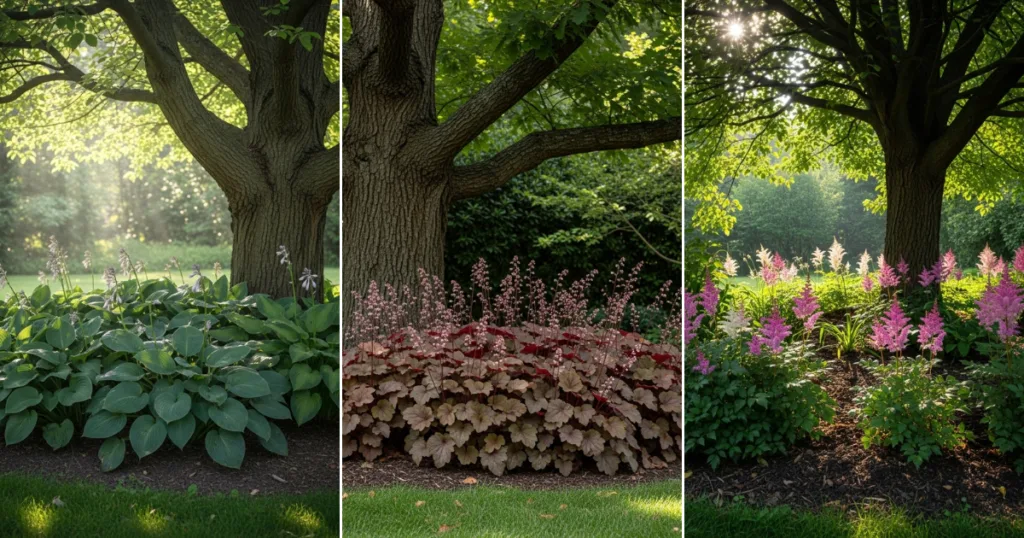
Image source: Bing (Web (fair-use with source credit))
So, can herbs actually grow in the shade?
Short answer: yes, absolutely. But not every herb can handle low light. Woody Mediterranean herbs like rosemary, thyme, and sage need full sun to produce their essential oils.
Put them in shade and they’ll get leggy, lose flavor, and probably rot.
Leafy herbs are a different story. Herbs that grow close to the ground with tender leaves evolved in understory environments. They’re naturally adapted to dappled light conditions.
In our research across multiple gardening guides and university extension resources, the herbs that consistently perform in shade are almost always leafy perennials or cool-season annuals.
The real trick is matching the herb to the shade intensity. A plant that does fine under a light tree canopy will struggle in the deep shadow between two buildings. That’s where the decision tree comes in.
We need to look at three variables: hours of direct sun, type of light, and soil moisture.
Here’s the baseline. Most shade herbs need at least 2 hours of direct sun or several hours of bright indirect light. Below that threshold, you’re limited to a small group of true deep-shade specialists.
Above that, you have a wide range of options.
First, figure out what kind of shade you're working with
Before you buy a single plant, spend a day observing your shady spot. This is the most important step in the whole process. You need to know exactly what you’re dealing with.
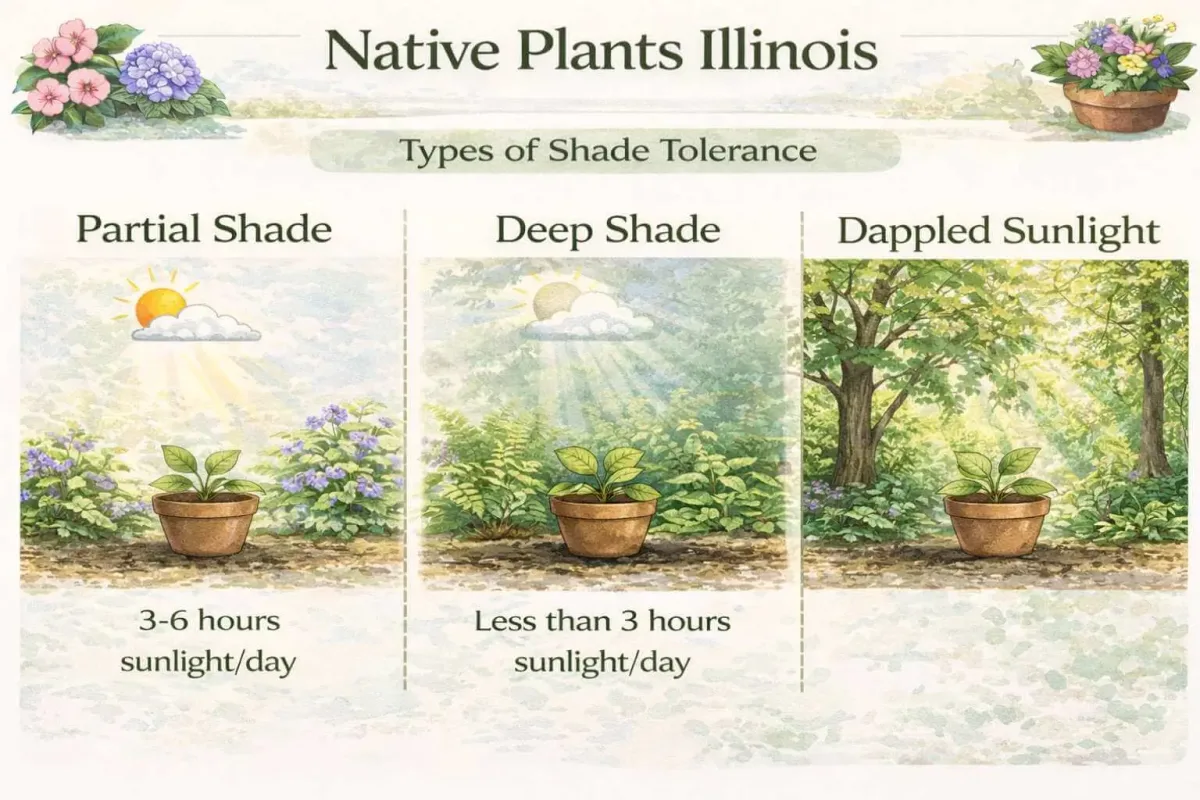
Image source: Web (Bing) / greeneryinside.com (Web image (fair-use with source credit))
Gardeners typically classify shade into three categories. Here’s how to tell which one you have:
- Partial shade (3-6 hours of direct sun). Usually morning sun or filtered light through a tree that’s not fully leafed out. This is the easiest shade to work with. Most culinary herbs will grow here.
- Dappled shade (light shifting through a canopy). The sun comes and goes as leaves move in the wind. You get bright but broken light. Herbs like chervil and lemon balm love this environment.
- Deep shade (under 2 hours of direct sun). Think under a dense evergreen, between tall buildings, or a north-facing wall that gets no sun at all. This is the hardest category. Your options narrow to specialized shade-loving herbs.
You can measure this with a simple trick. Check the spot every hour from 8 AM to 6 PM on a sunny day. Count how many hours you see direct sun hitting the ground.
Write it down. That’s your starting number.
Also pay attention to the quality of light. Is it morning sun or afternoon sun? Morning sun is cooler and gentler.
Afternoon sun is hotter and more intense. Most shade herbs prefer morning sun because it dries the leaves without scorching them.
One more thing. Soil moisture in shade tends to stay higher than in sunny areas. This is actually an advantage for many shade herbs, but it also means you need to watch for fungal issues.
Good airflow helps a lot.
The best herbs for your shade type
Now we match the plants to your specific situation. This is the core of the decision tree. Use your measured shade type from the previous step to find the right column.
Image source: Web (Bing) / fity.club (Web image (fair-use with source credit))
For partial shade (3-6 hours direct sun)
This is your biggest category. Almost every shade-tolerant herb works here. The most reliable performers include:
- Parsley: grows well with 3-4 hours of morning sun. It gets bigger and leafier than in full sun.
- Chives: very forgiving. They produce tender leaves even in light shade.
- Cilantro: partial shade actually helps it bolt slower. You get more harvest time before it goes to seed.
- Mint: thrives almost anywhere. Partial shade keeps it from getting scorched.
- Tarragon: needs at least 3 hours of sun but does well in morning-only light.
- Lemon balm: grows vigorously in partial shade. It stays fuller and less leggy.
If you have partial shade, you can also try chervil, sorrel, lovage, and sweet cicely. These are less common but worth seeking out.
For dappled shade (filtered all-day light)
Dappled light mimics the natural environment many woodland herbs evolved in. Your best bets here are plants that naturally grow under tree canopies:
- Chervil: this is its ideal environment. Dappled shade keeps it tender and delays bolting.
- Sweet woodruff: a ground cover that loves shade. Use its leaves for flavoring drinks.
- Wild ginger: native shade plant with edible roots. It spreads slowly in dappled light.
- Mint: again, mint is extremely adaptable. It does well here if the soil stays moist.
- Lemon balm: also does great in dappled light. The flavor stays mild.
For deep shade (under 2 hours direct sun)
This is the toughest category. Your options narrow significantly, but there are still useful plants:
- Sweet woodruff: can handle deep shade better than almost anything else.
- Wild ginger: tolerates deep shade if soil is rich and moist.
- Mint: surprisingly adaptable. It can survive on bright indirect light alone.
- Lovage: large leaves capture what little light there is. It grows slower but still produces.
- Angelica: a tall biennial that handles deep shade well. Used for stems and leaves.
For deep shade, focus on plants that grow naturally on forest floors. These species evolved to capture light efficiently in low conditions. Your yield will be lower than in sun, but you’ll still get usable harvests.
How to plant and care for shade herbs successfully
Planting shade herbs is similar to planting sun herbs, but there are a few critical differences. Get these right and your garden will thrive.
Soil preparation is more important in shade
Shade soil stays wetter longer. If your soil is heavy clay, it can become waterlogged and kill your herbs. Before planting, amend the soil with compost or well-rotted manure to improve drainage.
Aim for a loose, crumbly texture.
Raised beds or containers work well for shade herbs. They give you control over drainage, especially if you’re growing under trees with competitive roots. Tree roots will steal water and nutrients from your herbs.
A raised bed solves that problem.
Watering needs are different in shade
Here’s the common mistake. People water shade herbs as often as sun herbs and end up overwatering. The soil in shade dries slower.
Check the top inch of soil before watering. If it’s still damp, wait.
A good rule: water deeply but less frequently. Deep watering encourages roots to grow downward. Frequent shallow watering keeps roots near the surface where they’re vulnerable to drying out.
Fertilizing and maintenance
Shade herbs need less fertilizer than sun herbs because they grow slower. Too much nitrogen makes them leggy and floppy. Use a balanced organic fertilizer at half the recommended rate, applied in early spring and again in midsummer.
Pruning is important in shade for airflow. Trim back any yellow or overcrowded leaves. Good air circulation prevents the fungal diseases that love damp, dark corners.
Harvest shade herbs a little differently too. Because they grow slower, take only a few leaves from each plant at a time. Never take more than a third of the leaves.
Let the plant recover between harvests.
The flavor of shade herbs tends to be milder than sun-grown herbs. That’s not a bad thing. It means the leaves stay tender and you can use more of them in cooking without bitterness.
If you want stronger flavor, harvest in the morning after the leaves have had a few hours of light.
Common mistakes that ruin shade herbs
I’ve seen gardeners make the same mistakes over and over. Let’s save you the trouble.
Mistake 1: planting full-sun herbs in shade
This is the number one error. People see a shady spot and try to force rosemary or sage into it. Those herbs will struggle, get leggy, and eventually die from rot.
Stick to the list we covered. If an herb has woody stems or fuzzy leaves, it probably wants full sun.
Mistake 2: overwatering
Shade soil holds moisture longer. If you water on a fixed schedule without checking the soil, you’ll drown your plants. Let the soil dry slightly between waterings.
Container-grown shade herbs need less frequent watering than the same plants in sun.
Mistake 3: ignoring tree root competition
If you’re planting under a tree, you’re competing with an established root system. Those roots are aggressive. They’ll steal water and nutrients from your herbs.
The fix is simple: use raised beds or containers with fresh potting soil. Do not try to dig directly into tree root zones.
Mistake 4: planting too close together
Shade means less airflow. Dense planting traps moisture on leaves and invites powdery mildew. Follow spacing guidelines on your plant tags.
If anything, give them a little more space than recommended.
Mistake 5: expecting full-sun yields
This is a mindset issue. Shade herbs grow slower and produce smaller harvests than sun herbs. That’s just how it works.
Don’t compare your shade garden to a neighbor’s full-sun herb bed. Enjoy what grows. The tradeoff is that your herbs stay tender longer and don’t get scorched in summer heat.
Mistake 6: not testing your soil pH
Most shade herbs prefer a pH between 6.0 and 7.0. If your soil is too acidic or alkaline, the plants can’t absorb nutrients properly. A simple soil test kit from any garden center costs a few dollars.
It’s worth the investment. If your soil is too acidic (common under pines), add lime. If it’s too alkaline, add sulfur or peat moss.
Your quick decision guide
Here’s the whole process boiled down into a simple if/then flow. Match your situation and follow the branch.
| Your shade type | Best herbs to try | What to expect |
|---|---|---|
| Partial shade (3-6 hrs direct sun) | Parsley, chives, cilantro, mint, tarragon, lemon balm | Near-normal growth and good flavor with morning sun |
| Dappled shade (filtered light all day) | Chervil, sweet woodruff, wild ginger, sorrel | Slow but steady growth. Leaves stay tender and mild |
| Deep shade (under 2 hrs direct sun) | Sweet woodruff, wild ginger, mint, lovage | Minimal but usable harvests. Patience is required |
If your spot gets less than 2 hours of sun, stick to the deep-shade list only. If you’re unsure about your shade type, observe for one full day before planting. Our research shows that most shade herb failures trace back to misreading the light conditions.
When in doubt, containers give you flexibility. You can move them around to chase the sunlight and adjust seasonally. For soil and climate guidance specific to your region, University of Minnesota Extension publishes reliable growing guidelines for edible plants in partial and full shade.
Start with just two or three herbs. Master those before expanding. A small, thriving shade garden beats a large, struggling one every time.
Frequently asked questions about shade herbs
Which herbs do best in full shade?
Sweet woodruff and wild ginger lead the pack for full shade. Mint also survives on bright indirect light alone. These plants grow naturally on forest floors, so they capture light efficiently in dark spots.
You won't get huge yields, but they'll stay alive and productive.
Why does my cilantro bolt so fast even in shade?
Cilantro bolts when it gets too warm or when days get long. Partial shade helps delay bolting, but it doesn't stop it entirely. Plant it in early spring or fall for the longest harvest window.
You can also pinch off flower buds as soon as they appear to extend your picking time.
Do shade herbs taste different from sun-grown herbs?
Yes, they're usually milder. Shade-grown herbs produce fewer essential oils, which means subtler flavor and less bitterness. The tradeoff is tender, delicate leaves that are excellent fresh in salads.
If you want more flavor, harvest in the morning after a few hours of morning sun has hit the leaves.
Can I grow shade herbs indoors in a low-light room?
Yes, with a few caveats. Choose mint, chives, or parsley, which tolerate lower light levels. Place them within 2 feet of a bright window.
If you see leggy growth, you need more light. A basic LED grow light resolves most indoor low-light problems quickly.
Should I use a raised bed or containers for shade herbs?
Containers are usually the smarter choice. Tree roots in shady yards compete fiercely for water and nutrients. Raised beds or pots let you control soil quality and moisture levels.
They also let you move plants to catch shifting light patterns through the season.