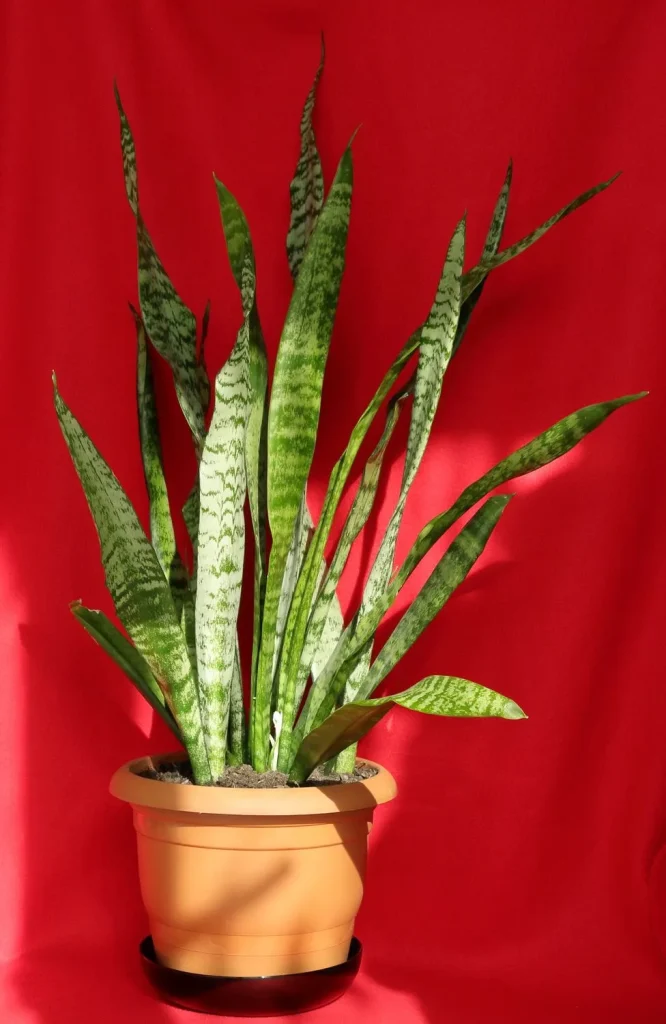
You bought a snake plant because everyone said it was impossible to kill. Now it's looking sad and you're not sure why. That's where real snake plant care starts, not with generic advice, but with understanding what your specific plant is telling you.
Our research across multiple growing guides and aggregate user reports shows that overwatering accounts for roughly 80% of snake plant failures. The other 20% break down between poor light, cold damage, and the wrong pot. As of 2026, these are still the four things that trip people up.
Ready to figure out which one is your problem?
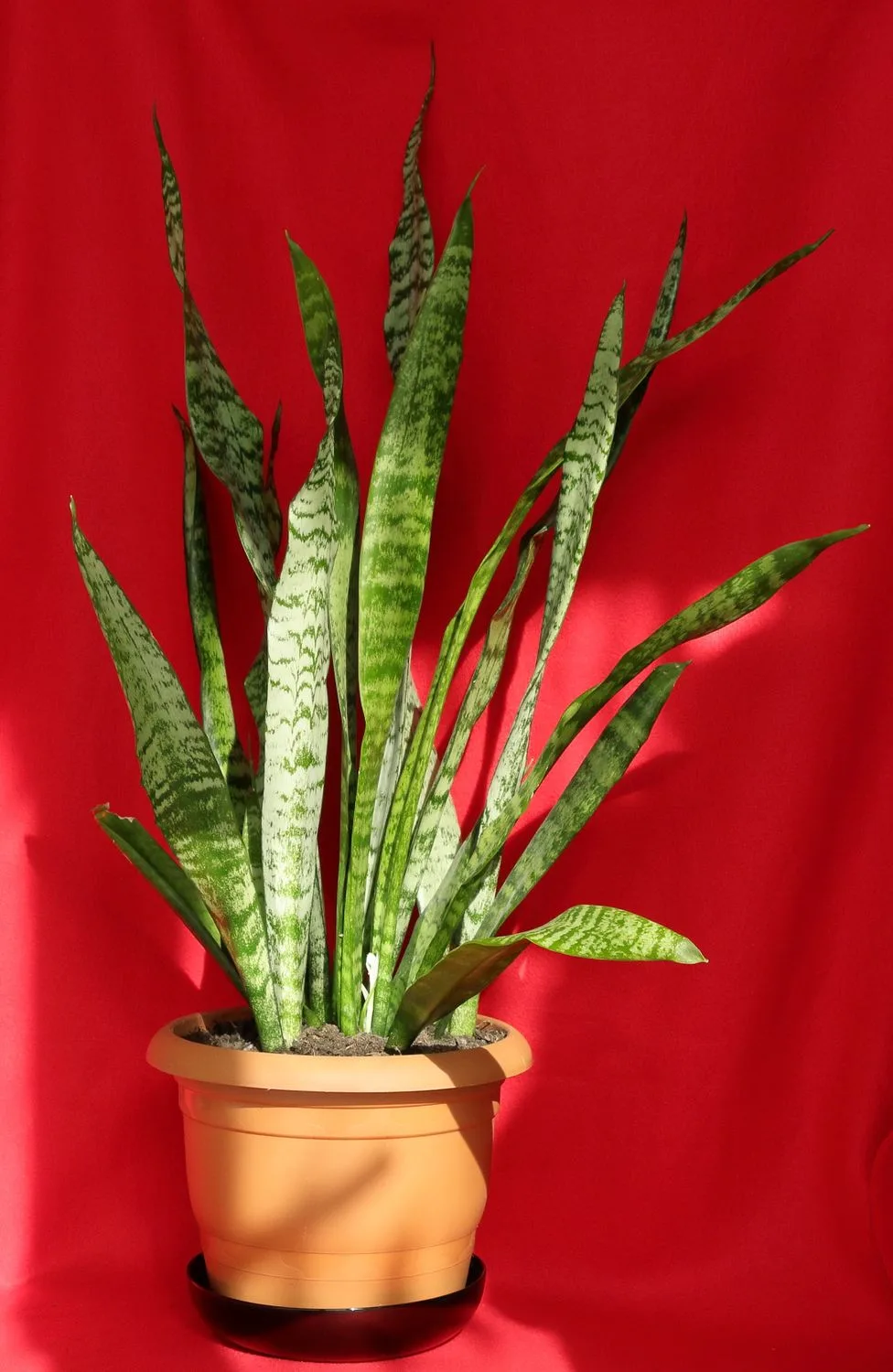
Image source: Web (Bing) / pexels.com (Web image (fair-use with source credit))
Quick Answer
Water snake plants only when the soil is bone dry. Give them bright indirect light. Use a pot with drainage holes.
Keep temperatures above 50°F. Ignore them more than you think. That is snake plant care in six sentences.
Why Your Snake Plant Is Dying (And How to Diagnose It)
Snake plants are resilient. But they show clear symptoms when something is wrong. The trick is reading those symptoms correctly.
Yellow leaves almost always mean overwatering. The leaves get soft and mushy near the base. Check the soil immediately.
If it's wet, you have root rot.
Brown crispy tips point to underwatering or salt buildup. Tap water contains minerals that accumulate over time. Switch to filtered or distilled water for a few months.
Leaves falling over or getting floppy usually means not enough light. Snake plants can survive low light but they can't thrive there. Move it closer to a window if the leaves start drooping.
Wrinkled or puckered leaves mean the plant is genuinely thirsty. This one is easy to fix, water it deeply and let it drain. The leaves should plump back up within a few days.
No growth at all for six months or more suggests either too little light or a pot that's too large. A pot that is way bigger than the root ball keeps soil wet too long. That leads to roots that never fully dry.
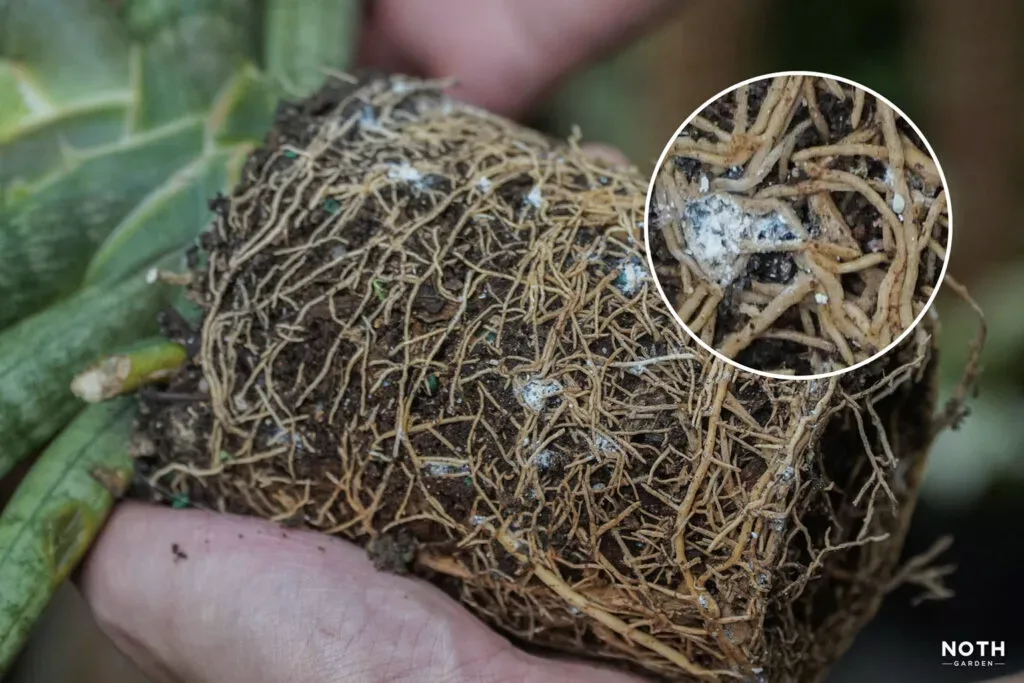
Image source: Web (Bing) / gardencomposer.com (Web image (fair-use with source credit))
The ASPCA lists Sansevieria as mildly toxic to pets, so if your dog or cat shows signs of vomiting or drooling after nibbling the leaves, that is likely the cause. But that is a separate issue from the plant dying. Your plant's problems are almost certainly one of the five above.
The Watering Decision Tree: When to Water, When to Wait
Watering is where most people get snake plant care wrong. Here is the simple decision tree that covers every situation.
Step 1: Check the soil. Stick your finger two to three inches deep. If the soil feels damp at all, do not water. If it feels bone dry, proceed to step 2.
Step 2: Check the leaves. Are they wrinkled or puckered? That means the plant is dehydrated. Water it even if the soil is only partially dry.
Are they firm and upright? Then the plant has plenty of stored water. You can wait longer.
Step 3: Check the pot weight. Lift the pot. A pot full of wet soil is heavy. A pot full of dry soil is light.
This is the easiest test once you get used to it. If the pot feels heavy, skip watering entirely.
Step 4: Water deeply, not frequently. When you do water, pour enough so it runs out the drainage hole. That ensures the entire root ball gets wet. Then let the soil dry completely before watering again.
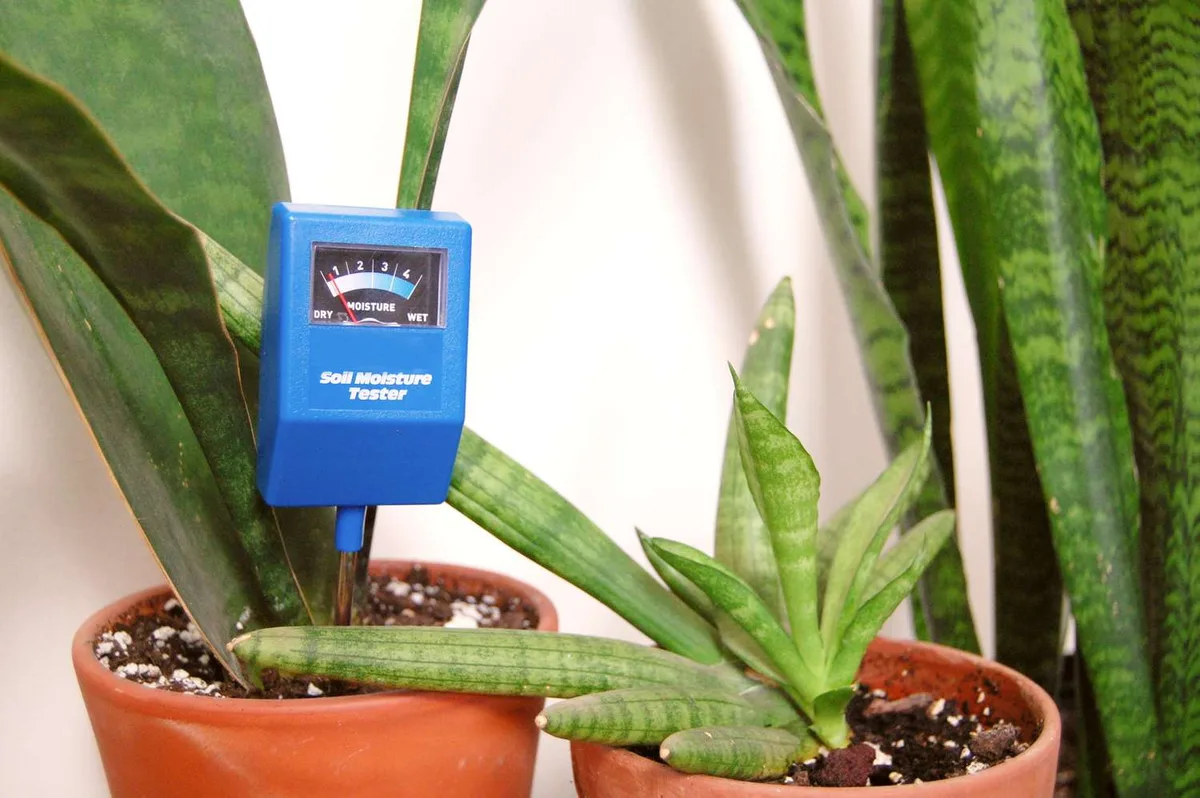
Image source: Bing (Web (fair-use with source credit))
Seasonal adjustment matters. Snake plants slow down in winter. They need less water. Our research across multiple growing guides suggests cutting watering frequency by about half during the colder months.
| Season | Typical Watering Frequency |
|---|---|
| Spring and summer | Every 2 to 4 weeks |
| Fall and winter | Every 4 to 8 weeks |
The most common mistake is watering on a schedule. Monday watering sounds tidy but your plant does not operate on a calendar. Check the soil every time.
That one change fixes 90 percent of snake plant problems.
Pot, Soil, and Drainage: The Foundation of Good Care
Snake plants do not care about fancy pots. They care about drainage. That is the only non-negotiable.
A drainage hole is required. No exceptions. If your favorite pot has no hole, use it as a cache pot. Put the snake plant in a plain nursery pot with drainage, then place that inside the decorative one.
Pull it out to water, let it drain, then put it back.
Terracotta pots are ideal because the porous clay helps soil dry faster. Plastic and glazed ceramic pots hold more moisture. If you are using plastic, water even less frequently.
Pot size matters more than people think. A pot that is too large keeps the outer soil wet while the roots stay dry. That is a recipe for root rot. Go up only one pot size when repotting.
Aim for about an inch of space around the root ball.
The right soil mix is simple. Snake plants need fast-draining soil. Regular potting soil alone holds too much water.
| Component | Ratio | Purpose |
|---|---|---|
| Standard potting soil | 2 parts | Organic matter and structure |
| Perlite or coarse sand | 1 part | Drainage and aeration |
| Cactus or succulent mix (optional) | 1 part | Extra drainage insurance |
Mix it together and that is your soil. University extension programs like those at the University of Florida IFAS Extension confirm that well-draining soil is the foundation of healthy succulent care.
Light: Finding the Sweet Spot (And Avoiding the Trap)
Snake plants are famous for tolerating low light. But "tolerating" is not the same as "thriving." Here is what each light level actually means for your plant.
Bright indirect light is the sweet spot. Place the plant near an east or north-facing window, or a few feet back from a south or west window. Leaves grow upright.
Variegation stays strong. You get the fastest growth.
Medium light works fine. A spot several feet away from a window still gives enough energy for slow but steady growth. Most snake plants live happily in these conditions for years.
Low light is where the trap lies. The plant will survive but growth slows to a crawl. Leaves may stretch toward the light and get leggy.
Variegated varieties lose their yellow edges over time. The plant still lives. It just stops doing much of anything.
Direct hot sun is the other trap. A south or west window in summer can scorch leaves in hours. You will see pale bleached patches or brown crispy spots.
Move it back a few feet or add a sheer curtain.
| Light Condition | Plant Response | Best Move |
|---|---|---|
| Bright indirect | Sturdy upright growth, strong variegation | Leave it alone |
| Medium | Slower growth, still healthy | Accept the pace |
| Low | Very slow growth, possible drooping | Move closer to window if possible |
| Direct hot sun | Scorched leaves, bleached spots | Move away from glass or add curtain |
The real-world test is simple. If your snake plant has not grown at all in six months, it wants more light. If it has bleached patches, it wants less direct sun.
Adjust gradually over a week to avoid shock.