If spring is a guarantee but indoor seed-starting space isn't, the right soil for winter sowing makes the difference between a flat of healthy seedlings and a container of mold. This method uses outdoor mini-greenhouses, milk jugs, soda bottles, takeout containers, to start cold-hardy seeds in winter. The growing medium you fill them with determines everything.
University extension research consistently recommends a sterile, soilless seed-starting mix for winter sowing. The medium needs to drain fast, hold just enough moisture, and stay loose through repeated freeze-thaw cycles. Garden soil does none of those things.
Let's walk through what actually works, why it matters, and which soil to choose for your specific setup.
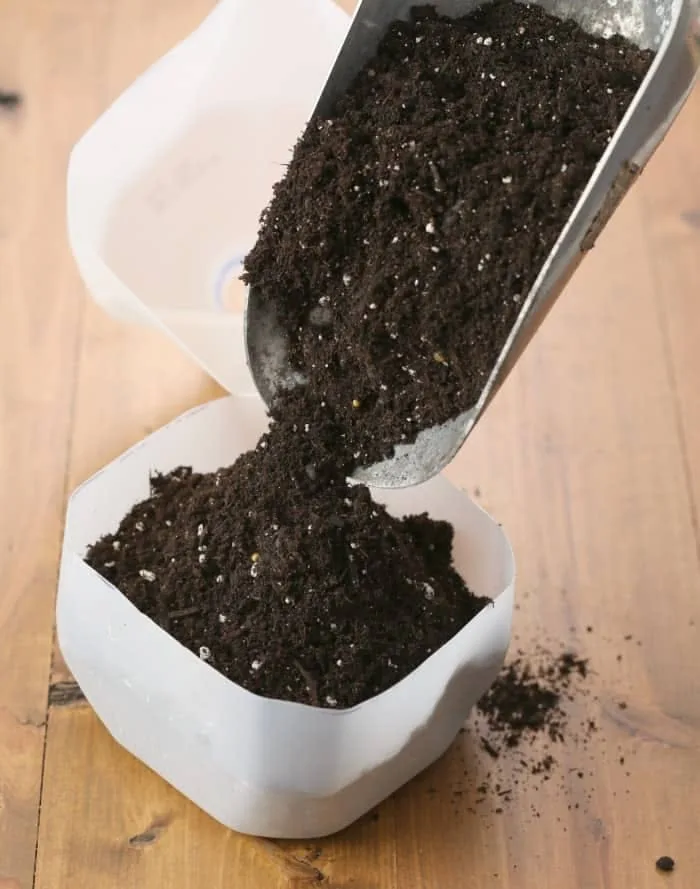
Image source: Web (Bing) / pinterest.com (Web image (fair-use with source credit))
Quick Answer
Use a sterile soilless seed-starting mix for winter sowing. Avoid garden soil. Avoid standard potting soil.
A light mix of peat moss or coco coir with perlite drains well and resists compaction. Pre-moisten it before filling containers. That one step prevents most failures.
The One Question That Decides Success or Rot
What kills winter-sown seeds more than anything? It's not cold temperatures. It's not pests.
It's soil that stays wet for too long.
When a container sits outside through snow, rain, and freeze-thaw cycles, drainage is everything. If your medium holds water like a sponge, seeds rot before they germinate. If it compacts into a dense brick, roots can't push through.
If it introduces mold spores or weed seeds from the garden, your mini-greenhouse becomes a petri dish.
The single question that decides success or rot is this: does your soil drain fast enough to stay aerated through three weeks of cold, wet weather?
A soilless seed-starting mix passes this test. Garden soil fails. Potting soil depends on the blend.
The rest of this article will show you exactly how to tell the difference and which one to grab.
Seed-Starting Mix vs Potting Soil vs Garden Soil: What Each Is Actually Made Of
These three options look similar in the bag. They're not. Here's what's inside each one.
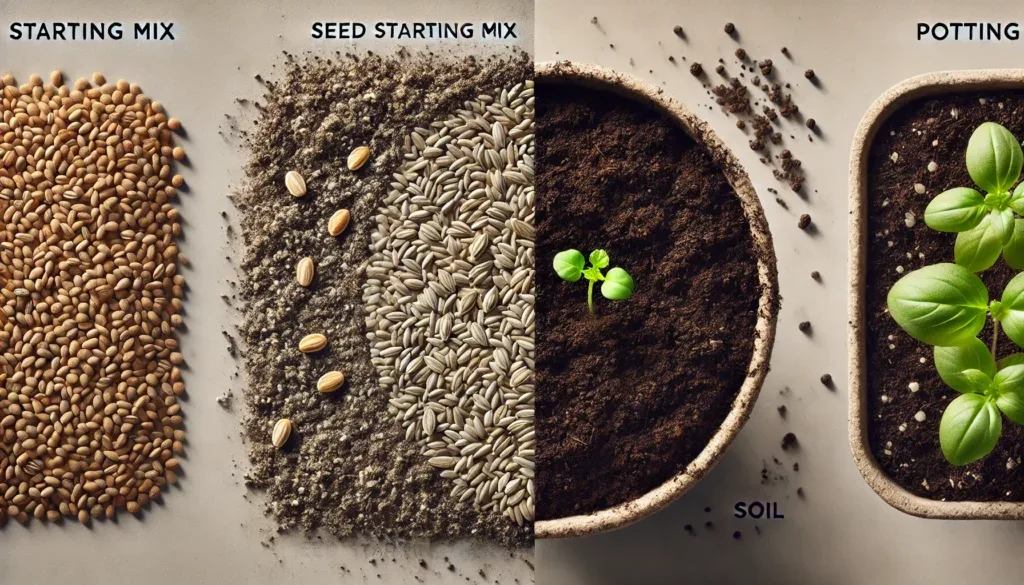
Image source: Web (Bing) / treecarezone.com (Web image (fair-use with source credit))
| Medium | Base Ingredients | Sterile? | Density |
|---|---|---|---|
| Seed-starting mix | Peat moss or coco coir, perlite, vermiculite | Yes | Light, fluffy |
| Potting soil | Peat, compost, bark fines, sand, perlite | Usually no | Medium |
| Garden soil | Native dirt, organic matter, clay, silt | No | Heavy, dense |
Seed-starting mix is engineered for germination. It has no soil at all, it's a soilless medium designed to hold air and moisture without compacting. Potting soil includes compost and bark particles that can harbor fungi.
Garden soil is straight dirt, often carrying weed seeds and pathogens.
For winter sowing, the medium needs to stay loose after freezing and thawing multiple times. Seed-starting mix does this naturally. Potting soil sometimes works if you screen out the big chunks.
Garden soil turns into concrete.
The Freeze-Thaw Test: How These Soils Handle Winter Outdoors
Here's the real test. A January day warms to 40°F, then drops to 15°F overnight. That cycle repeats for weeks.
Water expands as it freezes, and that pushes soil particles apart.
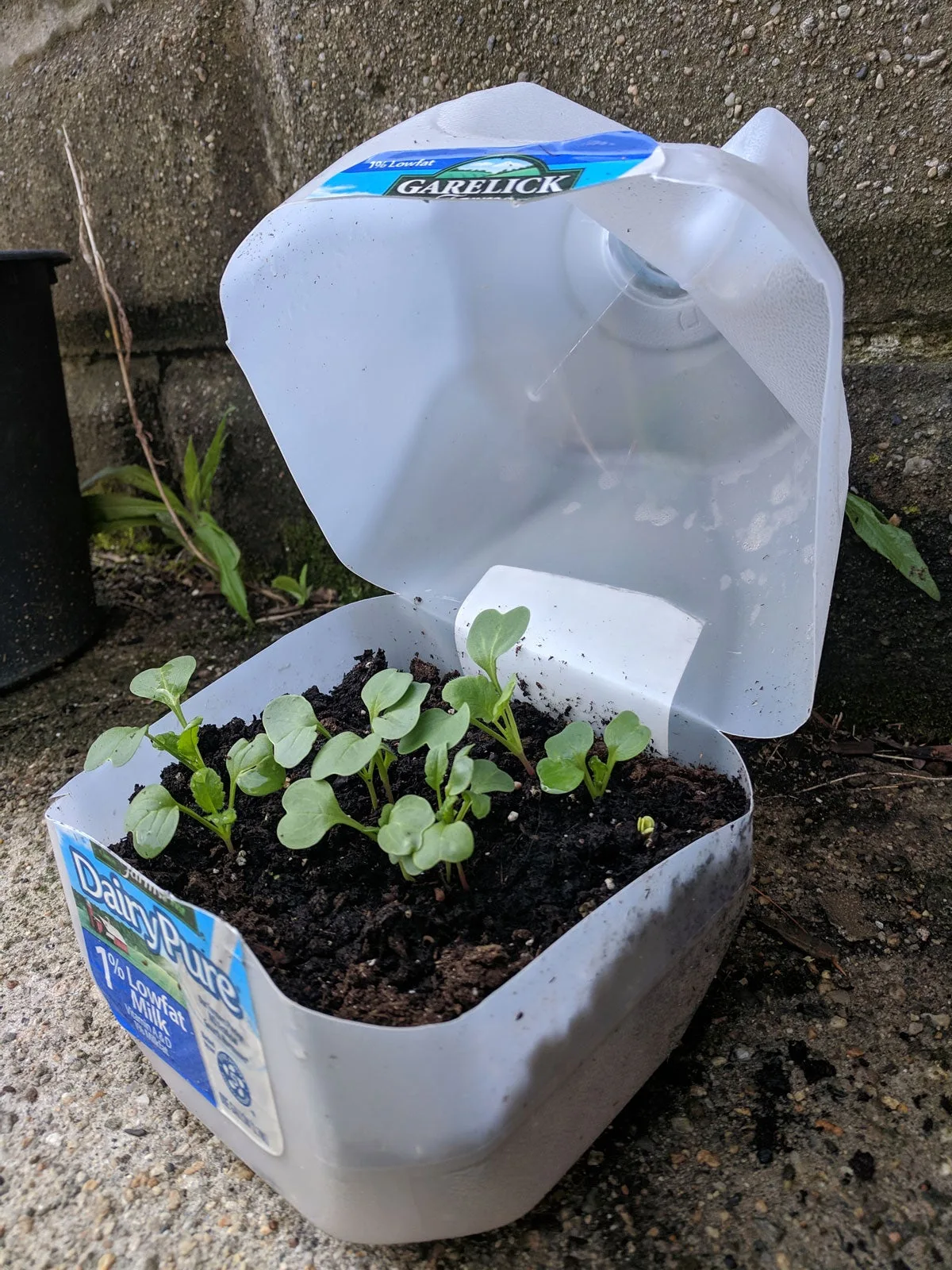
Image source: Web (Bing) / gardeningknowhow.com (Web image (fair-use with source credit))
A soilless seed-starting mix is mostly air pockets. When ice forms, the particles shift and settle back into place after thawing. The structure stays open.
Drainage remains good.
Potting soil with bark fines and compost holds more water per particle. Each freeze-thaw cycle breaks down those particles into smaller pieces. Over four to six weeks, the medium gets denser.
Air space shrinks. Water pools at the bottom.
Garden soil has clay and silt particles that trap water inside. Freezing turns that water into ice lenses that squeeze the soil into a solid mass. After two or three cycles, you've got a mud brick.
Seeds can't push through. Oxygen can't reach the roots.
University of Minnesota Extension trials confirm that soilless mixes maintain porosity through repeated frost cycles, while soil-based mediums lose up to 40 percent of their air space. That's the difference between a germinated flat and a rotten one.
Best Soil by Goal: Flowers, Veggies, Native Seeds, and Budget Sows
You don't need one soil for everything. Your goal changes the best pick.
For cold-hardy vegetables (kale, broccoli, lettuce, onions)
Use a standard soilless seed-starting mix. These seeds germinate fast, and the light medium gives roots room to develop before transplant. Pro-Mix or Jiffy Natural & Organic Seed Starter both work well.
For perennial flowers and native wildflowers
These seeds often need cold stratification. Many have fine, tiny seeds that need a fine-textured medium. Use a seed-starting mix sifted through a 1/4-inch screen to remove any clumps.
Coco coir blends work especially well here.
For budget sowing (large quantities, community gardens)
Mix your own: 60 percent peat moss or coco coir, 30 percent perlite, 10 percent vermiculite. This costs about half the price of bagged mixes and performs identically for winter sowing.
For gardeners avoiding peat
Use coco coir as your base instead of peat moss. Blend with perlite at a 3-to-1 ratio. Coco coir rewets more easily than peat after drying out, which is useful for containers that sit outside for months.
The 5 Soil Mistakes That Sink Winter Sows
1. Using garden soil straight from the yard
This is the most common mistake and the most damaging. Garden soil compacts under freeze-thaw cycles, blocks drainage, and introduces weed seeds and pathogens. The result is rot, mold, and very few seedlings.
2. Failing to pre-moisten the medium
Dry seed-starting mix repels water. If you fill a jug with dry mix and water it after sowing, the water runs through without soaking in. Seeds sit in dry pockets and never germinate.
Always moisten the mix to field capacity before filling containers.
3. Using potting soil with large bark chunks
Many potting soils contain wood chips and bark fines that decompose over winter. Decomposition creates heat, uses oxygen, and encourages fungal growth. For winter sowing, screen out anything larger than 1/4 inch.
4. Overwatering at the start
The medium should feel like a wrung-out sponge before you put it outside. Too wet, and the constant cold keeps moisture trapped. Seeds don't breathe.
They drown.
5. Adding fertilizer to the mix
Seedling mixes contain little to no nutrients by design. Adding fertilizer before seeds germinate causes salt buildup in the medium. Wait until seedlings have true leaves before feeding.
How to Mix Your Own Winter Sowing Medium (and When to Buy)
Mixing your own medium takes about five minutes and costs half as much as bagged seed-starting mix. The formula is simple: 60 percent peat moss or coco coir, 30 percent perlite, 10 percent vermiculite. No compost, no fertilizer, no garden soil.
| Ingredient | Parts | Job it does |
|---|---|---|
| Peat moss or coco coir | 3 | Holds moisture, keeps structure light |
| Perlite | 1.5 | Creates air pockets for drainage |
| Vermiculite | 0.5 | Retains water and holds nutrients |
Mix everything in a clean tote or wheelbarrow. Break up any clumps with your hands. Then moisten the mix 24 hours before sowing.
Peat-based mixes repel water when dry, so wetting it early makes a real difference.
Per University of Minnesota Extension trials, soilless mixes hold their structure far better than soil-based mediums through repeated freezes.
Buy a bagged seed-starting mix instead if you're only filling a dozen milk jugs. Commercial mixes are already sterilized and consistently textured. Homemade saves money for community groups and large sowings, but it does need a clean storage bin and dry ingredients.
Moist coco coir can harbor mold spores, so inspect it before mixing.
Frequently Asked Questions
How deep should the soil be in a winter sowing container?
Fill the container with 3 to 4 inches of pre-moistened medium. That gives roots enough room to develop before transplant. Deeper isn't better, it just wastes mix and can hold excess water at the bottom.
Can I reuse soil from last year?
No, don't reuse winter sowing mix from last season. The medium breaks down, loses aeration, and often carries fungal spores. Damping-off risk rises sharply on second use.
Even if it looks fine, the structure is gone. Start fresh each winter.
Is coco coir better than peat moss?
Coco coir rewets more easily than peat moss, which helps if your jugs dry out in early spring. It also avoids the environmental concerns around peat harvesting. Peat moss holds slightly more air, but both work well when blended 3-to-1 with perlite.
Do I need to add fertilizer to the mix?
No. Seedlings grow from stored seed energy for the first two weeks. Fertilizer in the medium can cause salt buildup that harms young roots.
Wait until plants have true leaves, then feed with quarter-strength liquid fertilizer.
Should the soil be wet or just damp?
Damp, like a wrung-out sponge. If water pools when you squeeze the mix, it's too wet. If it crumbles to dust, it's too dry.
Aim for that in-between zone before you sow.
Final Verdict: What to Use, What to Skip
Use a sterile soilless seed-starting mix for winter sowing. It drains well, resists compaction, and stays free of pathogens. Skip garden soil entirely.
Skip potting soil unless it's screened and light.
For most home gardeners, a commercial seed-starting mix in the 20 to 40 dollar per 50 liter range is the easiest path. For large sowings, the DIY coco coir and perlite blend works just as well. The right soil won't guarantee germination, but the wrong one will guarantee rot.