You want to start a butterfly garden, but you're probably staring at a confusing wall of plant lists and wondering which ones actually work. The good news? The visual differences between the right and wrong plants are easier to spot than you think, once you know what to look for.
In our research, most failed butterfly gardens come down to three fixes: using native host plants, placing them in full sun, and skipping pesticides entirely. As of 2026, both the Xerces Society for Invertebrate Conservation and Monarch Watch emphasize the same starting point: region-specific native plants over generic mixes. Let's walk through that process on the ground.
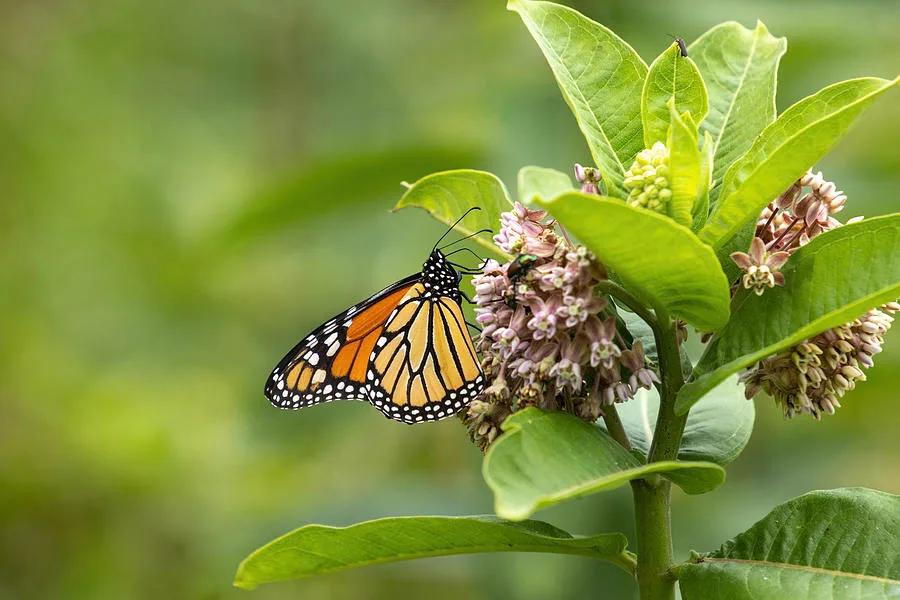
Image source: Bing (Web (fair-use with source credit))
Quick Answer
Start a butterfly garden by choosing native host plants for caterpillars and nectar flowers for adults. Place them in full sun with a shallow water source. Skip all pesticides.
Plant in clusters of three to five per species. Expect your first butterflies within one growing season.
Why Visual ID Matters for a Butterfly Garden
The internet will tell you to plant milkweed and call it a day. But here's the catch: "milkweed" covers over 100 species, and only some are native to your area. If you grab the wrong one, you could actually harm monarchs.
That's where visual identification saves the day.
Photos show you what a plant looks like at every life stage. A plant tag at a nursery might say "Butterfly Weed," but the flowers could be orange, pink, or even white depending on the cultivar. One glance at a picture of Asclepias tuberosa, and you'll know the difference.
Here's a quick breakdown of what visuals reveal that text doesn't:
- Leaf shape and texture: Native common milkweed (Asclepias syriaca) has thick, fuzzy oval leaves. Tropical milkweed (Asclepias curassavica) has narrow, smooth leaves. Easy to confuse from a distance, obvious once compared side by side.
- Flower clusters: Native species have specific cluster shapes and bloom colors that standard "butterfly garden" tags rarely mention.
- Seed pods: These are your best identifier in late summer. Common milkweed pods are warty and thick. Swamp milkweed pods are smooth and slender.
- Caterpillar activity: Chewed leaves and frass (caterpillar droppings) are visible confirmation you chose correctly.
So if you're choosing between a generic "wildflower mix" and a targeted native species list, the photos tell the real story. If the flower or foliage looks unfamiliar, it's worth researching before you plant.
Choosing the Right Native Host Plants by Visual ID
Now let's talk about the specific plants that feed caterpillars, not just adult butterflies. Each butterfly species needs a specific host plant family, and you'll recognize them by distinct visual cues.
| Species | Leaf shape | Flower cluster | Grows best in |
|---|---|---|---|
| Common milkweed (Asclepias syriaca) | Thick, fuzzy, oval | Round, purple-pink clusters | Midwestern fields and full sun |
| Swamp milkweed (Asclepias incarnata) | Narrow, smooth, pointed | Pink to rose flat-topped clusters | Wet soil, near water |
| Butterfly weed (Asclepias tuberosa) | Hairy, lance-shaped | Bright orange flattened clusters | Dry, sandy, well-drained soil |
Each species hosts monarch caterpillars, but they look different at every stage. A photo of Asclepias syriaca's large, fuzzy leaves looks nothing like the narrow, willow-like leaves of swamp milkweed. Learn one, then the other.
For black swallowtails, look for the parsley family. Dill, fennel, and parsley are host plants, and the caterpillars will show up faster than you expect. The trick is to grow extra: these plants get stripped quickly once the larvae mature.
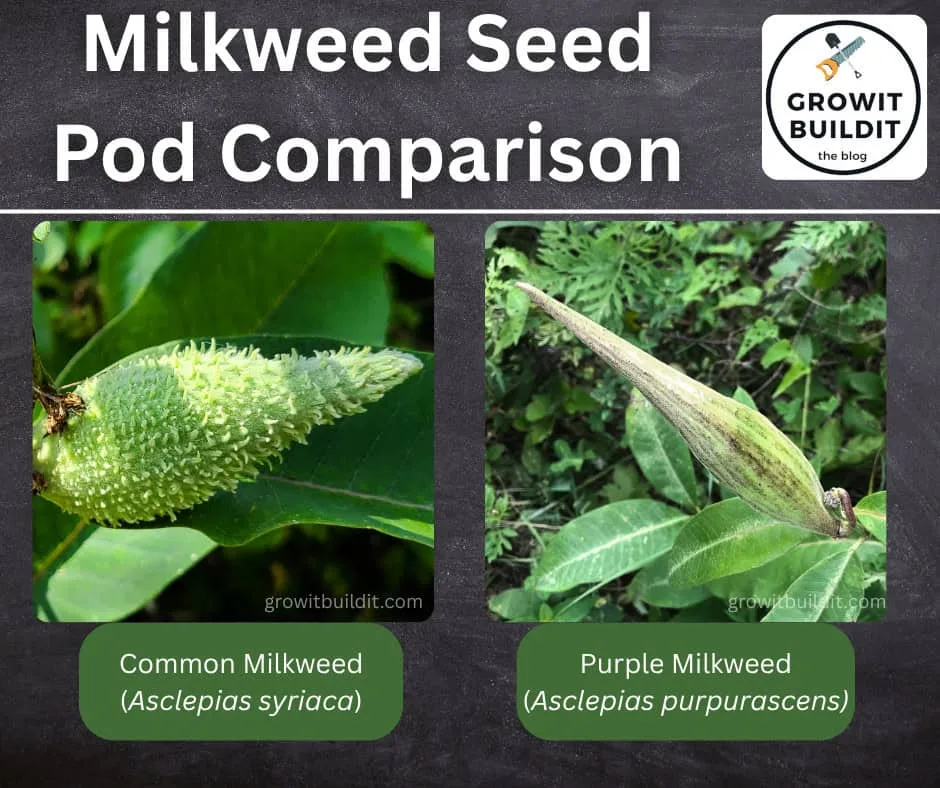
Image source: Bing (Web (fair-use with source credit))
Visual heat map by region:
- Northeast: Common milkweed, butterfly weed, and marsh milkweed
- Southeast: Butterfly weed, whorled milkweed, and tall green milkweed
- Midwest: Common milkweed and prairie milkweed
- West: Showy milkweed and narrow-leaf milkweed
- Southwest: Arizona milkweed and rush milkweed
Check your state's native plant society, since regional seed availability varies. The wrong milkweed for your ecoregion won't support local caterpillar development nearly as well.
Designing a Garden Layout That Butterflies Can Actually Find
Butterflies don't read garden plans. They navigate by sight and scent. So your layout needs to be visible from above and easy to locate mid-flight.
Cluster, don't scatter. A single milkweed plant in the corner might get noticed, but it won't attract much. A cluster of three to five plants forms a larger visual target. Butterflies spot patches of color from 50 feet away, and dense clusters give them a clear landing spot.
Map your sunlight first. Host plants need at least six hours of direct sun daily. Walk your yard at 10 am, noon, and 4 pm for a few days. Note where the shadows fall.
That's your planting zone.
Add a puddling station. Male butterflies need minerals from moist soil, so they congregate around shallow puddles. You can build one in ten minutes: a shallow saucer filled with sand, kept damp, with a flat stone in the center for landing. A photo of a puddling station shows butterflies clustered around the edges, sipping water with their proboscises extended.
Here's a simple 6×10 foot layout reference:
| Zone | Plant | Spacing |
|---|---|---|
| Back row | Swamp milkweed (3 plants) | 18 inches apart |
| Middle row | Butterfly weed (3 plants) | 12 inches apart |
| Front row | Dill and fennel (4 plants) | 8 inches apart |
| Corner | Puddling station | Not applicable |
Place taller plants in back, shorter ones in front. Butterflies can approach from any direction, but most species prefer flowers near a garden edge with quick escape to trees or shrubs. You're essentially creating a food parking lot with clear entry lanes.
How to Spot Caterpillars, Eggs, and Chrysalises
The real reward of a butterfly garden is watching the life cycle unfold. But you have to know where to look.
Monarch eggs are tiny. They're white, oval, and roughly the size of a pinhead. You'll find them on the underside of milkweed leaves, usually one per leaf.
If you see one, it's worth watching daily.
Caterpillar instar stages change drastically. The first instar is nearly translucent and barely visible. By the fifth instar, the monarch caterpillar is a thick, yellow, black, and white striped pattern that's unmistakable.
Photos showing all five instars side by side make the transformation obvious.
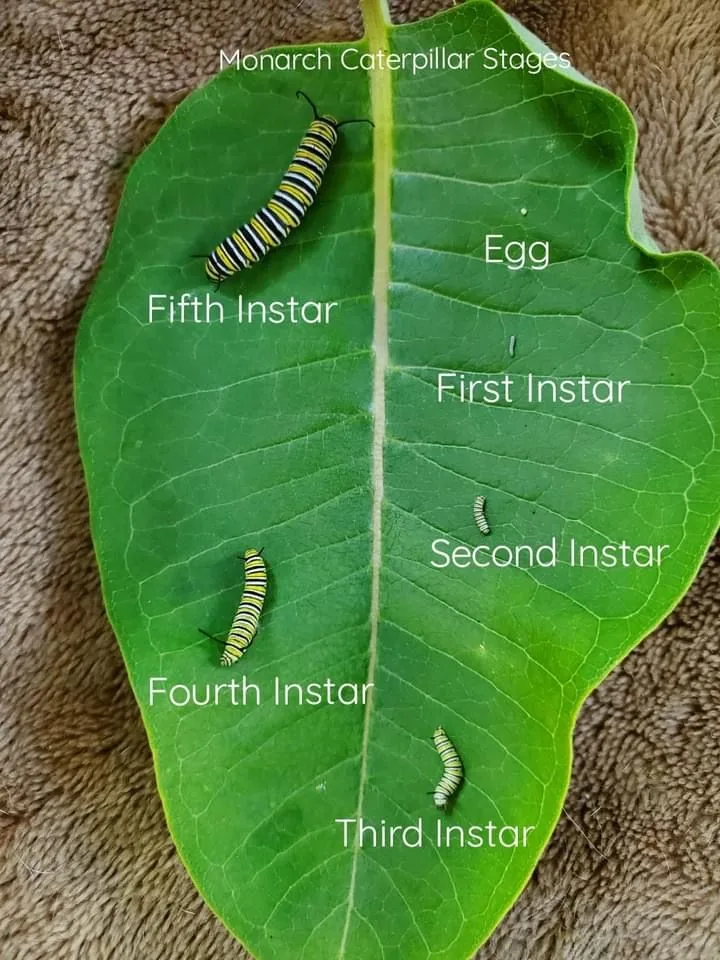
Image source: Web (Bing) / artofit.org (Web image (fair-use with source credit))
Chrysalis camouflage: Monarch chrysalises are jade green with a gold rim. They hang from a stem or leaf and look like a small pendant. Swallowtail chrysalises are brown and woody, blending into the bark.
If you don't know what to look for, you'll toss them out with the trimmings.
Common look-alikes to watch out for:
- Monarch vs. queen caterpillars: Queen larvae have three sets of black filaments. Monarchs have two.
- Black swallowtail vs. monarch larvae: Both striped, but swallowtails have a black band and orange spots on a bright green body.
- Wasps vs. caterpillars: Not larvae, but they hunt in the same foliage. Don't confuse the two.
If you photograph what you find and compare with a field guide, you'll identify new species within a season. That's the part that makes this hobby addictive.
Common Visual Mistakes That Derail a Butterfly Garden
The biggest heartbreaker is thinking you did everything right, then watching nothing appear. Visual mistakes usually cause it.
Mistake #1: Confusing tropical milkweed with native milkweed. Tropical milkweed (Asclepias curassavica) is sold at many chain nurseries because it's colorful and grows fast. In warm climates, it can carry OE parasites that weaken monarchs. Photos side by side show the difference: tropical has narrow leaves and red-orange flowers.
Monarch Watch recommends planting native milkweed species for your region instead.
Mistake #2: Panicking over chewed leaves. The first time you see skeletonized dill or ragged milkweed, it's tempting to treat the plant. Stop. That damage means caterpillars are feeding.
Look closer before spraying.
Mistake #3: Spring cleanup too early. Chrysalises overwinter in dead stems and leaf litter. If you cut everything down when the weather warms, you're throwing away the next generation. Wait until daytime temps stay above 50°F for about a week before you touch anything.
Mistake #4: Buying plants that look perfect. Shiny, flawless nursery plants often carry systemic neonicotinoid pesticides. Those chemicals kill caterpillars. Ask the nursery directly if plants have been treated.
Or buy from a local native plant nursery.
Mistake #5: Ignoring the visual difference between nectar plants and host plants. Nectar brings adults in. Host plants keep them reproducing. You need both, and they serve completely different purposes.
Maintenance Through the Seasons
A butterfly garden isn't a set-it-and-forget-it project. It needs timed maintenance that matches the insect life cycle. The wrong cut at the wrong time wipes out your next generation.
Fall: leave everything standing. Dead stems, dried seed heads, and leaf litter all serve as winter shelter. Chrysalises attach to stems. Caterpillars pupate inside curled leaves.
If you cut everything back in October, you remove the entire next wave. Wait.
Winter: do nothing. Seriously. The garden looks messy, but that mess is full of life. Walk around and note which plants held up best.
That tells you what thrived in your soil.
Spring: wait for consistent warmth. Clean up only after daytime temperatures stay above 50°F for a full week. By then, most overwintering adults and pupae have emerged. Cut old stems to about six inches high.
Leave some stems standing for stem-nesting native bees.
Mid-summer: strategic deadheading. Remove spent blooms on nectar plants to encourage reblooming. But leave host plant flowers alone if they've set seed. Milkweed pods need to ripen and disperse naturally.
The Xerces Society recommends cutting no more than one-third of spent flower stalks at a time.
Late summer: scout for OE. If you grow tropical milkweed in warmer zones, cut it back to the ground in late summer. This reduces OE parasite spores that build up on the foliage and infect monarch caterpillars. Native milkweed typically doesn't need this treatment.
Watering routine. Established native plants rarely need supplemental watering. But young transplants need consistent moisture for their first four to six weeks. Water at the base, not overhead.
Soggy leaves promote mildew.
Photo documentation. Take a photo of your garden from the same spot every two weeks. You'll spot changes in plant spread, caterpillar activity, and bloom overlap that you'd miss day to day. It also makes identifying new species much easier.
Frequently Asked Questions
How long until I see butterflies?
With the right host plants in season, expect the first adults within four to eight weeks. Caterpillars need time to find your plants, feed, pupate, and emerge. If you start with established plants rather than seeds, you speed that timeline.
What if I only have a balcony or small space?
Container gardens work well. Use a large pot for one milkweed plant and add dill or fennel for swallowtails. Butterflies find small spaces as long as they get full sun and a puddling dish.
Even a single milkweed plant can host caterpillars.
Can I use tropical milkweed if that's all I can find?
It's better than nothing for short-term nectar, but it carries risks. Tropical milkweed can host OE parasites and doesn't die back in warm climates, allowing spore buildup. Cut it to the ground in late summer to reduce parasite load.
Native species are always better.
How do I know if a nursery plant has pesticides?
Ask directly. Systemic neonicotinoids linger in plant tissue for months, killing caterpillars that feed on treated leaves. If the nursery can't confirm a plant is pesticide-free, wash the leaves thoroughly and wait a full growing season before using it as a host plant.
Should I bring caterpillars indoors to protect them?
It's optional but risky. Indoor-reared monarchs may not develop proper migration instincts. If you do bring them in, use a mesh cage with fresh milkweed daily and release the adult within 24 hours of emergence.
Outdoor survival rates are lower but produce stronger butterflies.
What about wasps eating caterpillars? Should I interfere?
This is the hardest part for most gardeners. Wasps, birds, and spiders are natural predators. Removing them weakens the local ecosystem.
Accept some caterpillar loss as part of a healthy garden. If predation seems extreme, add more host plants to spread the risk.