Storing parsley the right way is the difference between a garnish that snaps with freshness and a soggy green mess in your crisper drawer. If you've ever pulled out a bunch after two days and found it limp, you know the pain. The fix is simpler than you think.
The key is understanding what makes parsley fail. Fresh herbs store best at 90 to 95 percent humidity and temperatures between 32 and 40°F. Get those two numbers wrong and you'll watch exactly how parsley goes limp and slimy in your fridge.
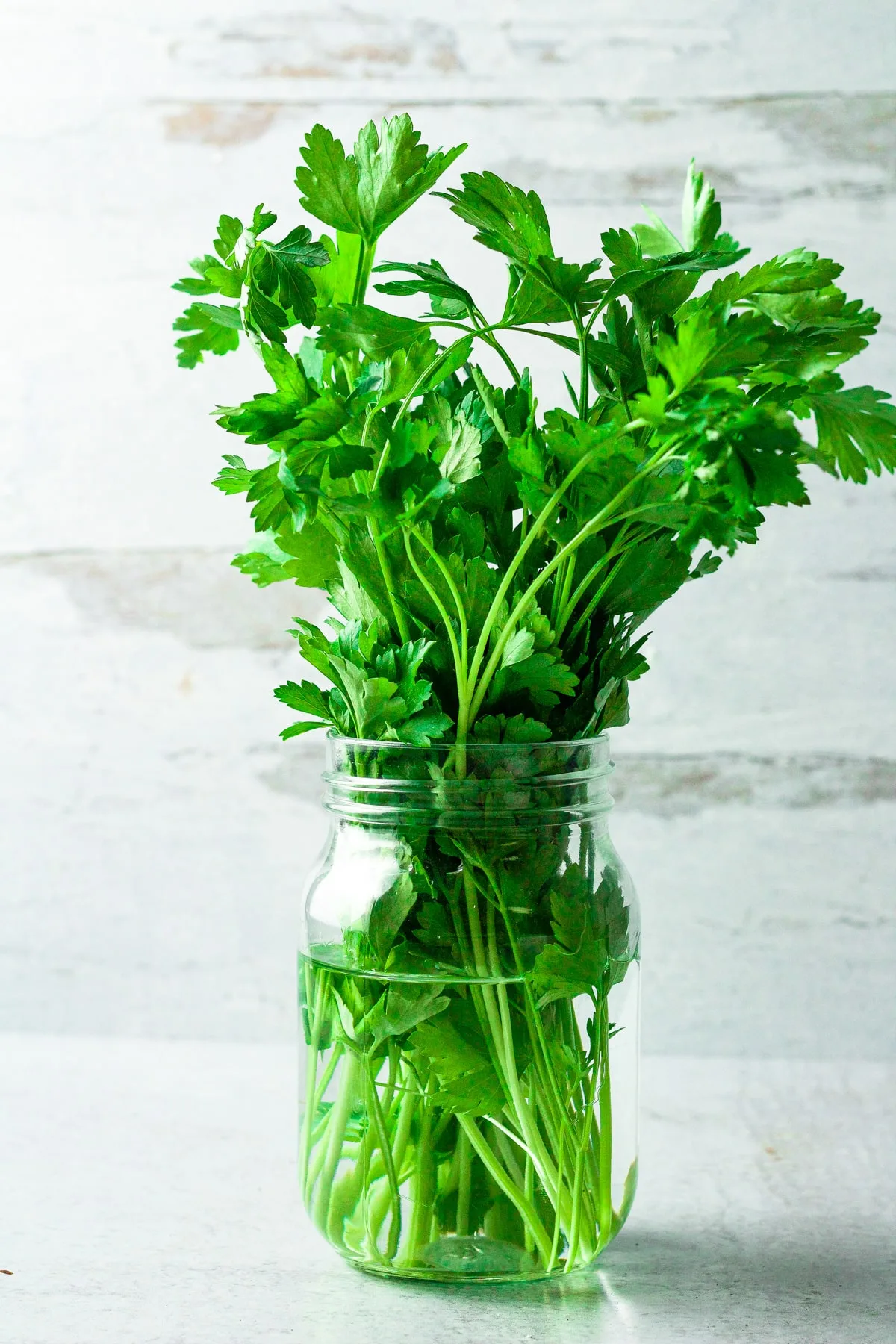
Image source: Web (Bing) / onegirlonekitchen.com (Web image (fair-use with source credit))
Why Your Parsley Goes Limp and Slimy So Fast
Parsley leaves are thin and surprisingly delicate. They lose moisture fast at room temperature. That's why a bunch left on the counter wilts within hours.
But refrigerators aren't always kind either. Most crisper drawers hold too much moisture or too little, and both extremes ruin the leaves.
The real culprit is moisture balance. If water pools on the leaves, bacteria and mold grow. That's the slime you see by day three.
If the air around the parsley is too dry, the leaves lose water and go limp. Gardeners call it "lost turgor." You just call it dinner ruined.
Temperature matters too. The warmer it is, the faster enzymes break down the leaves. As of 2026, the research consensus is clear: 32 to 40°F is the sweet spot for fresh parsley.
Above that, you're racing against time.
Ethylene gas from nearby apples and bananas also speeds up yellowing. So keep parsley away from those fruits. The takeaway: cool, humid, and slightly aired is the goal.
Most storage methods fail because they're too wet, too dry, or sealed too tight. Understand that and you'll never waste another bunch.
The Three Questions That Decide Your Storage Method
You don't need one perfect method. You need the method that fits your timeline. Ask yourself these three questions before storing anything.
1. How soon am I using this? If you'll cook with it within three days, a simple jar of water on the counter works fine. If you need it to last a week, the fridge is non-negotiable.
If you've got a garden that just won't quit, freeze or dry the surplus.
2. Do I need it raw and crisp, or is cooked flavor enough? Salads, garnishes, and pesto need fresh, perky leaves. Stews, soups, and sauces only need the flavor.
That distinction determines whether you refrigerate or freeze.
3. How much fridge space do I have? A full bunch in a water glass takes up a corner shelf. Chopped parsley in a freezer bag lies flat and takes almost no space.
On a packed fridge shelf, the flat option wins.
There's no wrong answer. Just the wrong method for the timeline. If you need it this week, short-term storage is the move.
If you're stocking up for winter, freezing or drying is your only real option.
Short-Term Storage: Keep Fresh Parsley for 7 to 10 Days
There are two reliable ways to keep parsley fresh in the fridge. Both work, and each fits a different situation. Start by washing the bunch well in cold water, then dry it thoroughly.
A salad spinner works best. Wet leaves in a sealed bag create slime within days.
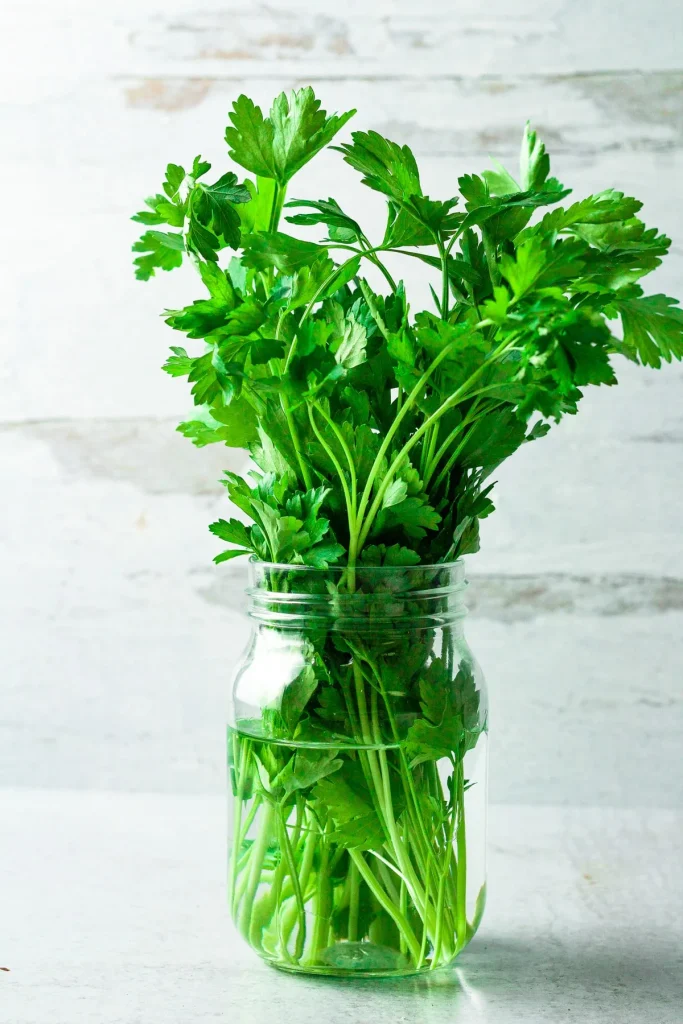
The water jar method takes about two minutes. Trim half an inch off the stems. Place the bunch in a glass jar with one inch of water.
Cover loosely with a plastic bag. Store in the fridge. This keeps leaves fresh for up to 10 days.
The stems stay crisp, and the leaves keep their deep green color.
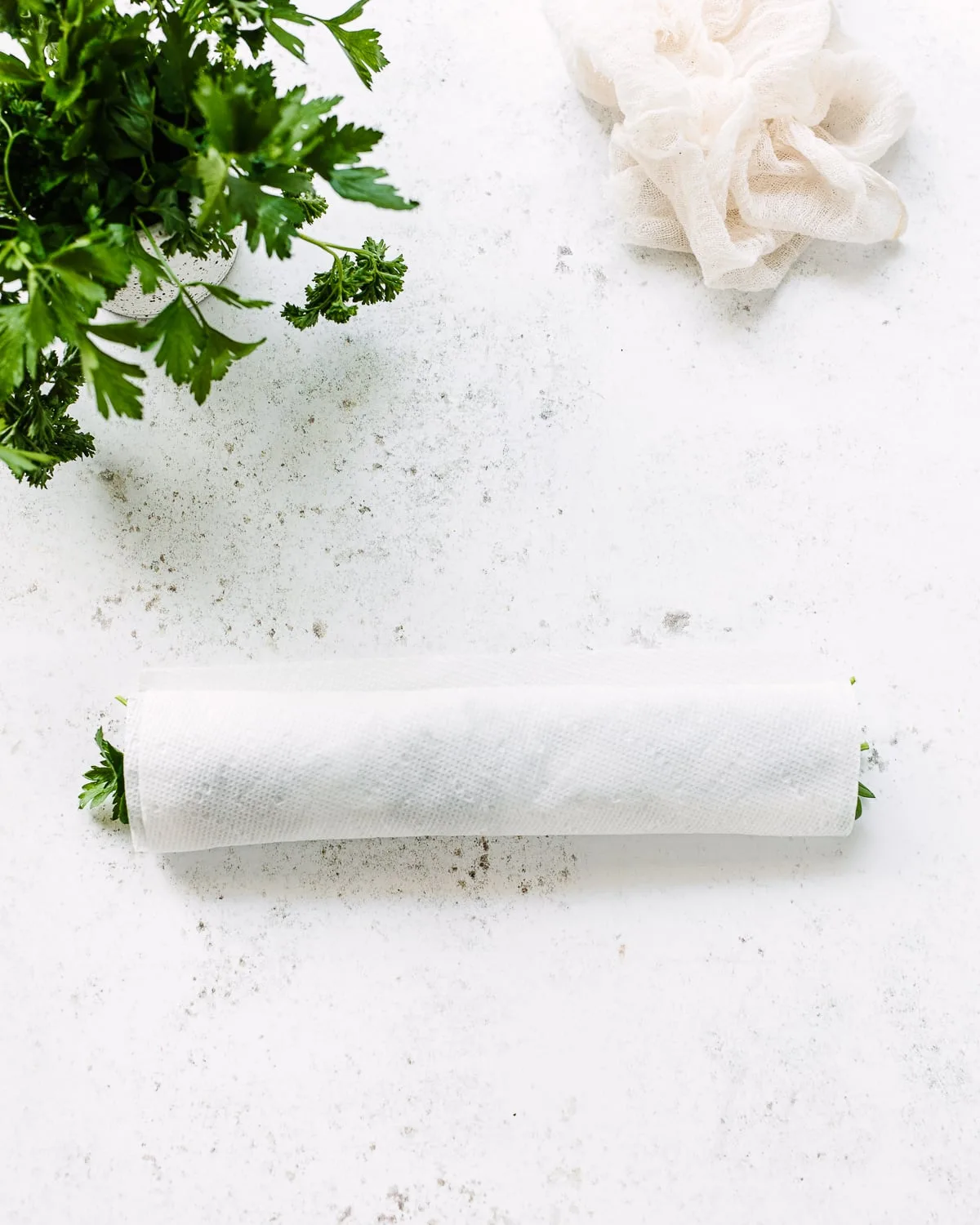
Image source: Web (Bing) / familystylefood.com (Web image (fair-use with source credit))
The damp paper towel method is faster. Lay the parsley on a slightly damp paper towel. Roll it up like a cigar.
Slip it into a plastic bag, then into the fridge. This works for pre-chopped leaves too, but you'll get 5 to 7 days instead of 10.
| Method | Prep time | Average shelf life | Best for |
|---|---|---|---|
| Water jar | 2 minutes | 7–10 days | Whole bunches |
| Damp towel | 1 minute | 5–7 days | Chopped parsley |
Change the water in the jar every two days. Re-dampen the towel if it dries out. Check the leaves: bright green and firm means it's still good.
Yellowing or slime? It's done. Don't toss the stems either.
They carry plenty of flavor for stocks and soups.
Long-Term Storage: Freezing Parsley Without Losing Flavor
Freezing is the best way to keep parsley around for months. The flavor holds up well, though the texture won't. Thawed parsley goes limp, so use frozen leaves in cooked dishes, not as a garnish.
The flash-freeze method works best for chopped parsley. Rinse, dry, and chop the leaves. Spread them in a single layer on a parchment-lined baking sheet.
Freeze for two hours. Once the pieces are hard, scrape them into a freezer bag. This prevents clumping and lets you grab a pinch whenever you need it.
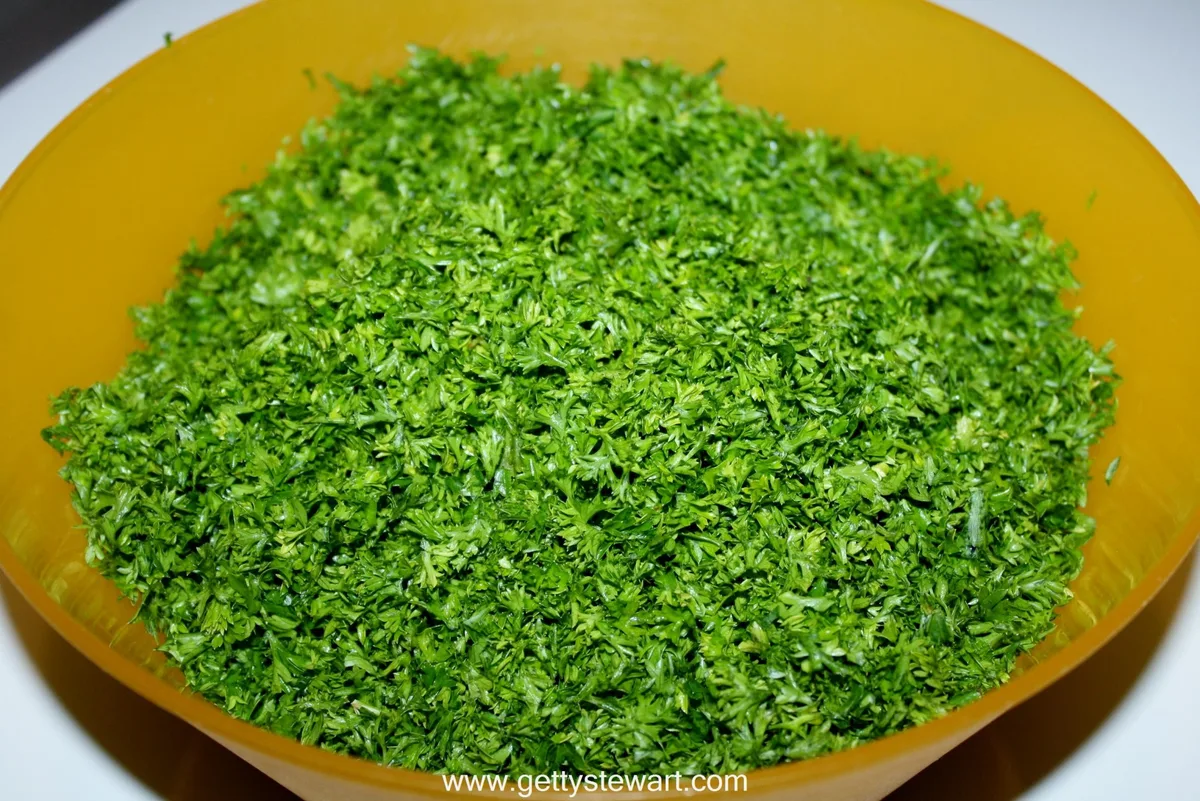
Image source: Web (Bing) / gettystewart.com (Web image (fair-use with source credit))
The ice cube method is ideal if you love adding herbs to soups and stews. Pack chopped parsley into ice cube trays. Fill each well with water or olive oil, then freeze.
Pop out the cubes and transfer them to a freezer bag. Each cube delivers a measured dose of flavor. Water cubes work for any dish.
Olive oil cubes add richness to sauces.
Label everything with a date. Frozen parsley keeps its best quality for three to six months. After that, the flavor fades gradually.
Store the bag flat in the freezer to save space and make breaking off pieces easier. No need to thaw before adding to a hot pot. Drop the cubes in frozen.
The Drying Option: When It Works and When It Doesn't
Dried parsley is the pantry workhorse. It doesn't taste like fresh, but it rehydrates beautifully in cooked dishes. Use it when you have more parsley than you can freeze and the flavor is going to steam in a pot anyway.
Air drying is the classic method. Gather a few stems and tie them with twine. Hang them upside down in a dry, well-ventilated spot out of direct sunlight.
Wait one to two weeks. The leaves should crumble when rubbed between your fingers.
If you want it faster, the oven works well. Arrange dry leaves in a single layer on a baking sheet and set the oven to 170°F or its lowest setting. Leave the door slightly ajar.
Check every 30 minutes. Most batches are done in two to three hours.
A dehydrator runs at 95 to 105°F and gives the most even results, but it's a single-purpose appliance. Only buy one if you preserve herbs regularly. According to the National Center for Home Food Preservation, dried herbs keep their best quality for six to twelve months.
Store them in an airtight jar away from light and heat. Crushed leaves release more flavor than whole leaves, but they also lose potency faster. If you love parsley salads, skip drying.
For cooked meals, it's a zero-waste win.
Five Common Parsley Storage Mistakes
Even with the right method, small errors can wreck your bunch. Here are the mistakes we see most often.
Washing too late. Wet leaves that sit in a sealed bag turn to slime. Wash right before use, not before storage. If you must wash first, dry every leaf thoroughly with a salad spinner or paper towels.
Sealing the bag completely. Parsley needs a little airflow. A fully sealed bag traps condensation, and condensation breeds mold. Leave the bag slightly open or poke a few holes in it.
Storing near ripening fruit. Apples, bananas, and tomatoes release ethylene gas. That gas speeds up yellowing and decay. Keep parsley away from them in the fridge.
Chopping before freezing without flash-freezing. If you dump chopped parsley into a bag, it freezes into one solid clump. You'll fight to break off a piece. Spread it on a tray first, then bag it.
Using frozen parsley for garnish. Thawed leaves lose their crispness completely. They turn limp and weep water. Reserved frozen parsley for soups, stews, and sauces instead.
Quick Decision Guide: Which Method Is Best Right Now?
Match your situation to the right storage method. It's a simple decision tree.
Using it tonight or tomorrow? Keep the bunch in a glass of water on the counter. Trim the stems first, change the water daily. That's good for three to five days.
Need it to last a week? Use the water jar method in the fridge or the damp paper towel roll. Both give you seven to ten days of crisp leaves.
Stowing a garden surplus? Freeze or dry it. Flash-frozen chopped parsley handles most cooking needs. Dried parsley works for soups and long-cooked dishes.
Have a packed fridge? Skip the jar. Roll parsley in a damp towel and lay it flat in a bag. Or chop, freeze, and store flat.
| Situation | Method | Lifespan |
|---|---|---|
| Tonight or tomorrow | Countertop jar | 3–5 days |
| This week | Fridge jar or towel | 7–10 days |
| Surplus harvest | Freeze or dry | 3–12 months |
| Tight fridge space | Flat frozen bag | 3–6 months |
If you're ever unsure, default to the fridge jar method. It's the most forgiving and keeps leaves crisp longest.
Frequently Asked Questions
How long does fresh parsley last in the fridge?
With the water jar method, fresh parsley lasts seven to ten days. The damp paper towel method gives you five to seven days. Keeping the temperature between 32 and 40°F and changing the water every two days maximizes shelf life.
Can you freeze parsley without ruining it?
Yes. Flash-freeze chopped leaves on a baking sheet first to keep them from clumping. Or pack them into ice cube trays with water or olive oil.
Frozen parsley keeps its best flavor for three to six months. Use it only in cooked dishes.
Should you wash parsley before storing it?
No. Wash parsley right before you use it. Storing wet leaves traps moisture and accelerates mold growth.
If you wash first, dry the leaves completely with a salad spinner or paper towels before refrigerating.
How do you revive wilted parsley?
Trim the stems and place the bunch in a glass of cold water. Leave it for a few hours. The leaves will bounce back if they aren't too far gone.
Submerge the whole bunch in ice water for faster results.
What's the difference between curly and flat-leaf parsley for storage?
Very little. Both varieties store the same way. Flat-leaf parsley tends to be slightly more robust and flavorful.
Curly parsley may wilt a bit faster because its frilly leaves hold more surface moisture.