You've got a basket full of peppers and the season is winding down. That's a great problem to have, but only if you know how to handle it. Storing peppers for winter use is a decision tree, not a one-size-fits-all recipe.
Your pepper type, your storage space, and your cooking habits all point to a different method.
The science here is well established. The National Center for Home Food Preservation publishes tested processes for freezing, drying, and canning peppers, and as of 2026, those guidelines remain the benchmark home preservers use. Freezing keeps texture closest to fresh, while drying and pickling trade some texture for shelf stability.
Let's walk through your options and figure out which branch fits your situation.

Image source: Web (Bing) / template.net (Web image (fair-use with source credit))
Quick Answer
Freeze peppers for winter use if you want near-fresh texture. Dry them for shelf-stable flakes and powders. Pickle or can them for tangy pantry jars.
The freezer is the fastest route. Your pepper type and storage space decide the best fit.
Start With Your Pepper Type and Your Plan
The first fork in the road is what's sitting in your harvest basket. Thick-walled peppers like bells and cubanelles freeze beautifully. Their high moisture content holds up well to blanching without turning to mush.
Thin-walled peppers like jalapeños, serranos, and cayennes freeze fine, but they shine brighter when dried or pickled because they lose moisture quickly.
Your cooking style matters just as much. Do you toss diced peppers into scrambles, soups, and stir-fries? The freezer is your friend.
Do you reach for chili flakes or powders at the end of cooking? Drying is the clear winner. Do you love tangy heat on sandwiches and tacos?
Pickling or fermenting earns its space.
| Pepper Type | Best Storage Method |
|---|---|
| Thick-walled (bell, cubanelle, gypsy) | Freeze raw or roasted |
| Thin-walled sweet (banana, cherry) | Pickle or freeze |
| Thin-walled hot (jalapeño, serrano) | Dry, pickle, or ferment |
| Extra-hot (habanero, ghost, scotch bonnet) | Dry for powder, ferment for sauce |
The rest of this article breaks down the three main branches. Each section covers who it's for and how to do it right. By the end, you'll know exactly which method matches your kitchen and your winter meal plan.
The Freezer Route: Fast, Easy, and Perfect for Cooking
Freezing is the lowest-effort way to store peppers for winter use, and it gives you the most flexibility. Frozen peppers won't have the crisp bite of fresh ones, but they cook up beautifully in anything warm. Extension service reviews consistently rate freezing as the most fail-proof method for beginners.
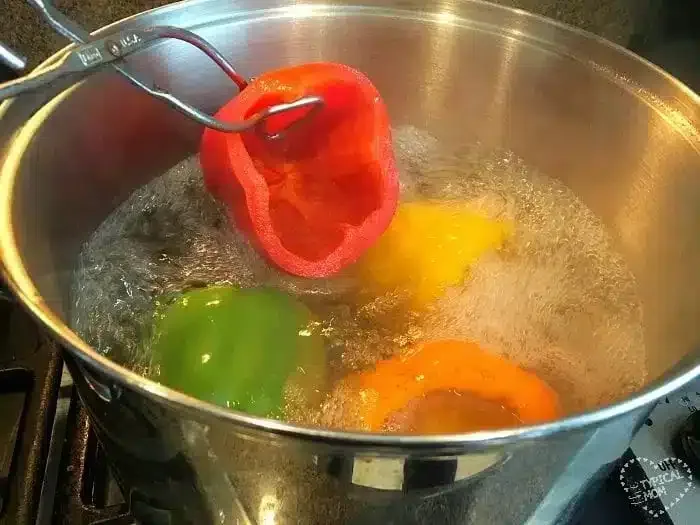
Image source: Bing (Web (fair-use with source credit))
Step one is deciding between raw packing and roasting. Raw packed peppers are clean, diced, blanched, and bagged. They're ready for any recipe that calls for cooked peppers later.
Roasted peppers get charred under a broiler or on a grill, then peeled and packed with a little of their juices. That smoky flavor lands perfectly in pasta, sandwiches, and purees.
Blanching stops enzyme activity that causes off-flavors over time. Drop thick-walled peppers into boiling water for 2 to 3 minutes, then plunge them into an ice bath. Thin-walled peppers only need 1 to 2 minutes.
Pat them dry, pack them into freezer bags with the air pressed out, and leave a half-inch of headspace for expansion.
Vacuum sealing pushes quality further. At 0°F (-18°C), vacuum-sealed peppers stay good for up to 12 months without freezer burn. Standard zip-top bags work too, but they'll lose quality sooner.
Label every bag with the pepper type and date before you stack them.
One quick note: if you skip blanching entirely, expect mushy texture and muted flavor within two months. It's not a failure, but it's a disappointment when you'd planned a bright, peppery winter soup.
Drying: Best for Heat Lovers and Shelf-Stable Storage
Drying is the oldest preservation method and the ultimate space saver. A bushel of fresh peppers shrinks down to a quart of flakes or powder. That's why it's the top choice for small kitchens, preppers, and anyone who hates freezer clutter.
The shelf life is exceptional: properly dried peppers keep for 1 to 2 years in a cool, dark pantry.
A dehydrator is the most consistent tool, but your oven works in a pinch. Set the dehydrator to 125°F (52°C) and run it for 8 to 12 hours. In an oven, use the lowest setting, which is usually around 150°F, keep the door cracked open, and check every hour.
Peppers are fully dry when they're brittle and snap cleanly instead of bending.
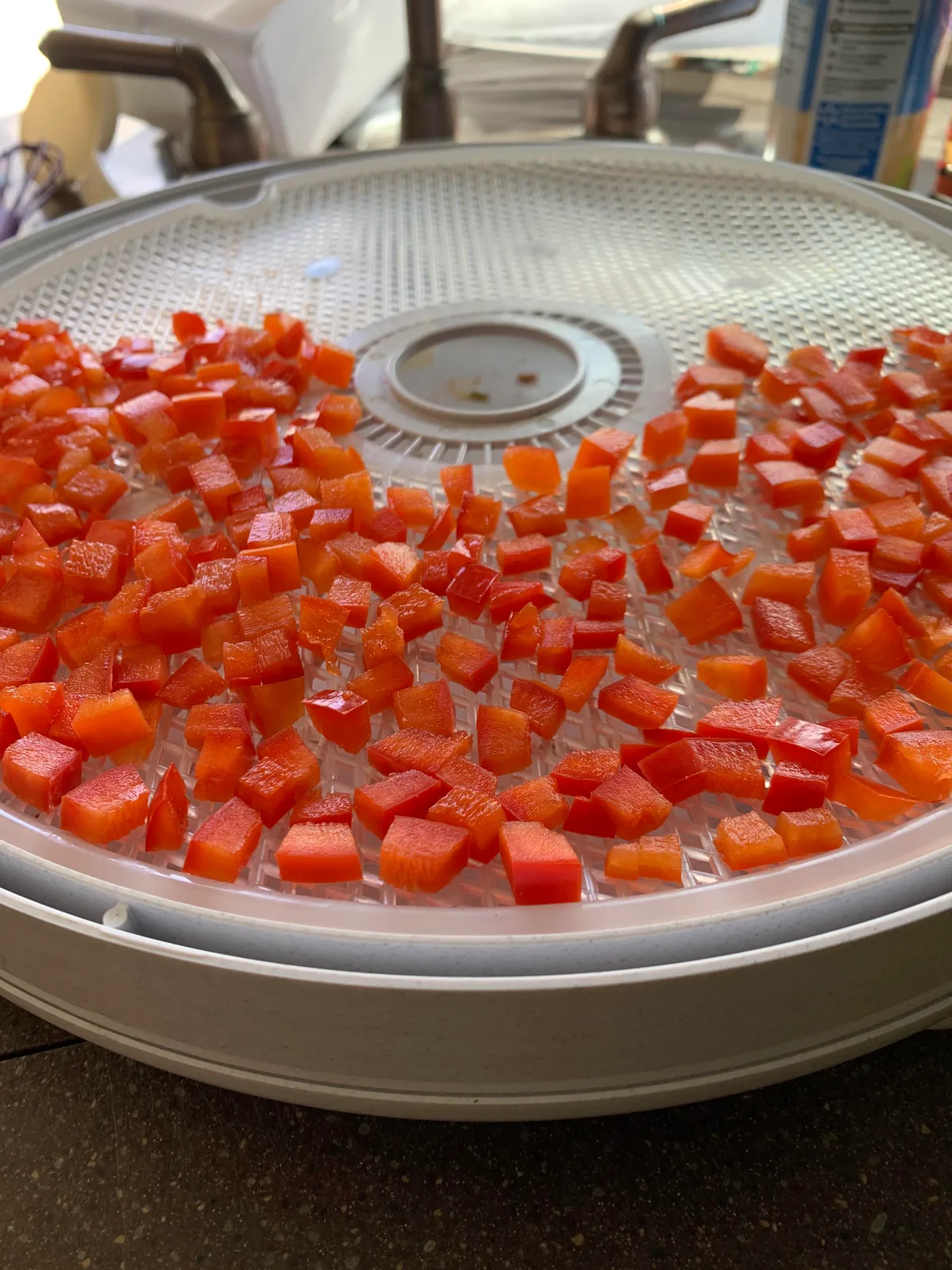
Image source: Web (Bing) / reddit.com (Web image (fair-use with source credit))
Once dry, you have three options. Store them whole, which holds the most flavor. Grind them into flakes for pizza and pasta.
Or process them into a fine powder for rubs and finishing dishes. Flakes and powders need oxygen absorbers inside sealed glass jars to lock out moisture and preserve color.
Wear gloves when handling hot peppers before and after drying. The capsaicin oils don't wash off easily, and they will find your eyes eventually. Aggregate home preservation guides from university extension programs all recommend this method for shelf-stable heat that never relies on electricity.
Pickling, Canning, and Fermenting: For Tangy, Shelf-Stable Peppers
This branch is for tang-lovers who want jars on the shelf, not bags in the freezer. Pickled peppers land in the pantry after a quick water bath. Fermented peppers get their funk from salt brine and time.
Both give you a product that's completely different from fresh, and that's exactly the point.
Here's the safety line you cannot cross: plain peppers are low-acid vegetables. That means they must be pressure canned. Water bath canning is only safe for pickled or fermented peppers where enough acid has been added.
The USDA Complete Guide to Home Canning states that the pH must drop below 4.6 for water bath processing. Follow a tested recipe exactly and never reduce the vinegar.
For a basic pickling brine, use a 1:1 ratio of vinegar to water with about 1 tablespoon of pickling salt per pint. Bring it to a boil, pack cleaned peppers into sterilized jars, pour the hot brine over them, and process in a water bath canner for 10 minutes. Let the jars cool completely, then press the center of each lid to confirm a proper seal.
Unsealed jars go straight into the fridge.
Fermenting is simpler but slower. Submerge pepper slices in a 2% salt brine, weigh them down so nothing floats above the liquid, and wait 1 to 4 weeks. You'll see bubbles and smell a sour, yeasty aroma.
That's the lacto-fermentation working. Once the funk develops, blend it into a hot sauce base or store the peppers in the fridge submerged in brine.
Mistakes That Turn Good Peppers Into a Disappointment
Even great peppers end up disappointing when one step goes wrong. The good news: every common mistake has a simple fix. Here's what our research and aggregate home-preservation reviews flag as the big five.
Mistake one is skipping the blanch. Unblanched peppers lose texture and flavor within months. Fix it with a quick 2 to 3 minute blanch before freezing.
Mistake two is under-drying. Peppers that still feel leathery or flexible will grow mold in storage. Dry them until they snap.
Mistake three is using a water bath canner for plain, low-acid peppers. That's a genuine botulism risk. Use a pressure canner or stick to tested pickling recipes.
Mistake four is over-salting the brine. More salt doesn't mean safer pickles. Follow the recipe's ratio exactly.
Mistake five is sealing jars without checking headspace. Too little headspace causes liquid loss and failed seals. Leave the recommended half-inch between the brine and the lid.
| Mistake | Why It Happens | The Fix |
|---|---|---|
| Skipping the blanch | Rushed prep | Blanch thick peppers 2–3 min |
| Under-dried peppers | Dehydrator time too short | Dry until completely brittle |
| Water bath for plain peppers | Confusion about acidity | Pressure can or pickle with acid |
| Over-salted brine | Guessing ratios | Follow tested recipe exactly |
| Wrong headspace | Rushed packing | Measure a clean half-inch |
Each of these mistakes is easy to avoid once you know it exists. Planning ahead and leaving a little patience in your process will save entire batches from the compost bin.