If your indoor palm has been looking less "tropical escape" and more "medical waiting room," you're not alone. Getting indoor palm plant care right is tricky because it's not one-size-fits-all, what works for a parlor palm will drown a majesty palm, and the wrong light turns a kentia into a crispy mess.
As the Royal Horticultural Society notes, most indoor palms need humidity between 40 and 60 percent, but homes with forced air heating often sit below 30 percent. That gap is where the frustration starts. So let's cut through the conflicting advice and build a simple system you can actually follow.
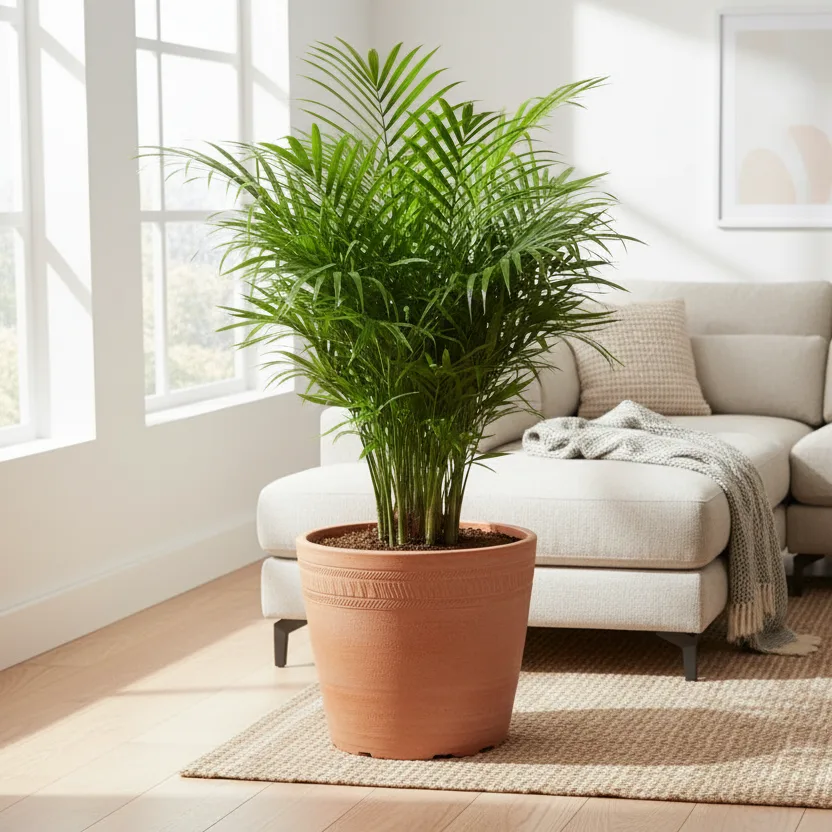
Image source: Web (Bing) / allaboutplanties.com (Web image (fair-use with source credit))
Quick Answer
Indoor palm plant care depends on the species. Most need bright indirect light. Water only when the top 1, 2 inches of soil are dry.
Keep humidity at 40, 60 percent. Use filtered or distilled water to avoid brown tips. Fertilize every 4, 6 weeks in spring and summer.
Watch for spider mites and root rot.
Is Your Palm Struggling? First, Spot the Real Problem
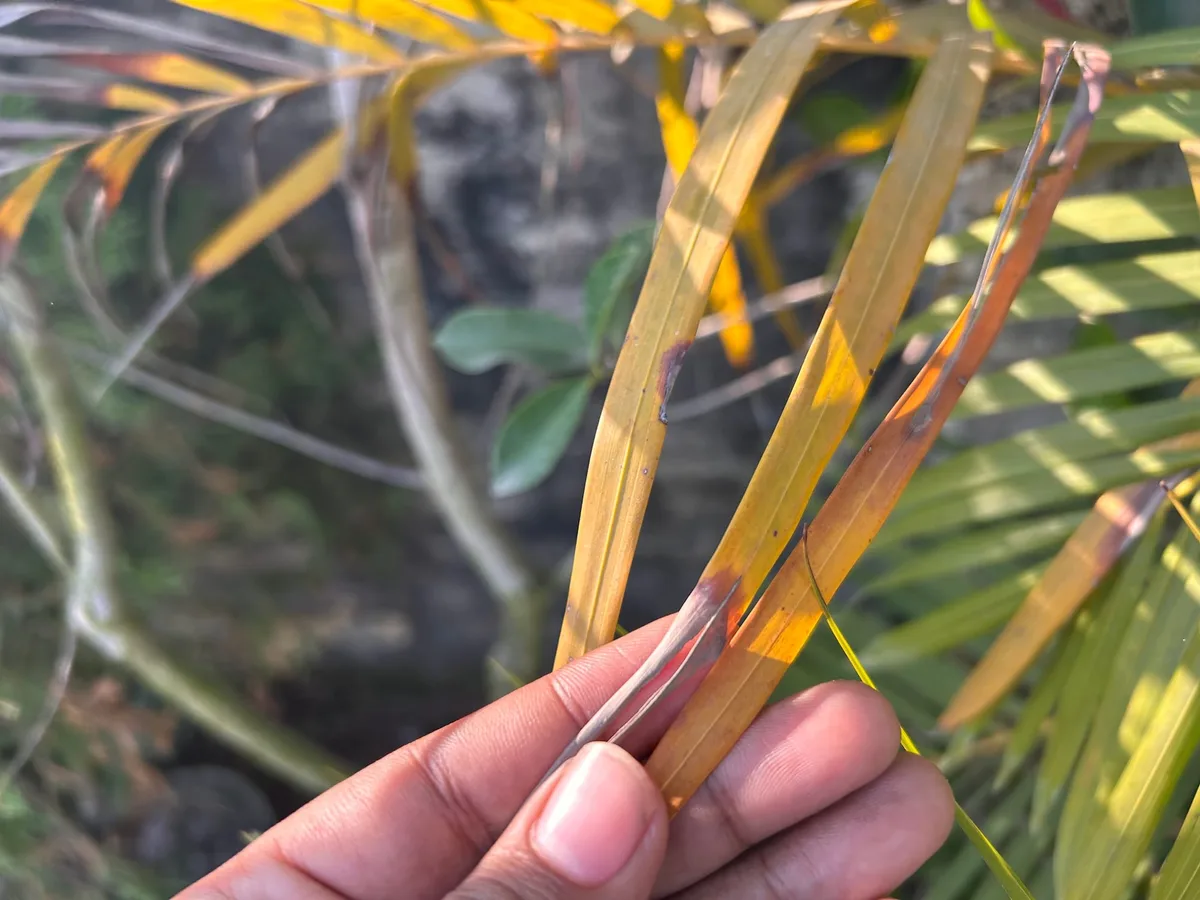
Before you change anything, take a good look at your palm. The symptoms tell you what's off. Brown leaf tips usually point to low humidity or tap water salts.
Yellowing fronds often mean overwatering. Drooping stems can mean underwatering or a drafty spot.
Check the soil moisture right now. Stick your finger about two inches into the pot. If it's wet and the plant looks sad, you're likely overwatering.
If it's bone dry and the fronds are drooping, you're underwatering. Look at the underside of leaves for tiny webs or sticky residue, those are spider mites or scale.
Here's the thing: palms are forgiving when you catch the problem early. But they don't bounce back from root rot or a severe infestation quickly. So start with diagnosis, not guesswork.
The Three Big Variables That Change Everything: Light, Water, Humidity
These three factors control about 90 percent of palm health. Get them right, and your palm thrives. Get them wrong, and you're troubleshooting forever.
Light. Most indoor palms want bright, indirect light. A parlor palm can handle lower light, but a majesty palm needs strong filtered light or it will decline fast. South or east-facing windows are ideal.
North-facing windows work for parlor and kentia palms only.
Water. This is where people mess up most. Palms hate sitting in wet soil. Water thoroughly until it drains out the bottom, then don't water again until the top inch or two is dry.
In winter, most palms need water every 10, 14 days. In summer, maybe every 7, 10 days.
Humidity. Dry air is the number one cause of brown leaf tips and spider mites. Group plants together, use a pebble tray, or run a humidifier. Mist occasionally but don't rely on it alone, misting raises humidity for about 10 minutes.
Here's a simple reference for three common scenarios:
| Condition | Likely Cause | Action |
|---|---|---|
| Brown tips | Low humidity or tap water | Increase humidity; use distilled water |
| Yellow lower fronds | Overwatering | Let soil dry out more between waterings |
| Drooping stems | Underwatered or cold draft | Water thoroughly; move away from draft |
Follow the Symptoms: A Quick Decision Tree for Common Palm Problems
Work through these questions in order. Stop when you find a match.
If the fronds have brown tips:
- Are you using tap water? Switch to distilled or filtered water.
- Is humidity below 40 percent? Increase it with a humidifier or pebble tray.
- Has the plant been in the same pot for over two years? Check for salt buildup in the soil.
If the fronds are yellowing, especially the lower ones:
- Is the soil wet right now? Stop watering. Let it dry out completely.
- Is the pot heavy? Overwatering is the most likely cause.
- Are only the lower fronds yellow? That can be normal aging. If new growth is yellow too, it's a problem.
If the stems are drooping or the plant looks limp:
- Stick your finger in the soil. If it's dry, water deeply.
- If it's wet, you have root rot. Remove the plant, cut off mushy roots, and repot in fresh dry soil.
- Is the pot near a heat vent or cold window? Move it to a more stable spot.
If you see tiny webs or sticky leaves:
- That's spider mites or scale. Wipe leaves with a damp cloth. Spray with neem oil every 5, 7 days for 2, 3 weeks.
- Isolate the plant from other houseplants until the pests are gone.
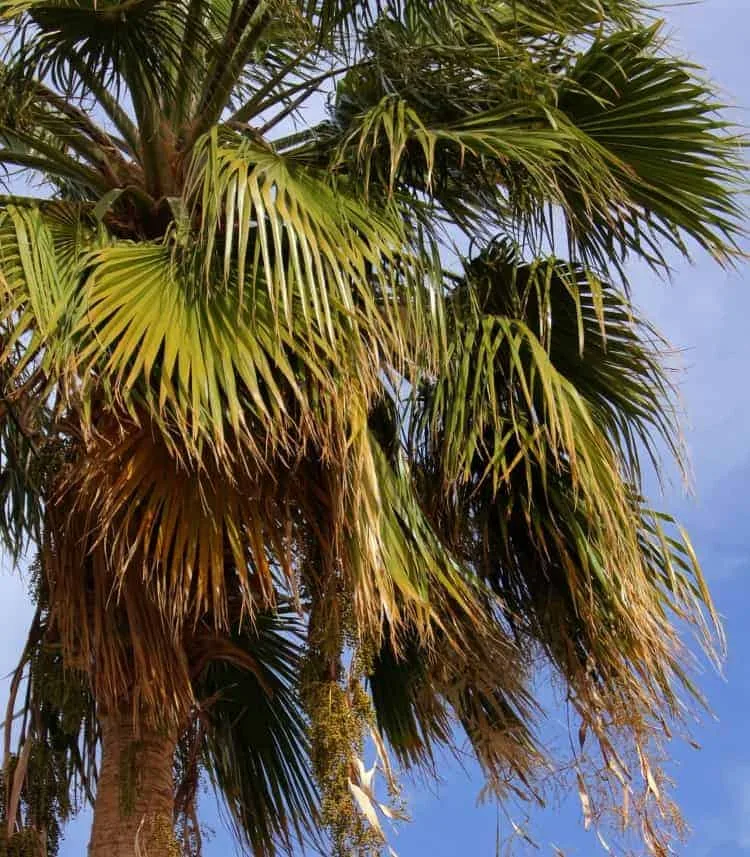
What to Do for Each Condition: Actionable Care Steps
Once you've identified the problem, here's what to do about it.
For brown tips (low humidity or tap water issues):
- Switch to distilled or rainwater. Tap water contains salts and chlorine that accumulate in palm leaf tips.
- Group your palm with other plants. Transpiration from plant leaves creates a microclimate of higher humidity.
- Place a pebble tray under the pot. Fill it with water just below the pebbles. Do not let the pot sit in water.
- Run a small humidifier nearby during the dry months. Aim for at least 40 percent humidity.
- Do not trim brown tips back into healthy green tissue, that causes more browning. Just remove the entire browned leaf at the base if it's fully dead.
For yellowing fronds (overwatering):
- Stop watering immediately. Let the soil dry out completely for 1, 2 weeks.
- If the soil smells sour or the pot feels unusually heavy, unpot the plant. Cut away any mushy, dark roots with sterilized scissors.
- Repot into a slightly smaller pot with fresh, well-draining soil. Use a mix that includes perlite or coarse sand.
- Water less often going forward. Check moisture at two inches deep every time.
- Do not fertilize until the plant shows new growth. Fertilizer on stressed roots makes things worse.
For drooping stems (underwatering or shock):
- Give the plant a thorough soak. Water until it runs freely from the drainage holes.
- If the soil has pulled away from the pot walls (common with peat-based mixes), submerge the pot in a bucket of water for 15-20 minutes. Let it drain fully after.
- Move the plant away from drafty windows, air conditioning vents, or heat registers.
- Trim any completely dead stems at the base. Leave partially damaged fronds alone.
For pests (spider mites, scale, mealybugs):
- Isolate the plant immediately.
- Wipe all leaves with a damp paper towel or soft cloth. Focus on the undersides.
- Spray with neem oil diluted according to the bottle instructions. Reapply every 5, 7 days.
- Increase humidity around the plant, spider mites thrive in dry air.
- Check nearby plants. Pests spread fast. Treat any plants showing signs.
Mistakes Even Experienced Plant Owners Make
Even people who keep dozens of houseplants alive make these errors with palms. Avoid them and you're already ahead.
Using tap water without thinking about it. This is the biggest hidden culprit. Palms are salt-sensitive. City water contains chlorine, fluoride, and dissolved minerals that build up in the soil and cause leaf tip burn.
Switch to distilled, filtered, or rainwater. Your palm will thank you within a few waterings.
Watering on a fixed schedule. "Every Tuesday" doesn't work. Water when the soil tells you it's dry. In winter, that might be every 12 days.
In summer, every 7. Check the soil, not the calendar.
Repotting into a too-large pot. A bigger pot holds more moisture, which means wet soil that stays wet longer. Palms actually prefer being slightly rootbound. Move up only one to two inches in diameter when you repot.
Ignoring drainage. If your pot doesn't have drainage holes, fix that now. Palms sitting in water at the bottom of a decorative cachepot will rot. Always use a pot with holes and a saucer underneath.
Misting leaves and calling it humidity. A quick mist raises humidity for about ten minutes. That's not enough. Use a humidifier or pebble tray for real, sustained humidity.
Misting without good air circulation can also encourage fungal spots on leaves.
Pro Tips for Long-Term Palm Health
Keep your palm thriving beyond the first few months by building simple habits. Consistency matters more than perfection.
Use the right soil mix. Standard potting soil holds too much moisture. Mix two parts peat moss or coco coir with one part perlite and one part coarse sand. This creates the drainage palms need.
Fertilize smart, not often. Use a balanced liquid fertilizer at half strength every four to six weeks during spring and summer. Skip fertilizer entirely in fall and winter. Palms are light feeders.
Overfertilizing causes salt buildup that burns roots.
Repot every two to three years. Move your palm to a pot just one to two inches wider. Trim any circling or mushy roots. Refresh the soil.
Then water lightly and let the plant settle for a week before resuming normal care.
Watch for seasonal shifts. Indoor light drops dramatically in winter. Move your palm closer to a window or supplement with a grow light. Cut watering frequency by half.
The plant grows slower in low light and uses less water.
Keep leaves clean. Dust blocks light absorption. Wipe fronds with a damp cloth every few weeks. Avoid leaf shine products; they clog pores and attract dust.
| Task | Frequency | Key Detail |
|---|---|---|
| Water check | Every 3–4 days | Test soil at 2 inches deep |
| Leaf cleaning | Every 2–3 weeks | Damp cloth, no leaf shine |
| Fertilizing | Every 4–6 weeks (spring/summer) | Half strength, skip winter |
| Repotting | Every 2–3 years | One to two inches wider pot |
| Pest check | Weekly | Undersides of leaves |
Frequently Asked Questions About Indoor Palm Care
Why are my palm leaves turning yellow?
Yellowing lower fronds usually mean overwatering. Let the soil dry out completely before watering again. If new growth is yellow too, the plant may need more light or a dose of diluted fertilizer.
How often should I water my indoor palm?
Water when the top one to two inches of soil feel dry. For most palms, that's every 7 to 14 days depending on light, temperature, and pot size. Check the soil rather than following a calendar.
Can I use tap water for my palm?
Tap water contains chlorine, fluoride, and dissolved salts that cause brown leaf tips. Switch to distilled, filtered, or rainwater. Letting tap water sit out overnight reduces chlorine but does not remove minerals.
Do indoor palms need direct sunlight?
No. Most indoor palms need bright, indirect light. Direct sun scorches their leaves.
A south or east-facing window with a sheer curtain works well. Parlor and kentia palms tolerate lower light than majesty or areca palms.
How do I get rid of spider mites on my palm?
Isolate the plant. Wipe leaves with a damp cloth to remove visible mites. Spray with diluted neem oil every five to seven days for two to three weeks.
Increase humidity around the plant. Check nearby houseplants for spread.
Should I cut off brown palm leaves?
Cut only fully dead fronds at the base using sterilized scissors. Do not trim brown tips; cutting into green tissue causes more browning. If a frond is half green, leave it.
The plant still draws energy from it.
Your Palm Care Decision Guide: A Simple Reference
Here is a quick checklist for anyone asking "what does my palm need right now?" Walk through these steps in order.
First, check the soil. Dry at two inches deep means water. Wet means stop and let it dry. Soggy with a sour smell means repot immediately.
Second, check the leaves. Brown tips point to humidity or water quality. Yellow lower leaves point to overwatering. Drooping stems point to underwatering or cold draft.
Sticky residue or webbing means pests.
Third, check the light. Is the spot getting bright indirect light for most of the day? If not, move the plant closer to a window. Is it getting direct afternoon sun?
Move it back or add a sheer curtain.
Fourth, check the air. Is the room below 40 percent humidity? Run a humidifier or use a pebble tray. Is there a draft from a vent or window?
Relocate the plant.
Fifth, decide on one action only. Pick the most likely problem and address it. Do not change water, light, fertilizer, and pot all at once. Palms adapt slowly.
One change at a time lets you see what works.
| Current Symptom | First Action | Follow Up |
|---|---|---|
| Brown leaf tips | Switch to distilled water | Raise humidity |
| Yellow lower leaves | Stop watering; let soil dry | Repot if root rot |
| Drooping stems | Water thoroughly | Move from draft |
| Pale or leggy growth | Move to brighter spot | Consider grow light |
| Webbing or sticky residue | Wipe leaves; neem oil | Increase humidity |
That is the full picture. Palms are not difficult plants once you understand their basic needs. Most problems come down to one of three things: too much water, too dry air, or not enough light.
Correct those and your palm will reward you with years of green, graceful growth.