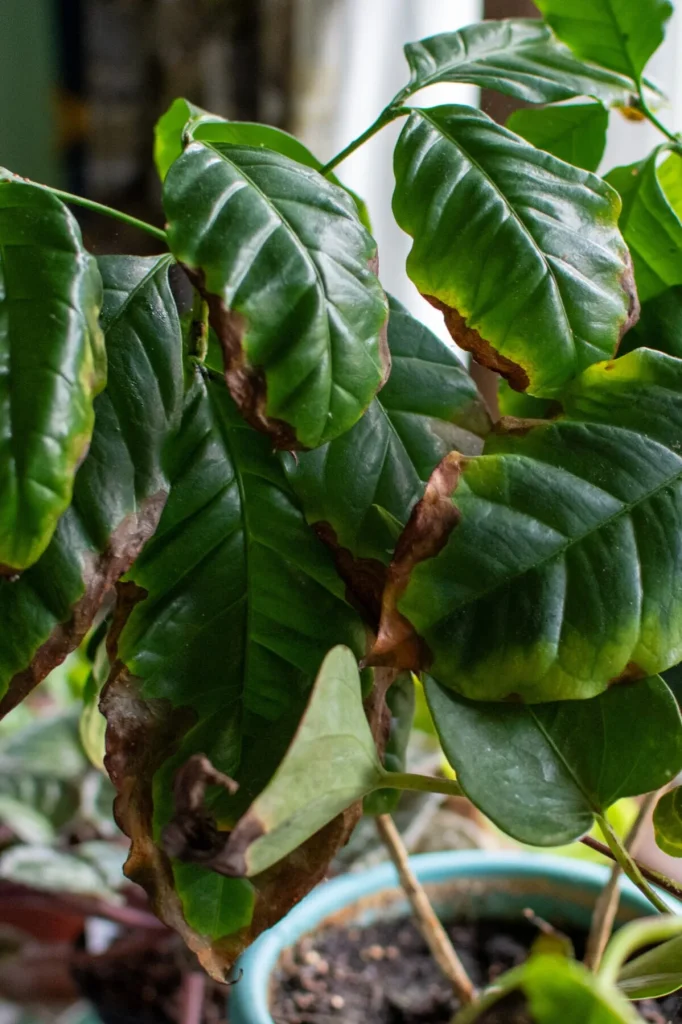
If your houseplants are dropping leaves, browning at the edges, or just looking miserable, a draft might be the problem. Houseplants don't like drafts, and it's one of the most overlooked causes of plant stress in indoor spaces. Drafts hit plants with rapid temperature changes and dry airflow, which can make even a healthy-looking monstera or pothos go downhill fast.
As of 2026, most popular houseplants still prefer the same conditions they did decades ago: steady temperatures between 65 and 75°F and gentle, indirect air movement. When a draft nudges temperatures downward by 10 to 15°F for a few hours, your plant's metabolism gets thrown off balance. That's when the leaves start to complain.
Let's look at exactly what happens under the surface.
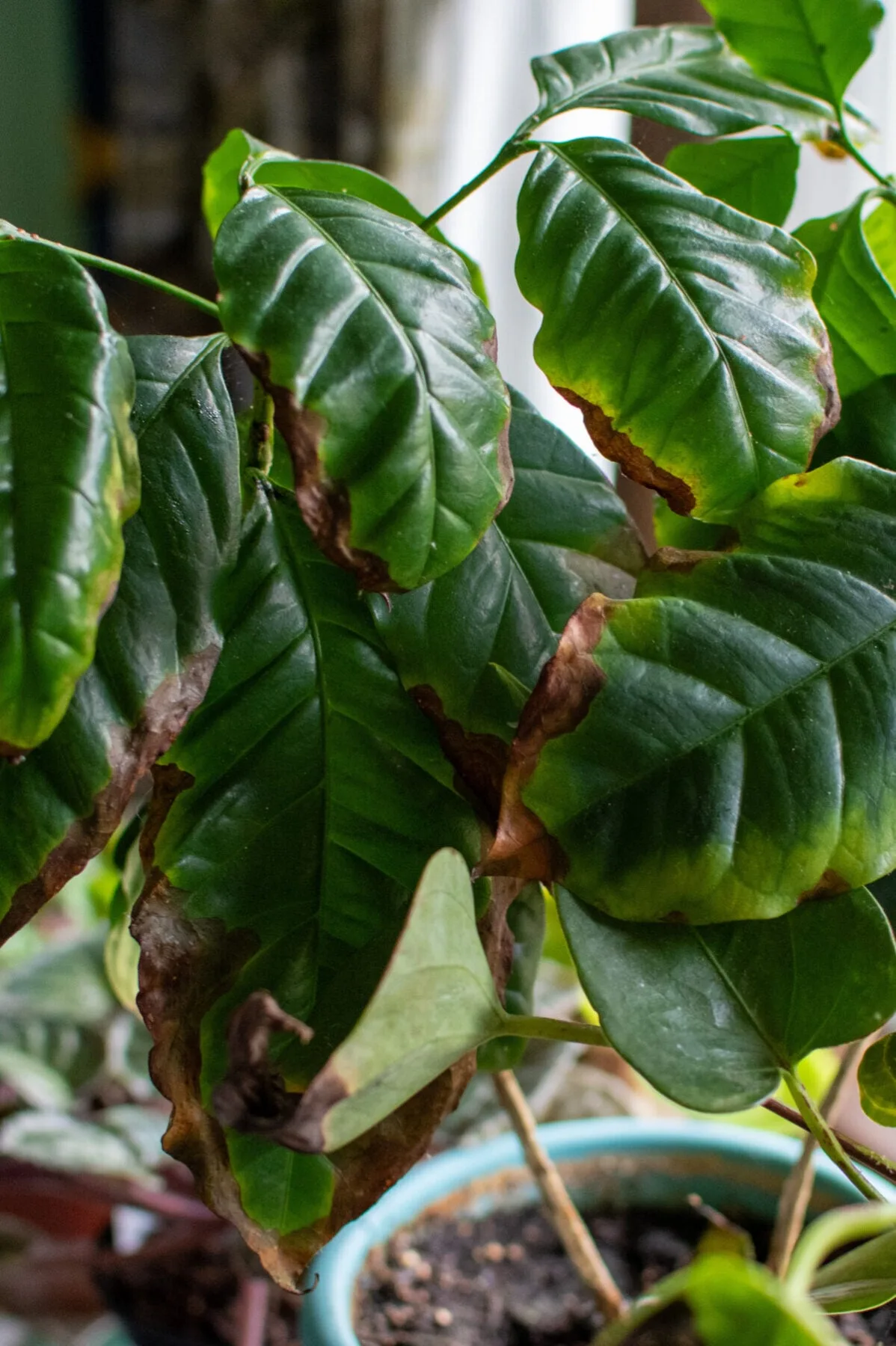
Image source: Web (Bing) / ruralsprout.com (Web image (fair-use with source credit))
Quick Answer: How Bad Are Drafts for Houseplants, Really?
Houseplants don't like drafts. Cold or hot airflow stresses leaves and roots. It causes leaf drop, browning, and wilting.
Move plants away from vents and drafty windows. Fix the airflow and most plants recover. The best fix is simple: relocate the plant.
What a Draft Actually Does to Your Plant
A draft hits a houseplant in three ways at once. It increases evaporation, chills the root zone, and swings the temperature around the leaves. Each one stresses the plant differently, and they often pile up together.
Cold drafts are the sneakiest. They cool the soil, and cold roots stop absorbing water properly. That means your plant can be standing in moist soil yet still look dehydrated.
Leaves curl, tips brown, and eventually the plant gives up on some leaves to survive. That's the leaf drop people panic about.
Hot drafts are a completely different beast. Radiators and heating vents push super-dry air that sucks moisture straight out of leaves. Tropical houseplants like calatheas and ferns are the first to show it.
Their leaves develop crispy edges, and the soil dries out way faster than normal.
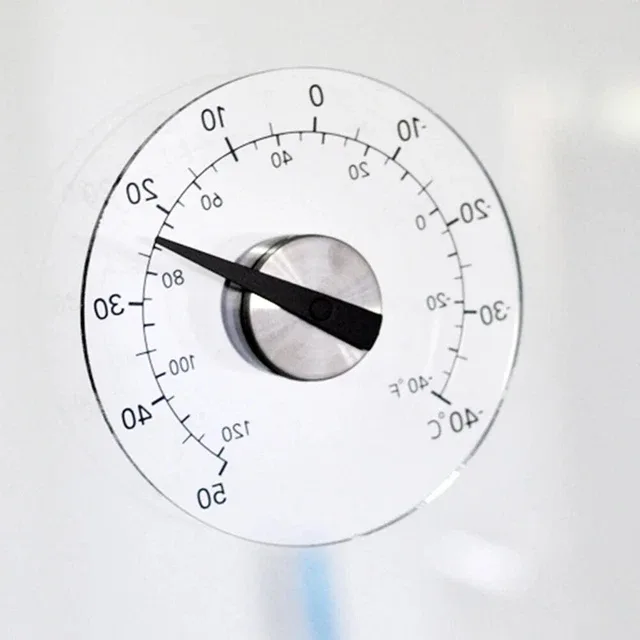
Image source: Web (Bing) / picclick.co.uk (Web image (fair-use with source credit))
There's also a timing pattern worth knowing. In our research, leaf drop from cold drafts can start within 24 to 72 hours. Brown tips usually appear later, after about a week of repeated exposure.
If your plant shows both symptoms, that's a strong sign it's caught in an airflow problem.
You'll also notice growth slowing down. A plant fighting cold roots or dry air stops putting energy into new leaves. It goes into survival mode instead.
That's why a draft-affected plant often looks fine on top, but new leaves arrive small, pale, or misshapen.
Is the Draft the Real Problem? (Or Are You Misdiagnosing It?)
Often, yes. But overwatering, low humidity, and pests produce nearly identical symptoms. So before you move anything, confirm that a draft is actually the cause.
Run a simple hand test. Put your palm near the window, door, or vent and hold it there for a few seconds. If you feel a clear temperature difference, you've found a draft.
Next, check the soil. If the soil is damp but the plant still wilts, that points to cold roots. If the soil is bone dry, you're dealing with underwatering instead.
According to University of Minnesota Extension's houseplant care resources, temperature stress and poor watering habits are the most common reasons for leaf drop in indoor plants. The visual overlap makes drafts easy to miss.
Here's the giveaway. If leaves are dropping mostly on the side facing the air source, think draft. If the plant drops leaves evenly all over, think watering.
Timing matters too. Did symptoms start when you turned on the heater or AC? Did cold nights arrive right before the damage appeared?
Those clues are everything.
How to Fix It: A Simple Decision Tree for Draft-Affected Plants
The fix depends on what your plant is showing and where the draft is coming from. Make one change at a time, then wait a week before judging the result.
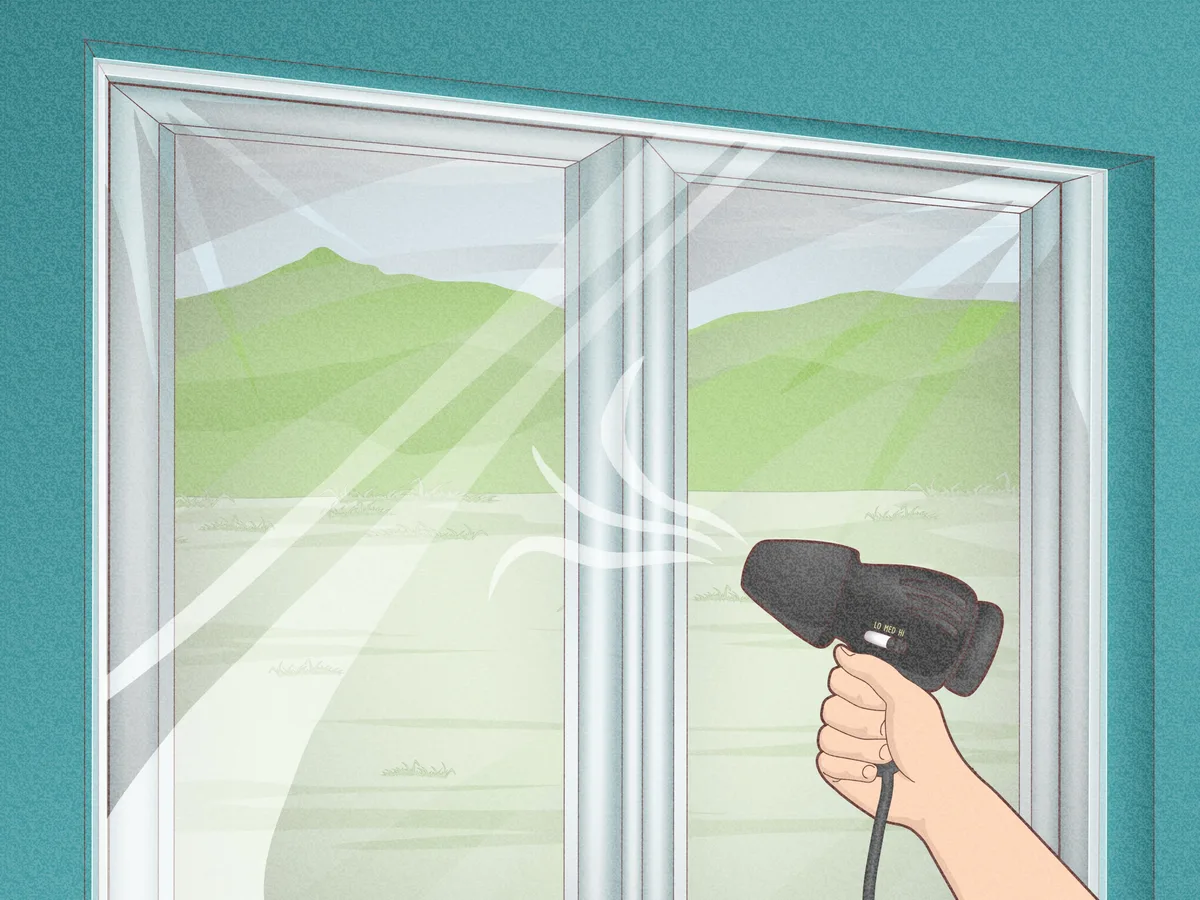
Image source: Bing (Web (fair-use with source credit))
If you see curling leaves or brown tips, move the plant 1 to 2 feet away from the draft source. That one change solves most cases of gentle drafts. Wait a week and watch for fresh growth.
If leaves are dropping on the exposed side, the draft is stronger than you thought. Seal the window gap with weatherstripping, install clear window insulation film, or slide a draft stopper under the door. Renters love the film because it's removable and leaves no residue.
It's cheap, transparent, and cuts the cold airflow instantly.
If the plant sits near an AC vent or radiator, redirect the airflow with a plastic vent deflector. These are small, affordable attachments that turn air sideways instead of straight at your plants. If you can't redirect the vent, raise the plant onto a shelf where the direct blast doesn't reach.
If the pot itself feels cold, insulate it. A cork trivet, a folded towel, or even a wooden cutting board under the pot stops the chilling from creeping into the roots. This is a killer fix for plants sitting on stone windowsills or tiled floors.
| Symptom | Likely Draft Type | Fastest Fix |
|---|---|---|
| Curling leaves, brown tips | Light cold draft | Move plant 1 to 2 feet away |
| Leaf drop on exposed side | Strong draft | Seal window or use insulation film |
| Crispy edges, dried soil | Hot draft from vent | Redirect vent or raise plant |
| Cold pot, slow wilting | Cold floor or sill | Insulate pot with cork or cloth |
And if the plant keeps struggling no matter what you move, the room probably has a genuine temperature swing problem. Move the plant to a more stable room entirely. An interior hallway or a shelf against an interior wall is your safest bet.
What Most People Get Wrong About Drafts and Houseplants
First, people assume all airflow is bad. It's not. Plants benefit from gentle air movement because it strengthens stems and discourages mold on the soil surface.
The issue is sustained, directional airflow, not the gentle circulation in a typical living room.
Second, everyone blames cold drafts. Hot drafts are just as damaging. Forced-air heat can push 90°F air straight onto leaves, which dries them faster than you'd expect.
That's especially harsh for tropical plants that prefer humidity above 50 percent.
Third, the watering trap. A draft-stressed plant wilts, so people water more. More water on cold roots equals root rot.
Then the root rot symptoms look like the draft symptoms, and the plant goes downhill twice as fast. Always check your environmental conditions before you reach for the watering can.
Fourth, people sacrifice light to escape drafts. They move a plant from a bright, drafty window into a warm, dark corner. That's a terrible trade.
Low light weakens the plant even faster than a mild draft does. Instead, fix the draft with a curtain, insulation film, or draft stopper, and keep the light where it is.
And finally, not all plants are equal. A snake plant or ZZ plant handles drafty spots without complaint. Calatheas, ferns, and most tropical aroids will sulk at the first breeze.
Match the plant to the spot, and you'll save yourself a lot of heartache.
Smart Setup: Long-Term Strategies for a Draft-Free Indoor Garden
You don't have to treat every plant like a fragile guest. A few permanent adjustments make your whole collection more resilient.
Start with plant placement. Group your most sensitive species together in one stable zone. Calatheas, ferns, anthuriums, and monsteras all share similar needs.
Keep them 3 feet from any window or vent. Put the tough plants like snake plants, ZZ plants, and pothos near the edges where drafts happen.
Seasonal changes matter more than people realize. A windowsill that's perfectly fine in June turns into a cold trap in January. Our research shows that indoor temperatures near single-pane windows can drop 15°F below the room average on a freezing night.
Mark your calendar for late fall. That's when you should check every window and move vulnerable plants inward.
Thermal curtains are one of the best investments you can make. A thick, lined curtain creates an air buffer between the cold glass and your plant shelf. It traps a pocket of still air that stays 5 to 8°F warmer than the glass surface.
Open the curtain during the day for light. Close it at dusk to block the cold.
For renters who can't change windows, clear insulation film is the answer. It's a plastic sheet that shrinks tight when you apply heat from a hair dryer. It blocks drafts without blocking light.
One roll covers a standard window for about 10 dollars. It takes 15 minutes to install and peels off cleanly at the end of winter.
Vent deflectors work the same way for heating and AC. They attach to the vent cover with magnets or clips. They angle the airflow sideways or upward.
That keeps the air moving in the room without blasting your plants directly. They cost 8 to 15 dollars each.
Finally, rotate your plants every two weeks. Even in a stable spot, the side facing the window gets a slightly different microclimate. Rotating evens out any subtle differences in light and airflow.
It also keeps your plant growing straight instead of leaning toward the window.
Frequently Asked Questions
How close is too close to a drafty window?
One foot is too close for most tropical houseplants. Two to three feet is safer for sensitive plants. If the glass feels noticeably cold to your touch, the leaves will feel it too.
Use a thermal curtain as a barrier if you want to keep plants near the window for light.
Can drafts cause yellow leaves?
Yes, but indirectly. Cold drafts slow root activity. Sluggish roots can't absorb nutrients properly.
That shows up as yellowing in the lower leaves first. Check for drafts before you assume the plant needs fertilizer or more water.
Do all houseplants hate drafts equally?
No. Succulents, snake plants, ZZ plants, and hoyas tolerate drafts much better than tropicals. Calatheas, ferns, alocasias, and begonias are the first to show damage.
Match the plant to the room's conditions and you'll have fewer problems.
How can I tell if its a draft or low humidity?
Both cause brown leaf tips, but the patterns differ. A draft hits one side of the plant harder. Low humidity affects the whole plant evenly.
Use a hygrometer to check humidity. If it's above 40 percent and still seeing damage, a draft is the likely cause.
Can a ceiling fan or air purifier hurt my houseplants?
Gentle, indirect airflow from a ceiling fan is usually fine. It helps strengthen stems and prevents mold. The problem comes when the fan blows directly on the leaves for hours.
Position plants out of the direct blast path and they'll handle it without stress.
What should I do if my plant is already damaged from a draft?
First, stop the draft. Then trim any brown or dead leaves with clean scissors. Don't remove more than one third of the foliage at once.
Move the plant to a stable spot with bright, indirect light. Water only when the top inch of soil feels dry. New growth in 2 to 4 weeks means the plant is recovering.



