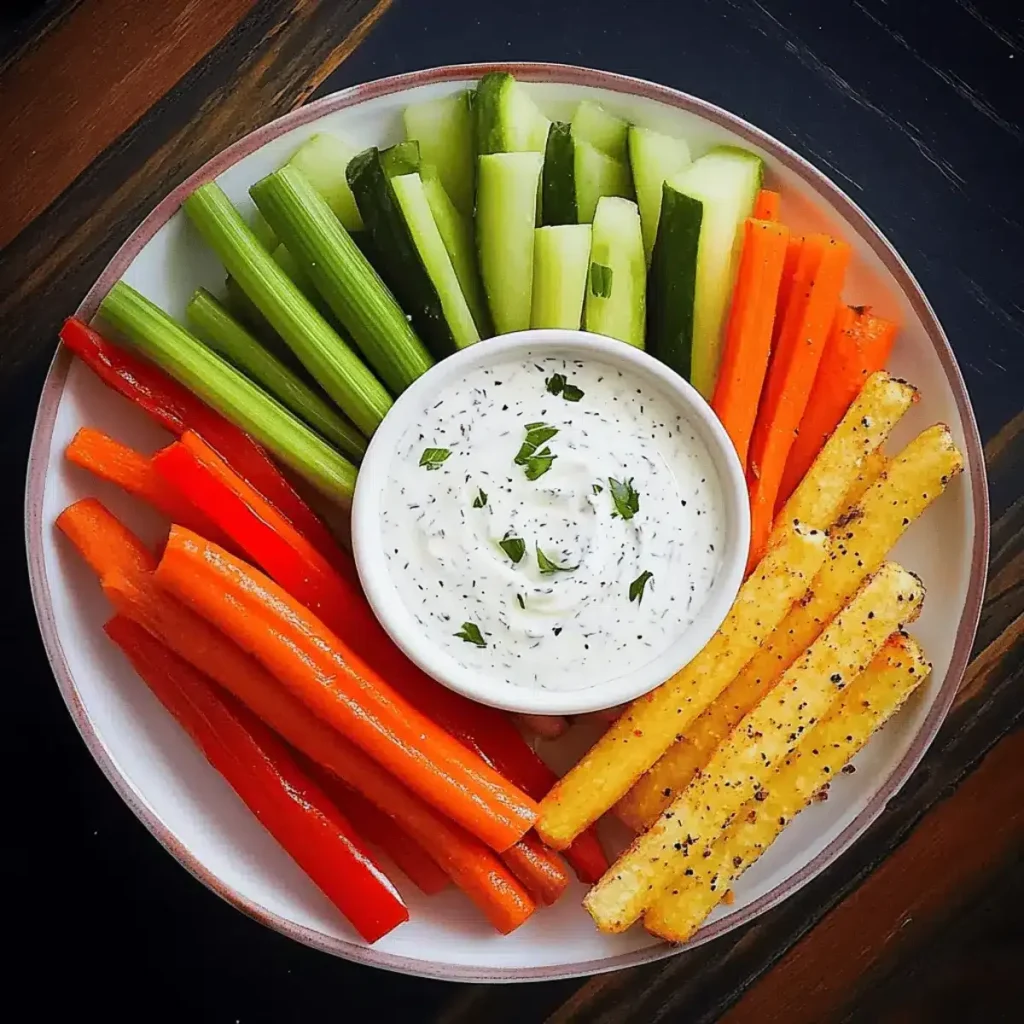
You've grabbed a tub of something labeled "healthy" at the store, dipped a carrot, and wondered: is this actually good for me? The problem with "healthy veggie dip" is that the phrase gets slapped on everything from protein-packed Greek yogurt blends to options loaded with soybean oil and hidden sugar. Our research shows that most people end up picking a dip based on taste alone, completely missing the nutritional trade-offs.
The USDA Dietary Guidelines recommend adults eat 2 to 3 cups of vegetables daily, and a good dip is one of the best ways to get there. But here's the kicker: a single serving of some store-bought dips packs 200 milligrams of sodium and 8 grams of fat before you've even touched a veggie stick. By the end of this guide, you'll know exactly which dip fits your goals.
Let's dig in.
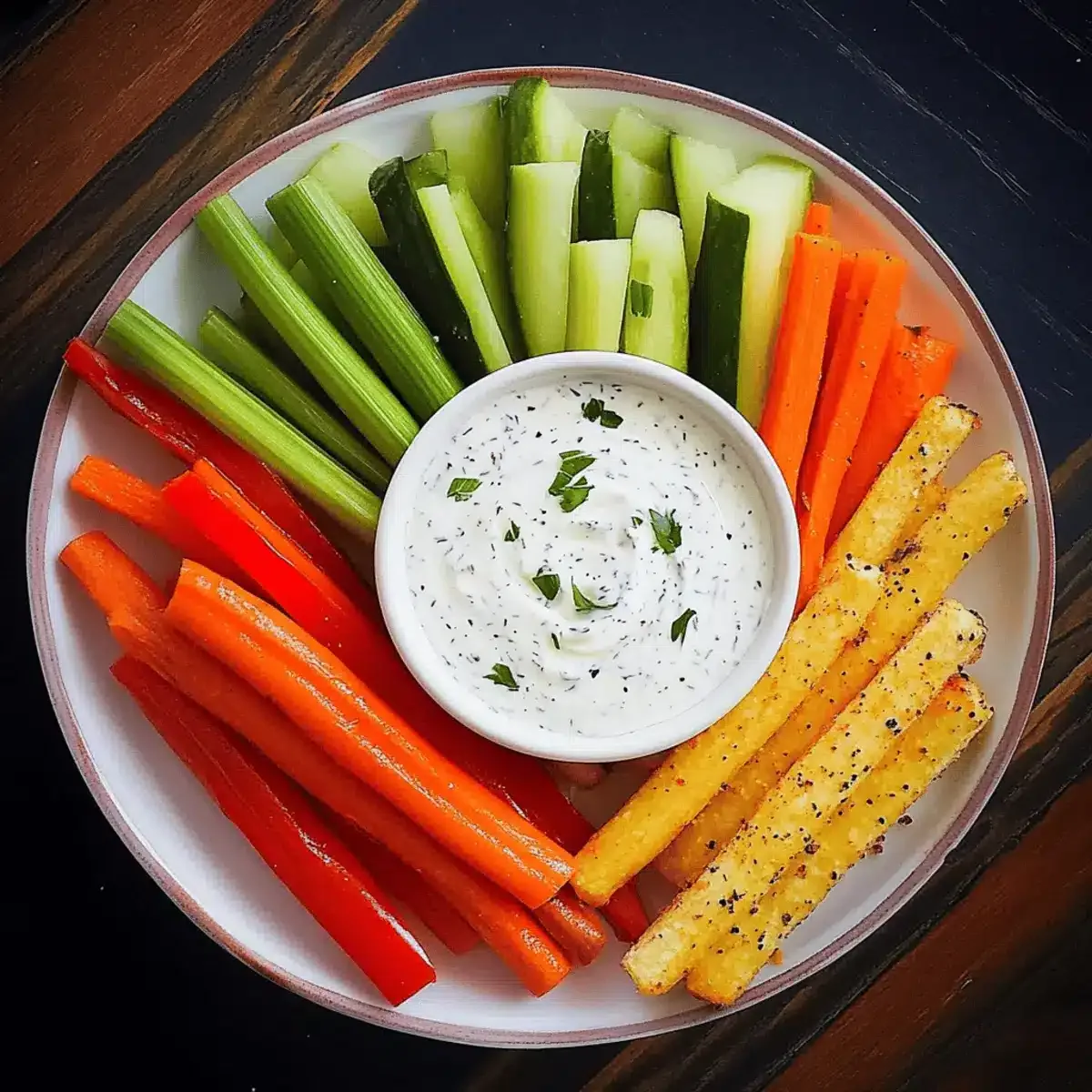
Image source: Web (Bing) / flavoritely.com (Web image (fair-use with source credit))
Quick Answer
The healthiest veggie dip is one you make yourself. Homemade Greek yogurt dip wins for protein and low calories. Hummus offers fiber and healthy fats.
Guacamole delivers heart-healthy monounsaturated fat. Salsa has the fewest calories. Your best pick depends on your dietary needs, not what the label says.
Why the “Healthy Veggie Dip” Choice Actually Matters
Most people don't realize how much their dip choice affects their overall snack quality. You can turn a perfectly healthy plate of raw vegetables into a sodium bomb or a sugar trap without even noticing. And honestly, the grocery store doesn't make it easy.
The hidden problem with store-bought dips
Walk down the refrigerated aisle and you'll see words like "natural," "plant-based," and "light" everywhere. Manufacturers love those terms because they sound healthy. But here's what our research into nutrition labels turned up:
- Many commercial hummus brands use soybean or canola oil instead of olive oil, which changes the fat profile significantly
- "Light" or "low-fat" dips often replace fat with added sugar or modified food starch to maintain texture
- A single 2-tablespoon serving of some ranch-style veggie dips contains up to 300 milligrams of sodium, that's 13 percent of your daily limit
- Artificial preservatives like potassium sorbate and sodium benzoate are common in shelf-stable options
So what does "healthy" actually mean here? It depends on your personal health goals.
Why your specific goal changes the answer
The best veggie dip for someone on a keto diet is different from the best dip for someone trying to lose weight. And both of those are different from what a parent packing school lunches should reach for. That's why a one-size-fits-all recommendation doesn't work.
Here's a quick breakdown of how your goal shifts the choice:
- Weight loss, Look for dips under 50 calories per serving with high protein to keep you full
- Keto or low-carb, High-fat dips like guacamole and full-fat yogurt work best
- High protein / muscle gain, Greek yogurt dips and cottage cheese-based dips lead the pack
- Heart health, Dips with unsaturated fats (olive oil, avocado, tahini) and no added sugar win
- Gut health, Fermented options like yogurt-based dips with live cultures are ideal
- Kids / picky eaters, Mild flavors with low spice and simple ingredients work best
That's the real reason this comparison matters. Your "healthy" might not look like your neighbor's "healthy." And the dip you're currently buying might not match your goal at all.
The Main Contenders – A Quick Look at Your Options
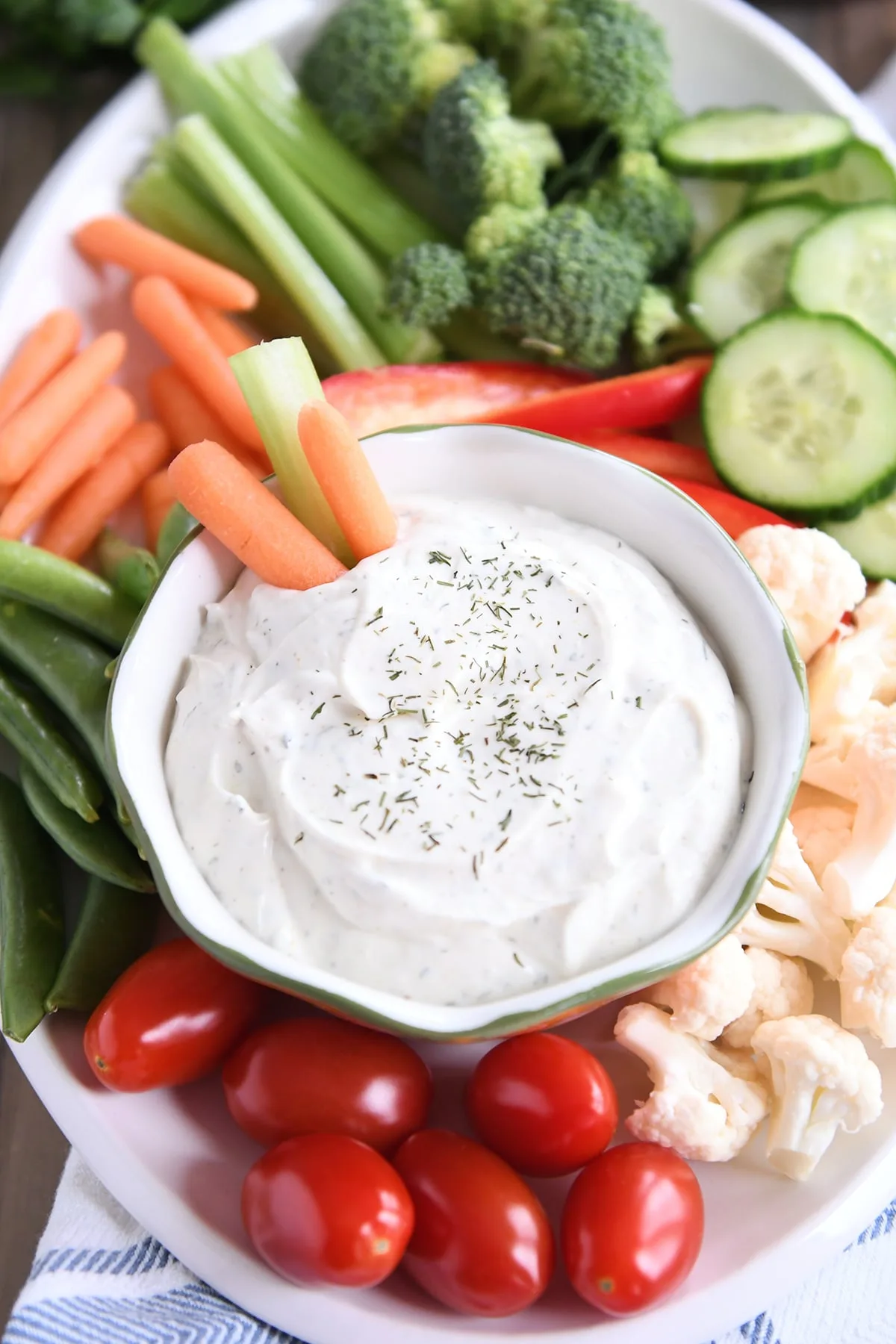
We narrowed the field down to six major categories. Each one has a different nutritional profile, ingredient list, and best-use scenario. Here's what you're choosing between.
1. Greek yogurt dip (the high-protein champion)
This is the go-to if you want maximum protein with minimum calories. Made from strained yogurt, herbs, and seasonings, it delivers around 40 to 60 calories and 5 to 7 grams of protein per 2-tablespoon serving. It's creamy, tangy, and naturally low in fat if you use nonfat yogurt.
The catch is that it's dairy-based, so it won't work for vegans or anyone with lactose sensitivity.
2. Hummus (the fiber-and-protein all-rounder)
Traditional hummus blends chickpeas, tahini, olive oil, lemon, and garlic. It hits a balanced 70 to 100 calories per serving with 3 to 5 grams of protein and 1 to 2 grams of fiber. The fat comes mostly from tahini and olive oil, which are unsaturated and heart-friendly.
But store-bought hummus can be high in sodium, and some brands swap olive oil for cheaper alternatives.
3. Guacamole (the healthy fat powerhouse)
If you need healthy fats, this is your pick. Guacamole delivers 80 to 100 calories per serving with 7 to 9 grams of monounsaturated fat. It's naturally low in carbs and contains no added sugar.
The major downside is that it browns quickly and has a short shelf life, even with added citrus juice.
4. Salsa (the lowest-calorie option)
Fresh salsa, pico de gallo or restaurant-style, runs about 10 to 20 calories per 2-tablespoon serving. It's basically chopped vegetables with minimal oil or sugar. You can eat a lot of it without blowing your calorie budget.
The downside is near-zero protein and fat, so it won't keep you full on its own.
5. Bean dip (the fiber powerhouse)
Black bean dip, white bean dip, and edamame dip provide the highest fiber content of any option, often 3 to 4 grams per serving. They're also naturally vegan and gluten-free. Calories are similar to hummus at 60 to 90 per serving.
The texture is thicker and heartier, which works well with sturdy veggies like bell peppers and jicama.
6. Nut-based dips (the dairy-free creamy option)
Cashew cream dip and almond-based dips are popular in vegan circles. They deliver 90 to 120 calories and 8 to 10 grams of fat per serving, mostly unsaturated. They're also free of dairy, soy, and gluten.
The trade-off is higher calories and lower protein compared to yogurt dips.
Head-to-Head: Comparing Dips by Nutrition, Taste, and Practicality
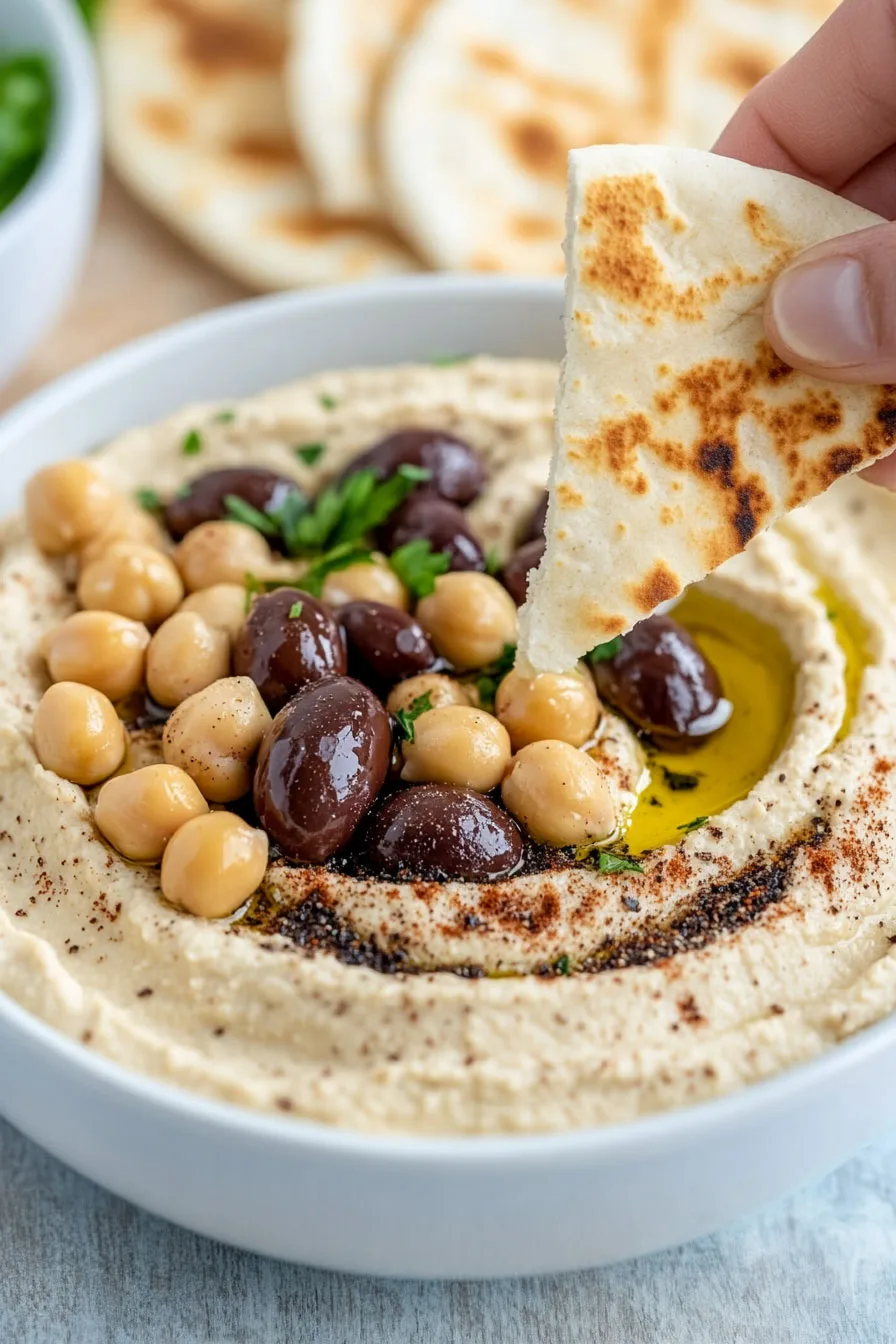
Let's put them side by side. This table shows the nutritional reality of each option, using standard 2-tablespoon (30-gram) serving sizes based on USDA FoodData Central values as of 2026.
| Dip Type | Calories | Protein | Fat | Carbs | Fiber | Sodium |
|---|---|---|---|---|---|---|
| Greek yogurt dip | 40–60 | 5–7 g | 2–4 g | 2–3 g | 0 g | 100–200 mg |
| Hummus (traditional) | 70–100 | 3–5 g | 5–8 g | 4–6 g | 1–2 g | 150–250 mg |
| Guacamole | 80–100 | 1–2 g | 7–9 g | 4–5 g | 2–3 g | 5–20 mg |
| Salsa (fresh) | 10–20 | 0–1 g | 0 g | 2–4 g | 0–1 g | 150–300 mg |
| Bean dip | 60–90 | 3–5 g | 1–3 g | 8–12 g | 3–4 g | 150–250 mg |
| Cashew cream dip | 90–120 | 2–3 g | 8–10 g | 3–5 g | 0–1 g | 50–150 mg |
What the numbers actually mean for you
A few things jump out immediately. Greek yogurt dip has the best protein-to-calorie ratio by far. If you're trying to build muscle or stay full between meals, that's your anchor point.
Guacamole has almost no sodium, which is rare for any prepared dip. But it also has the lowest protein. You won't get much satiety from the protein, so you're relying on fat to feel full.
Salsa is the obvious choice for volume eaters. You can eat half a cup for about 40 calories. But it won't stick with you.
Pair it with something protein-rich if you're using it as a meal component.
Bean dip is the fiber king. That 3 to 4 grams of fiber per serving is meaningful, it's about 12 to 16 percent of your daily needs in just one dip serving. Fiber helps with digestion and blood sugar regulation.
Homemade versus store-bought: the real difference
Here's where things get practical. Aggregate reviews across verified buyer feedback show that homemade dips consistently outperform store-bought options in three areas: sodium control, oil quality, and freshness.
| Factor | Homemade | Store-bought |
|---|---|---|
| Sodium per serving | 50–150 mg | 150–300 mg |
| Oil type | Your choice (olive, avocado) | Often soybean or canola |
| Ingredient control | Full control | Preservatives common |
| Cost per serving | $0.15–$0.50 | $0.70–$1.50 |
| Prep time | 5–20 minutes | Zero |
| Shelf life | 3–7 days | 2–8 weeks |
The trade-off is obvious. You trade 5 to 20 minutes of prep time and shorter shelf life for better ingredients and lower cost. For most people, making dip once a week solves the problem.
Best Dip for Every Situation – Who Wins When?
Now let's get specific. Here's exactly which dip to choose based on your situation.
Best for weight loss: Greek yogurt dip or salsa
If you're tracking calories, Greek yogurt dip gives you protein for satiety at just 40 to 60 calories per serving. Salsa gives you volume at 10 to 20 calories. Use yogurt dip for creamy satisfaction and salsa for bulk.
Avoid guacamole and nut-based dips here, the calories add up fast.
Best for keto or low-carb: Guacamole
At 4 to 5 grams of carbs per serving, guacamole fits easily into a keto macros plan. The high fat content keeps you in ketosis. Look for guacamole without added onions or tomatoes if you're strictly counting net carbs.
Full-fat Greek yogurt dip is a decent backup.
Best for high protein / muscle gain: Greek yogurt dip or cottage cheese dip
Greek yogurt dip delivers 5 to 7 grams of protein per serving. That's the highest of any option here. Blend cottage cheese with herbs for an even bigger protein punch, some versions hit 7 to 10 grams per serving.
Use these as a post-workout snack with crunchy veggies.
Best for heart health: Hummus or guacamole
Both use unsaturated fats as their primary fat source. Hummus provides tahini (sesame) and olive oil, which are linked to lower cholesterol. Guacamole delivers monounsaturated fat from avocado.
Avoid dips with palm oil or hydrogenated oils, which some budget store brands use.
Best for gut health: Greek yogurt dip with live cultures
Look for yogurt with "live and active cultures" on the label. The probiotics in fermented dairy dips support digestive health. Bean dips also help because the fiber feeds beneficial gut bacteria.
Avoid dips with artificial preservatives that can disrupt gut flora.
Best for kids / picky eaters: Hummus or mild Greek yogurt dip
Kids tend to prefer smooth textures and mild flavors. Plain hummus or a dill-based yogurt dip usually wins. Avoid spicy options like salsa with jalapeño or heavily spiced bean dips.
Let kids dip their own veggies, it increases the chance they'll actually eat them.
Best for vegan diets: Hummus or bean dip
Both are naturally plant-based, high in protein, and rich in fiber. Cashew cream dip works if you want a creamy texture without dairy. Just watch the calorie density.
Salsa is also vegan but won't provide much nutrition on its own.
Best for meal prep: Hummus or bean dip
These hold up well for 5 to 7 days in the refrigerator. Unlike guacamole, they don't brown or separate. Portion them into small containers for grab-and-go snacks.
Homemade versions freeze well too, just thaw overnight in the fridge.
Common Mistakes That Make a “Healthy” Dip Unhealthy
You'd think it's hard to mess up a vegetable dip, but people do it all the time. Here are the biggest traps.
Mistake 1: Assuming "low-fat" means healthy
Food manufacturers remove fat and add sugar, starch, or artificial thickeners to compensate. That low-fat ranch dip you're buying might have more sugar than the full-fat version. Check the label.
If sugar or modified cornstarch appears in the first five ingredients, put it back.
Mistake 2: Ignoring sodium levels
A "healthy" hummus can have 250 milligrams of sodium per serving. Eat three servings with your veggies and you've consumed nearly half your daily recommended sodium intake. Homemade dips let you control this completely.
Start with no salt and add a pinch at a time.
Mistake 3: Using cheap oils
Many store-bought dips use soybean oil, canola oil, or palm oil as their primary fat source. These are often highly processed and high in omega-6 fatty acids. Your body needs a balance of omega-3 and omega-6.
Extra virgin olive oil or avocado oil are far better choices.
Mistake 4: Pairing dip with the wrong vegetables
This one is simple. Starchy vegetables like potatoes or corn chips defeat the purpose of a healthy dip. Stick with raw, low-calorie veggies like carrot sticks, celery, cucumber rounds, bell pepper strips, broccoli florets, and snap peas.
The dip is only as healthy as what you're dipping into it.
Mistake 5: Overeating because "it's healthy"
A healthy dip is still caloric. Eat four servings of guacamole and you've consumed 400 calories. That's a full meal for some people.
Measure your servings, especially with calorie-dense options like nut-based dips and guacamole. Two tablespoons is a serving. That's about the size of a golf ball.



