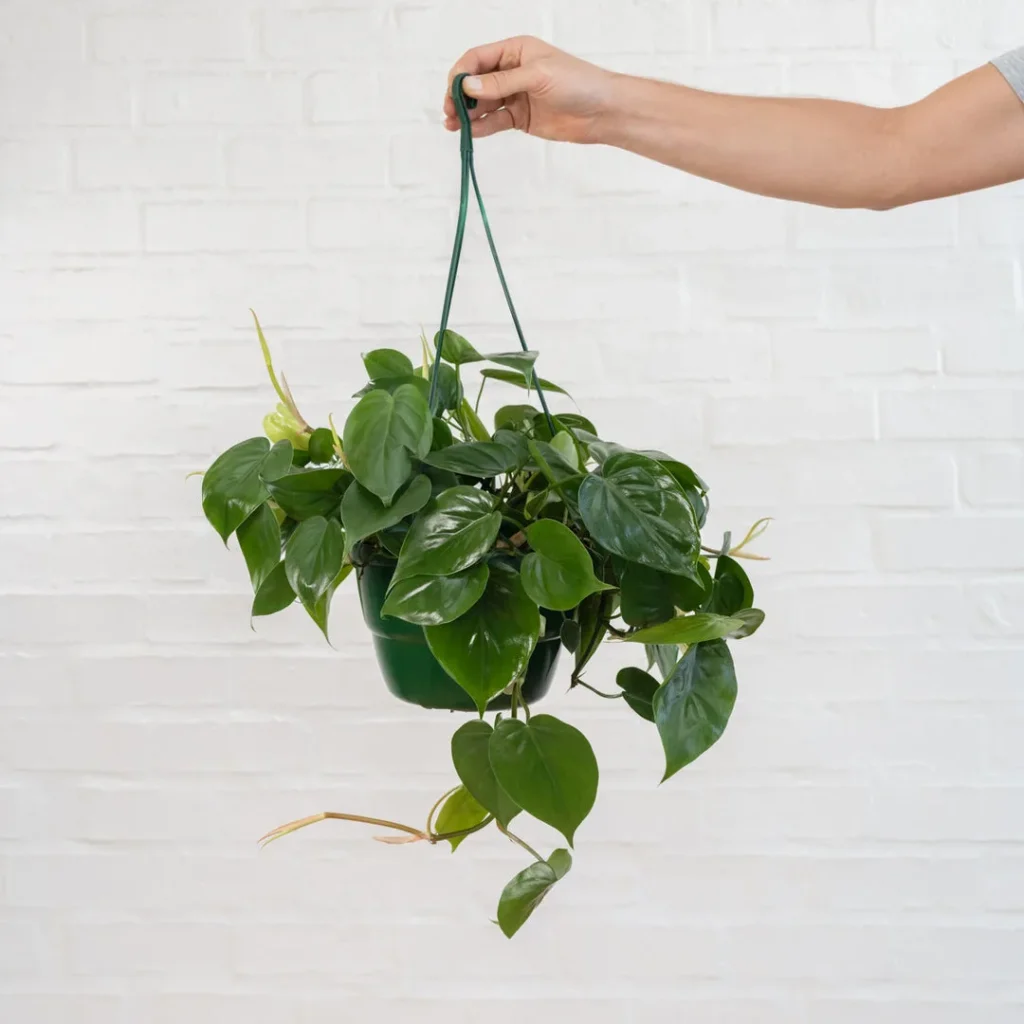
You bought a heart leaf philodendron because everyone said it was unkillable. Now the leaves are turning yellow, and you're second-guessing every watering. Heart leaf philodendron care comes down to a few simple decisions, and once you make them, this plant practically runs itself.
Our research shows that most problems with this species trace back to just two variables: moisture and light.
Per the ASPCA, this plant contains calcium oxalate crystals and is toxic to pets, so keep it out of reach. With the right balance of indirect light and a consistent watering rhythm, though, you will have a trailing vine that grows fast and forgives the occasional mistake. Let's break down exactly what this plant needs.
Quick Answer
Heart leaf philodendrons need bright indirect light. Water when the top inch of soil feels dry. Use a well-draining potting mix with perlite.
Keep temperatures between 60 and 80 degrees Fahrenheit. Fertilize monthly in spring and summer. That is the short version.
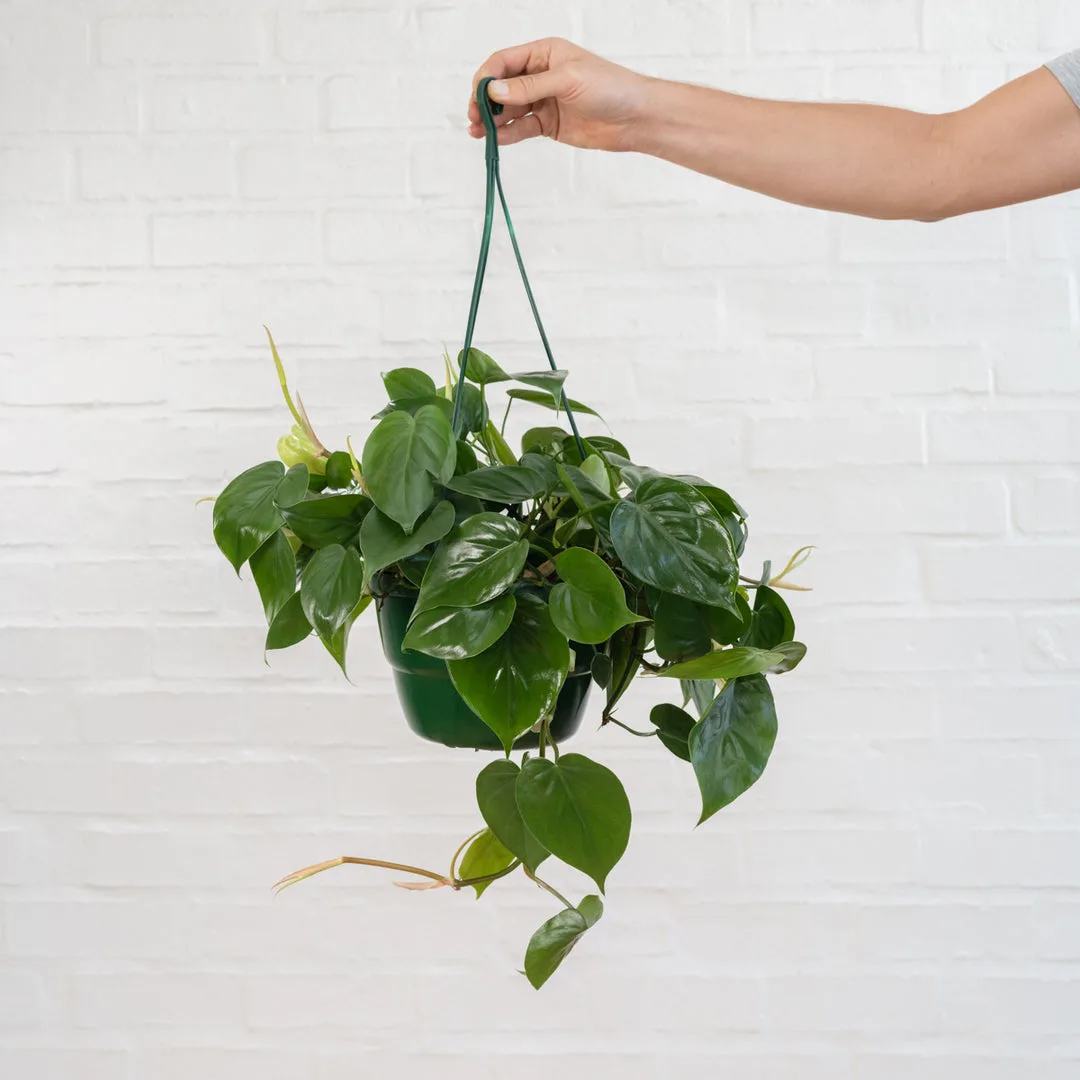
Image source: Web (Bing) / plantify.co.za (Web image (fair-use with source credit))
Watering Decision Tree: When to Water vs. When to Wait
Overwatering kills more heart leaf philodendrons than anything else. This plant stores water in its stems and leaves, so it handles dry soil far better than soggy soil. The question is not "how often." The question is "is it dry enough yet."
How do you know when to water?
Stick your finger into the soil up to your second knuckle. If you feel moisture at that depth, wait. If the soil feels dry, go ahead and water.
That finger test beats any app or calendar schedule, because your home's light, humidity, and pot size all change how fast the soil dries.
What about pot type and soil mix?
If you keep your philodendron in a plastic pot, the soil stays wet longer. Terracotta pots pull moisture away from the roots and dry out faster. Our research consistently shows that growers who use terracotta pots and a chunky aroid mix (potting soil, perlite, and orchid bark) rarely deal with root rot.
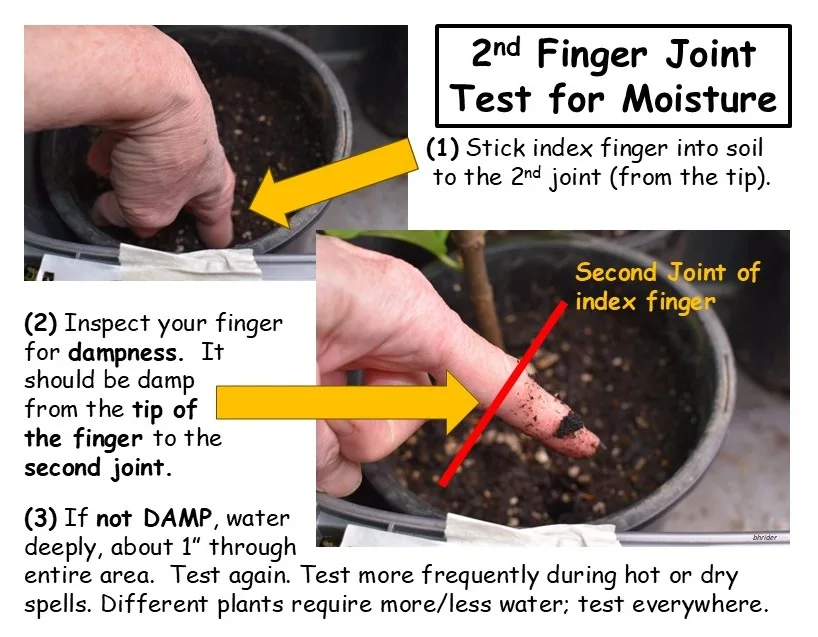
Image source: Web (Bing) / gardenclubofcamaswashougal.org (Web image (fair-use with source credit))
What happens if you water too much or too little?
Here is the decision tree.
If the leaves turn yellow and feel soft, you are overwatering. Let the soil dry out completely before your next watering. If the pot feels heavy, the roots may be sitting in water.
Consider repotting into fresh dry mix.
If the leaves look droopy and feel thin or crispy, the plant is thirsty. Give it a deep soak until water runs out the drainage holes. Wait 15 minutes and water again to fully saturate the root ball.
If the leaves curl under at the edges, you have inconsistent watering. This plant prefers a steady rhythm. Water when the top inch dries, not on a fixed schedule.
One more thing on water quality
Heart leaf philodendrons are sensitive to fluoride and chlorine in tap water. If you see brown tips on the leaves, switch to filtered or distilled water, or let tap water sit out for 24 hours before using it. The difference shows in about two weeks.
Light and Growth: Fixing Leggy Vines and Yellow Leaves
A heart leaf philodendron that looks sparse and stretched out is telling you one thing: it needs more light. This plant thrives in bright indirect light, which means a spot near an east-facing window or a few feet back from a south or west window works perfectly.
What does "bright indirect light" look like?
You should be able to read a book in that spot without squinting. If the sun hits the leaves directly through the glass, that is too intense and will scorch the foliage. Pull the plant back a few feet or use a sheer curtain.
What if your space has low light?
This philodendron tolerates low light, but it will not thrive there. The vines grow longer between leaves, creating that bare-legged look. The leaves themselves may stay smaller and darker green.
If you cannot give it more natural light, a standard LED grow bulb placed 12 to 18 inches above the plant works well. Leave it on for 10 to 12 hours a day. Per manufacturer specifications, a bulb in the 5000K to 6500K range mimics daylight and supports healthy growth.
Why are the leaves turning yellow?
Yellow leaves on a heart leaf philodendron mean one of three things, and you need to check conditions to find the right answer.
If the lower older leaves turn yellow slowly, that is natural leaf aging. Pull them off and move on.
If the yellow leaves are soft and the soil is wet, you are overwatering. Let the plant dry out.
If the yellow leaves have brown spots or edges, the air may be too dry. This plant comes from tropical regions and prefers humidity around 50 to 60 percent. If your home is dry, group it with other plants or set it on a pebble tray.
Misting does very little, so skip that.
Can you fix a leggy plant?
Yes. Move it to brighter light. Then prune the longest vines back to a node.
That encourages branching and makes the plant fuller. You can propagate the cuttings to fill out the pot.
Pests and Problems: Identifying and Treating Common Issues
A healthy heart leaf philodendron rarely gets pests. A stressed one attracts them. The three most common pests are spider mites, mealybugs, and fungus gnats.
Each one needs a different approach.
Spider mites
Spider mites show up as tiny white specks on the undersides of leaves. You might see fine webbing between stems and leaves. They thrive in dry dusty conditions.
If you spot them, take the plant to the sink or shower and rinse the leaves with lukewarm water. Focus on the undersides. Then wipe each leaf with a cloth dipped in diluted dish soap and water.
Repeat once a week for three weeks. Increase humidity around the plant, because spider mites hate moisture.
Mealybugs
Mealybugs look like small white cottony clumps in the leaf axils and along the stems. They suck sap and weaken the plant.
Dab each clump with a cotton swab dipped in rubbing alcohol. The alcohol dissolves the waxy coating and kills them. Check every few days and repeat until you see no new clumps.
Isolate the plant during treatment to stop them from spreading.
Fungus gnats
Fungus gnats are tiny black flies that hover around the soil surface. They do not hurt the plant much, but they are annoying. They come from consistently wet soil.
Let the top inch or two of soil dry out between waterings. That breaks the gnat life cycle. You can also use yellow sticky traps to catch the adults.
If the problem persists, water with a solution of one part hydrogen peroxide to four parts water to kill the larvae.
What about brown leaf tips?
Brown tips usually mean one of two things. Either the air is too dry, or you are using tap water with too much fluoride. Try switching to distilled water.
If the tips stay brown but stop spreading, you found the fix.
Propagation: How to Turn One Vine Into Many
Heart leaf philodendrons propagate easily. This is the plant you can share with friends or use to fill out a fuller pot. The method is simple and works every time if you follow the steps.
What do you need?
You need clean sharp scissors or pruners. You need a small jar of water or a pot with damp potting mix. You need a vine with at least two or three leaves.
That is everything.
Where do you cut?
Look on the vine for small brown bumps along the stem. Those are nodes. Roots grow from nodes.
Cut just below a node, leaving a stem piece with at least one node and one leaf. Remove the leaf closest to the node so the node is exposed.
How do you root them?
Two methods work well.
For water propagation, place the cutting in a jar so the node is submerged but the leaf stays above water. Change the water every five to seven days. Roots appear in two to four weeks.
Wait until the roots are at least two inches long before potting.
For soil propagation, dip the cut end in rooting powder if you have it. Stick the node into damp potting mix. Cover the pot with a clear plastic bag to hold humidity.
Open the bag every few days for airflow. Roots form in three to five weeks.
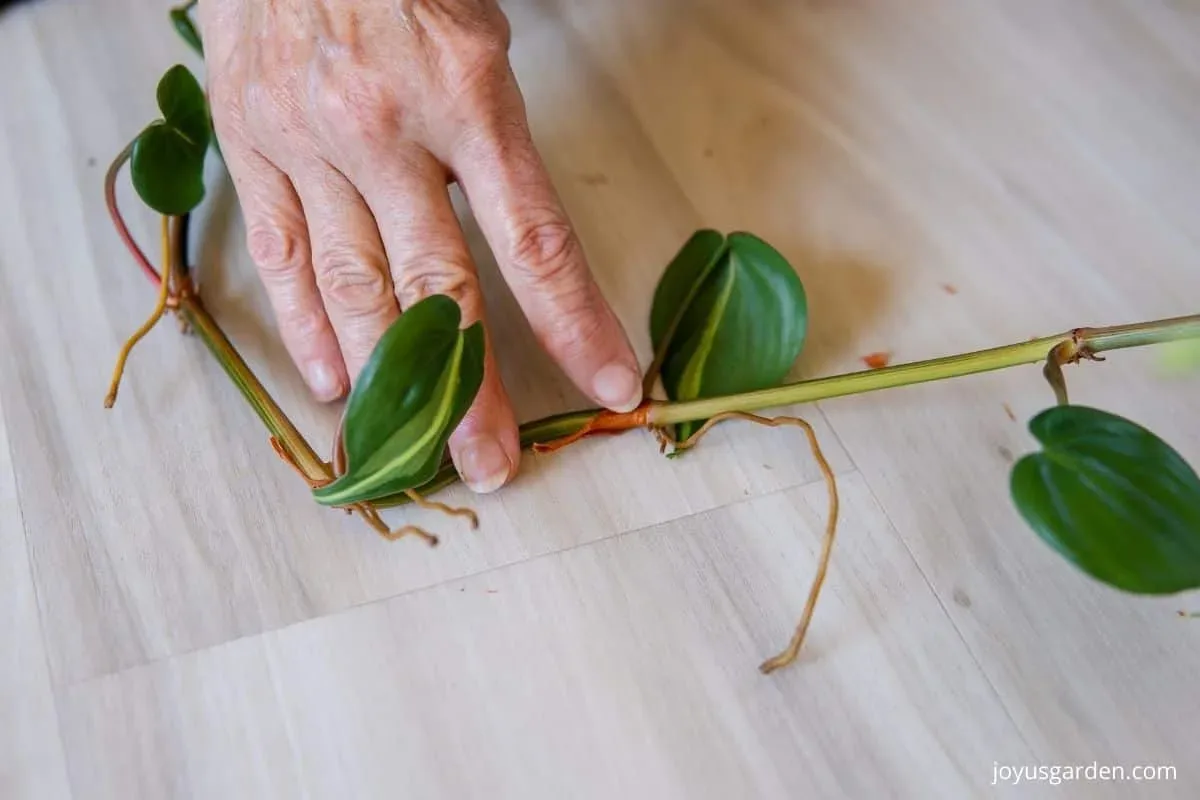
Image source: Web (Bing) / joyusgarden.com (Web image (fair-use with source credit))
How do you get a fuller plant?
Take several cuttings from the longest vines and root them together in the same pot. The original plant gets bushier from the pruning, and the new cuttings fill out the base. Within a few months, you have a dense trailing plant instead of a few long thin vines.
What common mistake ruins propagation?
Rotting stems come from putting the cutting in water that is too deep. Only the node needs to be submerged. If the leaf sits in water, it rots and spreads bacteria to the stem.
Keep that cutting shallow and you will have roots before you know it.
Mistakes to Avoid: What Kills a Heart Leaf Philodendron Fastest
This plant is forgiving, but it has limits. Most dead heart leaf philodendrons die from the same handful of errors. Avoid these, and yours will thrive.
Overwatering is the number one killer
If there is one mistake that kills this plant more than any other, it is too much water. The roots rot when they sit in wet soil for too long. Once root rot sets in, the damage is often irreversible.
The fix is simple. Use a pot with drainage holes. Choose a chunky well-draining mix.
Water only when the top inch of soil feels dry. When in doubt, wait another day.
Using a pot that is too big
A large pot holds more soil, and more soil stays wet longer. That creates a soggy environment that the roots cannot handle. Pot size should be just one to two inches wider than the root ball.
If you move from a four-inch pot to an eight-inch pot, the soil will stay wet for weeks. The plant cannot drink that fast. Root rot follows.
Ignoring the light needs
This plant tolerates low light, but it does not grow well there. The vines stretch out, the leaves stay small, and the plant looks sad. If you want a full healthy plant, give it bright indirect light.
Direct sunlight is also a mistake. The leaves scorch and develop brown patches. A spot a few feet back from a south or east window works perfectly.
Not cleaning the leaves
Dust builds up on the broad leaves over time. That layer of dust blocks light from reaching the leaf surface. The plant photosynthesizes less efficiently and grows slower.
Wipe the leaves with a damp cloth every few weeks. It takes two minutes and makes a real difference.
Skipping fertilizer
This plant is not a heavy feeder, but it needs nutrients during the growing season. Without fertilizer, the growth slows down and the leaves may look pale.
Use a balanced liquid fertilizer diluted to half strength. Apply it once a month from March through September. Skip it entirely in winter when the plant rests.
Sudden temperature changes
Heart leaf philodendrons like consistency. Drafts from windows, air conditioning vents, or heating registers stress the plant. Leaves may yellow and drop.
Keep it away from cold drafts in winter and hot dry air in summer. The ideal temperature range is 65 to 80 degrees Fahrenheit.
Frequently Asked Questions
How often should I water my heart leaf philodendron?
Water when the top inch of soil feels dry to the touch. In typical home conditions, that works out to every 7 to 14 days. Check the soil instead of following a calendar.
The frequency changes with light, pot size, and season.
Why are my heart leaf philodendron leaves turning yellow?
Yellow leaves usually mean one of three things. Overwatering is the most common cause. Underwatering is less common but possible.
Older lower leaves turning yellow is natural aging. Check the soil moisture to decide which problem you have.
Can heart leaf philodendron grow in water permanently?
Yes, it can live in water for months or even years. Change the water every week to prevent bacteria from building up. Add a few drops of liquid fertilizer every month for nutrients.
The leaves may stay smaller than in soil.
Is heart leaf philodendron safe for cats and dogs?
No. Per the ASPCA, this plant contains calcium oxalate crystals that cause oral irritation, drooling, and vomiting if ingested. Keep it out of reach of pets and children.
If you suspect your pet ate some, contact your veterinarian.
Why is my philodendron not growing?
Slow growth usually means not enough light or nutrients. Move it to a brighter spot with indirect light. Make sure you are fertilizing monthly during spring and summer.
Check that the pot is not too large, which can stall growth.
Should I mist my heart leaf philodendron?
Misting raises humidity for only a few minutes and does little to help the plant. It can actually promote fungal issues on the leaves. Instead, use a pebble tray, group plants together, or use a small humidifier if the air is very dry.



