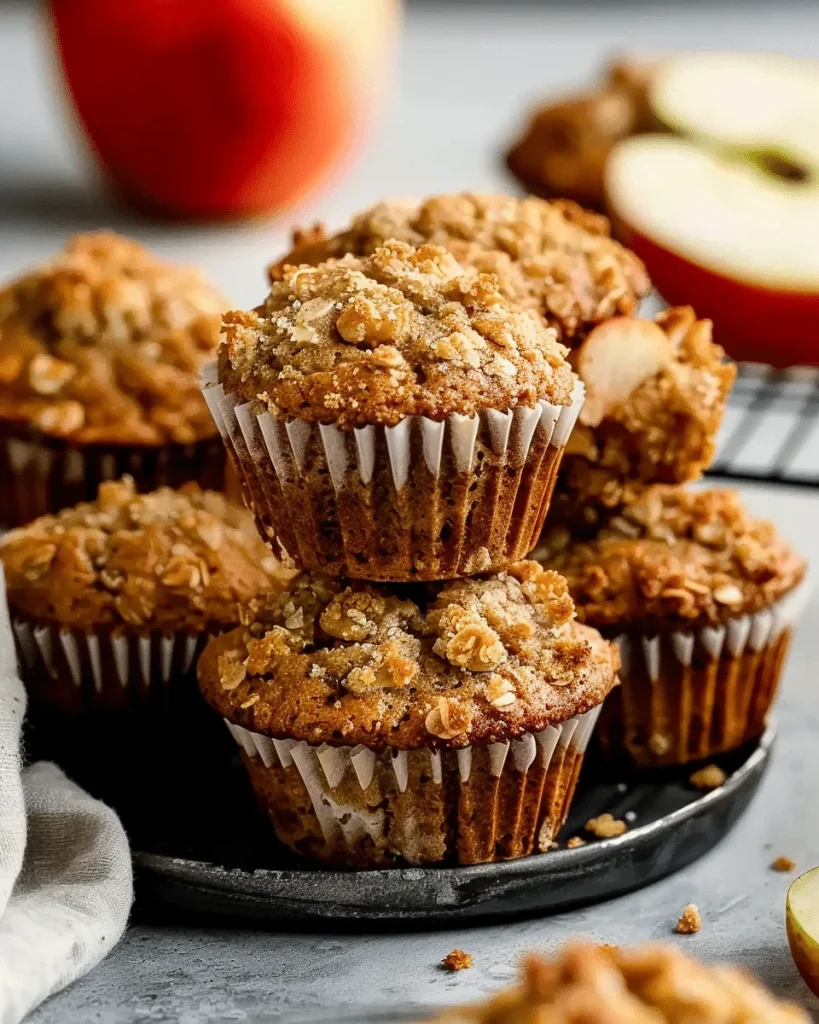
Most healthy apple muffin recipes fall into one of two traps. They're either dry and dense, or they're secretly not much healthier than a bakery muffin. The truth is, baking a genuinely healthy apple muffin that actually tastes good takes more than just swapping in whole wheat flour and cutting the sugar.
A single standard bakery apple muffin can pack 400 to 500 calories and well over 30 grams of sugar. That's more sugar than a candy bar. So when you set out to bake a healthier version at home, you're making real trade-offs between nutrition and taste.
Let's walk through what actually works and what doesn't.
Quick Answer
Healthy apple muffins use whole grain or nut flours instead of white flour. They replace refined sugar with honey, maple syrup, or stevia. Applesauce or Greek yogurt takes the place of some of the oil.
The result is a moist muffin with more fiber and less sugar.
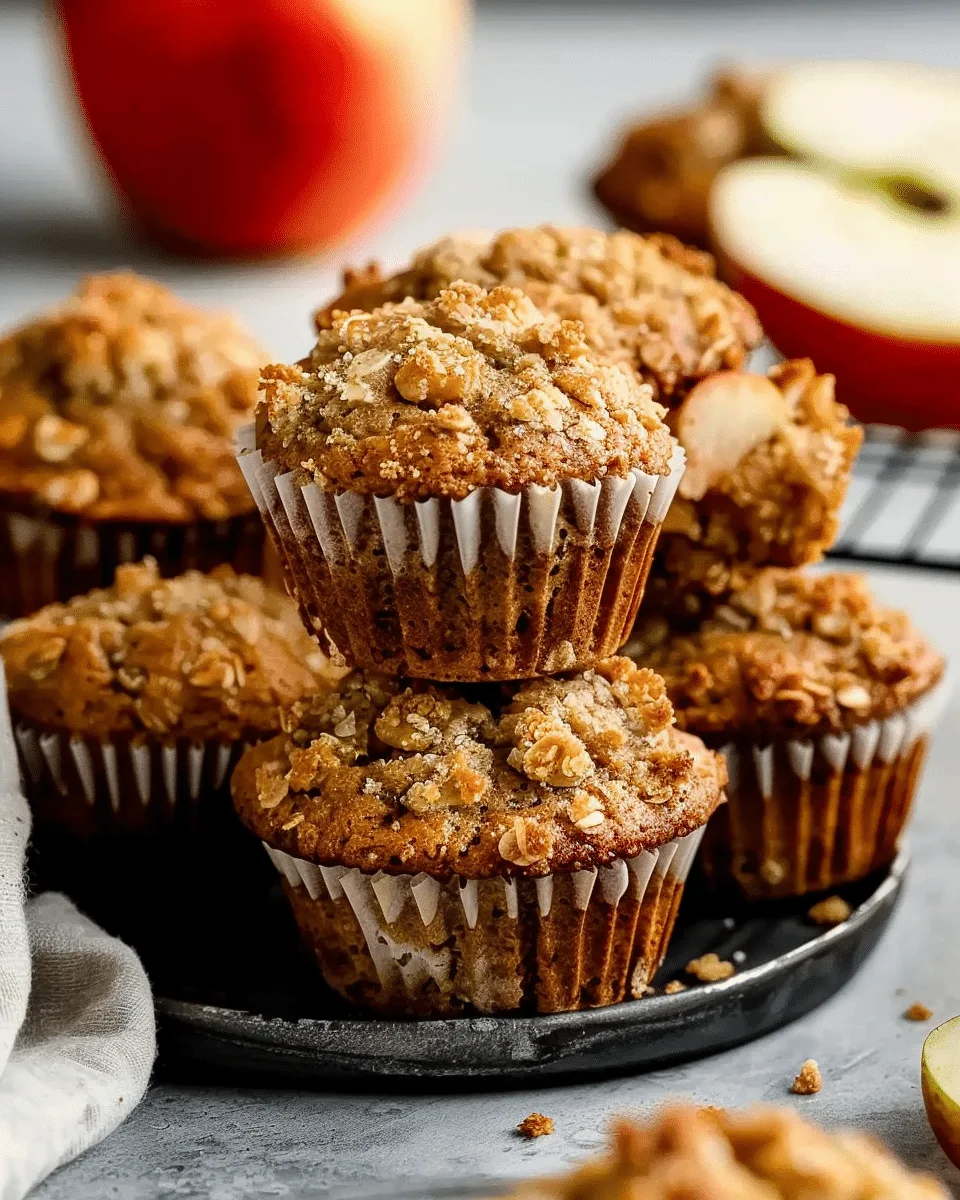
Image source: Web (Bing) / recipeglimpse.com (Web image (fair-use with source credit))
Why "Healthy" Apple Muffins Are So Tricky
Sugar and fat aren't just for flavor. In a standard muffin recipe, sugar tenderizes the crumb and helps with browning. Fat coats the flour proteins, preventing too much gluten from forming.
Remove both without good replacements and you end up with dense, dry, sad muffins.
Apples add moisture, but they also bring pectin and natural sugars. That sounds good on paper. But too much apple puree can make the batter too wet.
That leads to a gummy texture or a muffin that collapses in the center.
The apple variety matters too. A tart Granny Smith holds its shape better in baking. A soft McIntosh can break down into mush.
That changes the final texture completely.
Then there's the flour problem. Whole wheat flour absorbs more liquid than white flour. Almond flour is gluten-free but lacks structure.
Oat flour can make muffins tender but also crumbly. Get the ratio wrong and you're left guessing what went wrong.
The takeaway is simple. Every substitution changes the chemistry. You can't just swap things one-for-one and expect the same result.
You have to understand what each ingredient is doing in the batter.
The Big Three Swaps: Flour, Sweetener, and Fat
When you break it down, a conventional muffin has three main components that define its nutritional profile. The flour. The sweetener.
The fat. Each one can be swapped for a healthier alternative. But each swap comes with trade-offs that affect texture, moisture, and taste.
| Component | Standard Choice | Healthy Swap | Main Trade-off |
|---|---|---|---|
| Flour | All-purpose white flour | Whole wheat, oat, or almond flour | Denser texture, more moisture needed |
| Sweetener | White sugar | Honey, maple syrup, stevia | Different sweetness level, aftertaste risk |
| Fat | Butter or vegetable oil | Applesauce, Greek yogurt, coconut oil | Less tender crumb, different flavor profile |
The trick is balancing these three swaps together. Go too heavy on one and the whole thing falls apart. In our research, the most successful recipes adjust all three in harmony.
For example, if you swap the flour to whole wheat, you'll need more moisture from the applesauce or yogurt. If you cut the sugar drastically, you lose browning and tenderness, so you might add a bit more fat to compensate. It's a puzzle, but once you understand the pieces, you can build a muffin that actually works.
Flour Face-Off: Whole Wheat vs. Almond Flour vs. Oat Flour
The flour you choose sets the foundation for your muffin. Each option behaves differently in baking, and none of them are a direct substitute for white all-purpose flour.
Whole wheat flour is the most straightforward swap. It has more fiber and nutrients than white flour. But it also absorbs more liquid, which can make muffins dry if you don't adjust.
Per USDA guidelines, whole wheat flour contains about 12 to 15 grams of fiber per cup, compared to just 3 grams in white flour. That's a big jump. The trade-off is a denser, heartier muffin with a nuttier flavor.
Best for anyone who wants a simple swap without specialty ingredients.
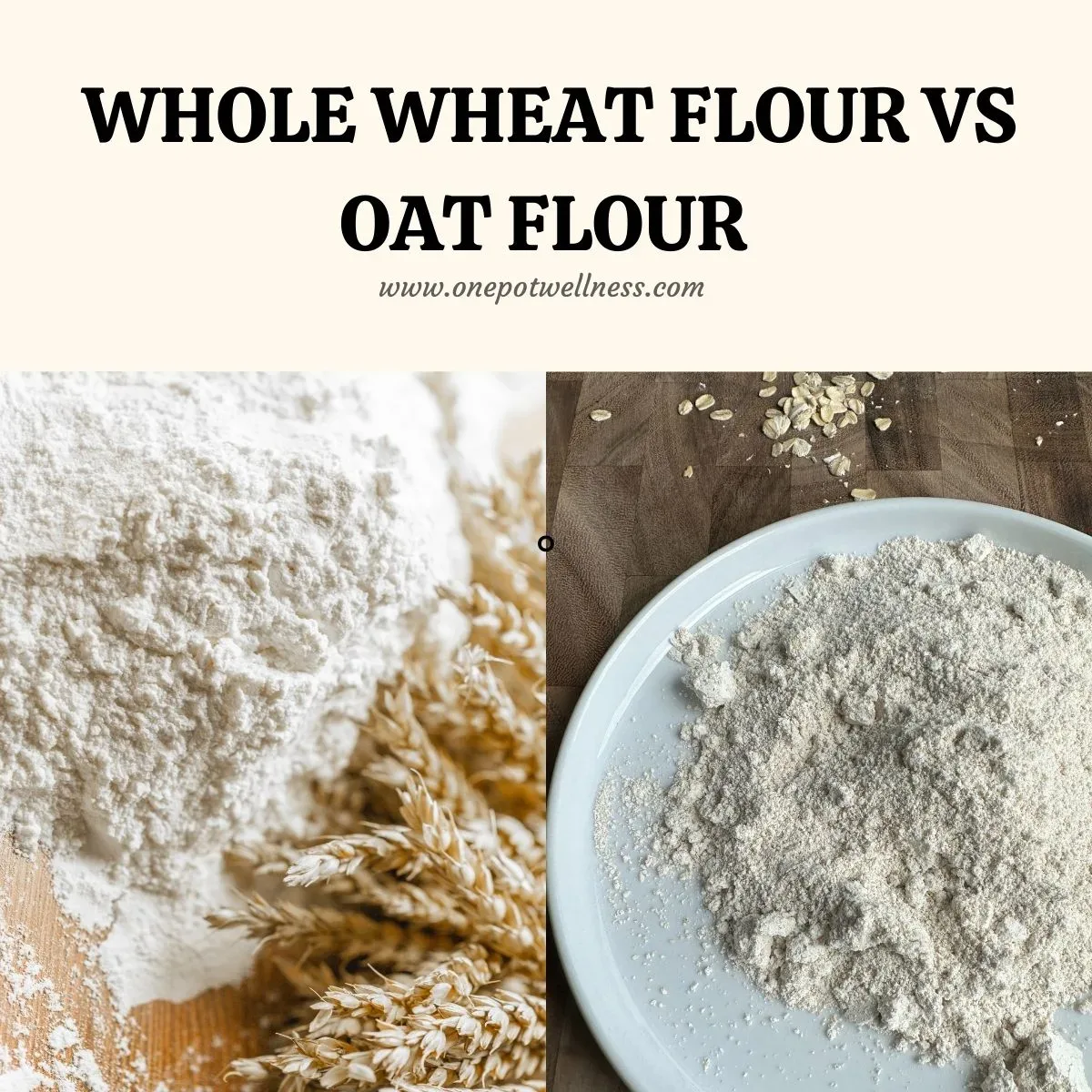
Image source: Bing (Web (fair-use with source credit))
Almond flour is made from ground blanched almonds. It's naturally gluten-free and high in protein and healthy fats. The texture is tender and moist, almost cake-like.
But almond flour lacks gluten, so it doesn't provide the same structure. Muffins made with almond flour can be delicate and prone to crumbling. They also brown faster because of the natural oils.
Best for low-carb or keto diets, but expect a richer, denser muffin.
Oat flour is simply ground rolled oats. It's gluten-free if you use certified gluten-free oats. Oat flour adds a mild, slightly sweet flavor and a tender crumb.
It absorbs moisture differently than wheat flour, so recipes often need a bit more liquid. Oat flour muffins tend to be softer and less sturdy than whole wheat ones. Best for a gentle whole-grain option that still feels light and fluffy.
| Flour Type | Fiber per cup | Gluten | Best For |
|---|---|---|---|
| Whole wheat | 12-15g | Yes | Simple swaps, hearty texture |
| Almond | ~6g | No | Low-carb, keto, tender crumb |
| Oat | ~8g | No (if certified) | Light whole-grain, mild flavor |
Sweetener Showdown: Honey, Maple Syrup, Stevia, or None?
Cutting sugar is often the main goal of a healthy muffin. But sugar isn't just sweetness. It affects browning, moisture, and tenderness too.
Honey is a natural sweetener with trace amounts of vitamins and antioxidants. It's sweeter than sugar, so you can use less of it. But honey is still sugar, about 17 grams per tablespoon.
It also adds moisture, which means you should reduce the liquid in your recipe slightly. Honey browns quickly, so lower your oven temperature by about 25 degrees to avoid burning. Best for a richer, floral sweetness with a moist crumb.
Maple syrup has a distinct flavor that pairs beautifully with apple and cinnamon. Like honey, it's liquid and adds moisture. It contains some minerals like zinc and manganese.
But it's still sugar, about 13 grams per tablespoon. Maple syrup is slightly less sweet than honey, so you may need a bit more. Best for a clean, natural sweetness that complements the apple flavor.
Stevia or monk fruit sweetener provides sweetness with zero calories and zero impact on blood sugar. That sounds perfect. But these sweeteners come with trade-offs.
They can leave a bitter aftertaste, especially in larger amounts. They don't provide browning or moisture. And they don't tenderize the crumb the way sugar does.
Best for diabetics or anyone strictly avoiding added sugar, but expect a different texture and flavor.
No sweetener at all relies entirely on the natural sugars in the apples. This works best if you use sweet apple varieties like Fuji or Honeycrisp. You'll need at least one cup of finely grated apple to get enough sweetness.
The muffins will be mild and more savory, with a softer crumb. Best for savory breakfasts or very low-sugar diets.
| Sweetener | Calories per tbsp | Glycemic impact | Moisture added | Best use case |
|---|---|---|---|---|
| Honey | 64 | Medium | Yes | Rich flavor, moist muffins |
| Maple syrup | 52 | Medium | Yes | Apple-cinnamon pairings |
| Stevia | 0 | None | No | Diabetics, zero-sugar |
| None | 0 | None | No | Sweet apple varieties only |
Fat Replacements: Applesauce, Yogurt, or Oil?
Fat is what makes a muffin tender and moist. Remove it and you get a rubbery texture. But you don't have to use butter or vegetable oil.
There are healthier options that work surprisingly well.
Unsweetened applesauce is the most common fat replacement in healthy baking. It adds moisture and natural sweetness with almost no fat. One cup of applesauce replaces one cup of oil or butter.
The trade-off is a denser, slightly more cake-like texture. Applesauce also adds extra sugar from the apples, so you may want to reduce the sweetener a bit. Best for low-fat muffins with a soft, tender crumb.
Greek yogurt adds moisture and protein. It also adds a slight tang that works well with the sweetness of apples. Full-fat Greek yogurt gives the best texture, but low-fat works too.
Greek yogurt helps create a fluffy, slightly springy muffin. The fat content keeps the crumb tender without feeling greasy. Best for higher protein muffins with a light, airy texture.
Oil, coconut oil, avocado oil, or even olive oil, is still fat. But using a healthier oil reduces saturated fat compared to butter. Coconut oil adds a subtle flavor that pairs well with apple and cinnamon.
Avocado oil is neutral and works in any recipe. You can also use half the oil and supplement with applesauce or yogurt. Best for moisture and tenderness without the dairy, and for anyone who wants a traditional texture.

Image source: Web (Bing) / pinterest.com (Web image (fair-use with source credit))
The real trick is blending these options. A combination of half applesauce and half Greek yogurt, for example, gives you moisture, protein, and structure without the calories of full fat.
Common Muffin Mistakes That Ruin "Healthy" Versions
Even with the right swaps, a few small errors can sink your batch. Here are the most common ones we see in recipe reviews and baking forums.
Overmixing the batter. This is mistake number one. Overmixing develops gluten, and too much gluten makes muffins tough and rubbery. Mix until the flour is just incorporated.
A few streaks of flour are fine. They'll disappear as the batter bakes.
Using cold ingredients. Cold eggs or cold yogurt seize up the fat in your batter. That results in a lumpy, uneven texture. Let everything sit at room temperature for about 20 minutes before mixing.
Skipping the flour toss for apples. When you fold in chopped or grated apples, toss them in a tablespoon of flour first. This prevents them from sinking to the bottom of the muffin cup during baking. It's a tiny step that makes a big difference.
Filling cups too much or too little. Fill muffin cups about three-quarters full. Overfilling causes muffin tops to merge into each other. Underfilling gives you flat, sad-looking muffins.
Use an ice cream scoop for consistent portioning.
Baking at the wrong temperature. Healthy muffins often need different oven temperatures than standard ones. Muffins with honey or maple syrup brown faster, so drop the temperature by 25 degrees. Muffins with almond flour also need gentler heat.
Check at 15 minutes, then rotate the pan.
Peeking at the oven. Opening the oven door releases heat and causes uneven baking. Use the oven light instead. Set a timer for the minimum bake time and trust it.
Your Quick Decision Guide — Best Apple Muffin for Your Goal
Not sure which combination fits your needs? Here's a simple breakdown.
If you want the simplest swap from a standard recipe: Choose whole wheat flour and replace the oil with half applesauce and half Greek yogurt. Keep a small amount of honey for sweetness. You'll get muffins that taste familiar but have more fiber and less fat.
If you're following a low-carb or keto diet: Choose almond flour and a stevia or monk fruit sweetener. Use coconut oil for moisture. Skip the applesauce, since it adds natural sugar.
Actually, use fresh apple pieces sparingly, and choose a tart variety like Granny Smith.
If you're baking for kids: Choose oat flour for a soft, mild crumb. Use applesauce as the fat replacement and honey as the sweetener. Kids won't notice the healthier ingredients.
The sweetness from the apples adds natural flavor without more sugar.
If you're gluten-free: Choose oat flour or almond flour. Certified gluten-free oats are safe for celiacs. Add a binder like xanthan gum or an extra egg to help hold the structure together.
If you're counting calories: Use just applesauce for the fat replacement. Skip the sweetener and rely on sweet apple varieties like Fuji or Honeycrisp. Per USDA data, a typical healthy apple muffin comes in around 150 to 200 calories with this approach.
| Goal | Flour | Fat Replacement | Sweetener |
|---|---|---|---|
| Simple swap | Whole wheat | Applesauce + yogurt | Honey |
| Low-carb | Almond | Coconut oil | Stevia |
| Kids-friendly | Oat | Applesauce | Honey |
| Gluten-free | Oat (certified) | Greek yogurt | Maple syrup |
| Low-calorie | Whole wheat | Applesauce only | None |
Frequently Asked Questions
Can I freeze healthy apple muffins?
Yes. Healthy apple muffins freeze exceptionally well. Bake them, cool them completely, and store them in an airtight container or zip-top bag.
They'll keep for up to three months. To reheat, microwave for 30 to 40 seconds or warm them in the oven at 300 degrees.
Why are my healthy muffins so dense?
Dense muffins usually come from overmixing the batter or using too much liquid. Whole wheat and oat flours absorb more moisture than white flour. That can make the batter seem dry, which tempts you to add more liquid.
Stick to the recipe and mix gently.
Can I use fresh apple instead of applesauce in the batter?
Yes, but they serve different purposes. Fresh grated apples add texture and sweetness. Applesauce replaces fat and provides moisture.
You can use both in the same recipe: applesauce for moisture and grated apple for texture. Just reduce the liquid if the batter feels too wet.
How much sugar is in a healthy apple muffin?
It depends entirely on your sweetener choice. A typical healthy apple muffin contains 6 to 10 grams of added sugar from honey or maple syrup. The natural sugar in the apples adds another 3 to 5 grams.
Compare that to 30 grams in a bakery muffin, and you're making real progress.
Is apple season a factor for these muffins?
It can be. Apples harvested in the fall tend to be sweeter and more flavorful. Fresh cider and recent harvest apples release less water than older storage apples.
In spring, consider slightly reducing the liquid in your recipe to account for drier apples.