You've watched your squash plants grow all season. The vines are sprawling, the leaves are massive, and the fruit is finally there. But when exactly do you pick it?
That's the real challenge with harvesting squash, because the rules shift completely depending on what you're growing.
In our research through university extension guides, the single most common mistake home gardeners make isn't planting or watering. It's picking at the wrong time. As of 2026, newer compact varieties have made squash more accessible than ever, but the visual cues for ripeness haven't changed.
Let's walk through exactly what to look for so you never have to guess again.
Quick Answer
Harvest summer squash when the fruit is small and tender. Pick winter squash after the skin hardens and resists a fingernail. Check the stem for drying and cracking.
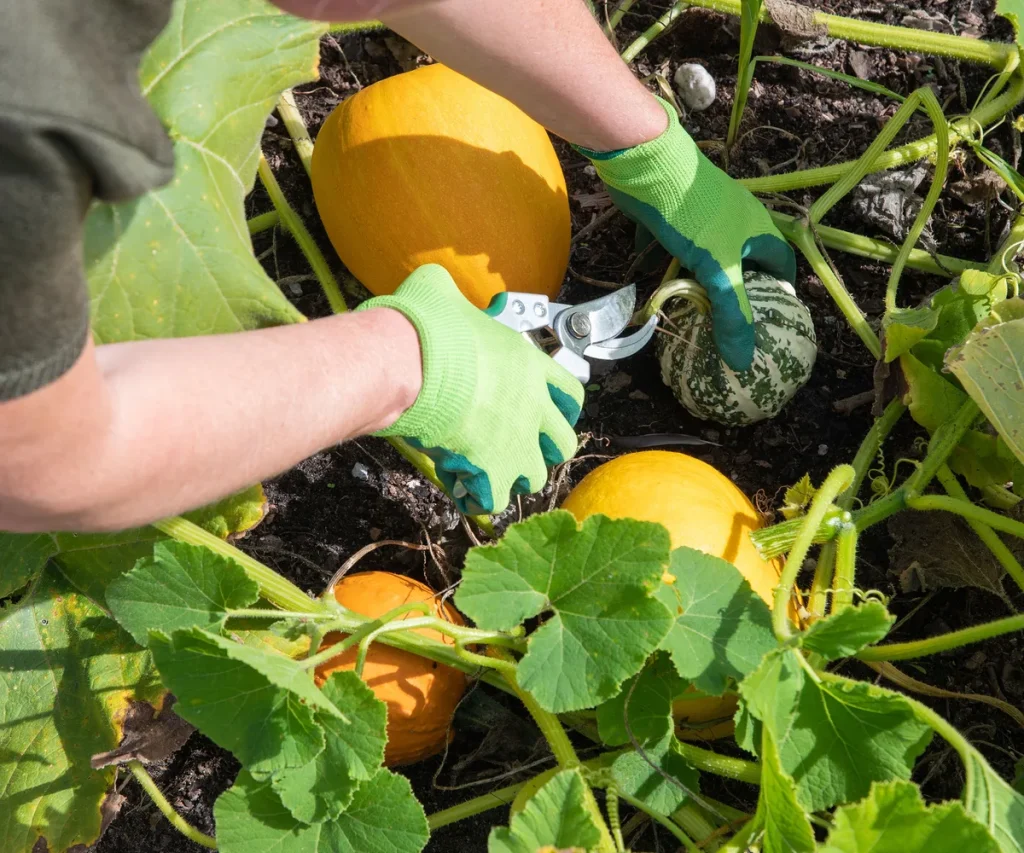
Look at the ground spot for a deep color change. Use clean pruners to cut the stem on winter types. Cure winter squash for 10 to 14 days before storage.
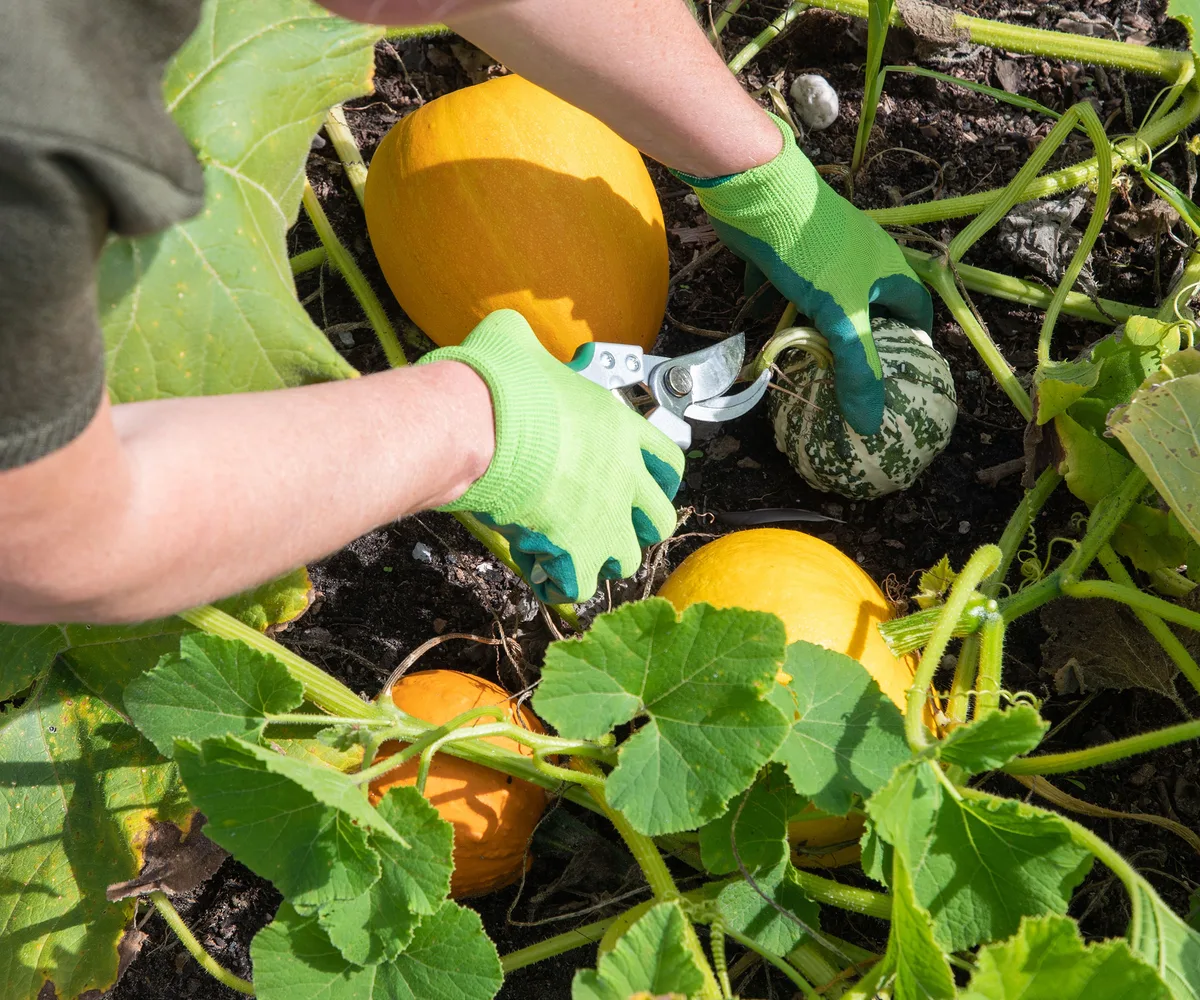
Image source: homesandgardens.com (Web image, fair-use with source credit)
Why Visual Cues Are Everything When Harvesting Squash
Seed packets give you a days-to-maturity number, but that's a guess, not a guarantee. Weather, soil temperature, rainfall, and your specific growing conditions all shift the timeline. A cool, wet summer can push maturity back by weeks.
A heat wave can speed things up.
So you can't rely on a calendar date. You have to read the plant itself.
That's where visual cues come in. Your squash plant gives you clear signals if you know where to look. The color of the skin changes.
The texture shifts from glossy to dull. The stem starts to crack and dry. The spot where the fruit rests on the ground deepens in color.
Even the sound changes when you tap a ripe winter squash.
These aren't subtle hints. They're well-documented indicators that university extension programs and experienced growers have relied on for generations. Per the USDA's crop production guidelines, these visual checks are the standard method for determining harvest readiness across commercial and home gardens alike.
The key is knowing which cues matter for which squash. Summer squash and winter squash don't share the same signals. Mix them up, and you'll either pick too early or too late.
Let's clear that up first.
Before You Start: The One Simple Question That Determines Everything
Here's the single most important question you need to answer before you pick anything: Is this a summer squash or a winter squash?
It sounds basic, but it's where most confusion starts. Summer squash includes zucchini, yellow crookneck, and pattypan. These are thin-skinned, tender, and meant to be eaten fresh.
Winter squash includes butternut, acorn, spaghetti, delicata, kabocha, and pumpkins. These have hard, thick skins and are built for long storage.
The harvest rules are completely different for each group.
For summer squash, you pick early and often. The fruit is at its best when it's small, tender, and glossy. Let it grow too large and the skin toughens, the seeds develop, and the texture turns mealy.
You're aiming for 6 to 8 inches for zucchini in most cases. Smaller is actually better.
For winter squash, you wait. You wait until the skin hardens, the color deepens, and the stem starts to dry. This can take a full growing season, sometimes 90 to 120 days depending on the variety.
Picking too early means the squash won't cure properly and will rot in storage. The payoff for patience is squash that lasts for months.
So your first decision is simple: Are you growing a summer type or a winter type? That answer tells you whether to harvest now or wait.
What to Look For: A Step-by-Step Visual Harvest Guide
This is where the visual work really happens. Let's break it down by type, because the signs are completely different.
Summer Squash: Small, Glossy, and Tender
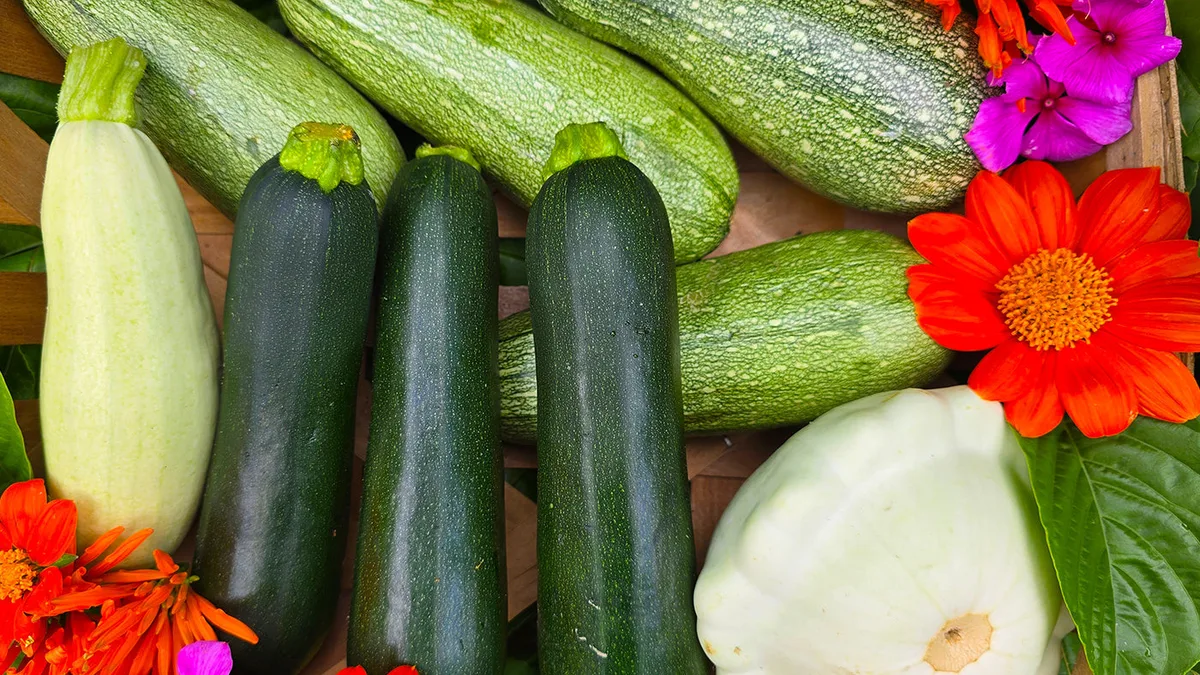
Image source: jerrasgarden.com (Web image, fair-use with source credit)
For summer squash, the most reliable cue is size and gloss. The fruit should feel firm but not hard. The skin should have a bright, glossy sheen.
If it starts to look dull or matte, you've pushed too far.
Check the blossom end. It should still be slightly soft and pliable. If it's hard and woody, the squash is past its prime.
Harvest frequency matters here. Once your plant starts producing, check it every 2 to 3 days. In peak season, you can check daily.
Squash grows fast. A zucchini that looks perfect in the morning can be oversized by evening.
Use a sharp knife or pruners to cut the stem. Leave about an inch of stem attached. Don't twist or snap the fruit off.
That can damage the plant and open it to disease.
Winter Squash: Hard Skin, Deep Color, Dry Stem
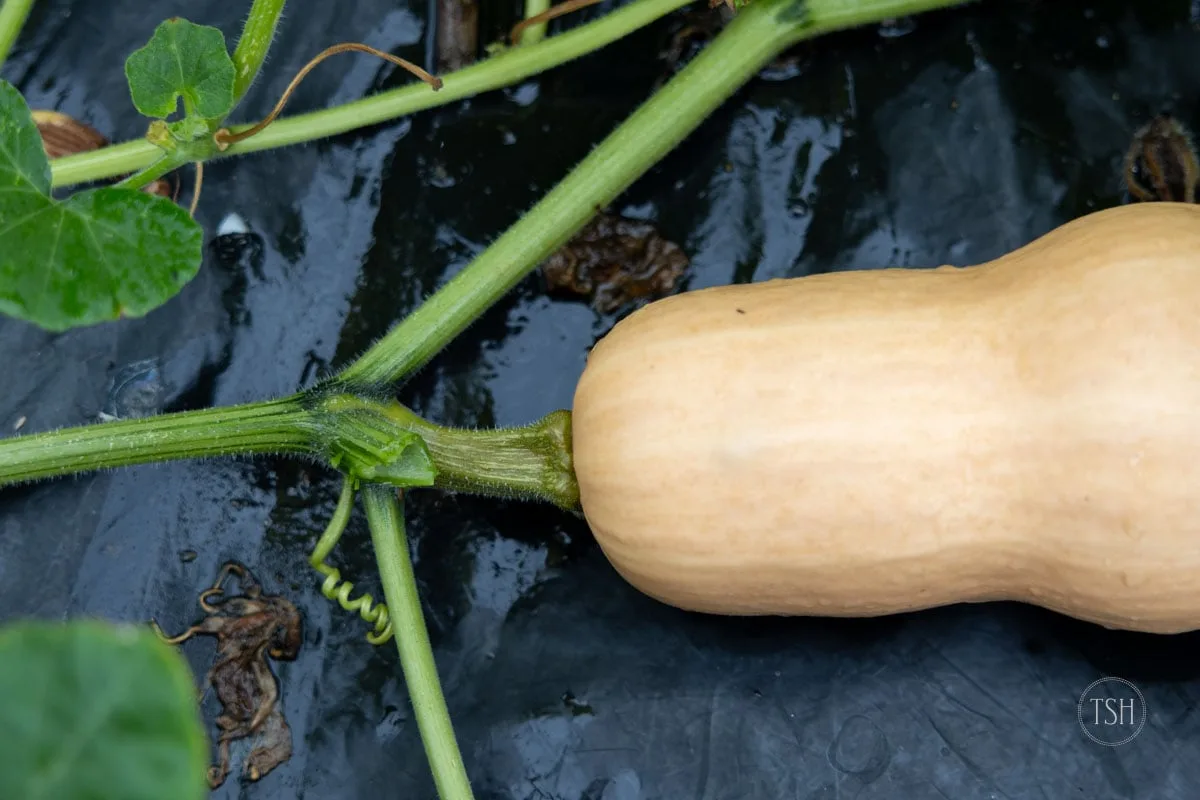
Image source: Bing (Web image, fair-use with source credit)
Winter squash takes more patience, but the signs are clearer once you know them.
The fingernail test. Press your thumbnail gently into the skin. If it resists and doesn't puncture easily, the squash is ripe. If your nail leaves a mark, give it more time.
The color check. The skin should have reached its full, deep color. For butternut, that's a rich tan. For acorn, a deep green with orange spots.
For pumpkin, a solid orange. If the color looks pale or uneven, wait.
The ground spot. This is the area where the fruit touches the soil. It should have changed from a light yellow or white to a deeper cream or orange, depending on the variety. A pale ground spot means the squash isn't fully mature.
The stem test. The stem should be starting to dry, crack, and turn corky. If it's still green and moist, the squash is still drawing nutrients from the vine. Wait until the stem looks like dead wood.
The thump test. This one takes practice. Tap the squash with your knuckles. A ripe winter squash sounds hollow, almost like a drum.
An unripe one sounds dull and solid. Compare a known ripe squash to an unripe one, and you'll hear the difference fast.
The tendril check. Look at the curly tendril closest to the fruit on the vine. When it turns brown and completely dry, that's a strong indicator the squash is ready. Not all varieties follow this rule perfectly, but it's a useful cross-check.
The 3 Biggest Visual Traps That Fool Even Experienced Gardeners
Even if you know the signs, there are traps that trip people up every season. Here are the three most common ones.
Trap 1: Relying on days to maturity alone.
Seed packets list a number, but that number assumes perfect conditions. Your garden isn't a test plot. Weather, soil, and microclimate all shift the real timeline.
We've seen gardeners pull winter squash at 85 days because the packet said 85, only to find the skin was still soft. Use the date as a rough window, not a hard deadline. Visual cues always win.
Trap 2: Picking winter squash when the skin first colors up.
This is a sneaky one. Butternut squash can turn that familiar tan color weeks before it's actually ripe. The skin might look right, but it's still soft underneath.
You have to test the hardness. If your fingernail can still dent the skin, the squash isn't ready. The color is a starting point, not a finish line.
Trap 3: The tendril lie.
The tendril closest to the fruit turning brown and dry is a great sign. But it's not foolproof. Some varieties, especially certain hybrid winter squashes, will drop a dry tendril while the fruit is still immature.
And sometimes the tendril stays green past peak ripeness. Use the tendril as a helpful hint, but always confirm with the fingernail test and the stem check before you harvest.
How Variety Changes the Rules
Here's where things get specific. Not all winter squash or summer squash behave the same way. Variety matters, and knowing the quirks of what you're growing saves you from mistakes.
Butternut squash. One of the easiest to read. The skin turns a uniform tan, and the ground spot deepens to a rich orange-buff. The fingernail test is very reliable here.
Butternut also stores the longest of the common varieties, up to 6 months if cured properly.
Acorn squash. Tricky because the skin is dark green, making color changes harder to spot. Look for the ground spot to turn from yellow to deep orange. The skin should have a dull, not glossy, finish.
Acorn doesn't store as long, usually 1 to 2 months, so prioritize eating these first.
Spaghetti squash. The color should turn from pale yellow to a deep golden yellow. The skin hardens noticeably. The tendril check is reliable for this variety.
Once the tendril nearest the fruit is brown and dry, check the skin hardness. Spaghetti stores 3 to 4 months.
Delicata squash. This one has thin skin compared to other winter squashes, so the fingernail test is less definitive. Go by color: the creamy yellow background should be fully developed, and the green stripes should be deep and clear. Delicata stores only 2 to 3 months, so eat it sooner.
Pumpkins. The classic orange color is your primary cue, but check the stem closely. A ripe pumpkin has a hard, corky stem that's starting to crack. The ground spot should be deep orange.
Pumpkins vary wildly in storage life. Smaller sugar pumpkins last 2 to 3 months. Large carving pumpkins often last only 1 to 2 months.
Zucchini and yellow summer squash. These are the easiest. Pick at 6 to 8 inches for zucchini, 4 to 6 inches for yellow crookneck. The skin should be glossy and firm but not hard.
Check daily in peak season. One missed day can turn a perfect summer squash into a baseball bat.
Knowing your variety is the difference between guessing and knowing. Check the seed packet or tag for specific guidance, but always let your eyes and hands be the final judge.