Harvesting rosemary isn't complicated, but doing it wrong can stunt your plant or leave you with flavorless sprigs. The real trick is knowing where to cut, when to cut, and how much to take. That's what this guide covers.
In our research, the most common mistake is snipping into the woody, leafless stems instead of staying in the green growth zone. Plants pruned correctly produce up to three times more usable leaves per season, according to university extension data. Let's walk through the exact workflow so you can harvest confidently without harming your rosemary.
Quick Answer
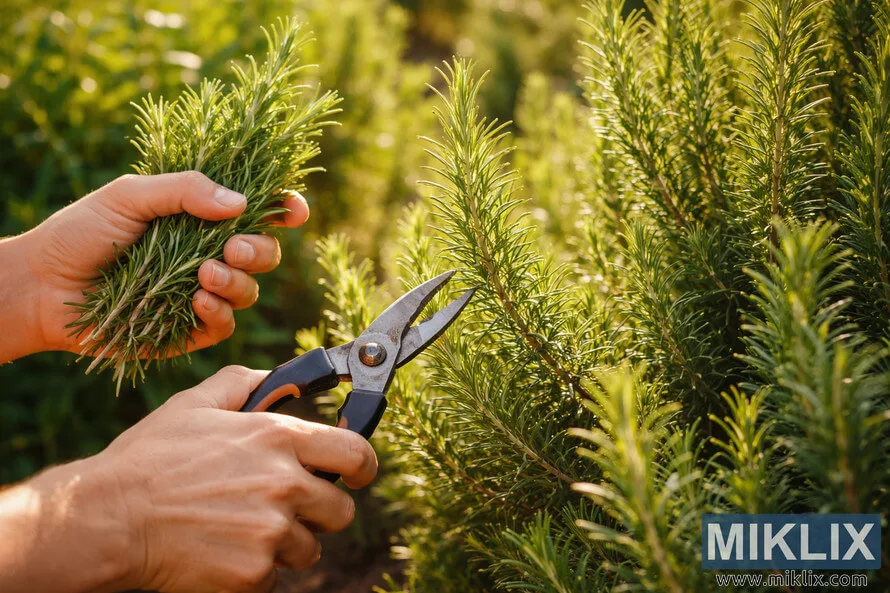
Harvest rosemary by cutting 4, 6 inches of soft green stem above a leaf node. Use sharp pruners, not scissors. Take no more than one-third of the plant at a time.
Stick to morning harvests after the dew dries. That's the whole formula for healthy regrowth.
Core Explanation: How Rosemary Grows (and Why It Matters for Cutting)
Rosemary is a woody perennial. It keeps a hard, barky core that doesn't sprout new leaves. All new growth comes from the green, flexible tips and side shoots.
If you cut into the brown stem, that branch stops producing. It just sits there.
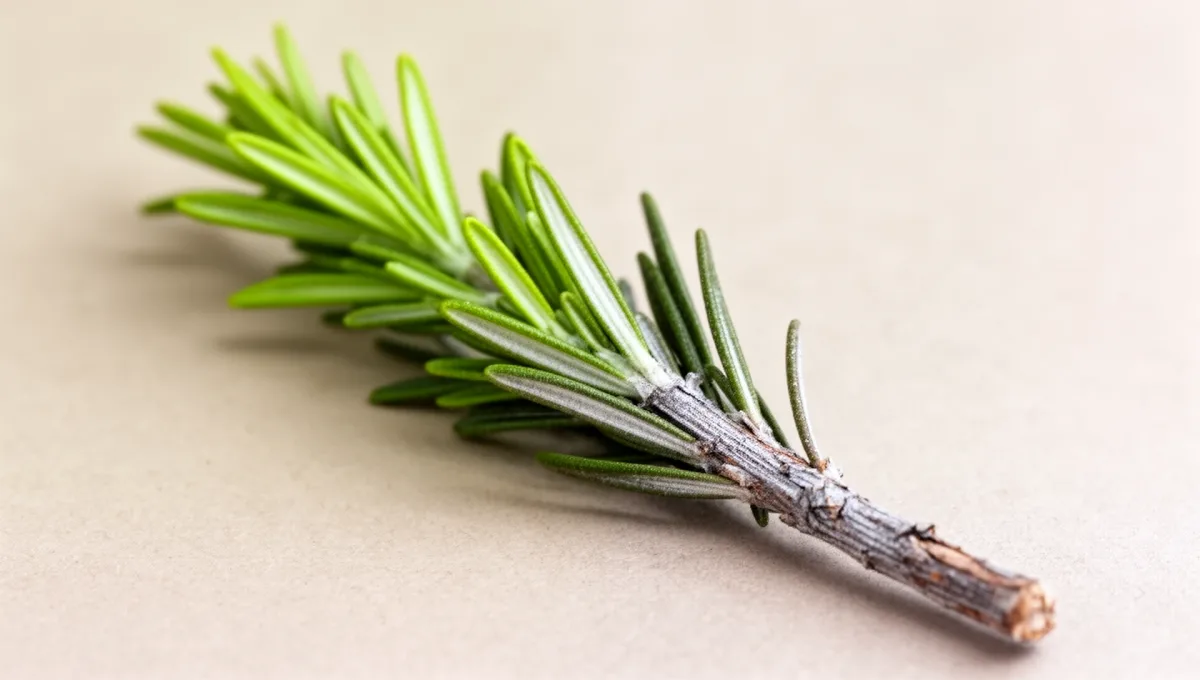
The plant's growth habit is simple. It sends up new green shoots from the top and sides of older wood. These are the parts with the strongest essential oils, which is what you want for cooking.
The older, lower stems become woody over time and lose their aroma.
Here's the key insight. You want to cut just above a set of leaves or a "node", that little bump where leaves emerge. That node will branch out into two new stems.
The plant gets bushier, and you get more harvests down the line.
One more thing. Rosemary flowers are beautiful and attract bees, but flowering reduces leaf oil content. If you're harvesting for flavor, cut before the plant blooms.
If you want the flowers, leave some stems unharvested. It's a trade-off.
The plant's growth cycle matters too. Rosemary concentrates its oils just before flowering in spring and again after the summer growth flush. Those are the best windows for picking.
Harvesting during a rainy period or right after watering dilutes the oils. Wait for dry weather.
Understanding this growth pattern is the foundation. It tells you exactly where your clippers should go and where they shouldn't. Now let's get into the hands-on steps.
Step-by-Step Process: Harvesting Rosemary the Right Way
Before you make the first cut, gather your tools. You need sharp pruning shears or strong garden scissors. Dull blades crush the stem instead of slicing it cleanly, which invites disease.
Sterilize the blades with rubbing alcohol between plants if you have multiple rosemary bushes.
When to Harvest: Plant Age, Season, and Time of Day
Your rosemary must be at least six months old and about eight inches tall before the first serious harvest. Younger plants need their leaves to build root systems. Take too much too soon, and you'll weaken it.
The best time of day is mid-to-late morning after the dew has evaporated but before the afternoon heat. The oils are at their peak concentration then. If the plant looks wilted or stressed, skip that day.
Seasonally, spring through early fall is prime time. In warm climates (USDA zones 8 and up), you can harvest year-round. In colder zones, stop harvesting by late summer so the plant can harden off before frost.
Where to Cut: Finding the Harvest Zone
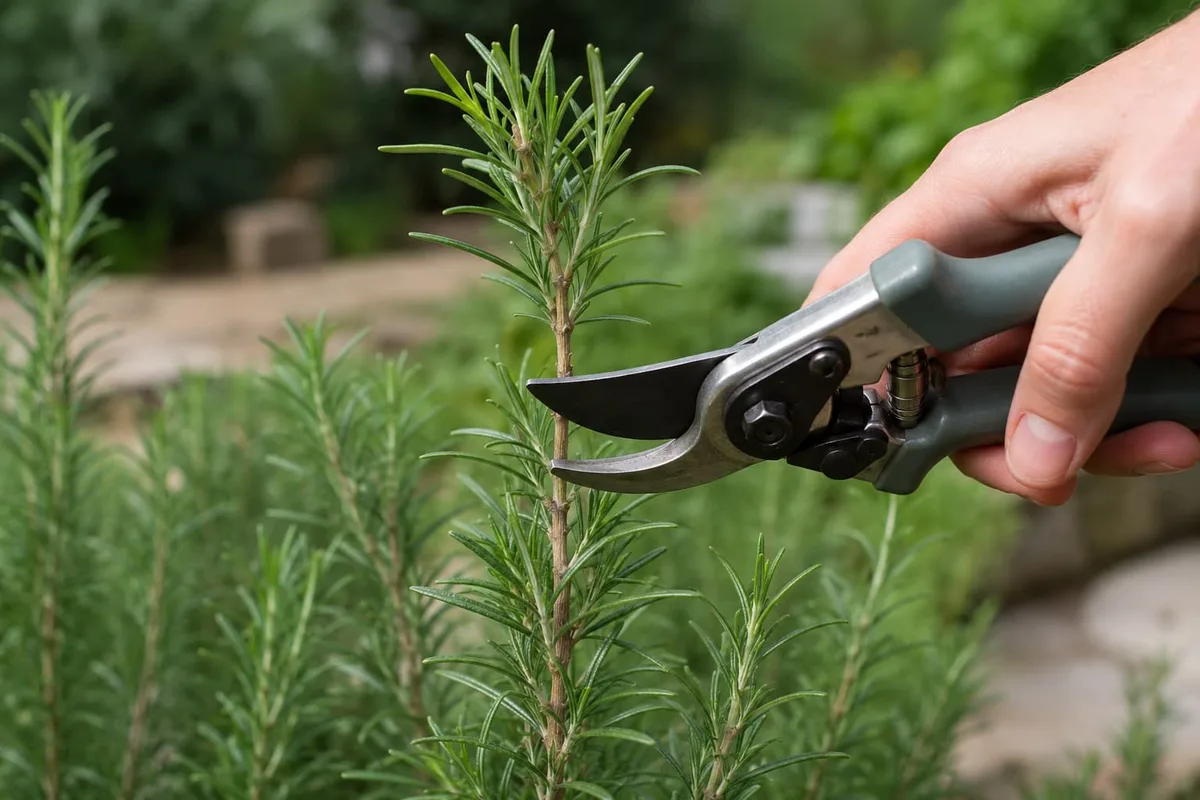
Look for stems where the leaves are dense and the stem itself is still green and flexible. That's the harvest zone. Follow a stem down until you feel it stiffen into woody material.
Cut about half an inch above a leaf node on the green part.
Never cut into the woody base. That brown section won't regrow. If you see a woody stump, leave it alone.
New shoots will rise from the sides if the plant is healthy.
For shaping, you can trim the very tips regularly, but for a real harvest, cut a full 4, 6 inch sprig. This gives you enough material to use fresh or dry.
How Much to Take: The One-Third Rule
Never remove more than a third of the plant's foliage in one go. That's the universal rule for woody herbs. Taking more stresses the plant and slows future growth.
It can even kill it if you're aggressive enough.
Between harvests, wait at least three to four weeks. This gives the plant time to push out new growth. If you need more rosemary than one plant can provide, grow two bushes instead of over-harvesting one.
Fresh Use vs. Drying: Two Workflows After the Cut
If you're cooking with fresh rosemary right away, rinse the sprigs and pat them dry. Store extras in a glass of water on the counter with a plastic bag over the leaves. They last about a week that way.
For drying, bunch four to five stems together, secure with a rubber band, and hang upside down in a dark, dry, ventilated spot. Air drying takes one to two weeks. A dehydrator at 95, 105°F finishes in about two to four hours.
If you freeze rosemary, strip the leaves and pack them loosely in a freezer bag. They stay flavorful for months. Chopping and freezing in oil works too, but watch for freezer burn on the oil surface.
Mistakes to Avoid: Common Errors That Hurt Your Plant
The number one mistake is cutting into the woody part. I see it all the time in garden forums. People snip a long branch that looks good, but they cut too far down.
That bare stick never leafs out again. It's just an eyesore.
Second mistake is over-harvesting from a young plant. Your rosemary needs at least a full growing season to build a strong root system. If you strip it in its first year, you might lose it entirely.
Harvesting in wet weather is another error. Water on the leaves and stems dilutes the essential oils and makes drying tricky. If you must harvest after rain, wait until the plant is fully dry on the outside.
Storing fresh rosemary incorrectly leads to quick spoilage. Rosemary wants airflow. Don't seal it in a plastic bag with no ventilation.
Use a paper towel wrap or the water glass method instead.
Finally, don't skip the sterilization step. If you've pruned a diseased plant elsewhere in the garden, your shears carry the pathogen. A quick alcohol wipe between plants prevents spread.
Pro Advice: Expert Tips for Bigger Yields and Healthier Plants
If you're serious about getting the most from your rosemary plant, here are a few things we've found from working with herb growers.
First, treat every harvest as a pruning session. Cutting just above a node forces two new branches. Over a season, regular tip harvesting doubles the plant's density and leaf production.
That's free yield.
Second, don't be afraid to cut back leggy branches. If a stem is getting long and spindly with leaves only at the tip, cut it back by half into the green zone. This encourages branching lower down.
Third, fertilize lightly after a major harvest. Use a balanced, slow-release herb fertilizer or compost tea. Rosemary isn't a heavy feeder, but it needs a little boost after losing a third of its leaves.
Fourth, harvest for flavor before the plant flowers. Flowering redirects energy from leaf production to seed production. If you want both, leave a few branches untouched and harvest the rest.
Fifth, rotate your harvest location. Don't keep snipping from the same side of the bush. Take a few stems from different areas each time.
This keeps the plant balanced and prevents a lopsided shape.
If you grow rosemary in a container, it dries out faster and needs more careful harvests. Never take more than a quarter of the plant from a potted rosemary. Container plants have limited root space to recover.
Frequently Asked Questions
How often can I harvest rosemary?
Every three to four weeks during the active growing season. That gives the plant enough time to push out fresh green growth. If you only take a few sprigs for cooking, you can harvest weekly without issue.
Just stay under the one-third rule.
Can I harvest rosemary in winter?
It depends on your climate. In USDA zones 8 and warmer, rosemary grows year-round and you can harvest lightly through winter. In colder zones, the plant goes semi-dormant.
Stop harvesting by late summer so it can harden off before frost.
Should I wash rosemary before drying?
Yes, but do it right. Rinse the sprigs in cool water and shake off the excess. Pat them dry with a clean towel.
Then let them air dry on a rack for a few hours before you hang them. Any leftover moisture can cause mold during drying.
What's the difference between cutting and pinching rosemary?
Pinching means using your fingernails to remove just the growing tip. It's good for shaping and encouraging bushiness. Cutting with shears is better for a real harvest where you take a full 4 to 6 inch sprig.
Shears give a clean cut that heals faster.
Can I harvest rosemary after it flowers?
Yes, but the flavor won't be as strong. Flowering redirects the plant's energy and reduces the essential oil concentration in the leaves. If you want the best culinary quality, harvest before the blooms open.
The flowers are edible too, by the way.
How do I store fresh rosemary for the longest shelf life?
Put the stems in a glass of water like cut flowers. Cover the leaves loosely with a plastic bag and keep it on the counter. Change the water every couple of days.
This method keeps rosemary fresh for up to two weeks.
Final Recommendation: A Simple Decision Guide for Every Rosemary Grower
Let's bring this all together with a clear set of rules. Use this quick guide whenever you walk out to the garden with shears in hand.
If your plant is under six months old or less than eight inches tall: Don't harvest. Let it establish. You can pinch the very tip to encourage branching, but that's it.
If your plant is established and healthy: Cut 4 to 6 inch sprigs from the green growth zone. Cut just above a leaf node. Take from multiple sides of the plant.
Never remove more than one-third of the foliage.
If you're harvesting for drying: Choose a dry morning after the dew has evaporated. Cut longer sprigs, 6 to 8 inches. Bunch them and hang in a dark, ventilated space.
Wait for full crispness before stripping the leaves.
If you're harvesting for fresh cooking: Take what you need for the meal. Rinse and pat dry. Store extras with stems in water.
Use within a week for the best flavor.
If you see woody, bare stems on your plant: Leave them alone. New growth won't come from that wood. Focus your harvest on the green tips and side shoots.
If the plant gets too leggy, cut back some green stems to force branching lower down.
If you live in a cold climate: Time your final harvest for late summer. This lets the plant toughen up before frost. Consider growing rosemary in a container so you can bring it indoors for winter harvests.
That's really all there is to it. Harvesting rosemary is simple once you understand how the plant grows. Cut in the green, leave the wood alone, and never get greedy with the amount you take.
Follow those three rules, and your rosemary will keep producing flavorful sprigs for years.