Harvesting lavender at the wrong time is the single biggest reason people end up with brown, scentless bundles or moldy stems. The window between "not ready" and "too late" is surprisingly narrow, and it shifts depending on your variety and what you actually plan to make. If you've ever cut a handful of lavender only to watch the petals fall off before they even dried, you know exactly what I mean.
Research from university horticulture programs shows that the optimal harvest window for most lavender varieties lasts just 3 to 7 days per flush. Miss that window by even a few days and you lose color intensity, fragrance potency, and the structure that makes dried bunches hold their shape. Let's break down exactly when to cut, how to decide, and what to do with it once you've got it.
Quick Answer
Harvest lavender when the lower flowers on each spike have opened but the upper buds are still closed. Cut stems 12 to 18 inches long. Strip lower leaves.
Bundle in groups of 50 to 100 stems. Hang upside down in a dark, dry, ventilated space for 1 to 4 weeks.
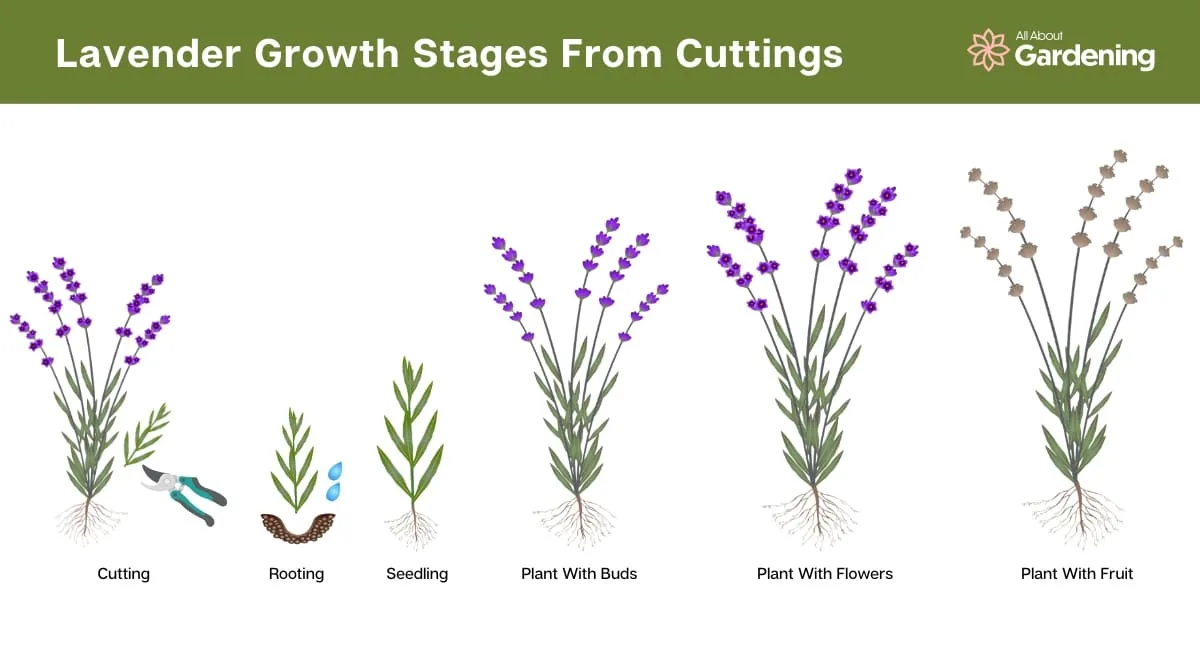
Image source: Bing (Web (fair-use with source credit))
When to Harvest Lavender: The Golden Window
The exact timing depends on two things: your local climate and the specific lavender variety you're growing. But the visual cue is the same across almost every type.
Watch the flower spike. When the bottom third to half of the tiny buds have opened and the rest are still tightly closed, that's your signal. If all the buds are open, you're already too late for dried bundles, the petals will shatter.
If all buds are still tightly green, the scent hasn't developed fully.
For English lavender (Lavandula angustifolia), this window tends to fall in late spring to early summer, usually June in most US hardiness zones 5 to 7. Lavandin (Lavandula × intermedia), which flowers a bit later, pushes that window into midsummer. In warmer zones like 8 or 9, you might see a second flush in late summer.
Check your plants every morning during the blooming period. Morning is when the oil concentration is highest and the stems are most turgid. A simple test: gently squeeze a bud cluster between your fingers.
If it feels springy and a faint scent clings to your skin, you're in the zone.
First, What's Your Goal? (Three Branches)
Your intended use changes everything, not just when you harvest but how you cut, bundle, and dry. This is where most generic advice falls apart. Let's walk through the three most common scenarios.
Branch 1: You Want Dried Bouquets or Bundles
This is the classic goal. For dried arrangements that hold color and scent for months, harvest when the lower buds have just started to open. Cut stems as long as possible, 18 inches if the plant can spare it.
Strip the leaves off the lower half of each stem immediately. Leaves trap moisture and cause mold during drying.
Bundle stems in groups of 50 to 100, securing them with a rubber band. Rubber bands are better than string because they contract as the stems shrink. Hang the bundles upside down in a dark shed or closet with good airflow.
Direct sunlight fades the color fast.
Branch 2: You Want Culinary Lavender
For cooking or baking, harvest at the same visual stage, lower buds open, upper buds closed. But you need to handle the stems differently. Do not let the lavender sit in the field after cutting.
Bring it inside right away.
Wash the stems briefly in cool water to remove dust or insects, then pat them dry gently with a clean towel. Hang strings of stems upside down away from light until completely dry. Once dry, strip the buds off the stems and store them in an airtight jar in a dark cupboard.
Culinary lavender should be used within a year for best flavor.
Branch 3: You Want Essential Oil
If you're distilling your own lavender oil, wait until about half the buds on each spike are open. That's when the oil content peaks. English lavender has 0.5 to 1.5% oil by fresh weight, while lavandin can reach 1.5 to 3%.
Harvest in the morning after the dew has dried but before the heat builds.
You'll want a much larger volume of plant material. A typical small home still needs 3 to 5 pounds of fresh lavender per batch. Cut stems at the base, removing as many leaves as you can.
Leaves have lower oil concentration and can introduce grassy notes to the final product.
How to Harvest Lavender (Step by Step)
Now that you know your goal, here's the hands-on process. You need a pair of sharp pruning shears or garden snips, a clean bucket or basket, and rubber bands.
Step one: sanitize your cutting tool. Dip the blades in rubbing alcohol or a 10% bleach solution. This prevents spreading fungal diseases between plants.
As of 2026, this step is still overlooked by most home growers, and it's one of the easiest ways to protect your lavender patch.
Step two: choose your stems. Look for spikes where the lower third of the buds have opened and the rest are still tight. Cut the stem at an angle, about one to two inches above the woody base.
Never cut into the woody part, that area doesn't regrow well and can kill the plant over time.
Step three: strip the leaves. Run your fingers down each stem to remove leaves from the bottom half. Leave the top foliage and buds intact.
Dropped leaves on the ground can attract pests, so collect and discard them.
Step four: bundle and secure. Group stems of similar length together. Wrap a rubber band tightly around the cut ends.
Don't make bundles thicker than a 2-inch diameter. Thicker bundles trap moisture in the center and rot before they dry.
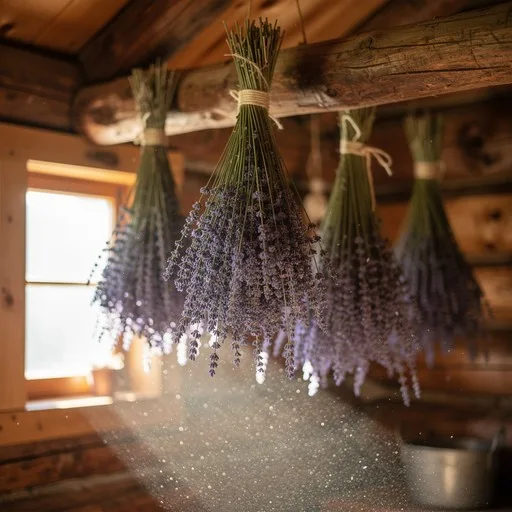
Image source: Web (Bing) / stockcake.com (Web image (fair-use with source credit))
Drying Lavender: What Method Fits Your Space?
The fastest way to ruin a good harvest is drying it wrong. Here are the three most reliable methods, ranked by space requirements.
Hanging bundles is the gold standard. It requires a dark, dry room with good air circulation. A spare closet, a shed, or a screened porch works well.
Hang the bundles upside down from a line or a drying rack. Space them a few inches apart so air can move freely around each bundle. Drying takes 1 to 3 weeks for English lavender and 2 to 4 weeks for lavandin, which has thicker stems.
If you don't have hanging space, use a mesh drying screen. Lay stems in a single layer on a screen or a clean window screen. Place it in a dark room with a fan running on low.
Turn the stems every few days. This method is slower, up to 5 weeks, but works well for small harvests.
Avoid dehydrators unless you need speed for culinary use. A dehydrator set to 95°F (35°C) can dry lavender in 12 to 24 hours, but the rapid heat pulls out more fragrance than air drying. If you use a dehydrator, keep the temperature low and check every few hours.
5 Critical Mistakes That Ruin a Harvest
Even experienced growers make these errors. Here's what to watch for.
One: harvesting too late. If you wait until the whole spike is in full bloom, the petals will fall off as soon as you move the stems. You end up with naked stems and a pile of purple dust.
The rule is simple: cut when the lower third is open, regardless of what the upper buds are doing.
Two: washing lavender before drying. Water trapped between buds creates a perfect environment for mold. If the plants are dusty, rinse them quickly and shake off excess moisture.
Then dry them on a towel for an hour before bundling. But honestly, if you harvest after a dry spell, you don't need to wash at all.
Three: bundling too thick. A bundle thicker than your thumb is too thick. The center stems will stay damp while the outer ones dry, leading to mildew.
Smaller bundles dry faster and more evenly.
Four: drying in direct sunlight. Lavender left in the sun turns pale brown and loses almost all its fragrance. The ultraviolet light degrades the essential oils quickly.
Always dry in complete darkness.
Five: cutting into old wood. Lavender doesn't sprout new growth from woody stems. If you cut into the brown, bark-like base, that branch is done.
Leave at least two sets of green leaves below your cut so the plant can regrow next season.
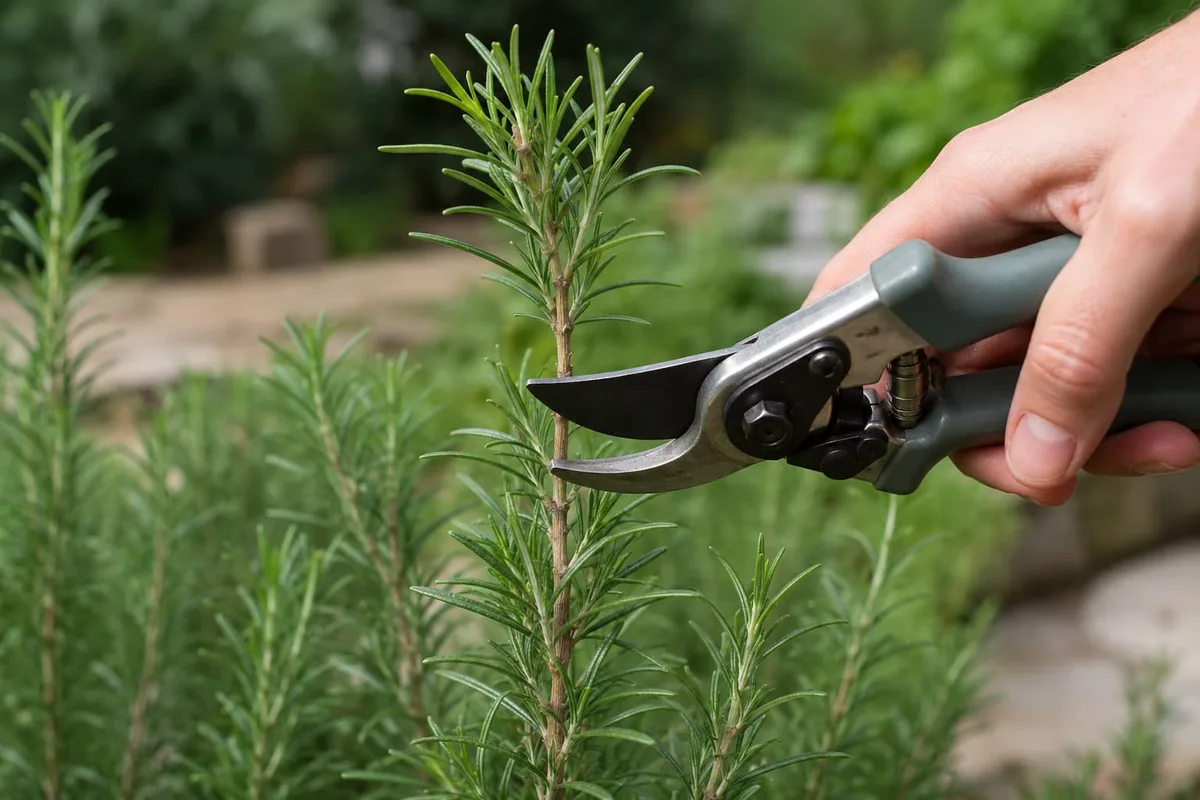
Image source: Web (Bing) / amazon.com (Web image (fair-use with source credit))
Expert Tips for Better Color, Scent, and Regrowth
A successful harvest doesn't end when the stems are cut. The choices you make right after, and even the care you give the plant afterward, determine whether next year's crop will be just as strong. Here are the details that separate a good crop from a great one.
Stop the leaves from turning brown. If you notice the leaves on your drying bundles turning brown or black, the humidity in your drying space is too high. Move the bundles to a drier room and add a small fan on low. A dehumidifier works even faster.
The ideal relative humidity for drying lavender is below 50%.
Use a second rubber band after a week. As stems shrink, the first rubber band loosens. After about 7 to 10 days, add a second rubber band around the bundle, just above the first one. This keeps the bundle tight and prevents stems from slipping out.
Save the lavender dust. When you strip dried buds from stems or handle bundles, a fine purple powder collects at the bottom of your container. That dust is pure fragrant resin. Collect it and use it in sachets, bath salts, or as a gentle natural dye.
Help the plant regrow. After you've taken the main harvest, trim any remaining flower spikes that you missed. Cut them back to just above a leaf node. This encourages the plant to push new growth from the base.
For English lavender, this often triggers a second, smaller flush in late summer. Water the plants well after harvest and add a light layer of compost around the base, but keep it away from the crown.
Store dried lavender properly. Once the stems snap cleanly when bent, the lavender is fully dry. Strip the buds off the stems for culinary or sachet use. Store the buds in airtight glass jars in a dark cabinet.
Whole bundles stay fresh longest if you keep them in a paper bag inside a cool, dark closet. Avoid plastic bags, they trap residual moisture and dull the scent.
Frequently Asked Questions
Can I harvest lavender in the first year after planting?
You can, but it's better to wait until the second year. First-year plants need all their energy to establish roots. If you must harvest, take only a few stems and leave most of the growth intact.
How do I know if my dried lavender is fully dry?
The stems should snap cleanly when bent, not bend or crack partway. The buds should feel dry and slightly rough to the touch. If the buds still feel soft or cool, they need more drying time.
What's the best way to store dried lavender for cooking?
Strip the buds from the stems into an airtight glass jar. Keep the jar in a dark cupboard away from heat and light. Use within 12 months for the strongest flavor.
Label the jar with the harvest year.
Why did my lavender turn brown after drying?
Brown discoloration usually means the lavender was harvested too late, dried in direct sunlight, or exposed to high humidity. The scent is often still usable for oil or sachets, but the visual quality is lost.
Can I harvest lavender after it has fully bloomed?
You can, but the petals will shatter easily and the fragrance will be weaker. If you missed the window, cut the stems for fresh arrangements or for distilling oil rather than drying.
Should I cut back the whole plant after harvesting?
No. Only cut the flower stalks. Leave the green foliage untouched.
Cutting into the woody, leafless stems can kill the plant or prevent regrowth next season.