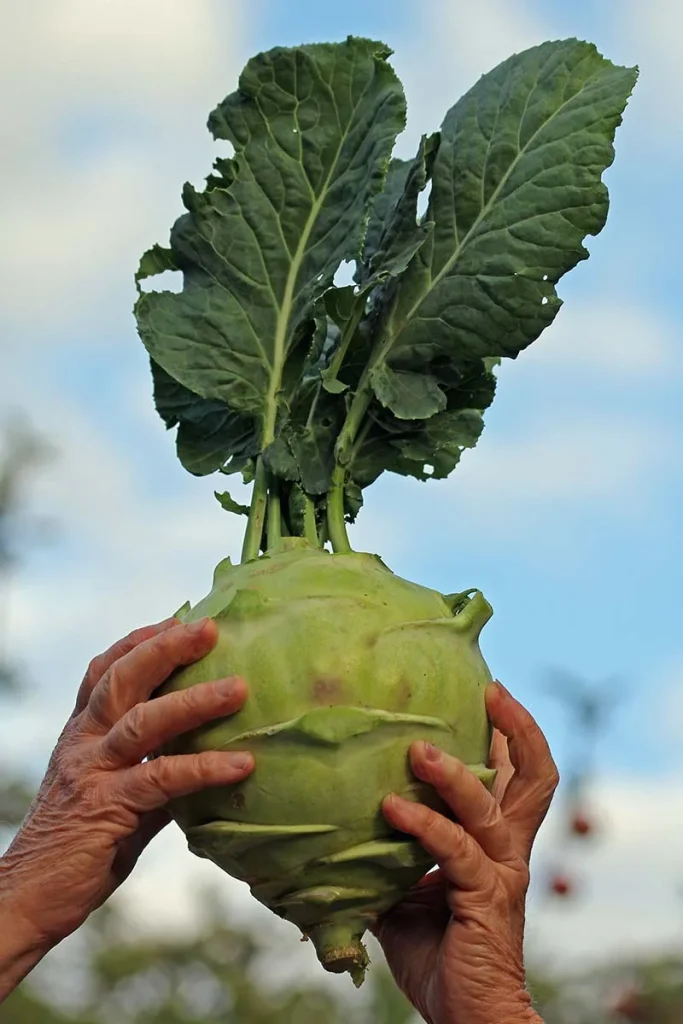
You've babied your kohlrabi for weeks. Now you're staring at a fat green bulb, and the big question is whether it's actually ready. Harvesting kohlrabi comes down to a few quick checks you can do in under a minute.
Pull too early and you get a bland, tiny reward. Pull too late and you're chewing on garden wood.
The sweet spot for most standard varieties sits between 2 and 3 inches across, roughly the size of a tennis ball. Some types, like 'Kossak', can push past 6 inches without turning woody. As of 2026, that range still holds true in university trials.
Here's how to decide what's ready for the kitchen, and what should stay in the ground.
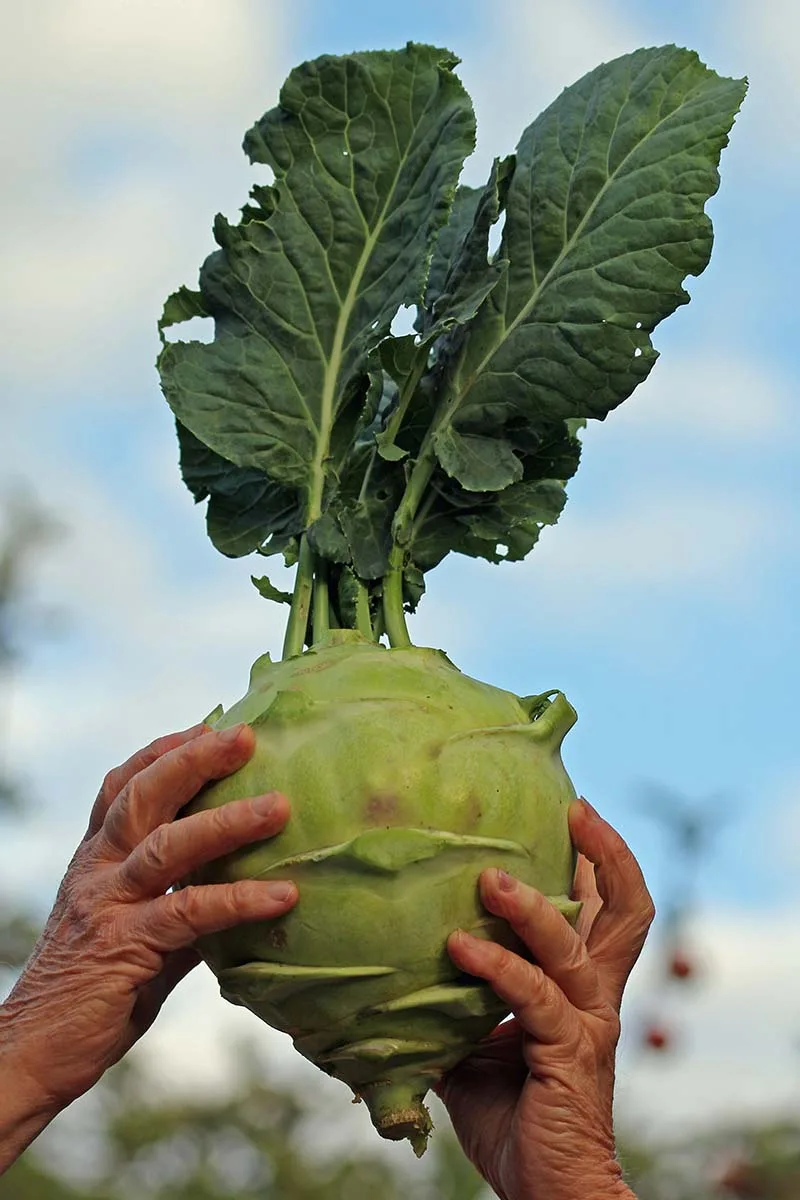
Image source: Web (Bing) / gardenerspath.com (Web image (fair-use with source credit))
Quick Answer
Harvest kohlrabi when the bulb reaches 2 to 3 inches wide. Firmness matters more than size. The bulb should feel solid and heavy.
Cut the stem one inch above the bulb. Harvest before it cracks or turns woody.
The Real Problem: Woody, Inedible Kohlrabi (And How to Avoid It)
You'll know overmaturity the second your knife goes through the bulb. Instead of a clean, crisp cut, you get resistance. The flesh looks pale and fibrous, almost like bamboo.
That's the hallmark of a kohlrabi that waited too long in warm soil.
The real culprit isn't age alone. It's temperature and water stress. Kohlrabi grows best in cool, steady conditions.
When a hot spell hits, the plant shifts from building tender storage tissue to bolting. Inconsistent watering piles on, causing bulbs to split and crack.
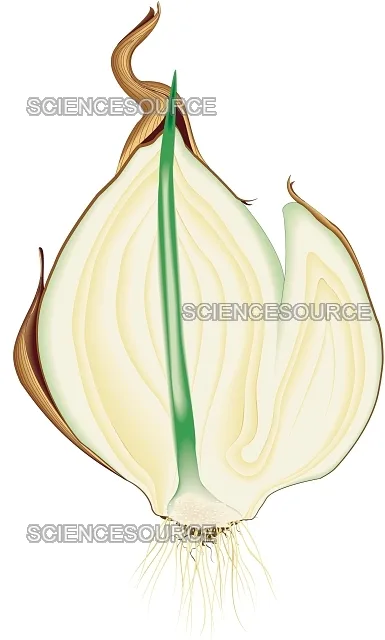
Image source: Web (Bing) / sciencesource.com (Web image (fair-use with source credit))
How do you catch it early? Give the bulb a gentle squeeze. A ready kohlrabi feels firm and dense, with zero give.
A woody one feels rock-hard all over. But a spongy bulb is also a red flag. That means the interior is already drying out and turning mealy.
University extension guides from the University of Minnesota put the prime harvest window at just 5 to 10 days for fast spring varieties. Miss that window, and you're eating the garden equivalent of cork. Check again in three or four days if you're borderline.
How to Tell If Your Kohlrabi Is Ready? The Key Decision Points
Here's the decision tree that works for every variety. Check these three things in order. If they all line up, harvest now.
If not, wait a few days.
1. Size check. Gently brush soil away where the bulb meets the roots. Is it at least 2 inches across?
Standard varieties peak between 2 and 3 inches. Gigantic types like 'Superschmelz' are worth waiting on until 4 inches.
2. Firmness check. Press the bulb with your thumb right at soil level. It should be dense and unyielding.
If your thumb leaves a dent, the plant is underwatered or past its prime. Use firmness as the tiebreaker, since it tracks tenderness better than size alone.
3. Leaf check. Look at the base of the stems where they attach to the bulb. Yellowing or drooping leaves mean the plant is signaling the end of its eating window.
Here's the if/then logic in plain terms:
- Size right and bulb firm: harvest now.
- Size right but bulb soft: wait two days.
- Bulb small but leaves yellowing: check for pests, not maturity.
- Bulb feels spongy anywhere: harvest immediately and eat within days.
One note: kohlrabi bulbs naturally sit halfway above the soil. That's normal, not a sign of bolting. Still unsure?
Wait two days and re-check. Bulbs grow fast in cool weather, sometimes a full half-inch overnight. If temperatures spike above 80°F, harvest right away.
Heat triggers the woody shift fast.
Small vs. Large Varieties: Does Size Even Matter?
You've probably seen photos of kohlrabi the size of a melon and wondered why yours went woody at the size of an egg. Because you're growing different plants. Variety genetics determine the harvest window, and plenty of new gardeners miss that.
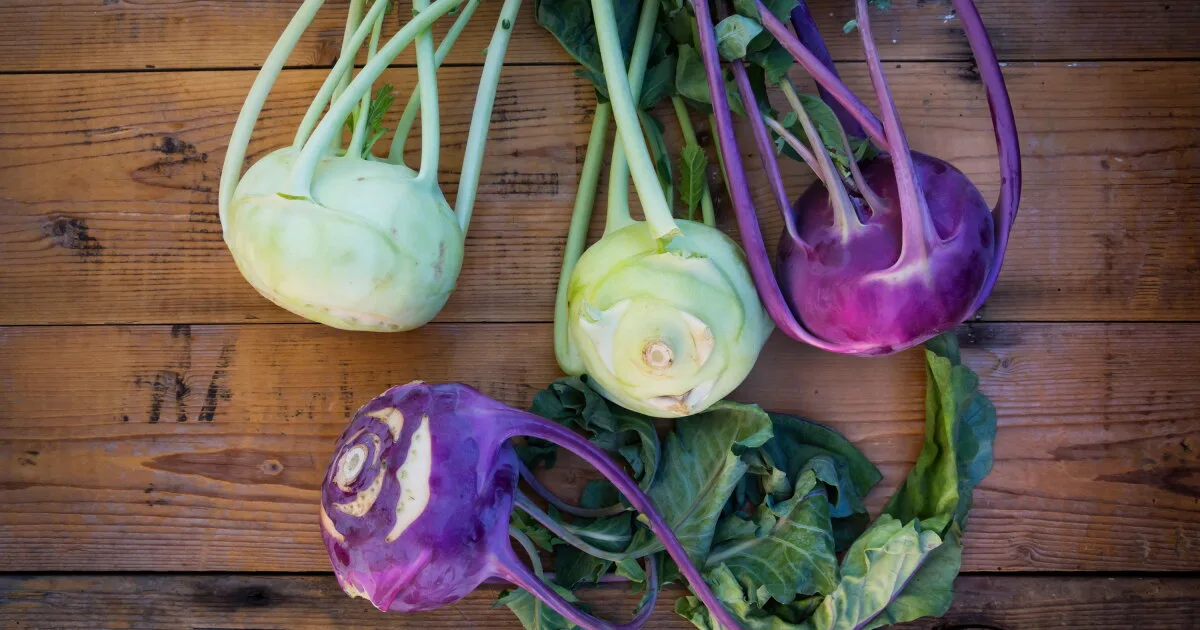
Image source: Bing (Web (fair-use with source credit))
Standard varieties, like 'Early White Vienna' and 'Kolibri', are bred for quick cool-season harvests. Pick them between 2 and 3 inches. Let standard types grow longer, and they turn into wooden pucks.
That's not a failure. It's the plant's natural maturity.
Large varieties are a different story. 'Kossak' and 'Superschmelz' were bred in Germany for late-season storage. They're genetically slower to get woody, which means they stay tender up to 5 or even 6 inches.
If you wait on 'Kossak' until 2 inches, you're leaving half the crop in the ground.
| Variety Type | Examples | Ideal Bulb Diameter | Flavor |
|---|---|---|---|
| Standard | Early White Vienna, Grand Duke, Kolibri | 2 to 3 inches (5 to 8 cm) | Sweet, crisp, mild |
| Giant/storage | Kossak, Superschmelz | 4 to 6 inches (10 to 15 cm) | Dense, slightly nutty |
| Baby/mini | Any variety, harvested early | 1 to 1.5 inches (2.5 to 4 cm) | Extra sweet, thin skin |
The takeaway is simple. If you want giant bulbs, buy giant varieties. If you own standard seeds, don't push them past 3 inches.
The size isn't the problem. The genetics decide.
Is It Just Leaves, or a Freeze? (The Two Most Common Curveballs)
Two situations throw off the simplest harvest plan. The first is the leaf question. The second is the freeze question.
Both are easy once you know the rule.
The leaf curveball. Kohlrabi leaves are edible, and in many dishes they're tastier than the bulb. They taste like a mild cross between kale and collards. You can harvest some leaves while the bulb keeps growing.
Take only the outer leaves, never more than a third of the plant at once. Strip too much, and the bulb stalls. Harvest leaves every 7 to 10 days.
If the plant shoots up a flower stalk, that's bolting. Flavor drops fast. Pull the whole plant and eat it.
The freeze curveball. Light frost works wonders on kohlrabi. It converts starches into sugars, just like kale and parsnips. A night around 30°F improves the flavor.
But a hard freeze, below 28°F for several hours, can turn the interior to mush. Check the forecast. If the National Weather Service is calling for a hard freeze warning, harvest everything the morning before.
If you're only expecting a light touch of frost, leave the bulbs in the ground and let them sweeten.
Here's the if/then for both curveballs:
- Leaves growing thick, bulb still small: harvest just a few outer leaves.
- Leaves yellowing at the base: bulb is at peak, harvest soon.
- Frost predicted at 30°F: leave it, flavor improves.
- Frost predicted below 28°F: harvest everything now.
One storage note: frosting in the ground is one thing. Frosting in your fridge is different. Keep harvested bulbs above 32°F.
The Right Way to Harvest Kohlrabi (Step-by-Step)
Once you've made the call, harvesting takes about thirty seconds per plant. Do it right, and the bulbs store for weeks. Do it sloppy, and you'll be eating bruised, shriveled kohlrabi within a week.
Step 1. Cut the stem, don't pull the plant. This is the most common mistake we see. Support the bulb with one hand.
With the other, make a clean cut one to two inches above the bulb. Leave the roots attached. They keep the bulb from drying out during storage.
Pulling the whole plant creates a wound that invites rot.
Step 2. Trim the leaves right away. Leaves draw moisture out of the bulb fast. Cut them off, leaving about an inch of stem on the bulb.
Don't wash the bulb yet. Water on the skin shortens storage life.
Step 3. Store the right way. Keep unwashed bulbs in a plastic bag in the fridge at 32 to 40°F. They'll hold for two to four weeks.
For longer storage, trim the roots, pop the bulbs into a high-humidity root cellar bag. They'll keep for months. Treat the leaves like spinach, wash, dry, and refrigerate in a separate container.
Pro rhythm: harvest in the cool morning. Bulbs are fuller and crisper before the sun pulls moisture out. Sharp knives matter too.
A clean cut heals better and stores longer than a torn stem.
Common Harvesting Mistakes (And How to Fix Them on the Next Try)
The most common mistake is pulling the whole plant instead of cutting. Yanking tears the bulb's skin and leaves a jagged root end. That open wound invites bacteria.
Next time, use sharp shears and cut an inch above the bulb.
The second mistake is washing bulbs before storage. Water on the skin creates a humid microclimate in the bag. Molds and soft rot develop fast.
Keep bulbs unwashed until you are ready to cook. Brush off loose soil with your hand.
Another error is ignoring the outer leaves as a signal. We covered this earlier, but it bears repeating. If the lowest leaves are yellowing and the bulb is undersized, check for root maggots or nutrient stress.
Do not assume the bulb just needs more time.
Splitting is the fourth common mistake. Cracks in the bulb happen when the plant gets a big drink after a dry spell. The sudden rush of water makes the interior expand faster than the skin.
The fix is consistent watering, especially during the two weeks before harvest.
Finally, many gardeners wait too long on standard varieties. A 3.5-inch 'Early White Vienna' is tough. A 3-inch one is perfect.
Harvest on the early side if you are unsure. Tender kohlrabi at 2 inches beats woody kohlrabi at 4 inches.
Your Kohlrabi Harvesting Cheat Sheet (Decision Guide + FAQ)
Here is the entire decision process in one quick reference. Use this when you are standing in the garden with a question.
Bulb size check. Is it 2 inches for standard types or 4 inches for giants? Yes, move to firmness. No, wait three days.
Firmness check. Does the bulb feel solid with zero give? Yes, harvest now. No, check watering.
Leaf check. Are the lower leaves yellowing? Yes, harvest within two days. No, the plant is still building.
Weather check. Is a hard freeze below 28°F coming? Yes, harvest everything now. No, leave it for sweeter flavor.
How do I know if my kohlrabi is too old to eat?
Give the raw bulb a sniff. An off smell means decay. Slice into it.
If the flesh shows dark rings or a spongy core, compost it. Overmature kohlrabi is safe but unpleasant.
Can I eat kohlrabi leaves?
Yes. They taste like a mild kale and are excellent sauteed or steamed. Harvest only the outer leaves, never more than a third at a time.
Leaves store separately in the fridge for up to five days.
Should I wash kohlrabi right after harvesting?
No. Store unwashed bulbs in a plastic bag in the fridge. Brush off dirt but keep the skin dry.
Wash only right before cooking. Wet bulbs rot faster.
How long does kohlrabi last in the fridge?
Two to four weeks is typical for standard varieties. Keep them in the crisper drawer at 32 to 40°F. Trim the leaves first.
Leave the roots attached for longer storage.
What happens if I leave kohlrabi in the ground too long?
The bulb gets woody and stringy. The texture turns fibrous, like a tough turnip. Leaves may yellow and the plant may bolt.
Harvest on time or grow a giant variety that stays tender longer.
Can I harvest kohlrabi after frost?
Yes, light frost improves the sweetness. Harvest after a frost at 30°F but before a hard freeze below 28°F. Frozen bulbs turn mushy and are not worth saving.