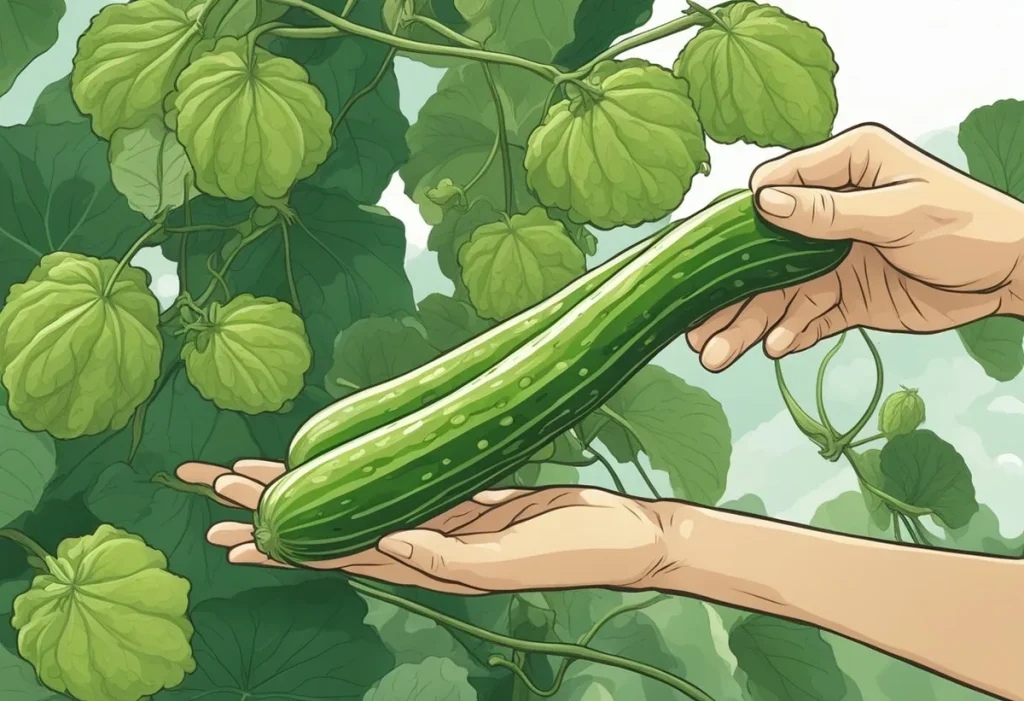
Here is the article content, including the opening, the Quick Answer, and the first five H2 sections from the approved TOC.
Harvesting cucumbers is one of those garden tasks that seems too simple to mess up. But the reality is that the window between a perfect, crisp cucumber and an overripe, bitter one is surprisingly narrow. Miss it by a day or two, and the plant may interpret that mature seed as a signal to stop producing new fruit.
Our research, which draws on cooperative extension guidelines from major agricultural universities, shows that a slicing cucumber typically goes from fruit set to prime harvest in about 7 to 10 days. The last 24 to 48 hours make all the difference in texture and flavor. Here is a practical decision workflow to help you get it right every time.
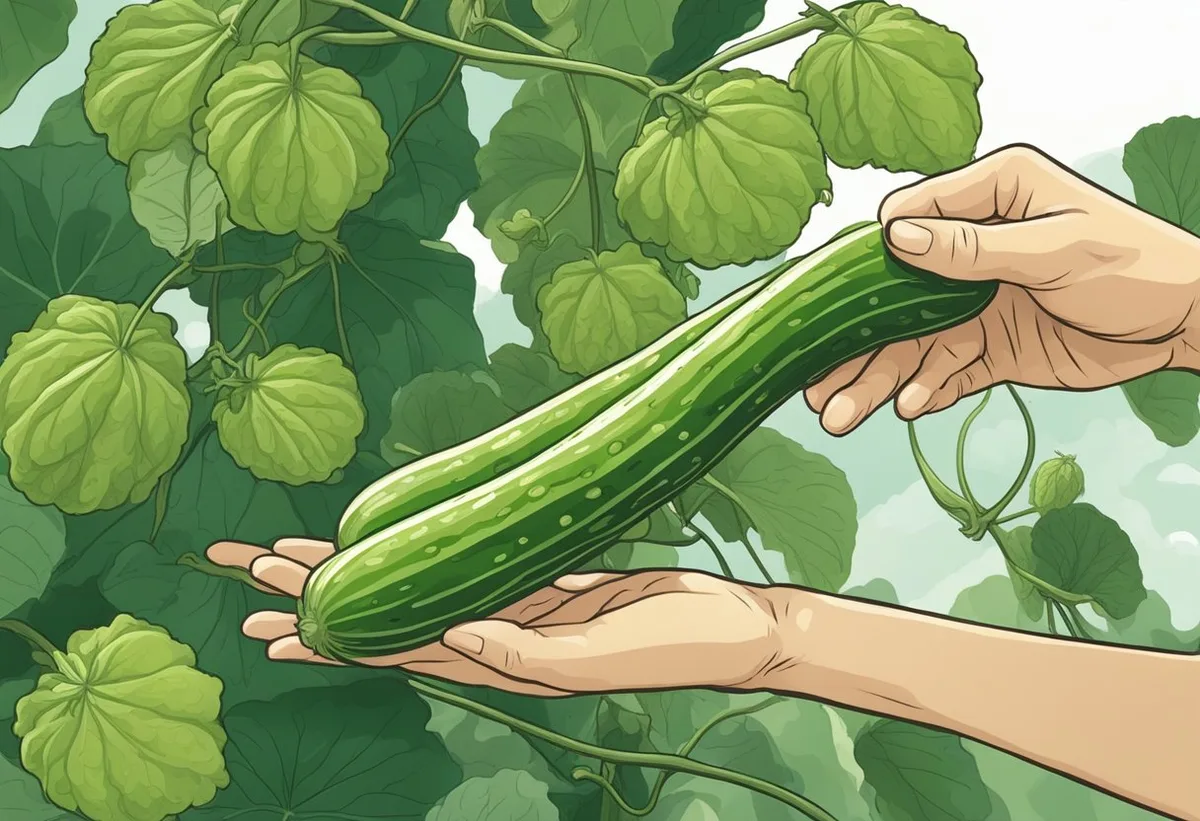
Image source: Web (Bing) / evergreenseeds.com (Web image (fair-use with source credit))
Quick Answer
Harvest cucumbers when the fruit is firm, evenly green, and at the correct size for its variety. Check your plant daily. Cut the stem with garden snips, never pull the fruit.
Pick before any yellowing appears. Consistent harvesting keeps the plant producing for weeks instead of shutting down early.
The Real Problem: That "Just Right" Window Is Surprisingly Small
Most people think cucumbers keep getting better the longer they stay on the vine. That is not true. Once a cucumber reaches its mature size, the plant starts shifting energy away from new flowers and toward ripening those seeds.
The problem is that this shift happens fast. A cucumber can go from perfect to past-prime in about two days. If you miss that window, the fruit turns bitter, the skin gets tough, and the seeds harden.
Worse, the whole plant pulls back on production. You get fewer cucumbers over the rest of the season.
The chart below shows the ideal harvest window for common cucumber types. Use it as a quick reference when you are out in the garden.
| Cucumber Type | Ideal Length | Days from Flower to Harvest | Key Ripeness Cue |
|---|---|---|---|
| Slicing (standard) | 6–8 inches | 7–10 | Deep green, firm, tapered ends |
| Pickling | 2–4 inches | 4–5 | Firm, bright green, no yellow |
| English (hothouse) | 10–12 inches | 8–12 | Slight give, very dark green |
| Lemon | 2–3 inches | 6–8 | Pale yellow, round, firm |
The number one mistake beginners make is letting cucumbers grow "just a little more." Do not do it. When the fruit hits that size range and feels firm, pick it immediately.
Core Factors: Your Cucumber Variety Changes Everything
Not all cucumbers follow the same timeline. The variety you planted is the single most important factor in deciding when to harvest. If you do not know what you planted, you are guessing.
And guessing usually leads to overripe fruit.
Slicing vs. Pickling vs. English vs. Specialty
Slicing cucumbers are the standard dark green, blocky fruit you find in grocery stores. They are ready at 6 to 8 inches long. Pickling varieties, on the other hand, are bred to be harvested small.
Many picklers need to be picked at 2 to 4 inches, before the skin thickens. Let them grow to 6 inches and they turn into tough, seedy slicing cucumbers.
English or hothouse cucumbers are long, thin, and nearly seedless. They get harvested at 10 to 12 inches. They do not develop bitterness as quickly as other types, but they still need daily checks.
Specialty types like lemon cucumbers or Armenian yard-longs have their own cues. Lemon cucumbers are ready when they are pale yellow and about the size of a tennis ball.
Bush vs. Vining – Does It Affect Harvest Timing?
Bush varieties produce all their fruit in a shorter window, often 3 to 4 weeks. You need to check them even more frequently because many fruits ripen at once. Vining varieties produce over a longer period, sometimes 8 to 10 weeks, but the fruit hides under the leaves.
You have to lift foliage to find them.
Neither type is harder to harvest. But knowing which one you have tells you how aggressive your checking routine needs to be.
The Daily Decision Workflow: What to Look For
Once the plant starts setting fruit, you need to look at three conditions every day: the fruit itself, the weather, and the plant's overall health. Here is how to evaluate each one.
Condition 1: What Stage Is This Fruit At?
Look at the size, color, and firmness. If the cucumber is at the right length for its variety, feels firm but not rock hard, and is a consistent green (or pale yellow for lemon types), pick it. If it is still too small, leave it and check again tomorrow.
If the fruit has started to turn yellow or orange at the blossom end, it is overripe. Pick it immediately and remove it from the area. Even if you do not want to eat it, getting it off the vine stops the plant from wasting energy on seed maturation.
Condition 2: What Is the Weather Doing?
Heat speeds everything up. In temperatures above 85°F, a cucumber can go from prime to overripe in a single day. After a heat wave, check twice per day.
Cooler weather slows the process down. You might get 10 to 12 days between flower and harvest instead of 7.
Also watch for water stress. Drought or inconsistent watering causes misshapen fruit and bitterness. It does not change the harvest timing directly, but it makes the decision harder because the fruit might feel tough before it is actually mature.
Condition 3: What Is the Plant Telling You?
A healthy plant with lots of new flowers means it is still in production mode. Keep picking actively. If you see fewer flowers or the vine looks stressed from disease or heat, you may have a shorter window to get the remaining fruit.
Harvest anything that is close to size, even if it is slightly smaller than ideal.
Decision Flowchart (Text Version)
- Fruit at ideal size, firm, green → Pick now.
- Fruit near ideal size but weather is very hot → Pick now. Do not risk it.
- Fruit small, flowers healthy, soil moist → Wait. Check tomorrow.
- Fruit yellowing or soft at any size → Pick now (overripe). Remove from plant.
- Fruit looks good but plant has few flowers → Pick now. Plant may be shutting down.
The rule is simple. When in doubt, pick it. A slightly smaller cucumber tastes much better than an overripe one, and harvesting early signals the plant to keep making more.
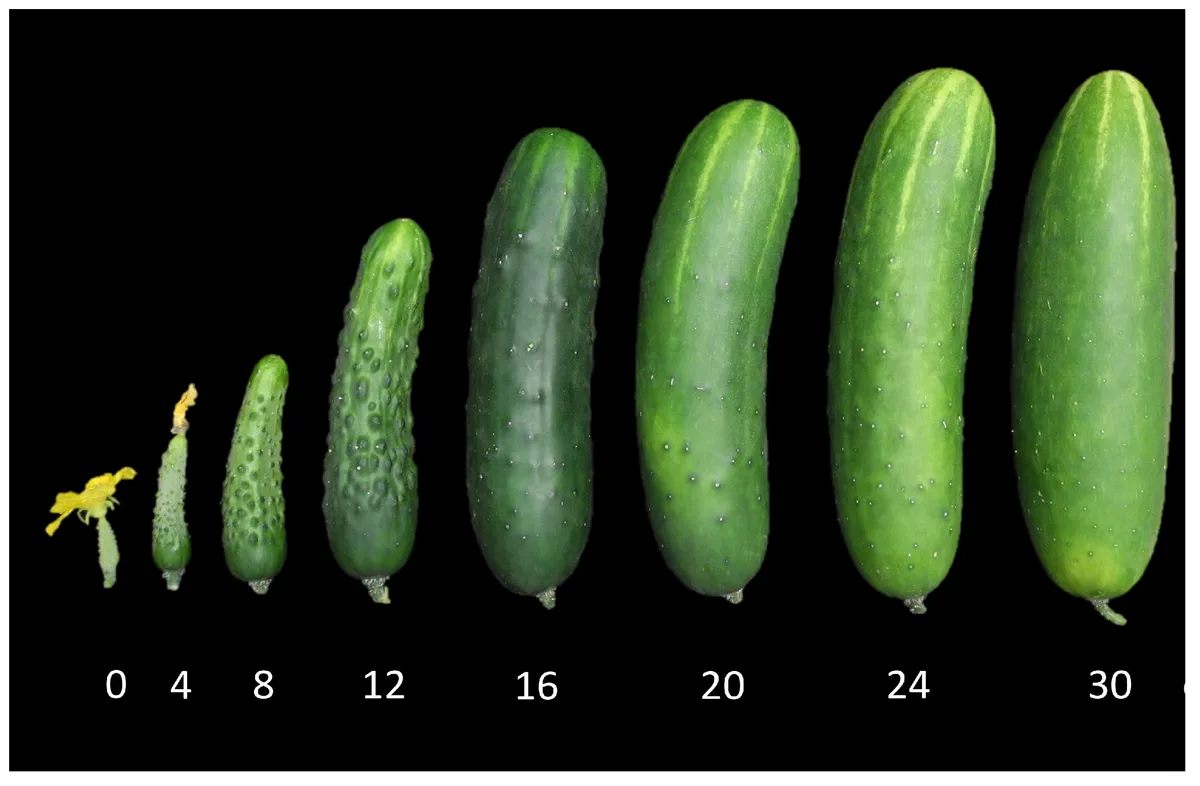
Checking color and size is the fastest way to decide if a cucumber is ready.
How to Pick: The Right Tool and Technique
Using the wrong technique when you pick can damage the vine and reduce future harvests. Pulling or twisting a cucumber off the plant often tears the stem and leaves a wound that invites disease. Use a sharp tool instead.
What You Need
A pair of pruning shears or garden snips works best. Clean them with rubbing alcohol before you start to avoid spreading any pathogens between plants. Keep the tool in your pocket or basket while you walk through the patch so you always have it ready.
The Technique
Grip the cucumber gently in one hand. Do not squeeze. You are just steadying it.
With the other hand, cut the stem about half an inch above the top of the fruit. That small stem stub protects the cucumber from rot during storage.
Lower the fruit into your basket or container. Do not drop or toss it. Cucumbers bruise easily, and bruised spots rot quickly.
What Not to Do
Do not pull the fruit downward. Do not twist it. Do not yank it sideways.
All three actions can tear the vine or break the main stem. A damaged stem may stop producing flowers at that node, reducing your total yield.
Handling After Picking
Rinse the cucumbers just before you eat or process them. Washing them before storage introduces moisture that speeds up spoilage. Store unwashed cucumbers in the refrigerator in a perforated plastic bag or wrapped in a paper towel.
They stay fresh for 3 to 5 days this way.
If you have too many to use fresh, consider pickling within 24 hours of harvest. The texture stays crisp, and you avoid wasting a good crop.
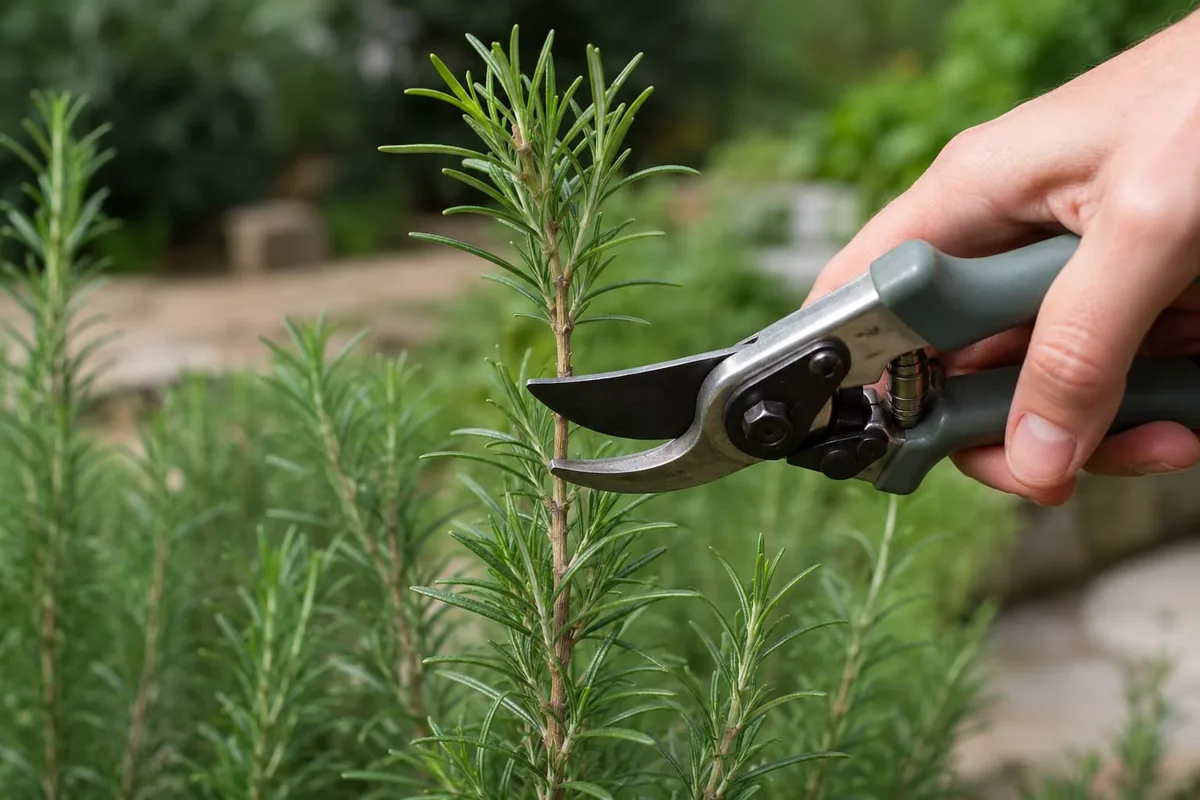
Garden snips make clean cuts that protect the vine and keep the fruit in good shape for storage. The best time to do all of this is the morning. After a cool night, the fruit is fully hydrated, crisp, and at its peak texture. By late afternoon in summer heat, cucumbers soften just a bit.
Morning picking gives you that fresh-market snap.
A Quick Picking Checklist
Before you head out, run through this:
- Grab clean snips or pruning shears.
- Lift leaves and check under any large foliage for hidden fruit.
- Confirm the variety-specific size and color first.
- Cut the stem about half an inch above the fruit.
- Lower the cucumber into a basket or bucket. Do not toss it.
- Store unwashed in the fridge until you are ready to use them.
That is the whole routine. Pick early, check daily, and make a clean cut. The plant keeps doing its part.



