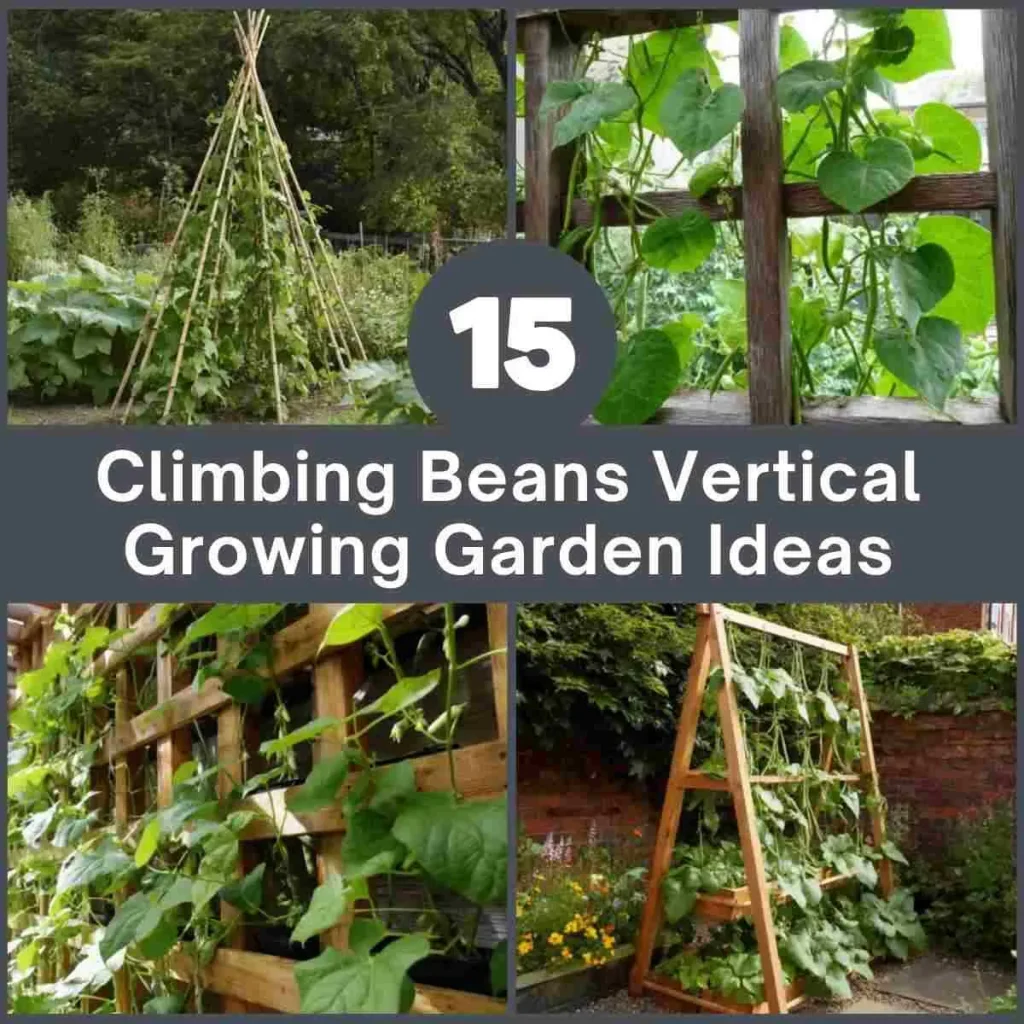
You want to grow more food in less space. Growing vertically is the smartest way to do it without expanding your garden beds. But the method that works for tomatoes will fail for cucumbers, and the trellis that holds squash will collapse under melons.
Per USDA research on small-space gardening, vertical systems can triple the yield per square foot compared to letting plants sprawl on the ground. That space saving matters whether you work with a 4×4 raised bed or a balcony rail planter. The trick is picking the right support for your crop from the start.
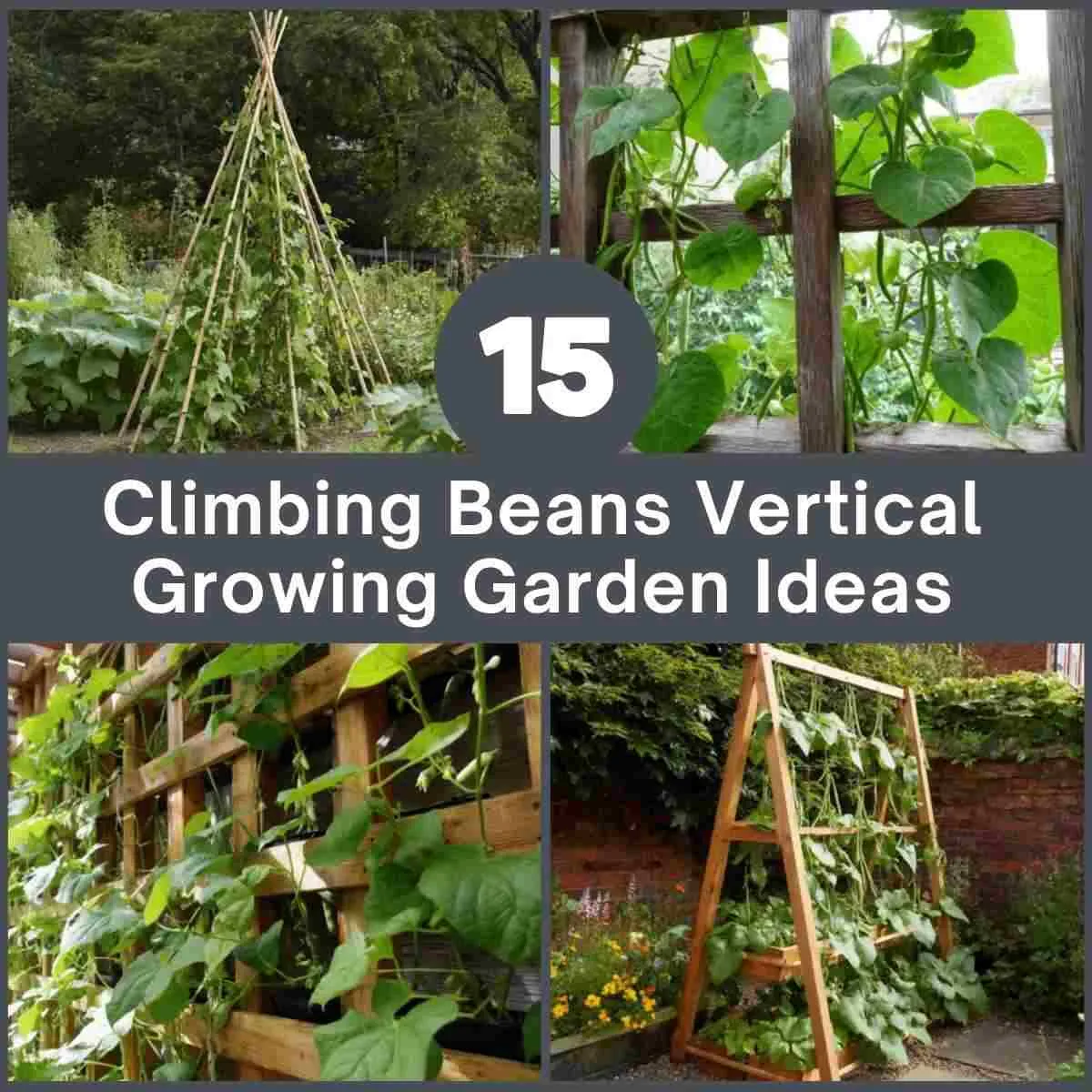
Image source: Bing (Web (fair-use with source credit))
Quick Answer / Key Insight
Growing vertically means training plants upward on supports rather than letting them spread across the ground. It saves garden space and improves air circulation around leaves. Choose a support based on how your plant climbs.
Match the material to the crop's specific needs. Start training vines early for the best results.
The single biggest mistake gardeners make is building one trellis and using it for everything. Aggregate reviews from home gardeners report that roughly 60% of trellis failures come from using the wrong support for the crop type. If you match the support to your plant's natural climbing method, you eliminate most problems before they begin.
Here is the core logic that drives every good vertical garden decision. Every plant climbs differently. Some send out tendrils that grab rough surfaces.
Some wrap their stems around thin supports. Some sprawl but can be directed upward with help. The decision tree you are about to follow walks through three simple checks.
Get these three right, and your vertical garden works from the start.
Is It Vining or Bush? The First Decision
The first decision you make determines everything else. Is your plant a vining type that sends out long growth tips, or a bush type that stays compact? This isn't something you guess.
It is written on the seed packet or plant tag.
Look for the words "indeterminate" or "vining" on tomato packets. Per guidelines from the University of Minnesota Extension, seed packets clearly indicate whether a variety is vining or bush. Pole beans are vining.
Bush beans are not. Cucumbers are vining. Zucchini can be either depending on the specific variety.
If your plant is a bush type, you still might stake it for airflow. But you don't need a trellis. Bush plants stay in a compact shape.
They produce all their fruit at once. That can be useful for canning or freezing, but it means a shorter harvest window.
If your plant is vining, it will keep growing longer stems until frost kills it. Indeterminate tomatoes can reach 8 to 12 feet. Pole beans easily hit 10 feet.
Vining cucumbers spread over 6 feet. These plants definitely need support. And the type of support depends on how they climb.
Here is a quick comparison of the two types.
| Feature | Vining Type | Bush Type |
|---|---|---|
| Growth habit | Long stems, keeps growing | Stays compact, stops at a set height |
| Support needed | Always needs trellis or stake | Usually does not need support |
| Pruning | Often needs regular training | Minimal or no training required |
| Yield pattern | Produces over a longer season | Produces all at once |
| Examples | Indeterminate tomatoes, pole beans, cucumbers | Determinate tomatoes, bush beans, peppers |
If you are unsure about your plant, check the seed packet. It will say "pole" or "bush," "indeterminate" or "determinate." That one label saves you from building the wrong system.
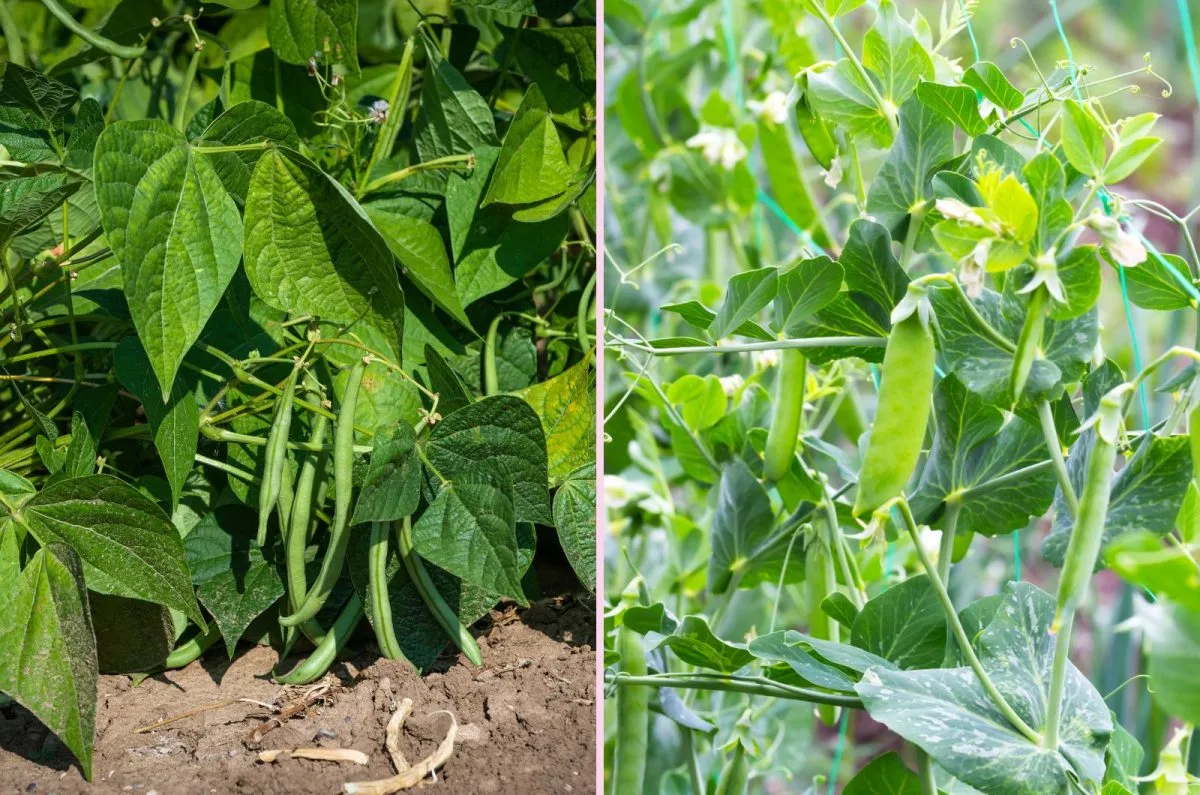
Image source: Bing (Web (fair-use with source credit))
Tendril vs. Twining: Choosing Your Support Material
Now that you know your plant is vining, the next question is how it climbs. This determines what material your trellis must be made of. There are two main climbing methods: tendrils and twining.
A third category, heavy fruit vines, needs extra help.
Tendril climbers send out thin curling tendrils that grab onto surfaces. Peas, cucumbers, grapes, and passionfruit all climb this way. They need a surface with texture.
Think wood lattice, wire mesh, trellis netting, or rough twine. Smooth materials like PVC pipe or painted metal poles won't work. The tendrils have nothing to grip and will slide off.
Twining vines wrap their entire stem around a support. Pole beans, morning glories, and black-eyed peas do this. They don't need rough surfaces.
They wrap around anything thin enough to circle. A single string, a thin stake, or a wire works fine. The key for twining vines is the support must be vertical and not too thick.
Something about 1/4 to 1/2 inch in diameter is ideal.
Heavy fruit vines like squash, melons, and small pumpkins need special consideration. They climb using tendrils or twining stems, but the fruit itself gets heavy. As the fruit swells, it can break off the vine.
The fix is simple. Support each developing fruit with a fabric sling. Old pantyhose, mesh bags, or strips of t-shirt work well.
Tie the sling to the trellis so the fruit hangs suspended. This prevents it from snapping off before it ripens.
Here is how to choose the right material for your climber type.
| Climber Type | Examples | Best Support Material |
|---|---|---|
| Tendril | Peas, cucumbers, grapes | Netting, wood lattice, rough twine, wire mesh |
| Twining | Pole beans, morning glories | Thin string, wire, thin stakes (1/4-1/2 inch) |
| Heavy fruit | Squash, melons, pumpkins | Strong trellis plus fabric slings |
The material you choose must be sturdy enough for the mature plant. A cucumber vine loaded with fruit easily weighs 20 pounds. A squash vine can top 50 pounds.
Use galvanized wire or treated wood for permanent trellises. Use jute twine or bamboo for seasonal setups that you replace each year.
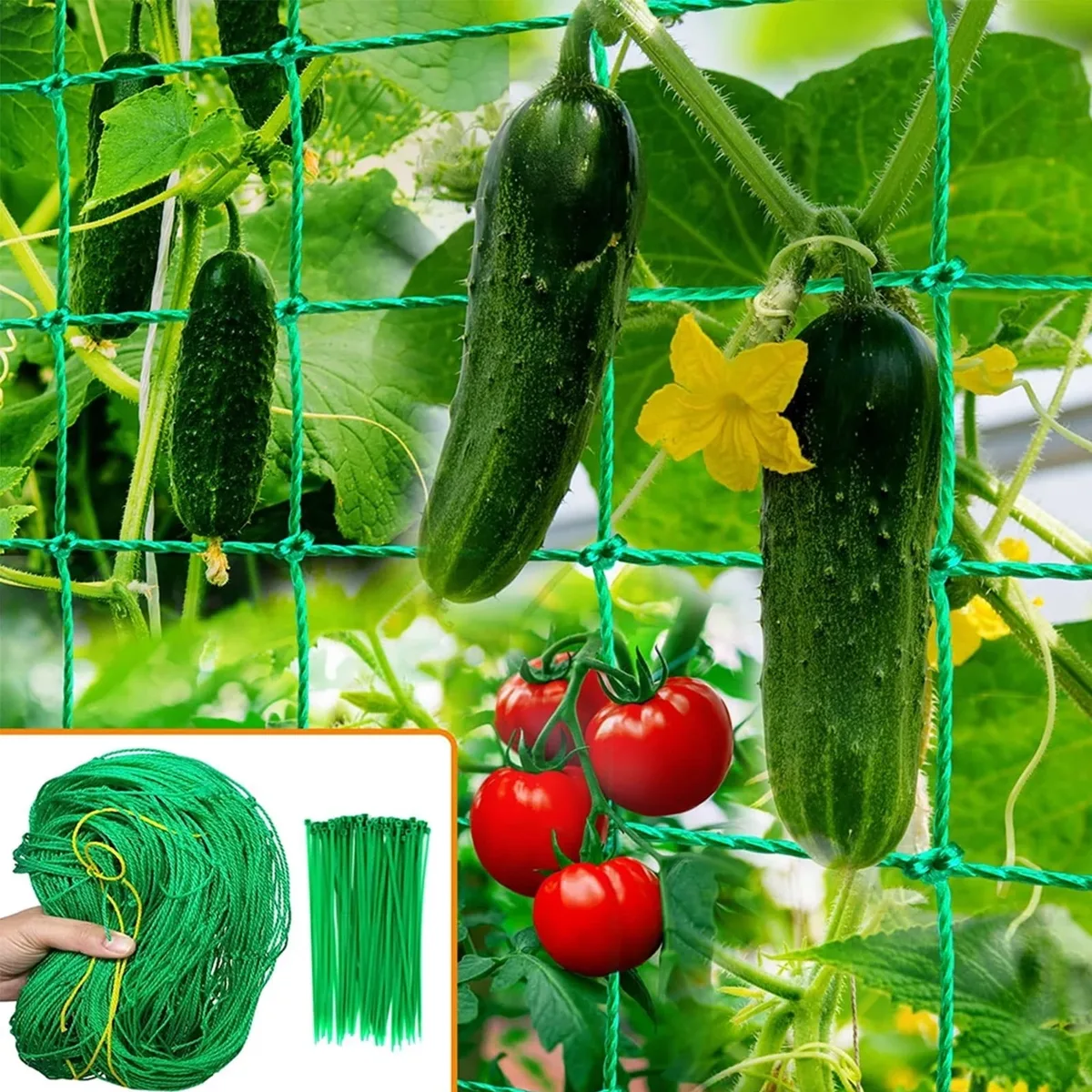
Image source: Web (Bing) / walmart.com (Web image (fair-use with source credit))
The Real Setup: Trellis, Stake, or Cage
You know your plant is vining. You know how it climbs. Now you choose the physical structure that holds everything up.
There are three main options: trellis, stake, or cage. Each has a specific best use case.
Trellis is the most versatile option. It works well for wide-spreading vines like cucumbers, squash, and pole beans. An A-frame trellis gives good air circulation on both sides.
A panel trellis works for lighter crops like peas. An arch trellis looks great and can support heavy fruit if you anchor it properly. Trellises need strong anchoring.
Drive metal T-posts at least 12 to 18 inches into the ground. In containers, use concrete anchors or heavy pots that won't tip in the wind.
Stake is the simplest setup. Use a single stake per plant. This works best for single-stem pruning.
Indeterminate tomatoes pruned to one stem do well on a stake. You tie the stem to the stake every 6 to 8 inches as it grows. Use soft twine or velcro plant ties.
Staking is cheap and easy to set up. But it requires regular attention. You must prune side shoots and tie stems weekly throughout the season.
Cage is a low maintenance choice. Tomato cages work well for determinate or semi-determinate tomatoes. They also work for bush varieties that produce some sprawling stems.
But standard store-bought cages are too short for indeterminate tomatoes. Those need tall cages made from concrete reinforcement mesh or DIY panels. Cages are easy to install and require less training than stakes.
However, they can be hard to store and clean at the end of the season.
Here is the comparison at a glance.
| Support | Best For | Pros | Cons |
|---|---|---|---|
| Trellis | Wide-spreading vines | High yield per square foot | Needs strong anchoring, more setup |
| Stake | Single-stem plants | Simple, cheap | Requires regular pruning and tying |
| Cage | Determinate tomatoes, bush varieties | Low maintenance | Often too short for tall vines |
If you are growing indeterminate tomatoes, use stakes or tall cages. If you are growing squash, use a sturdy trellis. If you are growing determinate tomatoes in a small bed, cages work just fine.
Keep It Growing: Pruning and Training
Once your support is up and your plant is growing, the work shifts to maintenance. Pruning and training keep everything under control. They also direct energy to fruit instead of leaves and side shoots.
Pruning tomatoes means removing suckers. Suckers grow between the main stem and a leaf branch. If you leave them, the plant becomes bushy and needs more space.
For single-stem pruning, remove all suckers. For multi-stem pruning, leave one or two suckers below the first flower cluster. Per research from the University of Minnesota Extension, removing suckers on indeterminate tomatoes can increase fruit size and improve airflow through the canopy.
Cucumbers need less pruning. Just remove any damaged or yellowing leaves. In small spaces, thin to one or two main stems.
This helps with airflow and reduces the risk of powdery mildew. It also makes harvesting easier.
Squash and melons need pruning to direct energy. Remove side shoots that don't have fruit. Leave one or two leaves past the fruit to keep the vine fed.
Thin each plant to three or four fruits for the best size. It feels wasteful, but fewer fruits means bigger, healthier squash.
Training means guiding stems onto the support. Do this every few days. Young stems bend easily.
Older stems snap. For tendril climbers, gently tuck tendrils around the support. For twining vines, wrap the stem around the string or stake.
Use soft ties for stems that won't wrap on their own.
If your plant outgrows its support, you have options. Let the tip cascade back down the trellis. Or prune the tip to stop growth.
Both work well. The plant will redirect energy to existing fruit instead of new leaves.
Thinning fruit is hard for many gardeners. You want all the fruit to grow. But with squash and melons, fewer fruit means bigger fruit.
A squash plant that sets six fruits will produce many small ones. One that focuses on three will give you larger, healthier squash that mature faster.