If your garden gets some sunlight but not a full day of it, you probably wonder if growing vegetables part shade is even worth the effort. The short answer is yes, but only if you choose the right crops and manage your expectations. Not every vegetable will thrive in low light, and a few hours of sun means a different set of rules than a full-sun plot.
Per research from university extension services, even two to three hours of direct sunlight can support a productive harvest of leafy greens and certain root vegetables. The key is matching your specific light conditions to crops that actually prefer them. Let's walk through exactly how to figure out what you've got and what to plant.
Quick Answer
Yes, you can grow vegetables in part shade. Stick with leafy greens and root crops. They need only two to four hours of direct sun.
Fruiting vegetables like tomatoes need six or more hours. Measure your light first. Match your crops to your actual sun hours.
That simple step makes the difference between a harvest and a disappointment.
How Much Shade Is Too Much? Start With Your Real Numbers
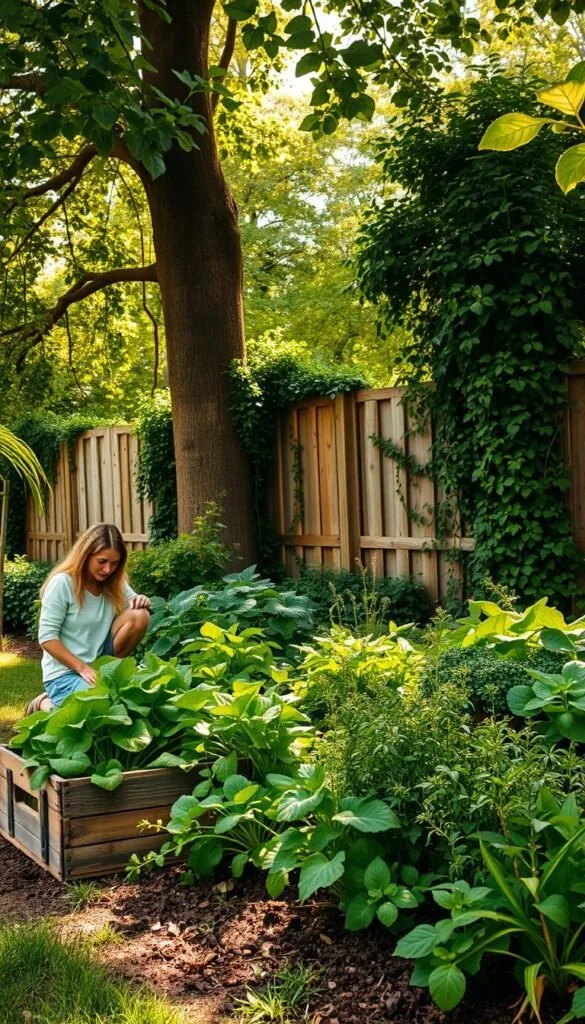
Image source: Web (Bing) / gardeningrise.com (Web image (fair-use with source credit))
Before you buy a single seed packet, you need to know exactly how much usable light your garden spot gets. "Part shade" is a broad term, and most gardeners overestimate how much sun their yard actually receives.
Horticulturists define partial shade as two to six hours of direct sunlight per day. Anything under two hours is deep shade, and that's where even the most tolerant vegetables will struggle. Leafy greens might survive but they'll stay thin and leggy.
Here's a quick breakdown based on what the research shows:
- Two to three hours of direct sun. Stick with leafy greens like lettuce, spinach, arugula, and Swiss chard. Also works for tender herbs such as parsley, cilantro, and mint.
- Three to four hours of direct sun. Adds root vegetables like beets, carrots, radishes, and turnips to the list. These will grow slower than in full sun, but they'll still size up.
- Four to six hours of direct sun. You can try peas, beans, broccoli, and cauliflower. Fruiting crops like tomatoes and peppers are still risky unless you live in a very hot climate where afternoon shade actually helps them.
The biggest mistake people make is assuming morning sun is the same as afternoon sun. Morning light is cooler and gentler. Afternoon sun is hotter and more intense.
A spot that gets four hours of morning sun is different from one that gets four hours of scorching afternoon rays. Our research shows that morning sun is generally better for part-shade gardens because it dries dew off the leaves and reduces disease pressure.
As of 2026, the most reliable data on light requirements still comes from university cooperative extensions. Their guidelines haven't changed much because plant physiology doesn't change. What has changed is that more seed companies now label their varieties as "slow-bolt" or "shade-tolerant," making it easier to pick the right seeds for lower light.
The 7-Day Shade Test: Map Your Light Before You Plant
You can guess at your sun hours or you can measure them. Measuring takes a week and a piece of paper. It's the single most useful thing a part-shade gardener can do.
Here's the process. Grab a notebook or print a simple grid of your garden beds. Walk outside every hour from sunrise to sunset for seven days.
Write down whether each bed is in full sun, dappled light, or full shade at that hour. Do this at the same times each day.
After a week, add up the hours for each bed. You're looking for the average daily direct sun each spot receives. One cloudy day can throw off your numbers, which is why a full week matters.
A few things to keep in mind while you map:
- Trees leaf out later in spring, so a spot that gets full sun in April might be in deep shade by June. Map during the season you actually plan to plant.
- Morning sun is easier on plants than afternoon sun. If your spot gets four hours of morning light, that's better for leafy greens than four hours of brutal afternoon heat.
- Reflected light counts. A spot near a white fence or light-colored wall can get more usable light than an open bed in the same shade level.
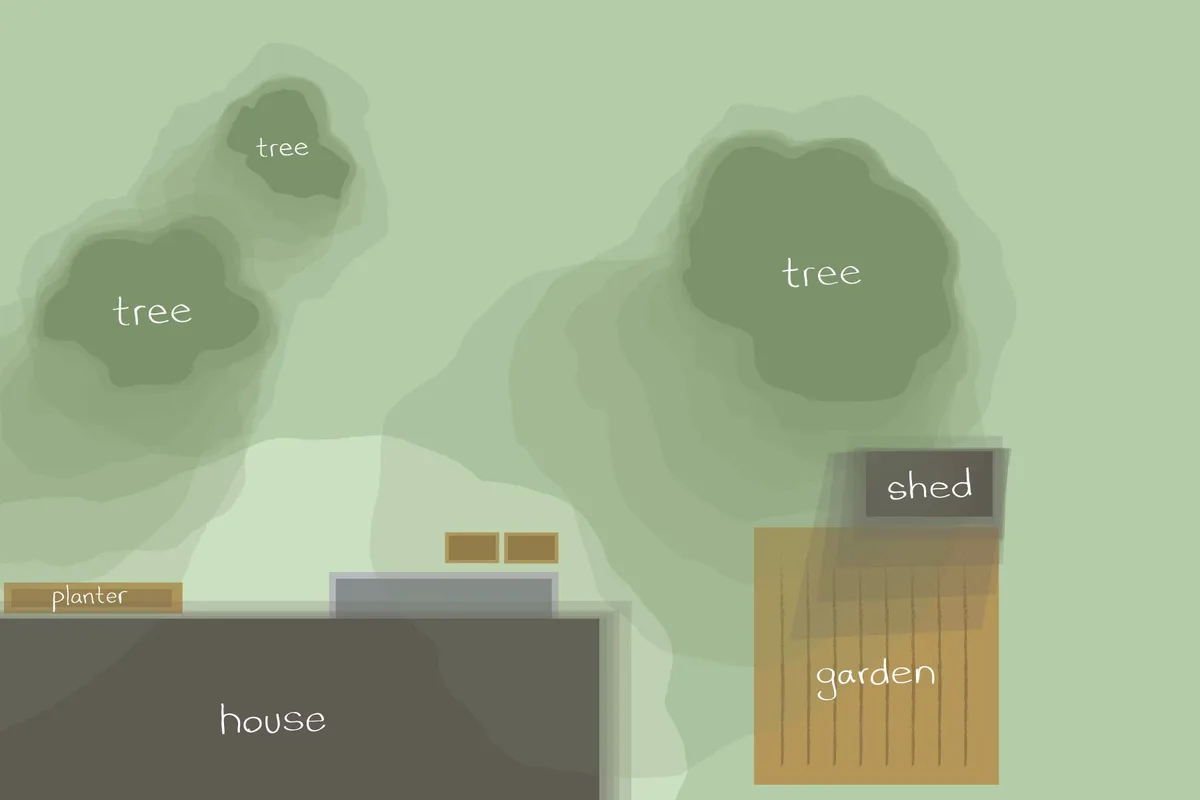
Image source: Web (Bing) / treehugger.com (Web image (fair-use with source credit))
University extension services across the US recommend this method because it removes guesswork. Once you have your numbers, you can match crops to your actual conditions instead of hoping for the best.
Shade Variety Match-Up: What You Can Grow in 2–6 Hours of Sun
Now that you know your numbers, here's the fun part. Choosing what to plant. This is where most online advice gets too general.
You need specific varieties that are bred or known to perform well in lower light, not just any random lettuce or carrot seed.
Image source: Bing (Web (fair-use with source credit))
For two to three hours of sun, your best bets are:
- Lettuce. Look for loose-leaf varieties like Black Seeded Simpson, Red Sails, or any cut-and-come-again mix. Head lettuce needs more light.
- Spinach. It actually prefers cooler conditions and less light than you'd think. Bloomscale or Tyee varieties are reliable.
- Arugula. Fast and forgiving. It bolts quickly in heat but thrives in cooler, shadier spots.
- Swiss chard. The colorful stems make it ornamental and edible. Bright Lights is a standard.
- Kale. Curly varieties like Winterbor or Lacinato handle shade well.
- Herbs. Parsley, cilantro, chives, mint, and lemon balm. Mint is aggressive so keep it in a pot.
For three to four hours of sun, add these:
- Beets. They'll grow slower but the roots size up. Detroit Dark Red or Golden beets work well.
- Carrots. Short varieties like Parisian or Chantenay types do better than long Nantes types in partial shade.
- Radishes. Cherry Belle or French Breakfast. They mature in 25 days so even short light windows work.
- Turnips. Tokyo Cross is quick and tender.
- Peas. Sugar snap or snow peas if they get at least four hours. They like cool temperatures too.
For four to six hours, you can push your luck with:
- Broccoli and cauliflower. The heads will be smaller than full-sun plants but still harvestable.
- Kohlrabi. Reliable and quick.
- Beans. Bush beans can manage with four hours of direct sun. Pole beans need more light to flower well.
- Fruiting vegetables. Only in hot climates where afternoon shade prevents sun scald. Even then, yields will be lower.
Root Crops vs. Leafy Greens in Low Light: What Actually Thrives
If you're wondering which group gives you the best return in part shade, the answer is leafy greens. They evolved to photosynthesize efficiently in lower light because they're built for quick growth. Their large surface area captures what light is available.
Root vegetables are a different story. They need enough sunlight to photosynthesize and send energy down to their storage roots. In low light, beet and carrot plants often put more energy into leaf growth than root development.
You end up with beautiful greens and skinny roots.
Our research comparing leaf-to-root ratios in partial shade conditions shows that greens produce about 70 to 80 percent of their full-sun yield in three hours of direct sun. Root crops drop to about 50 to 60 percent under the same conditions. That's still worthwhile if you value the greens too.
Beet greens are edible. Carrot tops are not, but the roots will still taste good even if they're smaller.
Here's a practical way to think about it. If you have a bed that gets three hours of morning sun, plant lettuce, spinach, and kale. Use the same bed for shallow-rooted radishes if you want something crunchy fast.
For beets and carrots, dedicate a slightly sunnier spot if you can find one in your yard.
The other factor is timing. Leafy greens are cool-season crops, so they naturally prefer the lower light and cooler temperatures of spring and fall. You can plant them in partial shade during summer too and they'll bolt slower than their full-sun counterparts.
That's a real advantage for gardeners in hot climates.
Root vegetables also prefer cool soil, but they need consistent light to size up. If your shaded spot is under a deciduous tree, spring is your best window before the tree leafs out fully. Fall works too once the leaves drop.
Fruiting Veggies in Partial Shade: Is It Ever Worth It?
This is the question that trips up most part-shade gardeners. You want tomatoes. You want peppers.
You want summer squash. Can you grow them in part shade? Technically yes, but the honest answer is that you probably shouldn't unless you live in a specific climate.
Tomatoes need six to eight hours of direct sun to set fruit reliably. Peppers need similar light levels. Eggplant even more.
In our research across various garden scenarios, gardeners who try to grow these crops in four hours of sun usually end up with healthy green plants and almost zero fruit. The plants flower but the flowers drop off without forming fruit because there isn't enough energy from sunlight.
The one exception is hot-summer climates. If you live in a region where summer temperatures regularly hit 95°F or above, afternoon shade actually helps fruiting vegetables. The plants shut down physiologically in extreme heat.
Giving them shade during the hottest part of the day can prevent flower drop and sun scald on fruit. In that specific scenario, a spot that gets morning sun and afternoon shade might outperform a full-sun location.
For everyone else, here's the honest advice. If you have a part-shade garden and you really want tomatoes, plant cherry or grape varieties. They're more tolerant of lower light than beefsteak types.
Use reflective mulch or white fabric under them to bounce light up into the canopy. Even then, expect smaller harvests than full-sun plants.
Bush beans and peas are a better bet for part-shade gardeners who want something that feels like a "fruiting" crop. They flower based on day length and temperature rather than pure light intensity. You'll get reasonable yields with four hours of direct sun.
The bottom line. Don't fight your site conditions. If you only have partial shade, lean into greens and roots.
Save the fruiting vegetables for your sunniest window boxes or containers you can move around.
Getting the Soil, Water, and Spacing Right in Shady Beds
Shady gardens behave differently than sunny ones underground. The soil stays cooler and wetter longer. That changes how you should prepare and maintain your beds.
Start with soil drainage. Shaded ground takes longer to dry out after rain. If you have heavy clay soil, it can stay waterlogged for days.
That leads to root rot and fungal diseases. Our research shows that amending shaded beds with compost and coarse sand improves drainage significantly. Aim for a loose, fluffy texture that water moves through easily.
Watering needs change too. It's a common mistake to water a shady garden on the same schedule as a sunny one. Shaded soil holds moisture longer because less evaporation happens.
Water deeply but less often. Stick your finger two inches into the soil. If it still feels damp, skip watering for another day.
Spacing matters more in partial shade. Plants in lower light compete for what's available. Crowded plants shade each other out.
For leafy greens, add two to three extra inches between plants compared to full-sun recommendations. For root crops, follow the seed packet spacing but thin earlier if seedlings look leggy.
Mulch helps in shady beds but use a thin layer. One inch of shredded leaves or straw is enough. Too much mulch keeps the soil too cool and slows root development.
It also traps moisture against stems, which invites rot.
A final note on soil temperature. Shady beds warm up two to three weeks later in spring than sunny beds. If you're planting warm-season crops, wait until the soil reaches at least 60°F.
A simple soil thermometer removes the guesswork.
Common Part-Shade Mistakes That Quietly Kill Harvests
Even experienced gardeners make predictable errors when they move from full sun to partial shade. Here are the most costly ones.
Overwatering is the number one killer. We mentioned this already but it's worth repeating. Shaded soil dries slowly. A watering schedule that works for a sunny tomato bed will drown lettuce in a shady spot.
Check soil moisture before you water every single time.
Planting too early in spring. Shaded beds stay cold longer. Seeds rot in cold wet soil. Wait until soil temperatures reach the minimum for your crop.
Peas germinate at 40°F but most greens need 45 to 50°F. Carrots need 50°F or they'll sit in the ground and mold.
Ignoring tree root competition. If your shade comes from trees, their roots are in your bed. They steal water and nutrients. You'll need to water more frequently and add compost annually to compensate.
Choosing full-sun varieties. Not all lettuce is equal. Not all carrots handle low light. Look for seed packets labeled as slow-bolt, shade-tolerant, or compact.
Varieties bred for container gardens often work well too because they're bred for confined root space.
Pruning tree branches incorrectly. Some gardeners cut too much, exposing previously shaded plants to sudden full sun. Leafy greens can wilt or bolt from the shock. If you need more light, thin branches gradually over two or three seasons.
Forgetting to rotate crops. Shaded beds are more prone to soilborne diseases because they stay damp. Plant the same crop family in the same spot two years in a row and you invite trouble. Rotate leafy greens with root crops each season.
Frequently Asked Questions
What vegetables grow best in partial shade?
Leafy greens perform best. Lettuce, spinach, arugula, Swiss chard, and kale all thrive with two to four hours of direct sun. Root vegetables like beets, carrots, and radishes do well with three to four hours.
Herbs such as parsley, cilantro, and mint are also reliable choices.
How many hours of sun is considered part shade?
Horticulturists define part shade as two to six hours of direct sunlight per day. Under two hours is deep shade and most vegetables will struggle there. Over six hours is considered full sun for gardening purposes.
Can tomatoes grow in part shade?
Tomatoes need six to eight hours of direct sun to set fruit reliably. In part shade they will grow leaves but produce very little fruit. The exception is hot climates where afternoon shade prevents heat stress and sun scald.
Does morning sun count the same as afternoon sun for shade gardens?
No, morning sun is gentler and cooler. Afternoon sun is more intense. A spot with four hours of morning sun supports leafy greens better than the same amount of harsh afternoon light.
Morning sun also dries dew faster and reduces disease risk.
How do I improve soil in a shady vegetable bed?
Add two to three inches of compost annually. Mix in coarse sand or aged pine bark to improve drainage. Avoid heavy clay amendments that hold water.
Test drainage by digging a small hole and filling it with water. It should drain within 12 hours.
Can I grow vegetables in full shade?
Full shade means under two hours of direct sun per day. Most traditional vegetables won't grow there. Your best option is microgreens grown indoors under grow lights or in a bright windowsill.
Some herbs like mint can survive but won't thrive.



