Growing vegetables sounds simple until you've drowned your first tomato plant or watched a carrot bed produce nothing but bushy greens. Most garden failures happen before you ever put a seed in the ground. The space you have, the sunlight you get, and the season you're in decide what will actually thrive.
Most guides skip a critical fact: your last frost date can shift by weeks even within one state. Warm-season crops like tomatoes and peppers also need soil temperatures of at least 60°F before roots will grow. Check the USDA Plant Hardiness Zone Map for your zone.
Nail those two numbers, and the rest clicks.
Quick Answer
Growing vegetables starts with three decisions: your space, your season, and your skill level. Pick a spot with at least 6 hours of direct sun. Choose crops that fit your climate.
Prepare the soil before planting. Water consistently for the first month.
Start Here: Match the Garden to Your Life, Not the Other Way Around
Before you buy a single packet of seeds, ask yourself three things. How much space do you have? How much direct sun does that space get?
How many hours per week can you honestly give to watering, weeding, and harvesting?
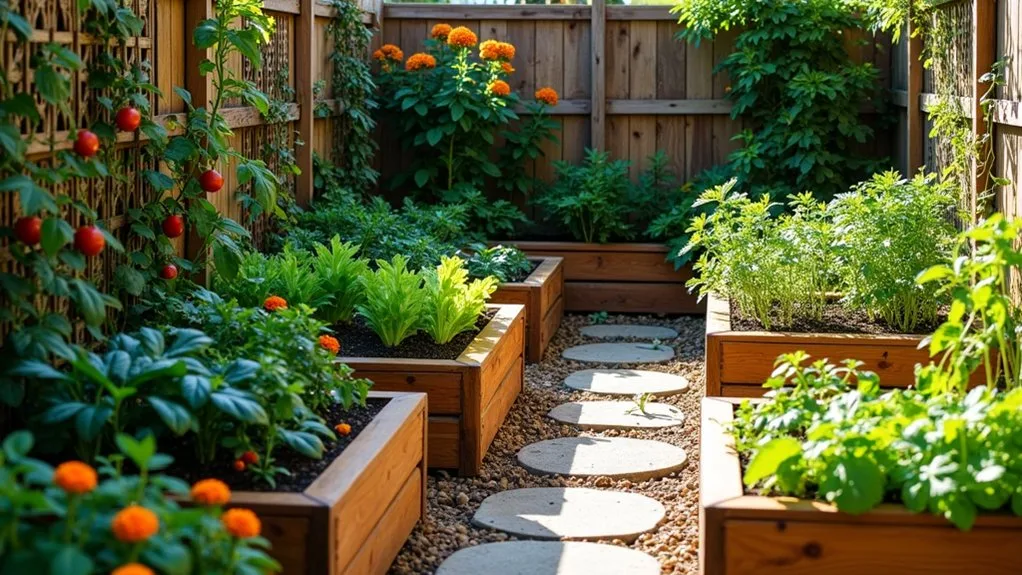
Image source: Bing (Web (fair-use with source credit))
This isn't a personality quiz. It's a practical filter. A first-timer with a shady balcony needs a completely different plan than a homeowner with a sunny quarter-acre.
A senior gardener with limited mobility might want waist-high raised beds. A family with kids needs fast, sensory crops like snap peas and cherry tomatoes.
Now apply the three questions:
- Space: Measure your actual growing area. Containers against a wall need a different approach than in-ground rows.
- Sun: Track sunlight across the day. Six or more hours of direct sun is the magic number for most vegetables.
- Time: Be honest about your schedule. Most vegetables need daily attention, especially in the first month. If you travel for work, plan drip irrigation or self-watering containers.
Answer those three honestly, and the next section points you to the right system.
Raised Bed, Container, or In-Ground: Pick Your Growing System
Your growing system is a trade-off between cost, control, and convenience.
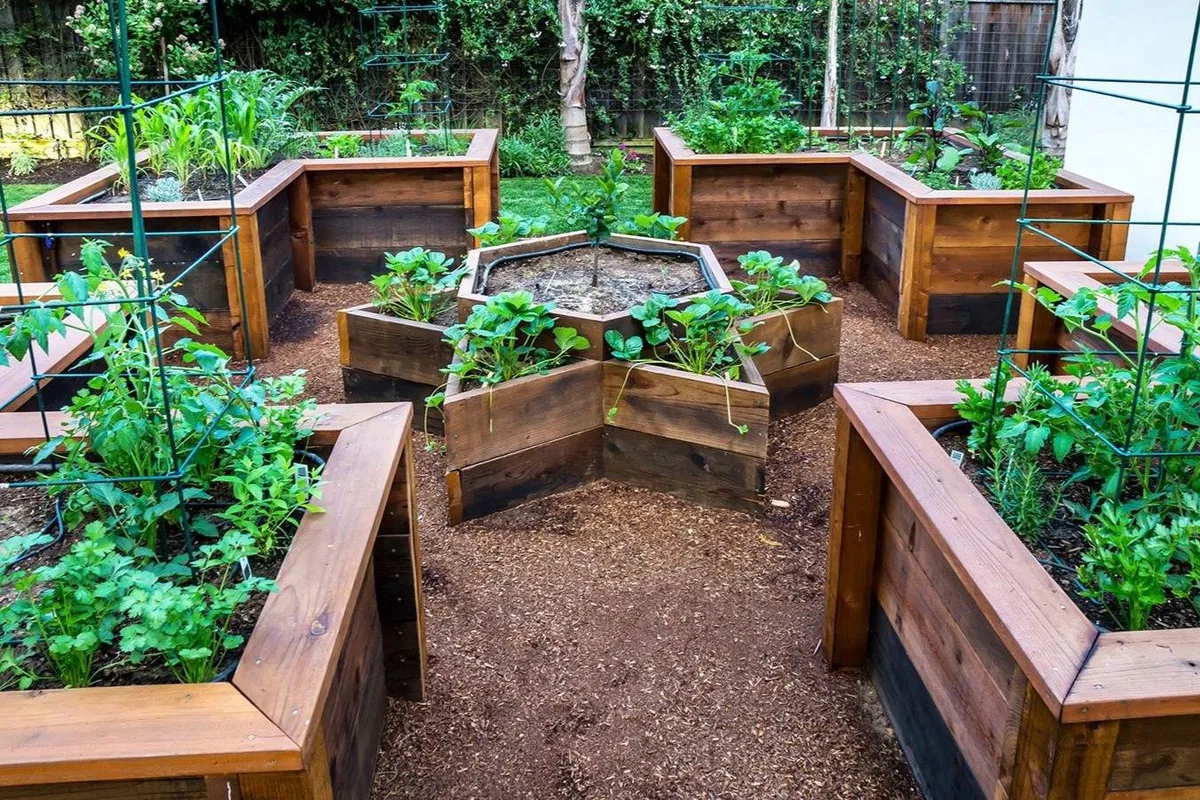
Image source: Web (Bing) / storables.com (Web image (fair-use with source credit))
| Factor | In-Ground | Raised Bed | Container |
|---|---|---|---|
| Upfront cost | Lowest | Medium | Low to medium |
| Soil control | Low | High | High |
| Drainage | Depends on native soil | Excellent | Good |
| Root depth | Unlimited | 6 to 24 inches | Limited to pot size |
| Portability | No | No | Yes |
| Watering | Least frequent | Moderate | Most frequent |
In-ground is the cheapest route if your soil already drains well. Test it with a simple hole test: dig 12 inches deep, fill with water, time the drain. Under an hour means you're good.
Water sitting overnight means you need raised beds or containers.
Containers win for renters and balcony gardens. Use a 5-gallon pot for one tomato or pepper plant. Just know that containers dry out fast.
Expect to water daily in summer heat.
Raised beds are the beginner sweet spot. You control the soil from day one, drainage is predictable, and beds warm up earlier in spring. The cost is lumber and soil fill.
A standard 4×8 foot bed, 12 inches deep, needs about 16 cubic feet of soil.
What to Plant: Vegetables That Fit Your Season and Skill
Image source: Web (Bing) / homesandgardens.com (Web image (fair-use with source credit))
Planting the wrong vegetable at the wrong time is the fastest way to quit gardening. So let's keep this simple.
If You're a First-Timer, Start With These
- Radishes: 25 days from seed to harvest. Instant gratification.
- Bush beans: Stupidly reliable and heavy producers.
- Cherry tomatoes: Far more forgiving than big slicing tomatoes.
- Leafy greens: Lettuce, kale, and spinach. Cut what you need and they keep producing.
Know Your Seasons
Vegetables split into two camps. Cool-season crops like peas, lettuce, and kale thrive in spring and fall. Most tolerate frost down to about 25°F.
Warm-season crops like tomatoes, peppers, and beans die at the first frost and refuse to grow in cold soil.
Match days to maturity against your growing window. Count the days between your last spring frost and your first fall frost. That number is your season.
A 90-day window means radishes and bush beans are easy wins, but long-season crops like winter squash might not finish in time.
For region-specific dates, check your local USDA cooperative extension program. Also try succession planting: sow a short row of lettuce every two weeks instead of one long row. You'll harvest all season instead of all at once.
The Non-Negotiables: Sun, Soil, and Timing
Most garden failures trace back to one of three things: too little sun, poor soil, or wrong timing. Get these right and you're most of the way there.
Sun: Measure It, Don't Guess It
Most vegetables need 6 to 8 hours of direct sun. "Direct sun" doesn't mean dappled light through trees. Walk your yard on a sunny day and note where the light actually lands.
If you only get 4 to 6 hours, stick to leafy greens and root crops. Under 4 hours means containers on wheels, moved to follow the sun.
Soil: The Squeeze Test
Grab a handful of damp soil and squeeze it. If it forms a tight ball that won't crumble when poked, you have heavy clay. If it runs through your fingers like sand, you have sandy soil.
If it holds together loosely and breaks apart easily, that's loam. Amend either extreme with 2 to 4 inches of compost.
As of 2026, the USDA's guidance remains unchanged. A simple soil pH test costs a few dollars. It tells you whether your soil sits in the 6.0 to 7.0 range most vegetables prefer.
Timing: Frost Dates and Soil Temperature
Your last spring frost date is the starting line. Your first fall frost is the finish line. Find both on the USDA Plant Hardiness Zone map.
For warm-season crops, also check soil temperature. Insert a thermometer 4 inches deep. Tomatoes and beans want 60°F or warmer.
Plant early into cold soil and the seeds just sit there.
Planting the Right Way: Depth, Spacing, and Watering Basics
The seed packet gives you four critical numbers: depth, spacing, days to maturity, and thinning instructions. Follow them. They exist for a reason.
Seed Depth
Plant a seed twice as deep as its width. Tiny lettuce seeds go just under the surface. Large bean seeds go about an inch deep.
Too deep and the seedling runs out of energy before reaching light. Too shallow and it dries out.
Spacing and Thinning
Overcrowding is the most ignored rule in gardening. Plants compete for water, nutrients, and air. Cramped plants also invite disease because air can't circulate.
When seedlings are 2 inches tall, thin them with scissors. Snip the extras instead of pulling them up. Pulling disturbs the roots of the survivors.
Direct Sow vs. Transplant
Some crops demand direct sowing. Carrots, radishes, beans, and peas hate having their roots disturbed. Others transplant beautifully: tomatoes, peppers, broccoli, and cabbage benefit from an early indoor start.
Watering Basics
Water deeply at planting time. Then keep the top inch of soil evenly moist until seeds germinate. Once plants are established, switch to deep, infrequent watering.
This encourages roots to grow downward. Shallow watering creates shallow roots that panic in heat.
Water early in the morning. Evening watering leaves foliage wet overnight, which invites fungal disease.
The First 30 Days: How to Keep Everything Alive
The first month determines whether your garden thrives or just survives. This is when roots establish, seedlings harden off, and weak plants reveal themselves. Stay attentive here and the rest of the season gets easier.
Make a daily two-minute walk a habit. Walk your garden every morning. Look under leaves for eggs or holes. Check for wilting, yellowing, or stunted growth.
Spot a problem early and you fix it in minutes. Wait a week and you lose the plant.
Mulch now, thank yourself later. Apply 2 to 3 inches of straw, shredded leaves, or wood chips around your plants. Keep mulch a few inches away from stems to prevent rot. Mulch cools the soil, locks in moisture, and smothers weeds.
Our research shows mulched beds need about half the watering of bare soil.
Water consistently but don't drown things. Test the soil with your finger. If the top inch feels dry, it's time to water. If it's still damp, wait.
Deep watering once every two to three days beats a shallow sprinkle every evening.
Hold off on fertilizer until you see real growth. Wait until your seedlings have at least two sets of true leaves. Then feed with a balanced organic fertilizer. For container gardens, use a diluted liquid feed every two weeks.
Overfeeding young plants burns tender roots.
The 5 Mistakes That Kill Most First Gardens
Mistake number one is overwatering. New gardeners water from kindness, not logic. Soggy soil suffocates roots and invites fungal disease.
Let the top inch dry out between waterings. Your plants will look happier, not thirstier.
Mistake number two is planting too early. A warm day in April tricks everyone into thinking spring has arrived. But cold soil stops seeds from germinating.
Use a soil thermometer. Wait until the ground hits 60°F for warm-season crops. Your seed packet knows better than the calendar.
Mistake number three is growing what you don't like to eat. It sounds obvious, yet every season someone plants zucchini because it's "easy." Then they give away 40 pounds of it. Grow vegetables you actually want on your plate.
A small patch of well-loved crops beats a big garden of wasted food.
Mistake number four is forgetting to harvest regularly. Bush beans, zucchini, and tomatoes stop producing if you leave mature fruit on the plant. Check the garden every couple of days.
Pick everything that looks ready. The plant responds by making more.
Mistake number five is overcrowding. That seed packet says thin to 4 inches apart for a reason. Crowded plants fight for light, water, and nutrients.
Air can't circulate, so disease spreads fast. Thin your seedlings early and without guilt.
Frequently Asked Questions
How long does it take to grow vegetables from seed?
It depends on the crop. Radishes mature in about 25 days. Tomatoes take 60 to 85 days from transplant.
Leafy greens like lettuce are harvestable in 45 to 60 days. Check the days to maturity on your seed packet and count from the last frost date.
Can I grow vegetables in partial shade?
Yes, but your options shrink. Vegetables that need 6 to 8 hours of direct sun won't perform well. Leafy greens like lettuce, kale, and spinach handle 4 to 6 hours.
Root crops like carrots and beets manage with 4 to 5 hours. Avoid fruiting crops like tomatoes and peppers.
What's the easiest vegetable for a complete beginner?
Bush beans and radishes top the list. Bush beans germinate fast, need no staking, and produce heavily. Radishes go from seed to harvest in under a month.
Cherry tomatoes are also forgiving. They tolerate irregular watering better than large-fruited varieties.
Do I need to test my soil before planting?
Testing is cheap and saves you headaches. A basic pH and nutrient test costs a few dollars. Most vegetables prefer soil between pH 6.0 and 7.0.
If your soil is too acidic or alkaline, nutrients lock up and plants struggle. Add lime to raise pH or sulfur to lower it based on test results.
Should I use chemical fertilizer or organic?
Both work, but organic options build long-term soil health. Synthetic fertilizers deliver nutrients fast but do nothing for soil structure. Organic granular fertilizers release slowly and feed soil microbes.
For home gardens, a balanced organic option reduces the risk of burning your plants.