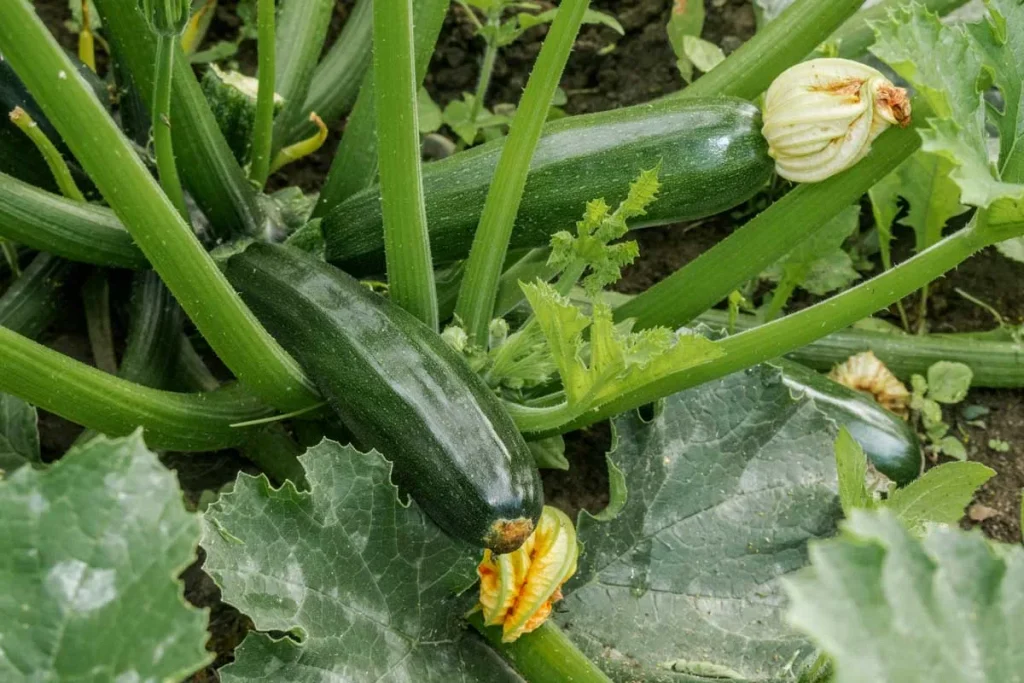
You’ve planted your summer squash seeds, watched them sprout, and now you’re wondering why the fruit stops forming or rots on the vine. That’s the real problem with growing summer squash: it looks foolproof but has specific needs that trip up most beginners. You follow the seed packet instructions, water regularly, and still end up with yellow leaves or misshapen fruit.
In our research, the ideal soil temperature for germination is 70°F, confirmed by university extension data across multiple states. Getting that one number right changes everything. So let’s walk through the decision tree that actually works.
Quick Answer
Growing summer squash requires warm soil, full sun, and consistent watering. Plant after the last frost when soil reaches 70°F. Space bush varieties 24 inches apart.
Harvest fruit at 6 to 8 inches long for the best flavor and texture.
The Real Problem with Summer Squash
Most people assume summer squash is the easiest vegetable to grow. It’s not. The real problem is that the plant sends mixed signals.
You see lush leaves and plenty of flowers, but the fruit either doesn’t develop or rots before it’s big enough to pick.
The culprit is almost always one of three things: poor pollination, inconsistent watering, or planting too early in cold soil. Summer squash is a warm-season crop that’s sensitive to stress. When nighttime temperatures stay below 60°F, the plant stalls.
It drops flowers or produces only male blossoms. That means no fruit.
Another hidden problem is variety choice. Many first-time growers pick a vining type when they have limited space. Or they pick a hybrid that needs specific care.
The right decision starts with matching your growing method to your garden setup and climate. That’s what we’ll sort out first.
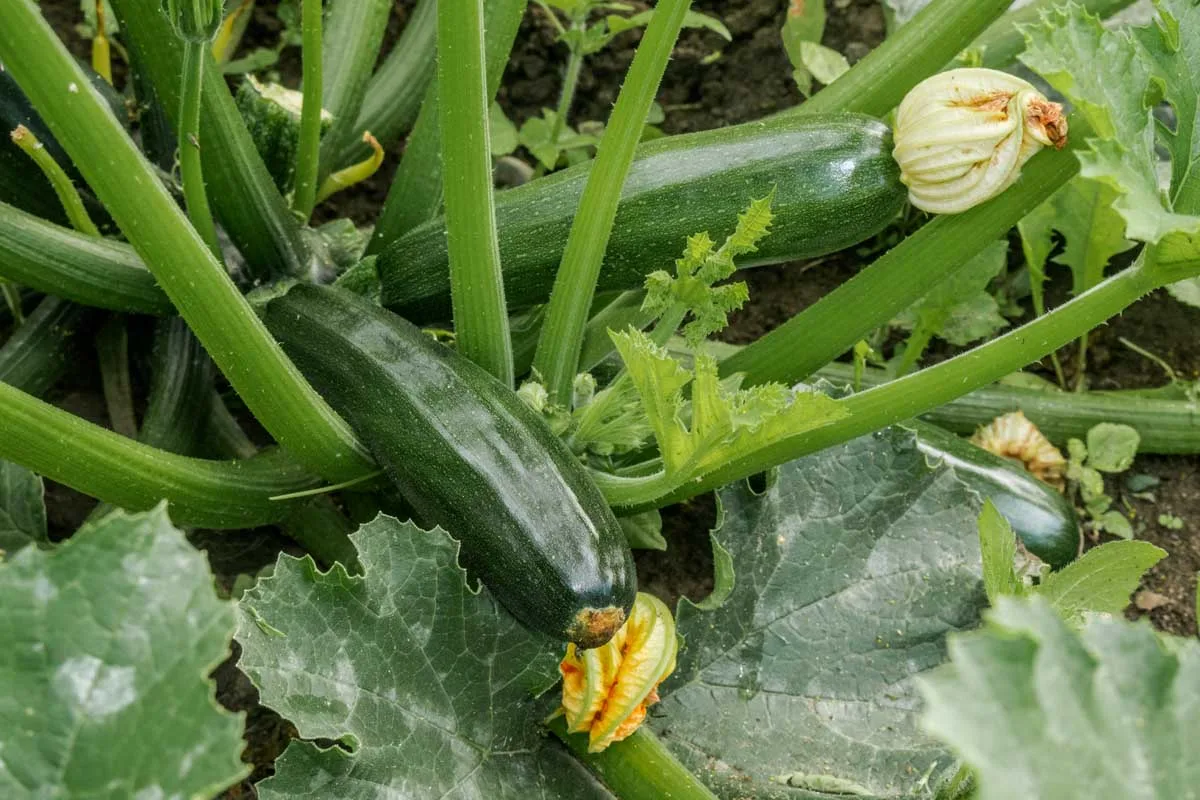
Image source: Web (Bing) / gardenerspath.com (Web image (fair-use with source credit))
Pick Your Growing Method: In-Ground, Raised Bed, or Container
Your growing method determines everything else. If you’re tight on space or have poor soil, containers work fine. If you have healthy ground soil and plenty of room, in-ground is the simplest option.
In-Ground
Best for gardeners with decent native soil and at least 3 feet of space per plant. You dig a hole, add compost, and plant. Watering is trickier because the soil drains differently.
You need to check moisture 2 inches down every other day. Root depth can reach 18 inches, so deep watering matters.
Raised Beds
This is the sweet spot for most home growers. Raised beds warm faster in spring, drain well, and let you control soil quality. You can plant slightly closer together because the soil is rich.
Expect a 20 to 30 percent yield increase over in-ground beds in cooler regions.
Containers
Great for patios and balconies, but only with bush type varieties. Use a 5-gallon pot minimum with drainage holes. The soil dries faster, so you may need to water daily in hot weather.
Container plants produce less fruit overall but are easier to manage and protect from pests.
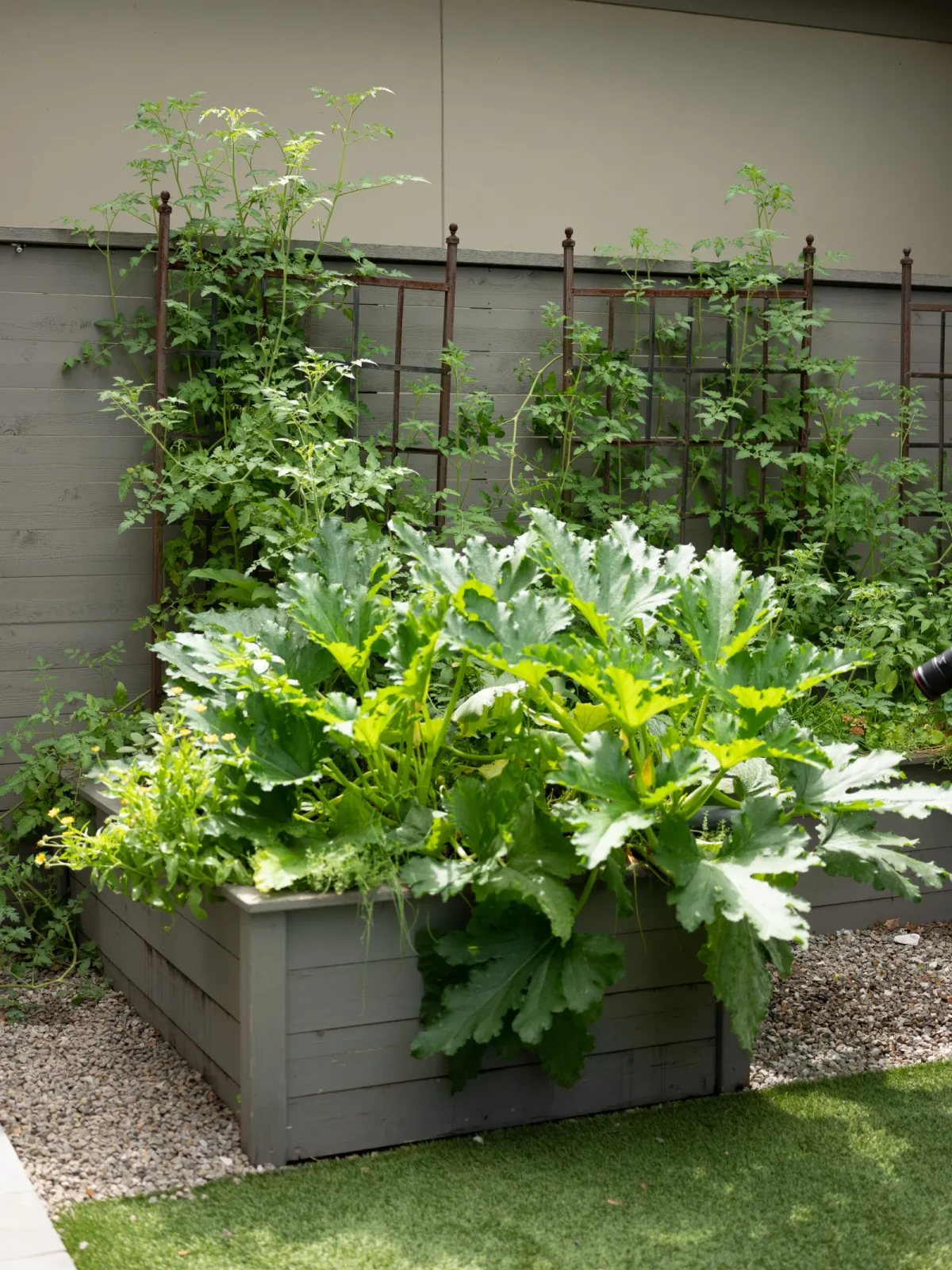
Image source: Web (Bing) / gardenary.com (Web image (fair-use with source credit))
Your Climate and Timing Cheat Sheet
Timing is everything with summer squash. Plant too early and the seedlings rot. Plant too late and you lose a month of harvest.
Here’s the simple decision guide based on your climate.
Northern Climates (USDA Zones 3-5)
Wait until the soil hits 70°F, usually late May or early June. Use black plastic to warm the soil faster. Start seeds indoors 3 weeks before your last frost date.
Transplants give you a 2-week head start. You’ll get one main harvest window of 6 to 8 weeks before cooler fall weather shuts production down.
Southern Climates (USDA Zones 7-10)
You have two planting windows: early spring and late summer. In spring, plant after the last frost. In fall, plant 8 weeks before the first expected frost.
Summer heat above 95°F causes flower drop, so shade cloth helps in July and August. You can grow three harvest cycles if you time succession plantings right.
Hot Desert Climates (USDA Zones 9-10)
Grow summer squash only in spring and fall. Midsummer heat stops all fruit production. Use 40 percent shade cloth from May through September.
Water deeply every 2 to 3 days. In our research, desert growers report the highest yields from February and August plantings.
| Climate Zone | Best Planting Window | Key Tip |
|---|---|---|
| Northern (3-5) | Late May to early June | Use black plastic and transplants |
| Southern (7-10) | March-April and August-September | Two harvest cycles per year |
| Desert (9-10) | February and August | Shade cloth required in summer |
The Step-by-Step Planting Workflow
Now let’s walk through the actual steps. This workflow applies to any growing method you picked.
Step 1: Prepare the Soil
Test your soil pH first. Summer squash needs 6.0 to 6.8. Add lime if it’s too acidic.
Mix in 2 inches of aged compost or well-rotted manure. Do not use fresh manure, it burns the roots and carries pathogens. Per the University of Minnesota Extension, consistent moisture is the single most important factor for fruit set.
So make sure your soil holds water without staying soggy.
Step 2: Warm the Soil
If you’re in a northern zone, cover the planting area with black plastic 2 weeks before planting. This raises soil temperature by 5 to 10 degrees. For raised beds, you can skip this step if the bed is in full sun.
For containers, use dark colored pots to absorb heat.
Step 3: Plant the Seeds
Sow seeds 1 inch deep, 3 per hill (cluster). Space hills 3 feet apart for bush types, 5 feet for vining types. Water gently after planting.
Thin to the strongest seedling when plants have 2 true leaves. If you’re using transplants, handle the root ball carefully. Summer squash hates root disturbance.
Step 4: Mulch and Water
Apply a 2-inch layer of straw or wood chips around the base once the soil is warm. Mulch keeps moisture consistent and blocks weeds. Water at soil level, not overhead.
Wet leaves invite powdery mildew. Use a soaker hose or drip irrigation. Aim for 1 to 2 inches of water per week total, including rain.
Step 5: Fertilize at Flowering
When the first flowers appear, side-dress with compost or a balanced 10-10-10 fertilizer. Too much nitrogen before flowering gives you giant leaves and no fruit. After fruit starts forming, add a phosphorus boost like bone meal.
This keeps the plant producing for 8 to 10 weeks.
Troubleshooting Common Squash Disasters
Every summer squash grower faces these issues. Here’s what to look for and how to fix each one.
Squash Vine Borer
The most destructive pest. A small orange and black moth lays eggs at the base of the stem. The larvae burrow in and kill the plant from the inside out.
Rotate your squash to a different bed each year. You can also wrap the base of the stem with aluminum foil or row cover fabric during the egg laying period.
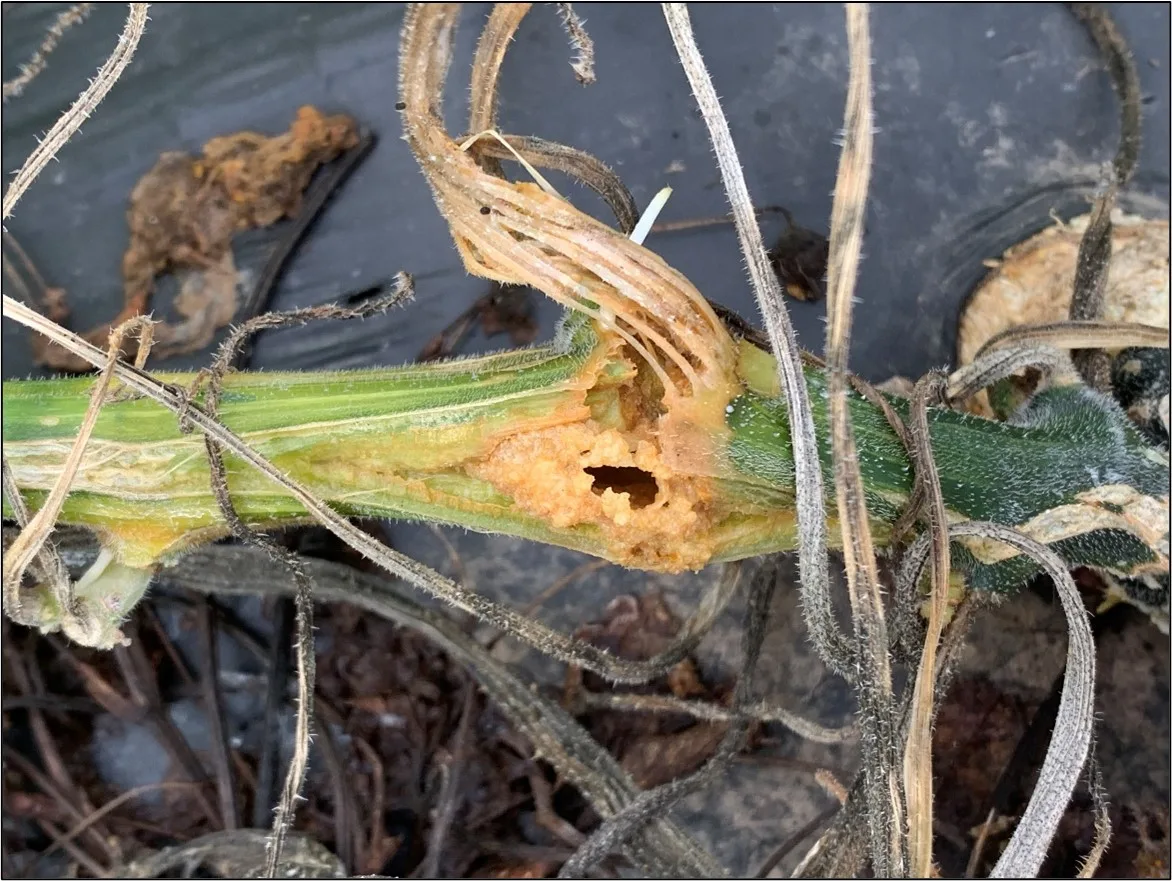
Image source: Web (Bing) / uaex.uada.edu (Web image (fair-use with source credit))
Blossom End Rot
The tip of the fruit turns brown and leathery. This is a calcium issue caused by uneven watering, not a disease. Water consistently.
Mulch to hold moisture. If the problem persists, add crushed eggshells or a calcium supplement to the soil.
Powdery Mildew
White powder coating the leaves. It thrives in humid conditions with poor air circulation. Space plants farther apart.
Water in the morning so leaves dry by nightfall. If it shows up, remove infected leaves and treat with a milk spray (1 part milk to 9 parts water).
Poor Pollination
You get lots of male flowers but no fruit. This happens when temperatures stay above 95°F or below 55°F. Also, if bees aren’t around.
Hand pollinate by picking a male flower, removing the petals, and brushing the pollen onto the center of a female flower. Female flowers have a tiny fruit at the base.
Curled or Misshapen Fruit
Usually caused by inconsistent watering or insect damage early in fruit development. Keep moisture steady. If aphids are present, spray them off with a strong jet of water.
Curled fruit is still edible, just cut away the damaged end.
Harvest Like a Pro (and Keep the Plant Producing)
Summer squash rewards consistent picking. The more you harvest, the more the plant produces. Leave one oversized fruit on the vine and the plant thinks its job is done.
It stops producing new flowers.
When to Pick
Check your plants every 2 to 3 days once fruit starts forming. Zucchini is best at 6 to 8 inches long. Yellow squash and pattypan are best at 4 to 6 inches across.
At these sizes, the skin is tender and the seeds are small. A squash that grows past 10 inches gets tough and bitter.
How to Pick
Use a sharp knife or pruners. Cut the stem about 1 inch above the fruit. Do not twist or pull.
Twisting damages the vine and invites disease. Handle the fruit gently. Bruised squash spoils fast in the fridge.
Extend the Harvest Window
You can stretch your harvest from 6 weeks to 12 weeks with three tricks. First, pick every single fruit before it gets too big. Second, fertilize again 4 weeks into harvest with a phosphorus-rich feed.
Third, remove older yellow leaves to improve airflow and redirect energy to new fruit.
What to Do with a Glut
Summer squash produces fast. You will end up with more than you can eat. That is a good problem.
Grate and freeze zucchini for baking. Slice and blanch for soups. Share with neighbors.
If fruit piles up, pick it anyway and compost the extras. Leaving oversized fruit on the vine shuts down production.
When to Pull the Plant
A healthy plant produces for 8 to 10 weeks. When you see fewer female flowers or misshapen fruit, the plant is done. Pull it out and compost it.
Do not leave squash debris in the bed over winter. It harbors pests and disease for next season.
Frequently Asked Questions
How much sun does summer squash need?
Full sun means 6 to 8 hours of direct sunlight per day. Less than 6 hours results in fewer flowers and smaller fruit. Partial shade is fine only in very hot climates where afternoon shade prevents heat stress.
Can I grow summer squash in a pot?
Yes, but use a bush variety and a 5-gallon pot. The pot must have drainage holes. Container soil dries faster, so check moisture daily.
Water deeply when the top inch of soil feels dry.
Why does my squash plant have flowers but no fruit?
You are seeing male flowers only. This is normal early in the season. Female flowers arrive 1 to 2 weeks later.
If female flowers appear but fruit does not form, hand pollinate or attract more bees with nearby flowers.
How often should I water summer squash?
Aim for 1 to 2 inches of water per week total, including rain. Water at soil level using a soaker hose or drip irrigation. Keep the soil consistently moist.
Inconsistent watering causes blossom end rot and misshapen fruit.
Which summer squash variety is easiest for beginners?
Bush zucchini is the most forgiving choice. It takes 50 to 55 days from seed to harvest. It grows compact and produces heavily.
Yellow straightneck and pattypan are also beginner-friendly options if you prefer a different shape.
Can I plant summer squash next to tomatoes or cucumbers?
Summer squash grows well near tomatoes and beans. Avoid planting it near potatoes or other cucurbits like cucumbers, melons, and pumpkins. They compete for nutrients and share the same pest problems.
Rotate squash to a different bed each year.