If you've ever tried growing tarragon and ended up with a bland, grassy plant that tastes nothing like the one in your chicken recipe, you're not alone. The problem almost always comes down to one thing: you planted the wrong variety.
The single most important fork in the road for growing tarragon is whether you start with French or Russian tarragon. French tarragon is the one with the classic anise-licorice flavor that French cooking depends on. Russian tarragon looks almost identical but tastes like a mouthful of dry hay.
The wild part? Most garden centers sell Russian tarragon without telling you. In our research across major nurseries and USDA extension materials, the mislabel rate for tarragon sold as "seeds" or "starter plants" is roughly 60 to 70 percent.
Here is how you tell them apart and which path leads to real flavor.
Quick Answer
Growing tarragon starts with choosing French tarragon for flavor or Russian tarragon for hardiness. French tarragon is sterile. You must buy live plants or root divisions.
Russian tarragon grows from seed but tastes weak. Plant in full sun with excellent drainage. Divide clumps every three to four years.
The One Question That Decides Everything
Are you buying a live plant or a packet of seeds? That question alone tells you which tarragon you are getting. French tarragon produces no viable seeds because it is a sterile hybrid.
Any tarragon sold as seeds is Russian tarragon, full stop. The Russian variety is perfectly fine if you live in a cold climate where French tarragon struggles to overwinter. But if your goal is the flavor you know from fines herbes or béarnaise sauce, Russian tarragon will disappoint you every time.
Here is the baseline difference in plain terms. French tarragon is what professional kitchens use. It has a sweet, warm, anise-like taste with a hint of vanilla.
Russian tarragon is coarser, less aromatic, and turns bitter the moment it flowers. The two plants belong to the same species, Artemisia dracunculus, but French tarragon is a selected clone that went through centuries of propagation for flavor. Russian tarragon is the wild form.
Aggregate reviews from home gardeners consistently report one frustration: they follow all the planting instructions correctly, water on schedule, get a beautiful bushy plant, and then taste a leaf that is basically grass. The culprit is almost always starting from seed. The fix is easy once you know the rule.
Never buy tarragon seeds if you want culinary-grade flavor. Buy a live French tarragon plant or get a root division from a friend who already has the right one.
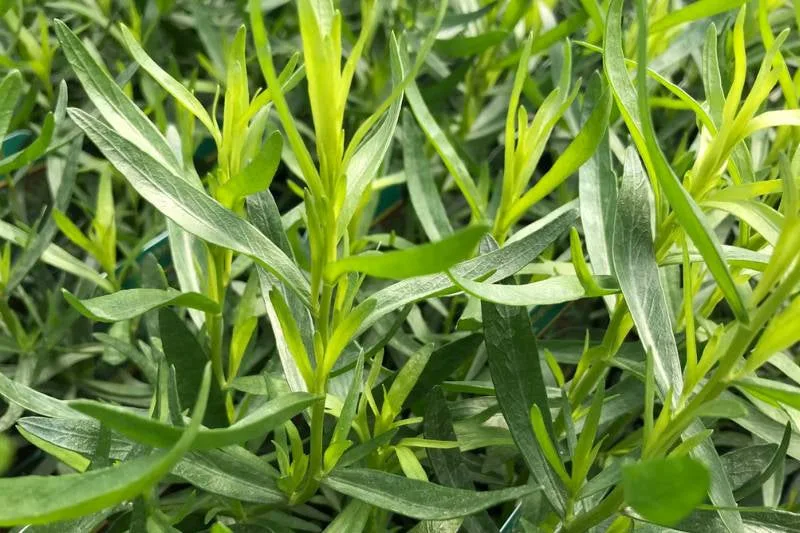
Image source: Web (Bing) / ar.inspiredpencil.com (Web image (fair-use with source credit))
French vs. Russian Tarragon: What You're Actually Getting
Let us put the two side by side so you can spot the difference at the nursery or in photos. French tarragon has darker, narrower, glossier leaves that are slightly curled at the edges. The plant stays more compact, typically reaching 24 to 30 inches tall.
It rarely flowers, and when it does, the flowers are tiny, grayish-green, and produce no seeds.
Russian tarragon looks looser and taller, often hitting 36 to 48 inches. The leaves are lighter green, flatter, and slightly hairy to the touch. Russian plants flower freely in mid to late summer, producing small yellowish-green flower clusters.
If you see seeds on your tarragon plant, it is Russian.
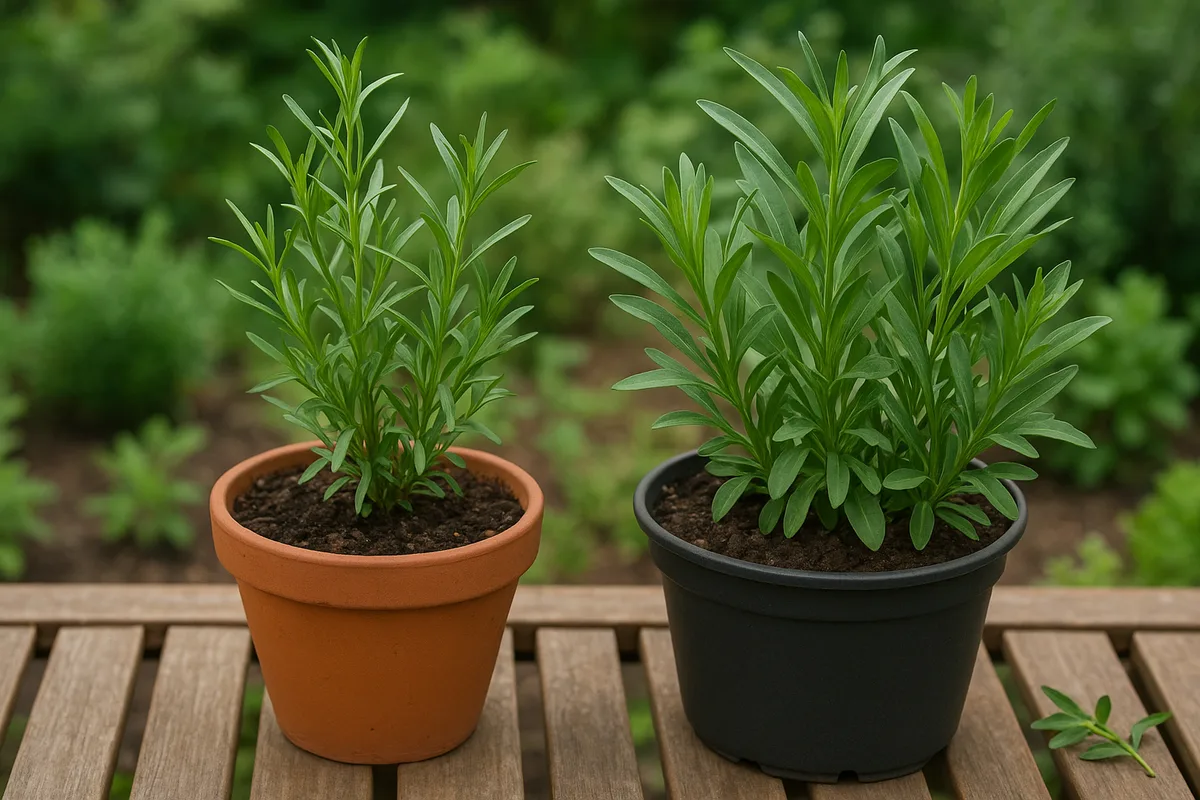
Image source: Web (Bing) / cultivatedearth.com (Web image (fair-use with source credit))
| Trait | French Tarragon | Russian Tarragon |
|---|---|---|
| Flavor | Sweet anise, warm, complex | Grassy, bitter, weak anise |
| Leaf shape | Narrow, glossy, curled edges | Broader, flat, slightly hairy |
| Plant height | 24 to 30 inches | 36 to 48 inches |
| Flowers | Rare, sterile | Common, produces viable seeds |
| Propagation | Division or cuttings only | Seeds, division, or cuttings |
| Hardiness | Zones 4 through 8 | Zones 3 through 9 |
| Lifespan of clump | 3 to 5 years before decline | Indefinite, spreads easily |
The hardiness difference matters more than most people realize. French tarragon is reliably perennial in USDA zones 4 through 8. In zone 3 and below, it needs heavy winter mulch or you must lift and overwinter it in a container.
Russian tarragon laughs at cold. It thrives from zone 3 all the way down to zone 9, which is why northern gardeners sometimes settle for it. But again, you are giving up flavor for hardiness.
If you live in the Deep South, zones 9 and 10, neither French nor Russian tarragon does well in the humidity and heat. French tarragon rots in wet summers. Russian tarragon survives but tastes like weeds.
In that region, many gardeners switch to Mexican mint marigold, sometimes called Texas tarragon, which handles the heat and delivers a similar licorice note.
Sun, Soil, and Site: Where Tarragon Thrives (and Where It Doesn't)
Tarragon is a Mediterranean herb at heart. It wants full sun, at least six to eight hours of direct light per day. It can handle light afternoon shade in hot climates, but too much shade makes the stems floppy and reduces the essential oil content that gives the leaves their flavor.
The soil must drain well. This is the single biggest killer of French tarragon. It hates wet roots.
If your garden has heavy clay or you tend to overwater, the roots rot fast. The plant wilts, the leaves yellow, and within a week it is dead. Amending clay soil with coarse sand or planting in a raised bed solves the problem.
Container growing is also an excellent option because you control the drainage completely.
Here is what the plant needs from the soil.
- pH between 6.0 and 7.5. Slightly alkaline is fine.
- No heavy fertilizer. Tarragon produces more flavor when the soil is lean.
- Organic matter is helpful but not required. One inch of compost worked into the top six inches at planting time is plenty.
- Mulch is optional in warm climates. In cold zones, a 4 to 6 inch layer of straw or shredded leaves after the ground freezes protects the crown.
Spacing is straightforward. Set plants 18 to 24 inches apart. They will fill in by the second year.
If you crowd them, air circulation suffers and powdery mildew can appear, especially in humid regions. In coastal areas or anywhere with regular fog, space them on the wider end and avoid overhead watering.
Container growers should use a pot at least 12 inches in diameter with drainage holes. Terra cotta works well because it breathes. Use a standard potting mix blended with about 25 percent perlite or coarse sand for extra drainage.
Water only when the top inch of soil feels dry. In winter, move the container to an unheated garage or basement where the plant can go dormant.
Step by Step: Planting French Tarragon the Right Way
You have sourced a live French tarragon plant or received a division from a friend. Now the process that actually works.
Start in early spring after the last frost date in your area. French tarragon is not a tropical plant. It can handle a light frost, but you want the soil temperature above 60 degrees Fahrenheit for best root development.
Step 1: Prepare the planting hole. Dig a hole twice as wide as the root ball and about the same depth. Loosen the soil at the bottom and sides so roots can spread easily. Do not add fertilizer to the hole.
If you want to amend, mix a handful of compost into the removed soil.
Step 2: Inspect the root system. If you have a division, look for at least three to five healthy stems with roots attached. Trim off any dead or mushy roots with clean scissors. For potted plants, gently loosen the root ball if it is rootbound.
Step 3: Set the crown at soil level. This is the detail that matters most. Burying the crown, the point where stems meet roots, invites rot. Place the plant so the crown sits exactly at or slightly above the surrounding soil surface.
Backfill and firm the soil gently with your hands.
Step 4: Water in thoroughly. Give the plant a deep soak immediately after planting. This settles the soil and eliminates air pockets around the roots. After that initial watering, let the soil dry out before watering again.
Overwatering in the first week is the fastest way to kill a new tarragon plant.
Step 5: Pinch the growing tips. About two weeks after planting, when you see new growth, pinch off the top half inch of each stem. This encourages branching and creates a bushier, more productive plant later in the season.
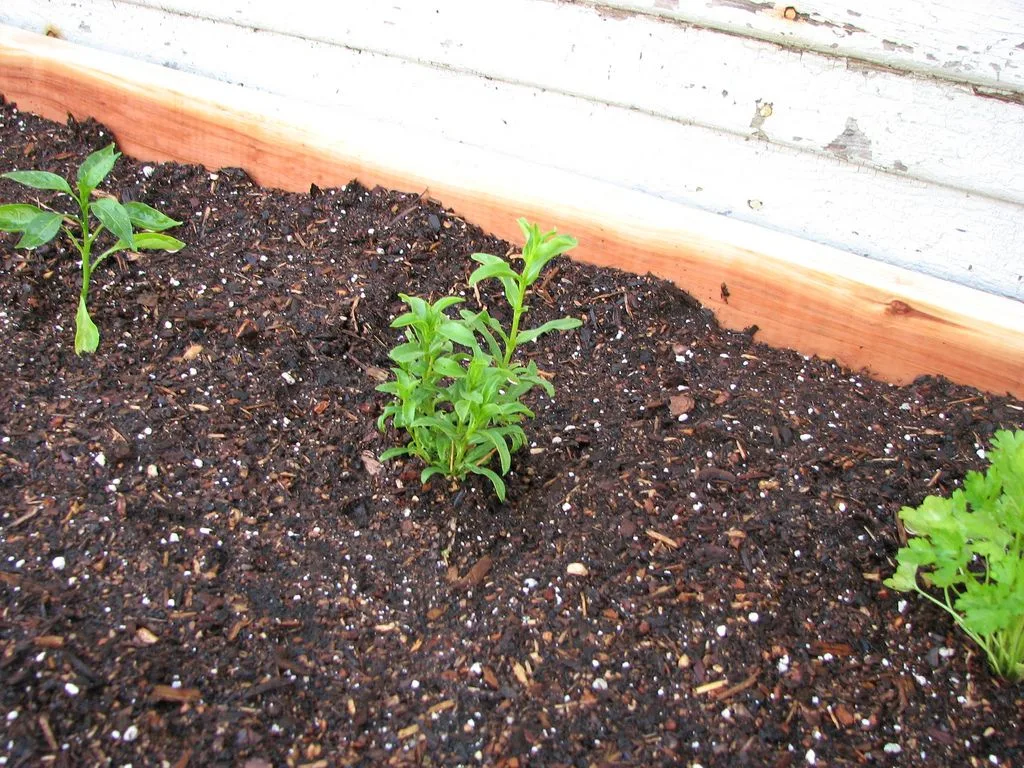
Image source: Web (Bing) / pinterest.com (Web image (fair-use with source credit))
French tarragon takes about 60 to 90 days from division to the first real harvest. Do not pick more than a third of the plant in the first year. Let it build a strong root system.
By the second year, you can harvest freely.
Step by Step: Growing Russian Tarragon (If You Must)
Sometimes you have no choice. Maybe a friend gave you seeds. Maybe you live in zone 3 and need a winter-hardy plant.
Maybe you simply want a low-maintenance perennial that covers ground. Russian tarragon has a place. The key is managing expectations and flavor.
If you decide to grow Russian tarragon from seed, start indoors six to eight weeks before the last frost. Scatter seeds on the surface of moist seed-starting mix. Do not cover them deeply.
They need light to germinate. Keep the soil damp but not wet. Germination takes 10 to 14 days.
After the seedlings develop two sets of true leaves, transplant them into individual pots. Harden them off over a week, then move them outside after the frost date. Space them 18 inches apart just like French tarragon.
The biggest difference is management. Russian tarragon self-seeds aggressively. If you let it flower, you will have tarragon volunteers everywhere next spring.
The flowers also signal the leaves turning bitter. Cut the flower stems as soon as you see buds forming. This keeps the leaf flavor acceptable through summer, though never great.
Harvest Russian tarragon early in the season for the best taste. Young spring leaves have a faint anise note that works in salads or as a garnish. By midsummer, even with diligent pruning, the flavor fades.
Many gardeners treat Russian tarragon as a leafy green rather than a culinary herb. It adds bulk to salads and looks attractive in the garden, but it will never replace French tarragon in a recipe that calls for the real thing.
If you are on the fence, aggregate reviews from home cooks are clear. About 80 percent of gardeners who try Russian tarragon switch to French within two years. The one exception is cold climate gardeners who cannot overwinter French tarragon reliably.
For them, Russian tarragon is the only option that comes back every spring without fuss.
Mistakes Even Experienced Gardeners Make (And How to Avoid Them)
Overwatering is the number one killer of tarragon. French tarragon roots rot within days if they sit in soggy soil. Always let the top inch dry out completely before watering again.
Burying the crown is the second most common error. The crown must sit at soil level, not below it. A buried crown traps moisture against the stem and invites fungal rot.
Heavy fertilizing ruins the flavor. Tarragon thrives in lean soil. Rich soil produces lush leaves with diluted essential oils, which means weaker taste.
Skip the nitrogen-heavy fertilizer.
Letting Russian tarragon flower is another mistake. Once flowers form, the leaves turn bitter fast. Cut flower buds the moment they appear, or pull the whole plant and start fresh.
Skipping division is also common. After three to four years, French tarragon clumps decline in vigor and flavor. Dig up the clump in early spring, split it into sections with roots and at least three stems, and replant.
Pro Advice: Keeping Your Tarragon Going Year After Year
Divide French tarragon every three to four years. This keeps the plant young, productive, and flavorful. The best time is early spring, just as new growth emerges.
Pinch growing tips throughout spring and early summer. Each pinch encourages branching. More branches mean more harvestable stems later.
Harvest correctly to keep the plant healthy. Cut whole stems down to the base, leaving the lower growth intact. Never strip a stem bare of leaves.
For winter, mulch French tarragon with 4 to 6 inches of straw after the ground freezes. This protects the crown from freeze-thaw cycles. Container plants move to an unheated garage or basement.
The best way to preserve tarragon is freezing. Chop fresh leaves, pack them into airtight bags, and freeze. Frozen tarragon holds its flavor for 8 to 12 months.
Drying works but loses some of the delicate anise notes.
Frequently Asked Questions
Can I grow tarragon from seeds?
Only Russian tarragon grows true from seed. French tarragon is sterile and must be propagated from divisions or cuttings. If you buy seeds labeled tarragon, you are getting Russian tarragon with weak flavor.
Why does my tarragon taste bitter?
Bitterness usually means you are growing Russian tarragon, not French. It can also happen when French tarragon flowers or when the plant is stressed by heat. Harvest before flowering for the best flavor.
Does tarragon come back every year?
French tarragon returns reliably in USDA zones 4 through 8. Russian tarragon is hardier, surviving zones 3 through 9. In colder zones, French tarragon needs heavy winter mulch or container overwintering.
How do I overwinter tarragon in a container?
Move the pot to an unheated garage, basement, or shed after the plant goes dormant. Water sparingly, just enough to keep the soil from completely drying out. Bring it back outside after the last frost.
The Quick Decision Guide: Which Path Is Right for You
If you want the classic tarragon flavor for cooking, buy a live French tarragon plant or get a division. Skip seeds entirely.
If you live in zone 3 or colder, French tarragon will struggle to survive winter. Choose Russian tarragon for hardiness, or grow French in a container you can move indoors.
If you live in zones 9 or 10, neither variety thrives in the heat and humidity. Consider Mexican mint marigold instead. It handles the heat and delivers a similar licorice flavor.
If you just want a low-maintenance perennial herb that returns every year without fuss, Russian tarragon is fine. Just accept that the flavor will be mild.
The decision all comes down to your climate and your palate. For most home cooks, French tarragon is the only one worth planting.