So you want to grow spinach. Smart move. It's one of the fastest, most rewarding crops you can put in the ground, and the taste of fresh-picked leaves makes store-bought bags feel like a sad compromise.
But here's the thing: spinach is a bit of a drama queen. Get the timing wrong, and it bolts overnight. Plant it in the wrong spot, and germination tanks.
The good news? Once you understand the few conditions it actually cares about, it's almost foolproof.
Our research shows the single biggest mistake home gardeners make is treating spinach like lettuce. It's not. Spinach has a narrow temperature sweet spot, germination happens best between 50 and 65°F, and bolting triggers when soil temps climb past 75°F.
That's a tight window. But with the right variety selection and planting schedule, you can harvest from spring through fall and even overwinter in milder zones. Let's walk through the choices so you pick the path that works for your garden.
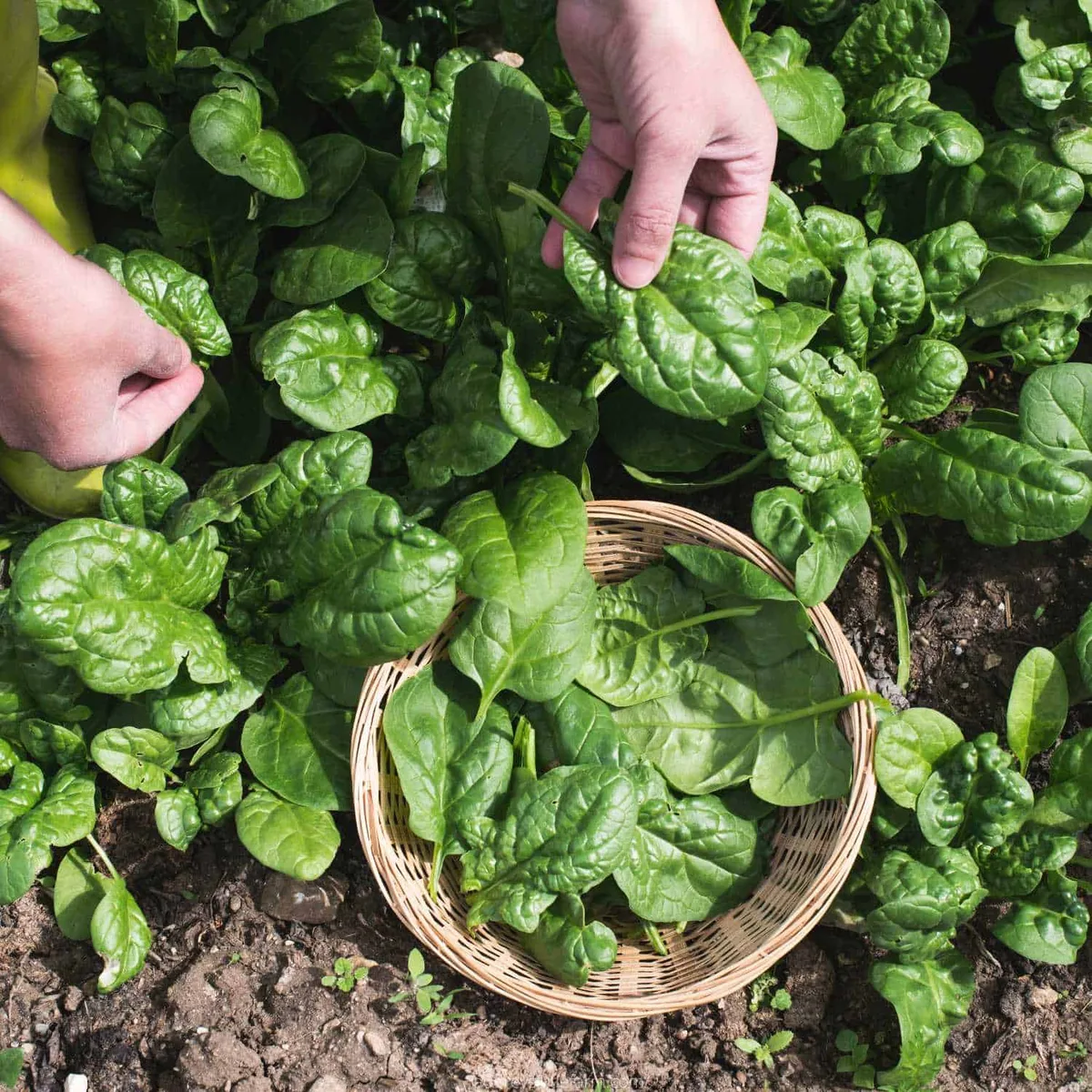
Image source: Web (Bing) / audreyslittlefarm.com (Web image (fair-use with source credit))
Quick Answer
Plant spinach 4 to 6 weeks before your last spring frost. Sow seeds ½ inch deep in well-drained soil. Space rows 12 to 18 inches apart.
Thin seedlings to 2 to 4 inches apart. Keep soil consistently moist. Harvest outer leaves when they reach 3 to 4 inches.
For fall crops, plant 6 to 8 weeks before your first fall frost. Choose bolt-resistant varieties if you want a longer harvest.
What This Decision Tree Covers (and Who It's For)
This isn't a generic "plant seeds and water" guide. You've probably skimmed those already. This is a decision-based workflow built around your specific situation, your climate, your space, and how you want to eat spinach.
We're going to walk through three big decisions:
- When to plant based on your hardiness zone and season
- Where to plant based on your available space and soil
- What variety to choose based on your harvest goals
Each branch leads to a different set of actions. By the end, you'll have a clear, personalized plan. Not a list of tips, but a real schedule you can follow.
I've structured this around research from Cooperative Extension services and decades of gardener experience. No fluff, no product pitches. Just the steps that work, explained in plain language.
The Two Big Problems: Bolting and Bad Germination
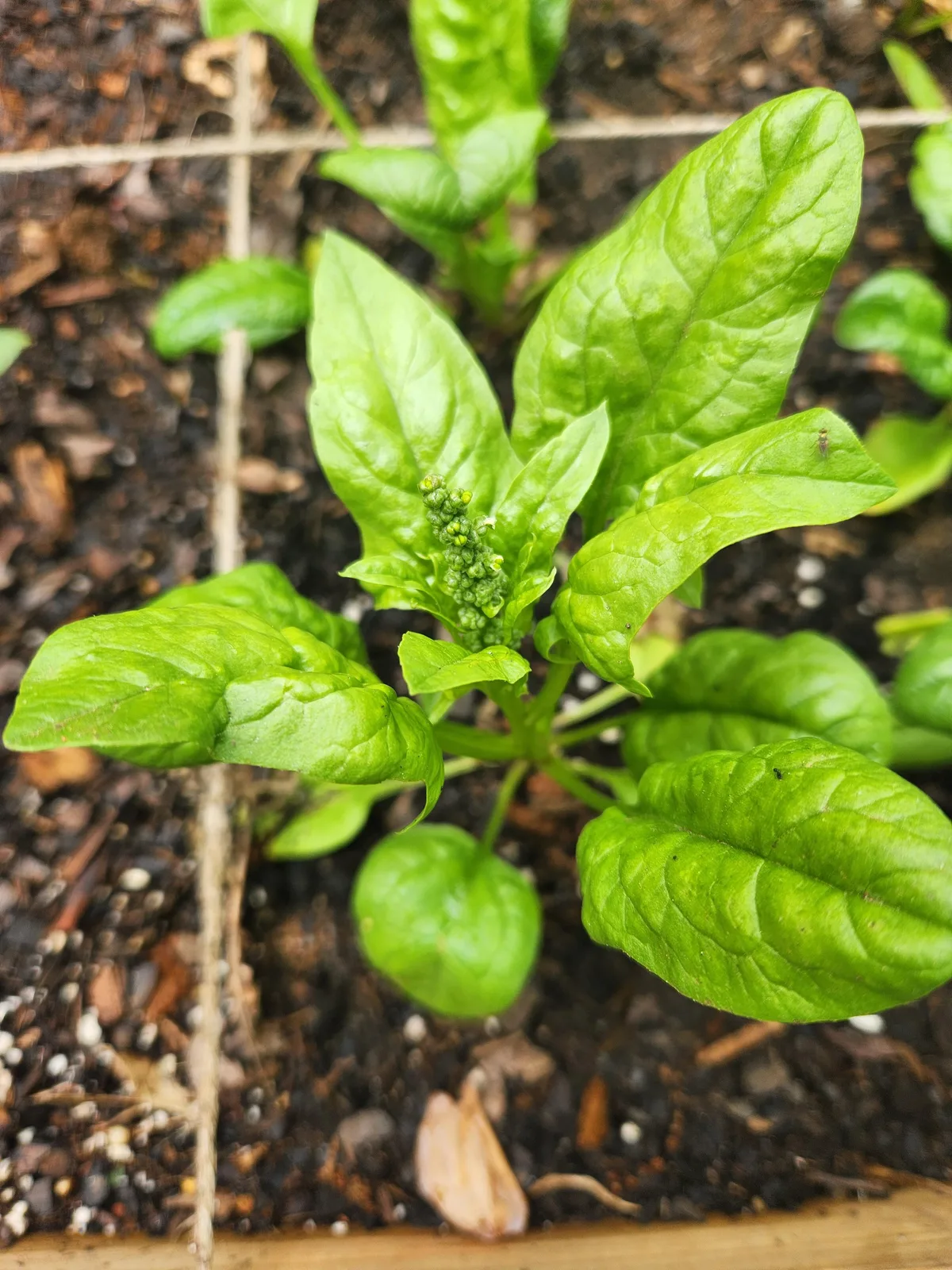
Image source: Web (Bing) / storage.googleapis.com (Web image (fair-use with source credit))
Before we get into the decisions, you need to understand the two things that kill most spinach crops. Because every choice we make is about dodging these two bullets.
Bolting is when the plant suddenly shoots up a tall flower stalk. The leaves turn bitter, tough, and basically inedible. It's triggered by two things: soil temperature above 75°F and longer day length.
Spinach is a long-day plant, meaning it's genetically programmed to flower when days get long, which happens in late spring. Even if temps stay moderate, the lengthening daylight will eventually trigger bolting. That's why spring spinach has a hard expiration date, no matter how well you water.
Poor germination happens when seeds rot or simply refuse to sprout. Spinach seeds are finicky about temperature. Too cold (below 40°F) and they sit dormant.
Too warm (above 85°F) and they fail. The sweet spot is 50 to 65°F soil temperature. If you plant in August for a fall crop, the soil might still be 80°F, your seeds won't germinate, no matter how much you water.
That's why fall spinach often requires pre-sprouting or heat-tolerant varieties.
These two problems dictate everything: when you plant, what you plant, and how you manage your crop. Keep them in mind as we go through the decisions.
First Decision: Spring, Fall, or Winter Planting? (Your Climate Rules)
Your first and most important choice is when to plant. This isn't about preference. It's about your USDA Hardiness Zone and your local frost dates.
Spring Planting (Zones 3–9)
Count backward 4 to 6 weeks from your last average spring frost date. That's your planting window. In Zone 6, that's around mid-March.
In Zone 8, it's mid-February. The goal is to get seeds in the ground while soil is still cool but not frozen. If you plant too early (frozen ground), seeds rot.
Too late (warm soil), they fail to germinate or bolt fast after sprouting.
Fall Planting (Zones 3–9)
Count backward 6 to 8 weeks from your first average fall frost date. This crop is often more productive than spring because days are getting shorter (less bolt pressure), and nights cool down naturally. The trick is getting seeds to germinate in warm August soil.
You may need to pre-sprout seeds in the fridge for 5 to 7 days, then plant in a shaded spot. As of 2026, many gardeners also use shade cloth to cool the soil during the germination window.
Overwintering (Zones 6 and Warmer)
If your winters stay above -10°F, you can plant in late fall and harvest in early spring. Use a cold-hardy variety like 'Bloomsdale' and mulch heavily with straw or row covers. The seeds germinate in fall, then the plants go dormant over winter and resume growth as soon as soil thaws.
You get a harvest 3 to 4 weeks earlier than any spring planting.
| Season | Best Zones | Planting Window | Harvest Window | Key Risk |
|---|---|---|---|---|
| Spring | 3–9 | 4–6 weeks before last frost | 6–8 weeks after germination | Bolting when temps rise |
| Fall | 3–9 | 6–8 weeks before first frost | Until hard freeze | Warm soil at planting |
| Overwinter | 6 and warmer | 4–6 weeks before first frost | Early spring | Severe winter temps |
Your decision: if you're in a colder zone (3, 5), focus on spring and fall. If you're in a warmer zone (7, 9), fall and overwintering give you the best results because spring is too short.
Second Decision: In-Ground, Raised Bed, or Container? (Your Space Rules)
Once you know your planting window, the next question is physical space. Spinach is flexible, but each option has trade-offs.
In-Ground Beds
This works best if you have decent native soil that drains well. The main advantage is root depth, spinach can push its taproot 12 to 18 inches down, accessing moisture and nutrients. The downside?
Heavy clay soil or compacted dirt means poor germination because seeds can't push through. If your soil is clay, this is a bad option without significant amendment. You'll need to loosen it 8 to 10 inches deep and mix in 2 to 3 inches of compost.
Best for: Gardeners with existing beds, large-scale growing, or anyone who wants to plant a full row.
Raised Beds
These give you total control over soil quality. Fill them with a mix of topsoil, compost, and a little sand for drainage. Soil warms up faster in spring, which can be good or bad, good for early germination, bad for bolting if you don't mulch.
Raised beds drain well, which spinach likes, but they also dry out faster, so you'll water more often.
Best for: Gardeners with poor soil, limited space, or who want to extend the season with row covers easily attached to the bed frame.
Containers
You can grow spinach in any container at least 6 inches deep. Depth is the key metric. Shallow pots dry out too fast, and spinach is sensitive to moisture stress.
Use a pot that's at least 8 to 10 inches deep for best results. Containers heat up fast in direct sun, so place them where they get morning sun and afternoon shade. This can delay bolting by keeping roots cooler.
Best for: Balconies, patios, small yards, or anyone who wants to bring fresh greens close to the kitchen door.
Your decision: if you have decent soil, go in-ground. If you want the best yield per square foot and can invest in building beds, go raised. If you're tight on space or want to control temperature with placement, go containers.
Third Decision: Savoy, Semi-Savoy, or Smooth-Leaf? (Your Harvest Goal)
Now that you know when and where you're planting, the third choice is what variety to grow. This isn't about brand names. It's about leaf type and growth habit, and each one serves a different purpose.
Savoy spinach has dark, crinkled leaves with deep texture. It's the cold-hardiest option. 'Bloomsdale' is the classic heirloom and handles frost better than any other type.
The downside? Those crinkles trap soil and sand, so you'll spend more time washing. Best for fall and overwintering crops where cold tolerance matters more than easy cleaning.
Semi-savoy leaves are slightly crinkled but much easier to rinse. Varieties like 'Tyee' and 'Space' are the workhorses of home gardens. They're bolt-resistant, slow to flower, and produce heavy yields.
If you only grow one type, make it semi-savoy. It works for spring, fall, and even early summer with afternoon shade.
Smooth-leaf spinach has flat, spade-shaped leaves. It grows fast, 25 to 35 days for baby leaf, and washes clean in seconds. Varieties like 'Corvair' and 'Giant Noble' are ideal for spring planting when you want quick harvests.
The trade-off: they bolt faster in warm weather and don't survive hard frosts. Best for spring baby leaf production.
Your decision: if you want cold tolerance and don't mind washing, go savoy. For all-around performance, go semi-savoy. For fast baby leaf harvests in spring, go smooth-leaf.
Step-by-Step Workflow: From Seed to Harvest (with Cut-and-Come-Again)
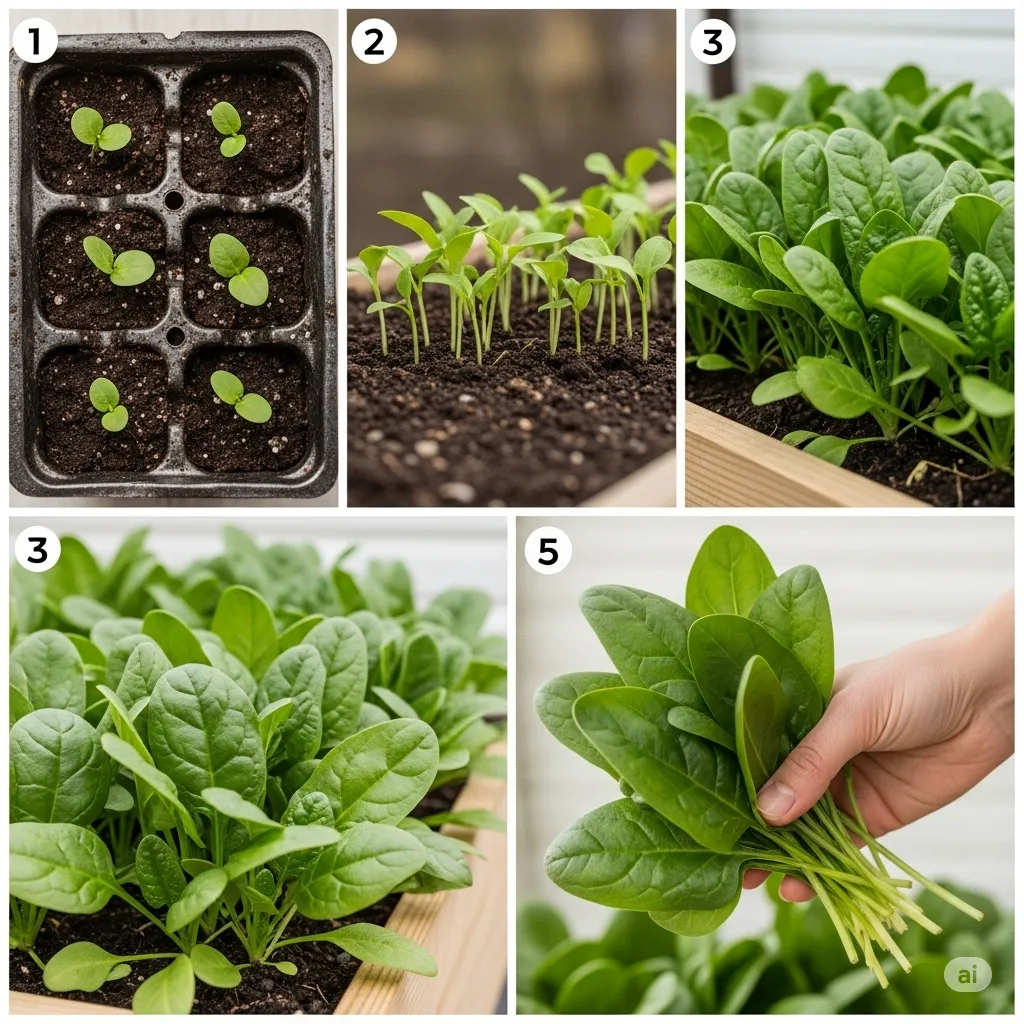
Image source: Web (Bing) / trucoshogarjardin.com (Web image (fair-use with source credit))
Here's the actual process, step by step. Follow this and you'll have spinach for weeks, not just one harvest.
Step 1: Prepare your soil. Loosen it 8 to 10 inches deep. Mix in 2 to 3 inches of well-aged compost. Rake smooth.
Water the bed a day before planting so it's evenly moist, not muddy.
Step 2: Sow seeds. Drop them ½ inch deep and 1 inch apart. Cover lightly with soil and pat down. If your soil is dry, water gently with a fine spray.
Don't flood the seeds or they'll float and cluster.
Step 3: Thin seedlings. When the first true leaves appear (about 10 to 14 days after sprouting), thin to 2 inches apart for baby leaf or 4 inches for full-size plants. Use scissors to snip extras at soil level. Pulling them disturbs the roots of neighboring plants.
Step 4: Water consistently. Spinach needs about 1 to 1.5 inches of water per week. Check soil moisture 2 inches down, if it's dry, water. Drip irrigation or soaker hoses are best because they keep leaves dry and reduce disease.
Step 5: Fertilize lightly. Apply a balanced liquid fertilizer (like fish emulsion) every 2 to 3 weeks. Spinach is a moderate feeder. Too much nitrogen makes leaves tender but also more prone to disease.
A side-dress of compost halfway through the season works perfectly.
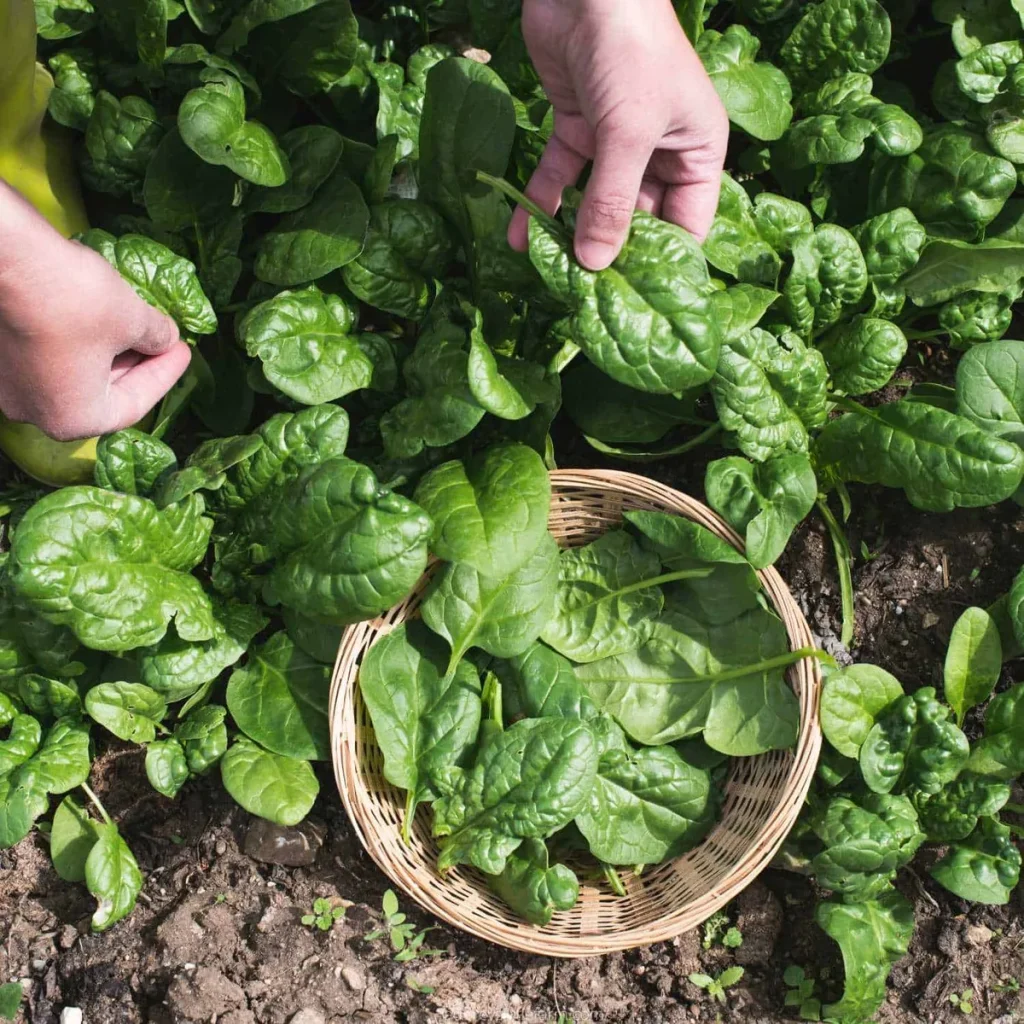
Step 6: Harvest using cut-and-come-again. Wait until leaves are 3 to 4 inches long. Take the outer leaves first, leaving the inner rosette to keep growing. Never take more than one-third of the plant at a time.
This method extends your harvest by 3 to 4 weeks per plant.
Step 7: Start a second planting. Two weeks after your first planting, sow another batch. This succession planting ensures a continuous supply. In spring, you'll get three to four plantings before heat shuts you down.
In fall, you can plant every two weeks until 6 weeks before your first hard frost.
Common Mistakes That Wreck Your Spinach (and How to Fix Them Fast)
Let's save you some heartache. These are the mistakes I see over and over in garden forums, extension service reports, and my own early attempts.
Planting too late in spring. The most common error. Spinach needs cool soil to germinate and grow. If you wait until after your last frost date, the soil is already warming, and you're racing against bolting.
Fix: plant 4 to 6 weeks before your last frost. Use a soil thermometer. If the ground is workable and soil temp is above 40°F, plant.
Not thinning seedlings. Seeds are tiny, so it's tempting to sow thick. But crowded spinach plants compete for light and moisture. They grow leggy, weak, and bolt faster.
Fix: thin ruthlessly. It feels wasteful, but a few strong plants yield more than dozens of spindly ones.
Letting soil dry out. Spinach has shallow roots. Even one day of dry soil stresses the plant. Stressed spinach bolts.
Fix: check moisture every morning during dry spells. Mulch with straw or shredded leaves to keep soil cool and moist.
Ignoring soil pH. Spinach is sensitive to acidic soil. Below pH 6.0, growth slows and leaves turn yellow. Fix: test your soil before planting.
If pH is below 6.0, add lime according to your test results. Aim for 6.5 to 7.0.
Planting only once. One planting gives you one harvest window, and then it's over. Fix: use succession planting. Sow a new batch every two weeks.
You'll extend your harvest from 3 weeks to 10 weeks or more, depending on your season.
Frequently Asked Questions
Can I grow spinach in partial shade?
Yes. Spinach actually prefers partial shade in warmer climates. Four to five hours of direct sun with afternoon shade is ideal.
Full sun works in cool spring weather but can push plants to bolt faster in late spring.
How do I know when to harvest spinach?
Harvest when leaves are 3 to 4 inches long for baby spinach, or 6 to 8 inches for full-size leaves. Pick outer leaves first. If you see a flower stalk starting, harvest the entire plant immediately, the leaves will turn bitter within days.
Why is my spinach germinating poorly?
The most common causes are soil that's too warm (above 80°F), too cold (below 40°F), or too dry. Also, old seeds lose viability quickly. Spinach seeds are only reliably viable for 1 to 2 years.
Start with fresh seed each season for best results.
Can I grow spinach in summer?
Only in cooler climates (zones 3, 5) or with heavy shade cloth and constant moisture. For most gardeners, summer is a non-starter. Focus on spring and fall crops instead.
Use Swiss chard or New Zealand spinach as warm-weather alternatives.
How do I prevent bolting?
Choose bolt-resistant varieties like 'Tyee' or 'Space'. Plant early in spring or late in summer for fall. Provide consistent moisture.
Mulch to keep soil cool. Give afternoon shade if possible. And harvest regularly, plants that are picked often are less likely to bolt.
Do I need to fertilize spinach?
Lightly. Mix compost into the soil before planting. Then apply a balanced liquid fertilizer every 2 to 3 weeks.
Don't overdo nitrogen, it encourages lush growth that's more susceptible to disease and pest problems.
Extending the Harvest: Succession Planting and Season Stretching
Succession planting is the single best way to get more spinach from the same garden space. Instead of planting once, sow a new batch every 2 weeks. Each new planting matures just as the previous one slows down.
Plant your first batch 4 to 6 weeks before your last frost. Mark your calendar and sow another row every 14 days after that. You'll get three or four spring plantings before heat shuts you down.
For fall, start again 8 weeks before your first frost and plant every 2 weeks until 6 weeks before.
Season-stretching tools help too. Use row covers to protect early spring plants from hard frosts. They add about 4 degrees of frost protection.
In fall, a cold frame lets you harvest spinach well past your first hard freeze.
Common Spinach Pests and How to Handle Them
Leaf miners are the most frequent spinach pest. They leave squiggly pale tunnels inside leaves. You'll see them mostly in spring and fall.
Fix: use floating row covers right after planting to keep flies from laying eggs. Remove and discard any damaged leaves. Don't compost them.
Aphids cluster on leaf undersides and new growth. They suck plant sap and slow growth. A strong spray of water knocks them off.
For heavier infestations, use insecticidal soap. Check under leaves every few days; catching them early is everything.
Slugs and snails chew ragged holes in leaves, especially in damp weather. Hand-pick them at dusk. Set out a shallow beer trap if they're relentless.
Keep mulch away from direct contact with plant stems to reduce hiding spots.
Harvesting, Storing, and Freezing Spinach
Harvest in the morning before the leaves get warm. Cool leaves stay crisp longer. Use scissors to cut individual outer leaves, leaving the center rosette to keep producing.
This extends your harvest by weeks.
Store unwashed leaves in a plastic bag with a paper towel. The towel absorbs excess moisture, which prevents sliminess. Use within 5 to 7 days for best quality.
Refrigerate at 32 to 40°F.
Freezing works great for smoothies, soups, and sautés. Blanch leaves in boiling water for 2 minutes, shock them in ice water, then squeeze dry. Pack into freezer bags.
Frozen spinach keeps for 8 to 12 months. That's a lot of free greens, as of 2026, from a crop that cost you $3 in seed.