Growing rosemary isn't hard, but it does ask you to make one big decision before you do anything else. The whole process hinges on whether you're growing it indoors or outdoors. Get that right, and everything else falls into place.
In our research, the single most important factor for success is matching your variety and setup to your local climate. The USDA Plant Hardiness Zone map is a good starting point for outdoor growers. Let's walk through your choices so you know exactly what to do next.
Quick Answer
Grow rosemary in full sun and well-draining soil. Water only when the top inch is dry. Pick a cold-hardy variety if you live in a cold area.
Bring plants indoors before frost if you are in zone 7 or colder.
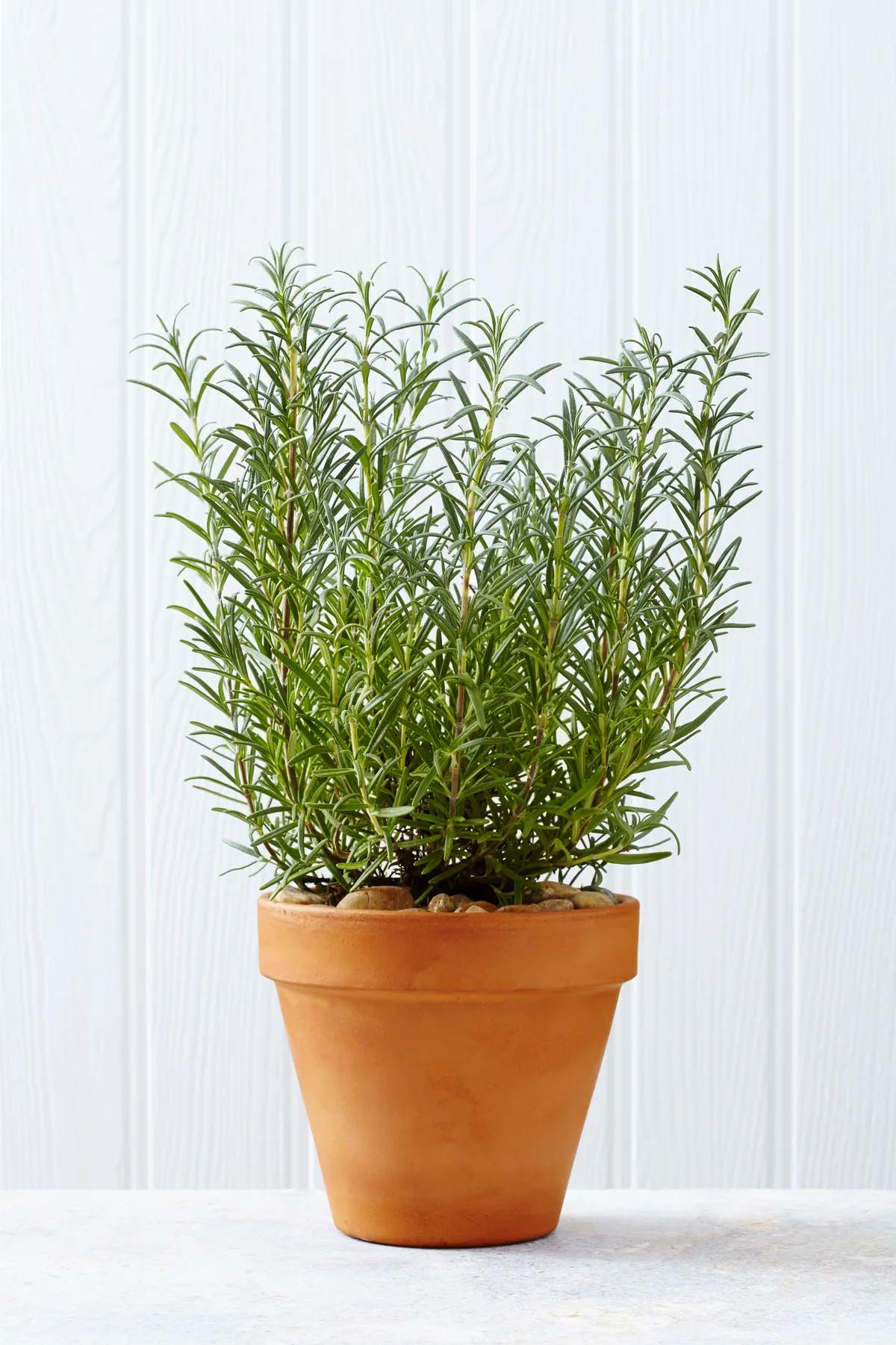
Image source: Web (Bing) / thespruce.com (Web image (fair-use with source credit))
Start Here: The One Question That Determines Everything About Growing Rosemary
Before you buy a plant or open a seed packet, ask yourself one question: Where will this rosemary live for the next 12 months? The answer changes everything, what variety you choose, what pot size you need, how often you water, and whether the plant will survive winter.
The two main paths are indoor and outdoor. Each has different rules.
If you are growing rosemary indoors, in a pot on a windowsill or under grow lights, you have full control over temperature. But you also take on every responsibility. Rosemary needs at least 6 hours of direct sun per day.
Most windowsills provide less. You will likely need a grow light. You must also manage watering carefully.
Indoor pots dry out slower than outdoor ones, and root rot is the number one killer.
If you are growing rosemary outdoors, in the ground or in a container, climate becomes the deciding factor. Outdoor rosemary thrives in zones 8 through 10. In zones 6 and 7, you need a cold-hardy variety and winter protection.
In zone 5 or colder, you must treat it as an annual or bring it inside before the first frost.
If you do not know your zone yet, check the USDA Plant Hardiness Zone Map. That single piece of data will guide every other decision you make.
Picking Your Rosemary Variety: Cold-Hardy, Upright, or Trailing?
Most garden centers sell a generic "rosemary" label. But the variety matters more than you think. Choose the wrong one, and your plant may not survive winter or may grow in a shape that does not fit your space.
Here are the three main categories and who each one is best for.
Cold-hardy varieties are for you if you live in USDA zone 6 or 7. These cultivars can survive temperatures down to 15 to 20 degrees Fahrenheit. The most popular options include:
- 'Arp', one of the hardiest, tolerates zone 6 winters
- 'Hill Hardy', reliably withstands cold and retains good flavor
- 'Madeline Hill', a newer cultivar bred for cold tolerance
Upright varieties are for you if you want a full shrub for the garden or a large container. These plants grow 3 to 5 feet tall and produce thick stems perfect for harvesting. 'Tuscan Blue' and 'Miss Jessup's Upright' are common choices.
Trailing or creeping varieties are for you if you want a groundcover or a hanging basket plant. These varieties stay low and spill over edges. 'Prostratus' is the most popular.
Its flavor is milder, so it is better for landscaping than cooking.
If you plan to cook with your rosemary, stick with upright varieties. They produce more usable leaves per stem. If you only want the plant for its looks, trailing types are a solid choice.
Indoor vs Outdoor: Which Path Fits Your Home and Climate?
Here is where the decision tree branches. Your choice depends on three things: your climate, your available space, and how much maintenance you want to do.
You should grow rosemary indoors if:
- You live in zone 5 or colder and do not want to lose the plant every winter
- You have a south-facing window that gets 6+ hours of direct sun
- You are willing to use a grow light when natural light drops in winter
- You want fresh herbs year round without stepping outside
You should grow rosemary outdoors if:
- You live in zone 7 or warmer and can leave it outside year round
- You have a sunny garden bed or a large pot on a patio
- You prefer a low-maintenance plant that does not need daily attention
- You want a larger shrub that produces more harvestable stems
Indoor growing requires more vigilance. The biggest mistake indoor growers make is overwatering. Rosemary in a pot has limited soil volume and cannot recover from soggy roots.
Our research shows that most indoor rosemary deaths happen within the first 60 days due to overwatering or insufficient light.
Outdoor growing is easier once established, but you must account for winter. Even in zone 8, a hard freeze can damage unprotected plants. A cold frame, frost cloth, or heavy mulch can extend your outdoor growing window by 10 to 15 degrees.
Planting Rosemary the Right Way – Pots, Ground, Seeds, or Cuttings
Once you have chosen your location and variety, the next decision is how to start. You have four options: nursery transplants, cuttings, seeds, or direct ground planting. Each has different timelines and success rates.
Nursery transplants (most reliable)
This is the best route for beginners. A nursery plant is already 6 to 12 months old and ready to go in the ground or a pot. Aggregate reviews from home gardeners report a 90 percent success rate with transplants versus roughly 30 percent for seeds.
Cost: $3 to $10 per plant as of 2026.
Stem cuttings (cheapest and fast)
Rosemary roots easily from cuttings. Take a 4 to 6 inch stem from a healthy plant. Remove the lower leaves.
Dip the cut end in rooting hormone. Place it in moist potting mix. Roots appear in 2 to 4 weeks.
This method works for both indoor and outdoor setups and costs almost nothing.
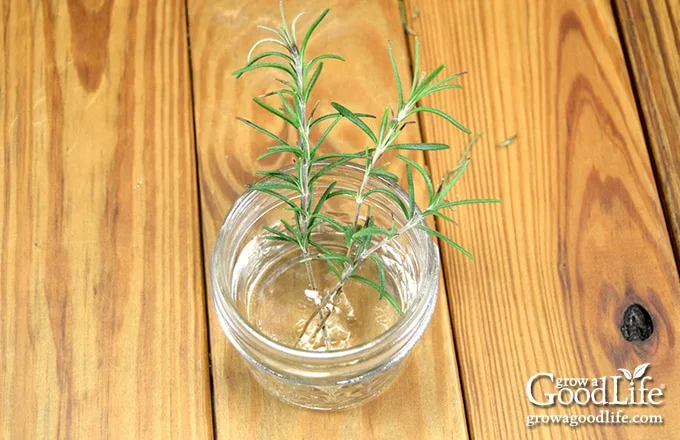
Image source: Web (Bing) / growagoodlife.com (Web image (fair-use with source credit))
Seeds (slow and unpredictable)
Rosemary seeds have a notoriously low germination rate. They take 14 to 28 days to sprout and need consistent warmth (65 to 75 degrees Fahrenheit). Even then, only about half the seeds may germinate.
This is the least recommended method unless you enjoy the challenge.
Direct ground planting
If you are planting outdoors, dig a hole twice as wide as the root ball and just as deep. Mix in sand or perlite if your soil is clay heavy. Rosemary absolutely needs sharp drainage.
If water puddles in the hole after a rain, pick a different spot or use a raised bed.
For pots, choose a container at least 12 inches wide with drainage holes. Terracotta works well because it wicks away moisture. Avoid plastic pots unless you are very careful with watering.
The Simple Care Routine That Keeps Rosemary Thriving (Sun, Water, Soil)
Once your rosemary is planted, the daily care is straightforward. Follow these three rules and you will avoid 90 percent of common problems.
Sun. Rosemary needs full sun. That means 6 to 8 hours of direct, unfiltered light every day. Indoors, place it in a south-facing window or under a grow light set to 14 to 16 hours per day.
If the leaves start to look pale or the stems stretch out, the plant is not getting enough light.
Water. This is where most people go wrong. Rosemary is a Mediterranean plant. It evolved in dry, rocky soil.
It does not like wet feet.
- Stick your finger into the soil. If the top 1 to 2 inches feel dry, water deeply.
- If the soil still feels moist, wait. Do not water on a schedule.
- Indoors, pots dry out slower. Check every 7 to 10 days.
- Outdoors in summer, you may need to water every 5 to 7 days during dry spells.
- In winter, reduce watering. Dormant rosemary uses very little water.
Soil. Rosemary needs well-draining, slightly alkaline soil with a pH between 6.0 and 7.0. If your soil is heavy clay, amend it with sand or perlite. For pots, use a cactus or herb potting mix.
Never use standard garden soil in a container, it compacts and holds too much water.
If you follow these three rules consistently, your rosemary will outgrow its pot within a year or two. That is a good problem to have.
Common Rosemary Problems and How to Fix Them Before It’s Too Late
Even with good care, rosemary can run into trouble. The key is catching problems early. Here are the most common issues and exactly what to do.
Root rot is the number one killer. It happens when the soil stays wet too long. The leaves turn yellow, then brown.
The stems get mushy near the base. If you catch it early, stop watering immediately. Let the soil dry out completely.
If the plant is in a pot, repot it with fresh, dry soil. Cut away any black or mushy roots. Root rot is very hard to reverse once it spreads.
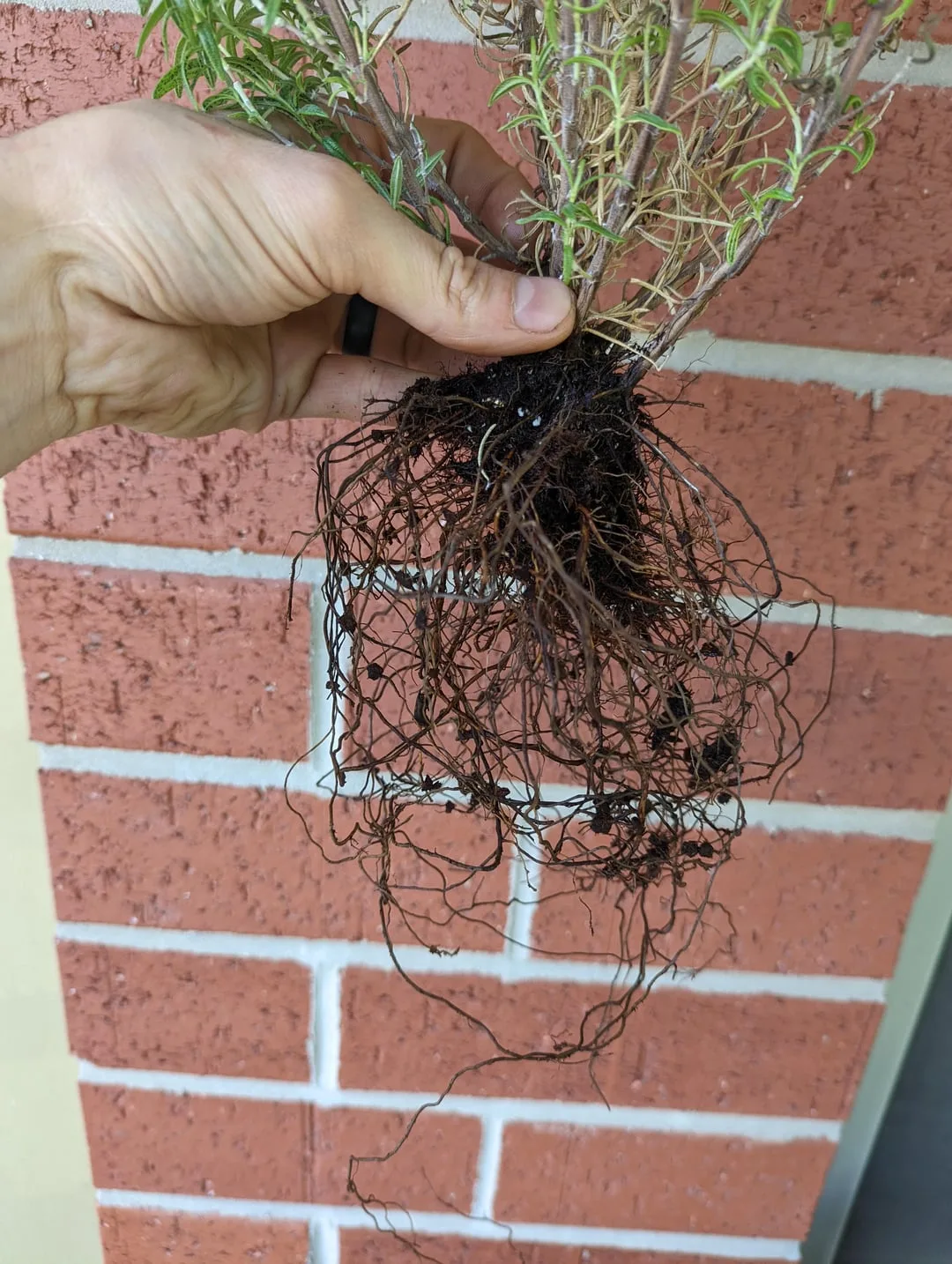
Image source: Web (Bing) / reddit.com (Web image (fair-use with source credit))
Powdery mildew shows up as a white, dusty coating on the leaves. It thrives in humid conditions with poor air circulation. Increase airflow around the plant.
Space outdoor plants farther apart. Move indoor plants to a spot with better ventilation. You can wipe the leaves with a diluted neem oil solution.
Spider mites attack indoor rosemary more often than outdoor plants. Look for fine webbing on the stems and tiny yellow specks on the leaves. Dry air encourages them.
Increase humidity around the plant with a pebble tray or a light misting. Rinse the leaves with water to knock the mites off.
Leggy growth means the plant is stretching for more light. The stems get long and thin with wide gaps between leaves. Move the plant to a brighter spot immediately.
For indoor plants, a grow light set 4 to 6 inches above the plant is the best fix. Prune the leggy stems back to encourage bushier growth.
Yellow leaves are usually a watering issue. If the lower leaves turn yellow and drop, you are likely overwatering. If the leaves are pale all over, the plant needs more light.
Check the soil moisture first. Then check the light levels. One of those two is almost always the cause.
Harvesting, Pruning, and Overwintering – Keeping Your Plant Healthy Year After Year
How do you harvest rosemary without damaging the plant?
Use sharp scissors or pruning shears. Cut stems from the top of the plant, about 4 to 6 inches long. Make the cut just above a leaf node.
That encourages new growth. Never strip all the leaves from one stem. Never take more than one third of the plant at once.
A healthy rosemary can be harvested every few weeks during the growing season.
When and how should you prune rosemary?
Prune in early spring or right after the plant finishes flowering. Do not prune in late fall. That stimulates new growth that will die in winter.
Remove any dead or woody stems first. Then shape the plant by cutting back the longest stems. Regular pruning keeps rosemary bushy and productive.
How do you overwinter rosemary in cold climates?
This depends on where your plant lives.
If rosemary is in a pot, bring it inside before the first frost. Place it in a bright, cool room. A basement with a grow light works well.
Water sparingly. The plant will slow down in winter. It needs much less water than in summer.
If rosemary is in the ground, you have fewer options. Mulch heavily around the base with straw or wood chips. Cover the plant with frost cloth or a cardboard box on freezing nights.
In zone 6 or 7, cold-hardy varieties can survive with this protection. In zone 5 or colder, the plant will likely not make it through winter outdoors.
Frequently Asked Questions
Can rosemary survive winter indoors?
Yes, rosemary can survive winter indoors if it gets enough light and you reduce watering. Place it in a south-facing window or under a grow light. Water only when the top inch of soil is dry.
Do not fertilize during winter. The plant is resting.
Why is my rosemary plant turning brown?
Brown leaves usually mean one of three things: overwatering, underwatering, or cold damage. Check the soil moisture first. Mushy soil means root rot.
Bone dry soil means the plant is thirsty. If neither matches, the plant may have been exposed to freezing temperatures.
How often should I water rosemary?
There is no set schedule. Check the soil instead. Stick your finger 1 to 2 inches deep.
If it feels dry, water deeply. If it still feels moist, wait. In summer, that may mean every 5 to 7 days.
In winter, every 2 to 3 weeks or less.
Does rosemary need full sun?
Yes, rosemary needs full sun. That means at least 6 hours of direct sunlight per day. Indoors, a south-facing window is best.
Without enough light, the plant gets leggy and loses its strong flavor.
How long does a rosemary plant live?
A well cared for rosemary plant can live 5 to 10 years. Some gardeners report plants lasting 15 years or more. The key is good drainage, proper pruning, and protection from harsh winters.
Can I grow rosemary from a cutting?
Yes, cuttings are the easiest and most reliable way to propagate rosemary. Take a 4 to 6 inch stem from a healthy plant. Remove the lower leaves.
Place it in moist potting mix. Roots appear in 2 to 4 weeks. This method has a much higher success rate than growing from seed.