Growing rhubarb isn’t complicated, but it’s not a set-it-and-forget-it crop either. You can’t just drop a crown in the ground and expect perfect stalks every season without understanding a few key conditions first. The difference between a plant that thrives for a decade and one that rots in its first winter comes down to three things: your climate, your soil drainage, and a handful of smart choices you make at planting time.
Per USDA hardiness zone data and university extension trials, rhubarb performs best in zones 3 through 7, where winter temperatures drop below 40°F for at least six to eight weeks to satisfy its dormancy requirement. In warmer zones, you can still grow it, but you’ll need a different strategy. Let’s walk through the decisions you’ll face, from the moment you buy your crowns to your first real harvest.
Quick Answer
Growing rhubarb starts with choosing the right planting method for your situation. You can plant crowns or seeds, but crowns give you a head start. Prepare the soil with plenty of organic matter and ensure good drainage.
Plant crowns 1 to 2 inches deep and space them 3 feet apart. Do not harvest any stalks in the first year. Wait until the second full growing season for your first real harvest.
Is Rhubarb Right for Your Garden?
Before you buy a single crown, you need an honest look at your growing conditions. Rhubarb is a perennial that will sit in the same spot for 10 to 15 years. That location makes or breaks your long-term success.
Climate zone matters more than most people realize. If you live in USDA zone 8 or warmer, rhubarb struggles because it needs a winter chill to break dormancy. Without those cool months, the plant gets weaker each year. In zones 3 through 7, you’re in the sweet spot.
In zone 8 and above, you have two options: treat rhubarb as an annual and replant each spring, or give it afternoon shade and extra water to help it survive the heat.
| Condition | Pass | Fail |
|---|---|---|
| Winter chill (6+ weeks below 40°F) | Strong perennial growth | Weak plant, bolting risk |
| Full sun (cool climates) | 6+ hours direct sun | Shade leads to thin stalks |
| Well-drained soil | Raised bed or sandy loam | Heavy clay causes crown rot |
Sun exposure is your second decision point. In cool northern gardens, rhubarb needs full sun to build strong stalks. In hot southern gardens, too much direct afternoon sun can scorch the leaves and stress the plant. If you’re in a warmer zone, aim for morning sun with afternoon shade.
Drainage is non-negotiable. Rhubarb hates wet feet. If water pools where you plan to plant, you’ll see crown rot within two seasons. A raised bed solves this problem instantly.
If your soil drains well naturally, you can plant in-ground.
Here’s the simple decision rule: if your yard has heavy clay or you live in a rainy area, build a raised bed. If you have sandy loam that dries quickly, in-ground planting works fine. Choose your spot based on that first.
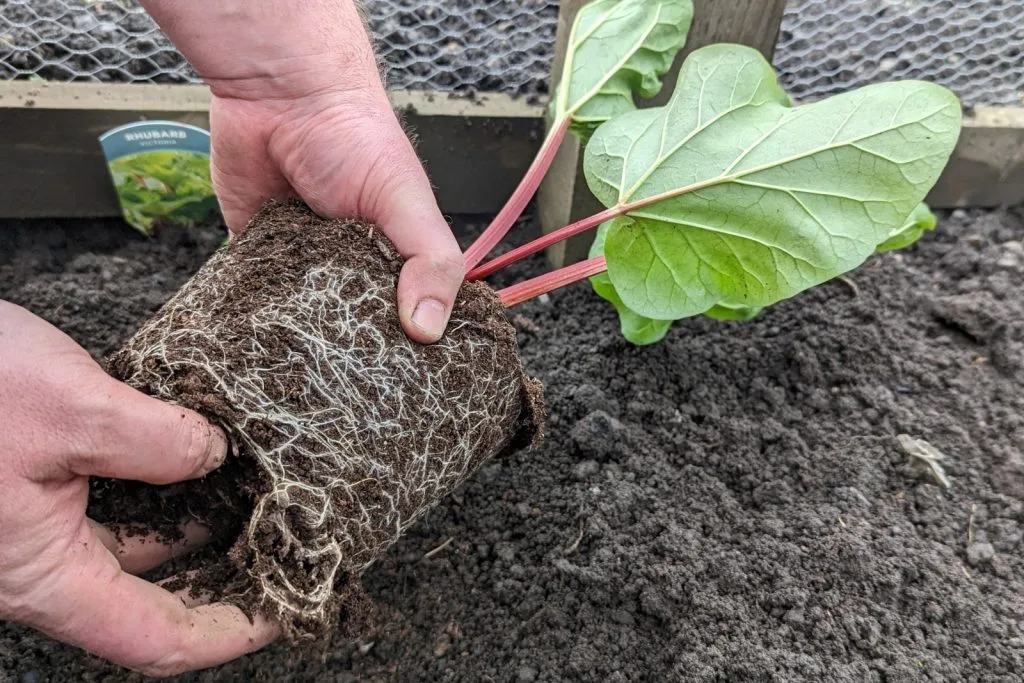
Image source: Web (Bing) / mygardenlife.com (Web image (fair-use with source credit))
Planting Method: Crowns vs Seeds – Which Wins for You?
You have two ways to start rhubarb, and your choice depends on your patience and your budget.
Crowns are the most reliable option for most home gardeners. A crown is a dormant root division from a mature plant, usually one to two years old. When you plant a crown in early spring, it sends up leaves within a few weeks. You get a full-sized plant by the end of the first season.
The trade-off is cost. A single crown runs around $5 to $12 depending on the variety, and you need at least two or three plants for a decent harvest.
Seeds are cheaper but slower. A packet of rhubarb seed costs about $3 and gives you dozens of plants. The catch is that seed-grown rhubarb takes longer to reach harvest size. You’ll wait a full year before you can do any picking, and seedlings can be variable.
Some may produce thin stalks or bolt early. If you’re patient and want a large patch on a budget, seeds work. If you want a reliable harvest as fast as possible, crowns are the better choice.
| Method | Cost | Time to First Harvest | Variety Selection | Reliability |
|---|---|---|---|---|
| Crowns | $5–$12 per plant | Year 2 | Good (limited to nursery stock) | High |
| Seeds | ~$3 per packet | Year 3 | Wide (many heirloom and modern types) | Moderate |
Here’s the decision branch. If you want to start harvesting in your second spring and you’re willing to spend a bit more, buy crowns. If you have more time than money and enjoy growing from scratch, start seeds indoors eight to ten weeks before your last spring frost. Either way works, but crowns take the guesswork out of the first year.
Soil Prep & Planting Depth – The Make-or-Break Steps
Rhubarb is a heavy feeder. It pulls a lot of nutrients from the soil each season, so you need to set it up properly from day one. The number one mistake new growers make is planting too deep or too shallow.
Planting depth is critical. The crown buds need to sit 1 to 2 inches below the soil surface. If you bury them deeper than 2 inches, the crown struggles to push up new growth. If you plant them too shallow, the buds dry out or get damaged by frost heave.
The sweet spot is exactly one to two inches deep with the buds facing up. University extension trials consistently show that depth within this range produces the strongest first-year establishment.
Soil preparation starts with a shovel and a bag of compost. Dig the bed at least 12 inches deep and remove all perennial weeds, especially bindweed and quackgrass which can strangle young roots. Mix in two to three inches of well-rotted manure or compost. If your soil is heavy clay, add coarse sand or perlite to improve drainage.
pH matters more than most people think. Rhubarb prefers slightly acidic soil in the 5.5 to 6.8 range. If your soil is too alkaline, the plant can’t absorb iron and the leaves turn yellow. A simple soil test kit from a garden center tells you your starting pH.
If it’s above 7.0, work in some elemental sulfur or peat moss before planting.
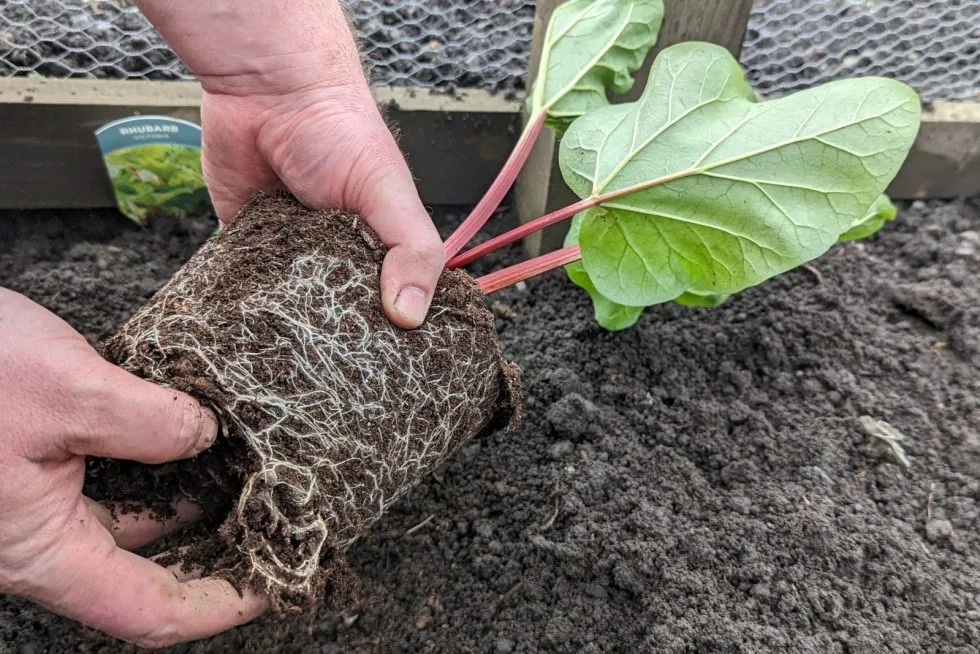
Image source: Web (Bing) / mygardenlife.com (Web image (fair-use with source credit))
If you’re using a raised bed, fill it with a mix of topsoil, compost, and perlite. Rhubarb roots need room to spread. A bed that’s at least 18 inches deep and 3 feet wide gives the plant enough space to mature. Space your crowns 3 feet apart.
Crowding leads to thin stalks and increased disease pressure.
First-Year Care & the No-Harvest Rule
The hardest thing about growing rhubarb is doing nothing the first year. You plant a crown, water it, watch it grow, but you don’t pick a single stalk. This rule exists for a good reason.
The plant needs its leaves to build a strong root system. Every stalk you remove is lost energy the plant could have used to store carbohydrates in its crown. If you harvest in the first year, you weaken the plant and reduce its lifespan. University of Minnesota Extension research shows that plants left unharvested in their first season produce 40 to 60 percent more stalks in their second and third years compared to plants that were picked early.
Watering and weeding are your main jobs in year one. Keep the soil consistently moist but not waterlogged. A layer of straw mulch 2 to 3 inches deep helps retain moisture and suppress weeds. Hand-pull any weeds that pop up.
Grass and dandelions compete with the young crown and slow its growth.
What about flower stalks? As soon as you see a flower bud forming, cut it off at the base. Flowering, also called bolting, diverts the plant’s energy away from the crown and into seed production. If the plant bolts in its first year, you may get zero usable stalks that season.
Remove the flower stalk immediately, even if it means cutting a leaf or two. The plant will respond with more energy going back into root growth.
Can you take a tiny harvest at the end of year one? Some experienced growers do a light harvest in late summer if the plant looks very strong. The rule of thumb is never take more than a third of the stalks. But the safer path, especially for beginners, is to wait until year two.
You won’t regret the patience.
To Force or Not to Force – Your Early Spring Decision
Forcing is the method of covering rhubarb crowns in late winter to produce tender, pink stalks weeks before the natural harvest season. It’s a technique that gives you a head start, but it comes with a trade-off.
How forcing works. In late winter, you cover the crown with a forcing pot, a large bucket, or even an overturned barrel. The container blocks all light, so the plant produces pale pink stalks that are sweeter and more tender than sun-grown rhubarb. The stalks are ready to harvest in about 6 to 8 weeks after covering.
Forcing pots with a removable lid make it easy to check progress without lifting the whole container.
The problem with forcing is that it drains the crown’s energy. The plant uses stored carbohydrates to push up those early stalks. If you force a crown every year, you shorten its productive life. Most experts recommend forcing a crown only once every two or three years, and never forcing a young plant that’s less than two seasons old.
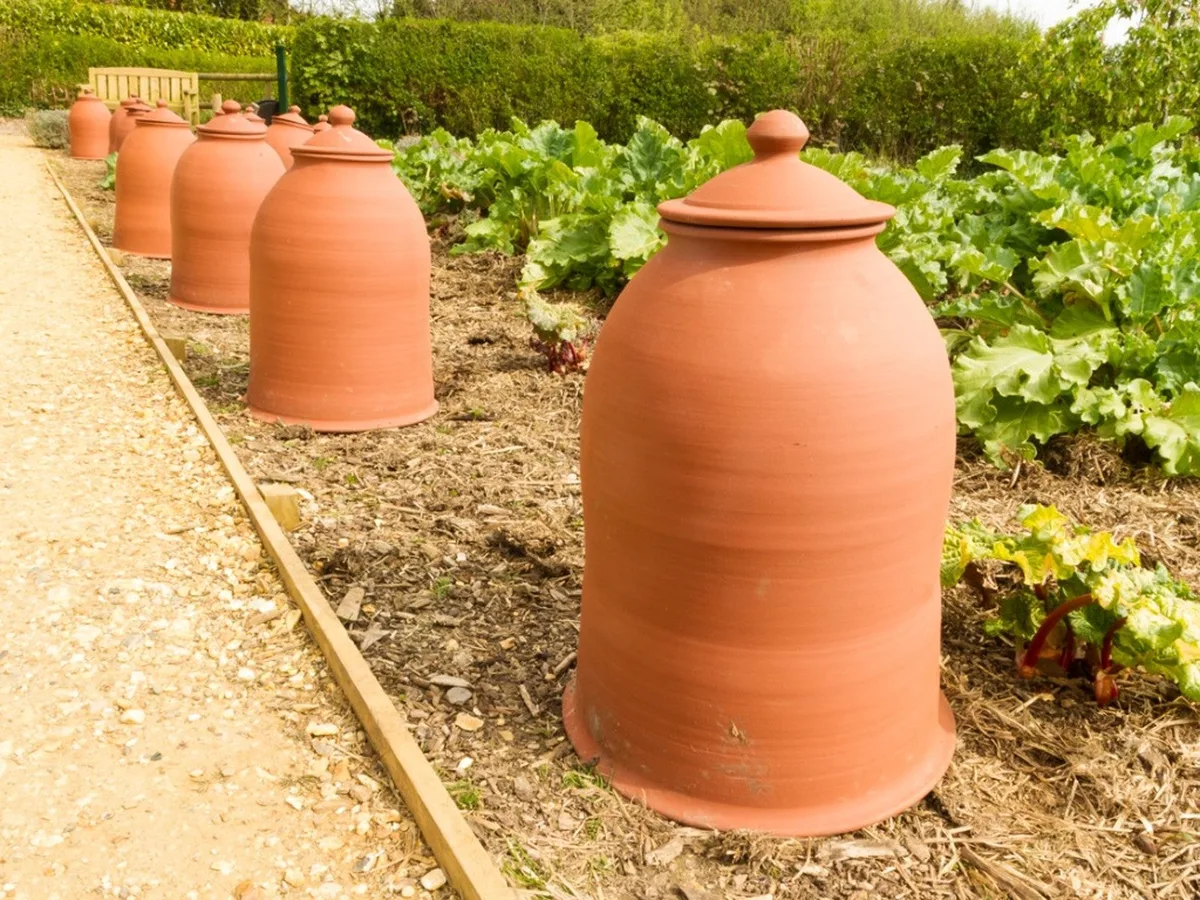
Image source: Web (Bing) / gardeningknowhow.com (Web image (fair-use with source credit))
The decision tree here is straightforward. If you live in a cool climate and you desperately want rhubarb in early April, forcing is worth the crown energy loss. If you’re fine waiting until late April or May for natural stalks, skip the forcing and let your crowns grow strong for a heavier summer harvest.
Here’s a rule of thumb. If you force a crown, do not harvest more than a third of its stalks during the natural season. The plant needs that foliage to rebuild its reserves for next year. If you have multiple crowns, you can rotate which ones you force each season.
That way you get early rhubarb every year without overworking any single plant.
For most home gardeners, natural harvest is the better long-term strategy. You get more total stalks per season and your crowns stay productive for a decade or more. Forcing is a nice bonus if you have the space and the patience to manage it carefully.
Common Rhubarb Problems & Quick Fixes
Even with perfect planting, rhubarb can hit snags. Most issues are fixable if you catch them early.
Crown rot is the number one killer. The leaves turn yellow and wilt. The crown itself feels soft or mushy. This happens when the soil stays waterlogged for too long.
If you catch it early, dig up the crown, cut away the rotten parts, and replant in a raised bed with better drainage. If the rot has spread through the entire crown, it’s done. Replace it and fix your drainage before replanting.
Bolting means your plant is stressed. A flower stalk shoots up in spring or early summer instead of later in the season. Common causes are a late frost, a sudden heat wave, or inconsistent watering. Cut the flower stalk at the base immediately.
The plant will redirect energy back to the crown. Water regularly during dry spells to prevent heat stress.
Stringy or bitter stalks usually mean you harvested too late. Rhubarb stalks are best when they are 12 to 18 inches long and still firm. If they get taller than 20 inches, they turn tough and stringy. Harvest early in the morning when stalks are plump with moisture.
If you miss that window, let them grow for compost and wait for the next flush.
Slugs and snails chew holes in young leaves. This is mostly a cosmetic issue, but heavy damage can weaken a young plant. Handpick them at dusk or lay diatomaceous earth around the crown. Copper tape around raised bed edges works too.
| Problem | What to Look For | Quick Fix |
|---|---|---|
| Crown rot | Yellow leaves, soft crown | Improve drainage, remove rot |
| Bolting | Flower stalk in spring | Cut stalk, water consistently |
| Stringy stalks | Tough, thin stalks | Harvest earlier, at 12-18 inches |
| Slugs | Holes in leaves | Handpick or use diatomaceous earth |
| Leaf spot | Brown spots on leaves | Remove affected leaves, improve air flow |
Leaf spot is a fungal issue that shows up as brown or purple spots. It’s common in wet summers. Remove any affected leaves and throw them in the trash, not the compost bin. Thin out overcrowded plants so air circulates better.
In severe cases, a copper fungicide can help, but it’s rarely needed.
Frequently Asked Questions
Can I grow rhubarb in a pot or container?
Yes, but you need a large container. Use a pot that is at least 18 inches deep and 18 inches wide. Make sure it has drainage holes.
Fill it with a rich potting mix mixed with compost. Container-grown rhubarb needs more frequent watering and feeding than in-ground plants.
When is the best time to plant rhubarb?
Early spring is the ideal time for most climates. Plant crowns as soon as the soil can be worked, typically when soil temperatures reach 40 to 45°F. In mild climates, you can also plant in early fall.
Fall planting gives the crown time to establish roots before winter dormancy.
How do I harvest rhubarb without damaging the plant?
Pull stalks rather than cutting them. Grasp the stalk near the base and pull it gently to one side. It should snap off cleanly from the crown.
Never take more than half the stalks from any single plant. Leave at least five to six stalks to keep the plant healthy.
Can I eat rhubarb leaves?
No. Rhubarb leaves contain oxalic acid and anthraquinone glycosides, which are toxic to humans and animals. Eating a large amount can cause serious illness.
Always trim the leaves off the stalks before cooking or freezing them. Compost the leaves separately if you like.
Why are my rhubarb leaves turning yellow?
Yellow leaves can mean several things. The most common cause is overwatering or poor drainage, which leads to root stress. It can also indicate nutrient deficiency, especially nitrogen.
Test your soil and adjust watering. A side dressing of compost in spring usually solves nutrient problems.
How long does a rhubarb plant live?
A well-cared-for rhubarb plant can produce for 10 to 15 years. Some patches in older gardens have been productive for 20 years or more. The key is dividing the crowns every 5 to 7 years to keep them vigorous.
After about year six, you will notice smaller stalks and slower growth. That is the signal to divide.