Growing a passion fruit vine is a different beast than growing tomatoes or peppers. You can do everything right, watch the vine absolutely thrive, and still get zero fruit if you planted the wrong variety for your climate. The good news is that once you understand the few critical decision points, success is very achievable.
This guide walks you through the exact choices that determine whether your vine is a leafy decoration or a heavy producer.
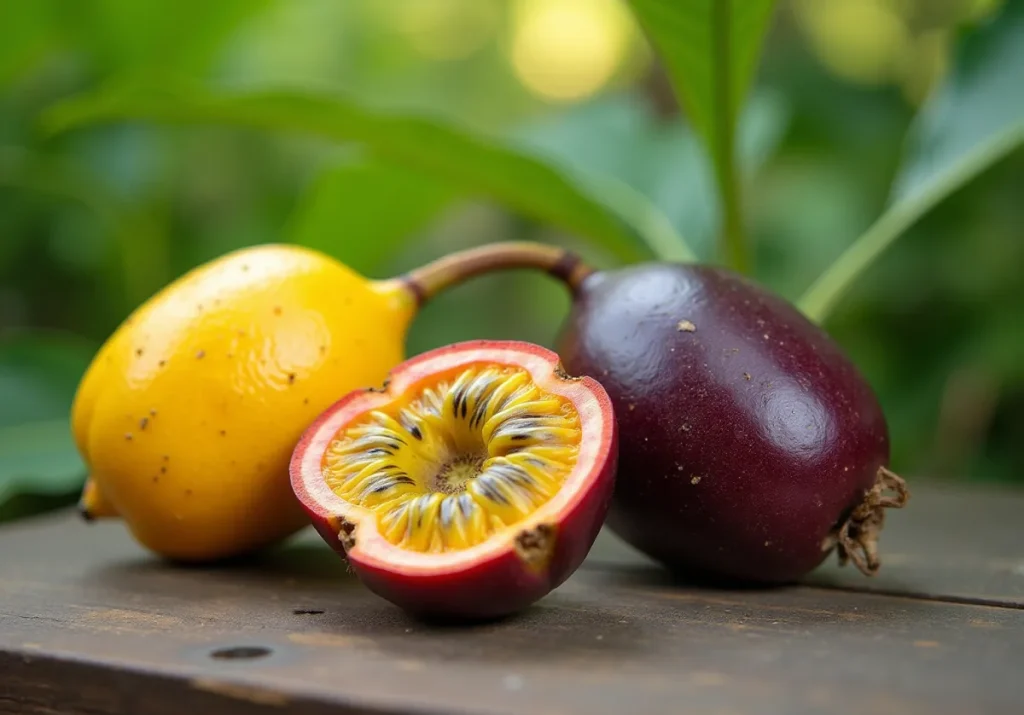
In our research, the most common failure isn't disease or pests. It's a simple climate mismatch. Purple passion fruit (Passiflora edulis f. edulis) performs well in cooler coastal areas, while yellow passion fruit (Passiflora edulis f. flavicarpa) needs genuine tropical heat to produce well.
As of 2026, USDA hardiness zone data remains the best starting point for deciding which type belongs in your yard. Let's start there.
Quick Answer
Growing passion fruit vine successfully requires full sun, well-drained soil, and the right variety for your climate. Choose purple types for cooler zones, yellow types for tropical heat. Build a strong trellis before planting.
Water consistently but never let roots stay soggy. Hand-pollinate if bees are scarce. Expect fruit in 6 to 18 months.
Picking the Right Passion Fruit Variety for Your Spot
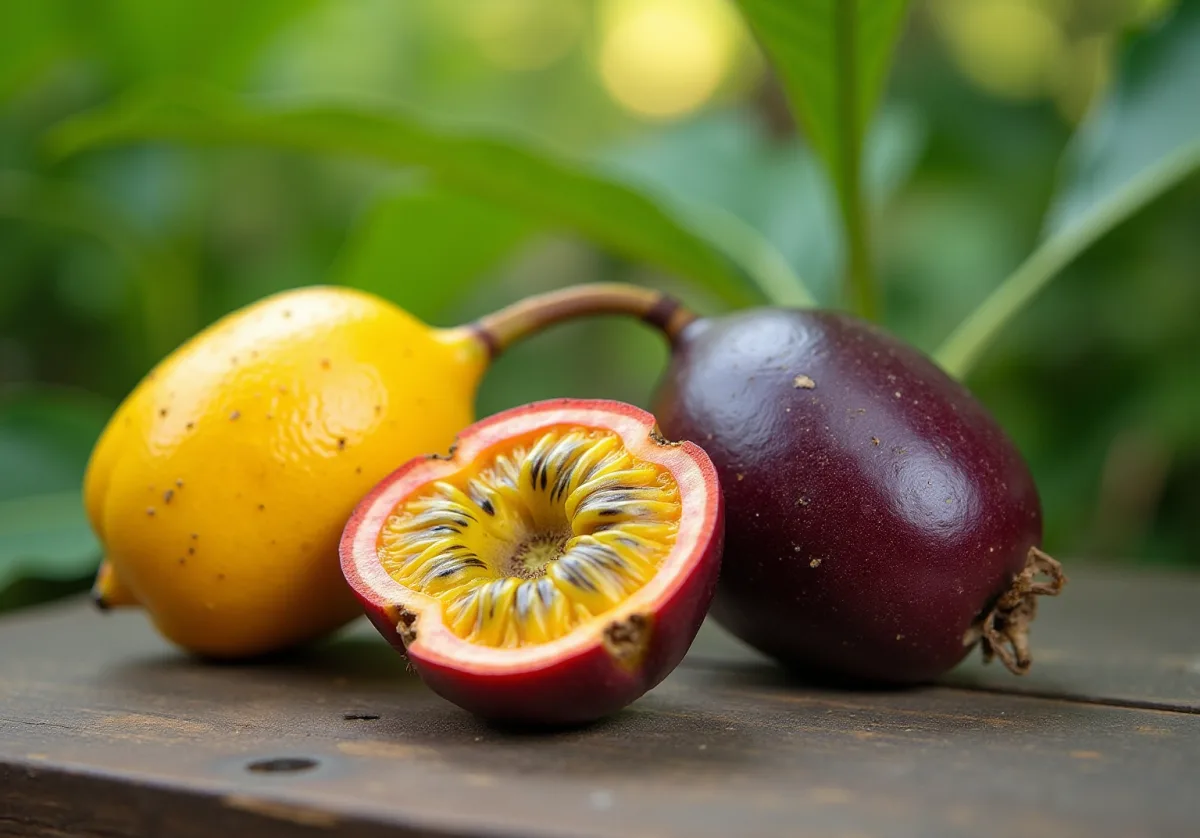
Image source: Web (Bing) / everglades.farm (Web image (fair-use with source credit))
Your first decision determines everything else. Passion fruit comes in two main types, and they behave completely differently in the garden.
Purple varieties tolerate cooler nights and even light frost. They produce sweeter fruit, and many are self-fertile, meaning one vine can pollinate itself. If you live in USDA zones 9 through 11, this is typically your plant.
Yellow varieties love heat and resist more soil-borne diseases. The fruit is larger but more acidic. They usually need cross-pollination, so you need a second vine or a compatible partner nearby.
These thrive in tropical Hawaii, southern Florida, and similar warm, humid spots.
If you're in a cooler zone, consider a hybrid like 'Frederick' or 'Possum Purple'. These were bred specifically for marginal climates. Grafted plants also exist, though they cost more and are harder to find.
They combine a disease-resistant rootstock with a proven fruiting variety.
| Variety Type | Cold Tolerance | Pollination | Flavor |
|---|---|---|---|
| Purple | Light frost to 27°F | Often self-fertile | Sweet |
| Yellow | None below 30°F | Needs cross-pollination | Tart, acidic |
| Hybrid | Moderate | Varies | Sweet |
In-Ground vs. Container: Which Growing Method Fits Your Space
Once you know your variety, decide where it lives. This is another branch in the decision tree, and it depends almost entirely on your space and climate.
In-ground planting gives the vine's roots room to roam. Vines in the ground produce larger yields and live longer, often 5 to 7 years with good care. But you need space.
The vine can spread 10 to 20 feet, and the soil must drain perfectly. Waterlogged roots kill passion fruit faster than frost.
Container growing changes the equation. In a 20-gallon pot, you can move the vine to a sunny spot, pull it under cover during a cold snap, and control the soil mix exactly. This is the best route for zone 7 and 8 gardeners who want to overwinter the plant indoors.
Just accept that container vines fruit less heavily and have a shorter lifespan.
If you choose a pot, use a high-quality, well-draining mix. Add perlite to improve aeration. Place the pot on casters if you plan to move it.
The main rule here is simple. If you get freezing winters, choose the container. If you have warm, well-drained ground and space, plant in the earth.
Setting Up Your Trellis (Do This Before You Plant)
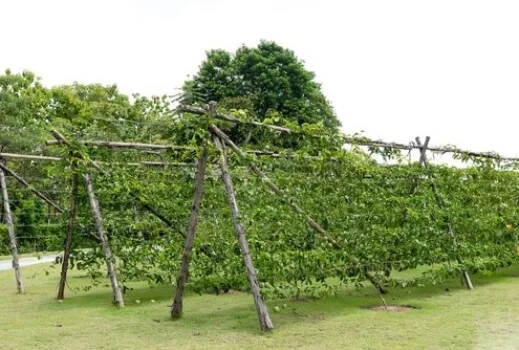
Image source: Web (Bing) / aussiegreenthumb.com (Web image (fair-use with source credit))
Passion fruit is a vigorous twining vine. It grabs onto whatever it finds, and it does not stop growing. A flimsy trellis is your biggest setup mistake.
Before any plant goes in the ground, build the support.
The most practical trellis is a T-trellis. Set two strong posts 6 to 8 feet tall, and stretch horizontal wires between them. The vine grows up the post, then spreads across the wires.
This creates a canopy that sends down plenty of fruiting shoots.
Pergolas and sturdy chain-link fences also work well. The key is strength. A mature vine is heavier than it looks, especially when loaded with fruit.
Use galvanized wire and pressure-treated posts rated for outdoor use. Anything less will collapse mid-season.
| Trellis Style | Max Width | Best For |
|---|---|---|
| T-trellis | 8–12 ft | Single vine, full sun |
| Pergola | 10–20 ft | Shade plus fruit |
| Wall wire system | 6–10 ft | Small spaces |
Build it tall enough to promote air circulation. Good airflow reduces fungal diseases. Also, install the trellis where it gets at least 6 to 8 hours of direct sun daily.
The vine will reward you, but only if the support is ready first.
Pollination: Why Some Vines Fruit and Others Don't
The number one complaint among passion fruit growers is a vine that flowers beautifully but never sets fruit. In most cases, the problem is pollination failure. It happens more often than you think.
Many yellow varieties require cross-pollination with another plant. If you only have one vine, fruit may never form. Purple hybrids can self-pollinate, but low bee activity can still leave flowers untouched.
The solution is hand pollination, and it is remarkably simple.
Early morning is the best time. The flowers open fully, and the pollen is fresh. Use a small paintbrush or a cotton swab.
Gently collect pollen from the anthers, then brush it onto the stigma. That single action replaces an entire hive of bees.
One expert tip is to do this on several flowers. Hand pollination takes about three minutes for a mature vine. Do it daily during the flowering period for the best set.
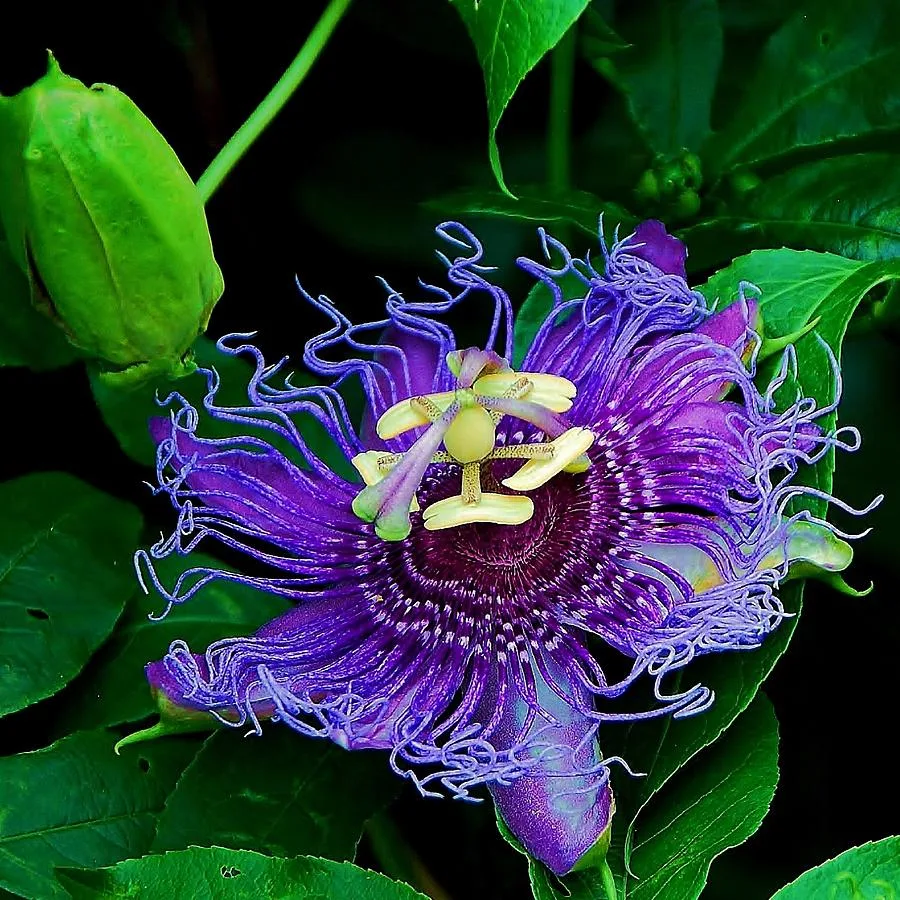
Image source: Web (Bing) / animalia-life.club (Web image (fair-use with source credit))
If you dread the daily routine, plant a pollinator garden nearby. Marigolds, lavender, and borage attract native bees. But if you want guaranteed fruit, grab the paintbrush and get out there.
It works.
Watering, Fertilizing and Pruning: The Care That Keeps Fruit Coming
Passion fruit vines are hungry and thirsty, but they hate extremes. The care routine is about balance, not excess.
Water deeply and consistently. The soil should feel moist, never soggy. Drip irrigation on a timer works best because it keeps foliage dry.
Wet leaves invite fungal disease. In hot summer months, you may need to water every other day. In winter, cut way back.
Fertilize in stages. During early vine growth, use a balanced 10-10-10 mix to encourage leaves and stems. Once flowers appear, switch to a lower nitrogen formula like 0-10-10.
Too much nitrogen produces a giant green vine with no fruit. Follow the label's application rates based on whether the vine is in a pot or in the ground.
Pruning keeps the vine manageable and healthy. After harvest, cut back the vine by about one-third. Remove dead, diseased, or tangled growth to open up the center to light and air.
Renewal pruning every 2 to 3 years keeps older vines productive.
Fertilizer schedule impacts yield directly. Apply a granular product every 6 to 8 weeks during the growing season. Supplement with liquid feed monthly if your soil is poor.
The goal is steady growth without heavy bursts that stress the plant.
Passion Fruit Mistakes That Cost You Fruit (And How to Avoid Them)
Even experienced gardeners run into problems with passion fruit. The good news is most issues are preventable once you know what to watch for.
Overwatering is the single biggest killer. Passion fruit roots suffocate in soggy soil. Yellow leaves that droop and fall often mean the roots are drowning, not drying out.
Let the top two inches of soil dry before watering again. If you are in a container, ensure drainage holes are clear.
Fruit dropping before it ripens is another common frustration. This usually signals stress. Heat spikes, inconsistent watering, or sudden cold snaps trigger the vine to abort fruit.
Mulch around the base to keep soil temperatures steady. Water on a consistent schedule, even during cooler weeks.
Letting the vine run wild without early training also hurts yield. Untrained vines become tangled messes with poor airflow. Fruit hides in the interior, and you miss it until it rots.
Train the main stem up the trellis from the start. Prune side shoots to keep the structure open.
| Mistake | Symptom | Fix |
|---|---|---|
| Overwatering | Yellow drooping leaves | Let soil dry, improve drainage |
| Inconsistent water | Fruit drops green | Water on a steady schedule |
| No pruning | Tangled growth, low yield | Train and prune annually |
| Wrong variety for climate | Flowers but no fruit | Switch to a suitable type |
Quick Decision Guide: Your Personal Passion Fruit Plan
By now you have all the pieces. Here is a simple decision flow to bring it together.
Start with your climate. If you get winter frosts below 27°F, pick a container and a purple or hybrid variety. Move the pot to a protected spot when cold hits.
If you live in a warm zone with mild winters, plant a yellow type in the ground for maximum yield.
Next, consider your space. A single vine needs about 10 feet of trellis width. If your yard is small or you have a patio, a 20-gallon pot with a T-trellis works well.
For a larger garden, go in-ground with a pergola setup.
Finally, decide on pollination. If you want minimal work, choose a self-fertile purple variety. If you want large harvests of tart fruit, plant two yellow vines and let bees do the work.
Hand pollination is a safety net for any type.
This decision tree cuts through the noise. Match your climate, space, and effort tolerance, and you get a plan that works.
Frequently Asked Questions
How long until I get fruit from a passion fruit vine?
A vine grown from a cutting can fruit in 6 to 9 months. Seed-grown vines take 12 to 18 months. Blooming usually starts once the vine reaches 6 to 10 feet of growth.
Can I grow passion fruit indoors?
Yes, but it is challenging. You need a very sunny window or a strong grow light. Hand pollination is essential indoors.
A container vine can survive and produce, but yields are lower than outdoors.
What do I do with unripe fruit that fell off?
Unripe fruit will not ripen off the vine. It is also slightly toxic if eaten raw. Compost it or toss it.
Focus on preventing fruit drop by watering consistently and reducing stress on the plant.
Do I need two vines for fruit?
It depends on the variety. Many purple types are self-fertile and produce fruit alone. Most yellow varieties need cross-pollination from a second vine.
Check the label or nursery description before buying.
When is the best time to prune passion fruit?
Prune right after the main harvest season ends. In warm climates, that is usually late summer or early fall. Remove about one-third of the vine, focusing on dead and tangled growth.
How often should I fertilize my passion fruit vine?
Apply a balanced granular fertilizer every 6 to 8 weeks during the growing season. Switch to a low-nitrogen formula once flowers appear. Reduce feeding in winter when growth slows.