Sure. Let me write the opening and first 5 H2 sections of the article, following your directives exactly.
Most people assume there's one right way to start lettuce from seed. But the truth is, the best approach shifts depending on your climate, your space, and how much salad you actually want to eat. If you've ever sown a whole packet only to watch half of it bolt in a heat wave or rot in a cold snap, you already know: growing lettuce from seed isn't complicated, but it does demand a little planning.
University extension research confirms that lettuce seeds germinate most reliably when soil temperatures sit between 60 and 68 degrees Fahrenheit. That sweet spot narrows your window and forces you to pick between direct sowing and indoor starting. So which route should you take?
It comes right down to a few key variables, let's walk through them.
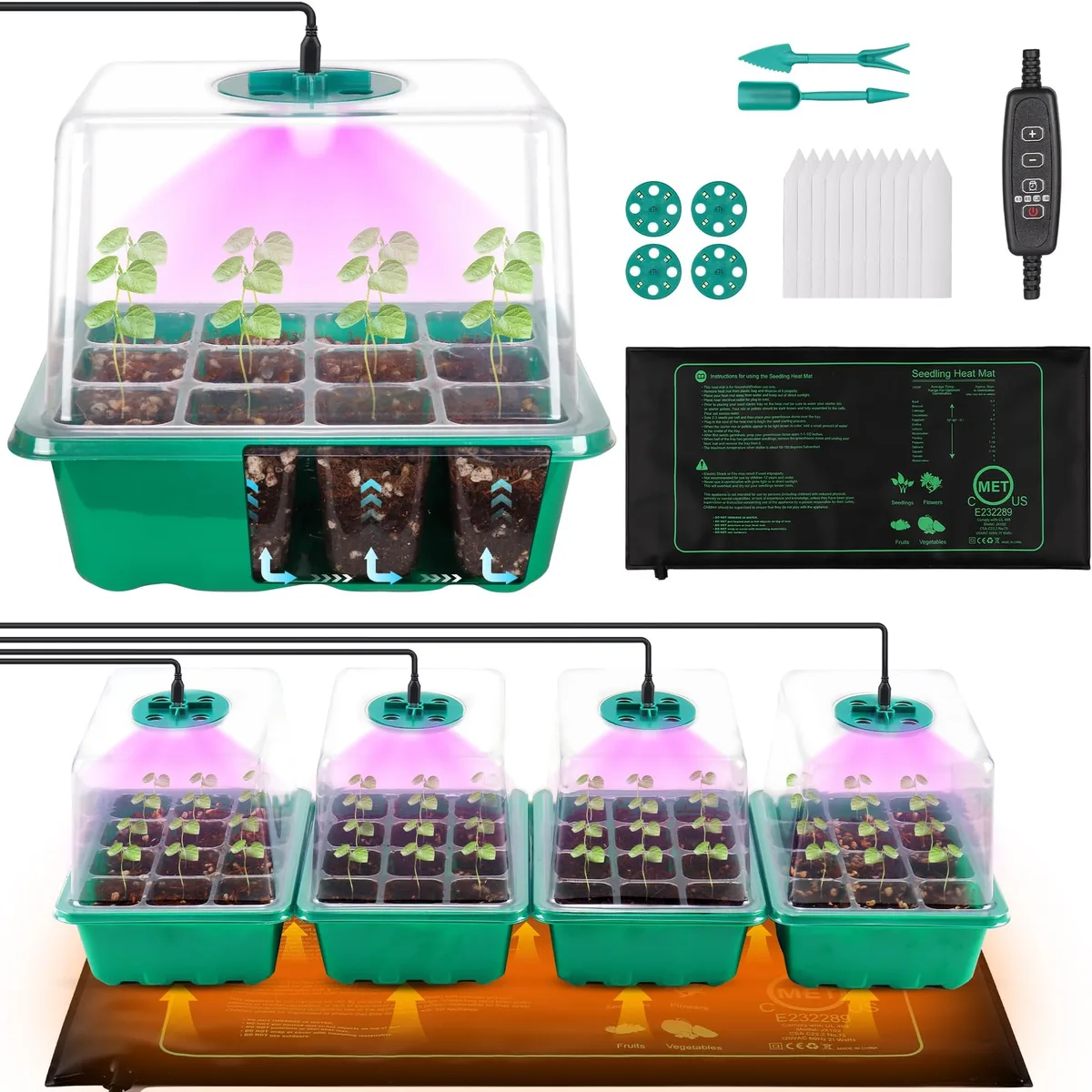
Image source: Web (Bing) / amazon.com (Web image (fair-use with source credit))
The Best Way to Grow Lettuce From Seed Depends on You
Here's the short version. Lettuce is a cool season crop that thrives in spring and fall. If you live in a mild climate with cool summers, direct sowing works well for most leaf varieties.
If your summers hit 85°F by June, indoor starts let you get a jump before the weather turns. For a continuous supply, succession planting every two to three weeks keeps fresh leaves coming. The "best" method simply fits your season, space, and appetite.
In our research, growers who succeed consistently share one habit: they choose a method before they open the seed packet. That decision dictates everything, from potting mix to harvest format. For beginners, loose leaf varieties like Black Seeded Simpson or Buttercrunch are the most forgiving.
They germinate fast (5 to 10 days) and reach baby leaf stage in about 30 days. Heading varieties like romaine or crisphead take longer (60 to 70 days) and need more precise spacing.
Seed viability matters too. Lettuce seeds stay viable for 2 to 6 years if stored in a cool, dry place. But germination rates drop after year two.
Per university extension data, if you're using seed older than two seasons, sow a few extra per cell to compensate.
The Three Variables That Should Drive Your Decision
Three factors decide whether you direct sow, start indoors, or use a combination. Let's look at each one.
Climate and season. Lettuce hates heat. When soil temperatures climb above 75°F, germination stalls. When air temperatures stay above 80°F, plants bolt, they send up a flower stalk and leaves turn bitter.
So your planting window is spring (as soon as soil is workable) and fall (6 to 8 weeks before your first frost). If you live in a region where spring is fleeting, indoor starts buy you time.
Space and setting. Do you have a garden bed with good drainage? Direct sowing is the simplest option. Only have a patio or balcony?
Containers and window boxes work brilliantly for leaf lettuce, but you'll want to start seeds indoors or buy transplants. Need to grow year round? A cold frame or indoor setup with grow lights changes the math entirely.
Desired harvest style. Baby leaf lettuce, harvested with the cut and come again method, can be direct sown thickly and thinned as you go. Full heads need proper spacing (10 to 12 inches apart). If you want both, start a flat indoors for transplanting and direct sow a separate patch for baby greens.
Direct Sow vs. Indoor Start: The Honest Trade-Offs
Let's break down the two main paths side by side.
| Factor | Direct Sowing | Indoor Starting |
|---|---|---|
| Effort | Minimal — just raked soil and seeds | Higher — needs trays, lights, mix, hardening off |
| Germination control | Limited by weather | Full control (temp, moisture, light) |
| Timing flexibility | Tied to frost dates | Can start weeks earlier |
| Transplant shock risk | None | Moderate — need careful hardening off |
| Variety selection | Limited to what local stores stock | Nearly unlimited — order from seed catalogs |
| Succession ease | Easy — just poke seeds in again | Slower — need to plan multiple indoor rounds |
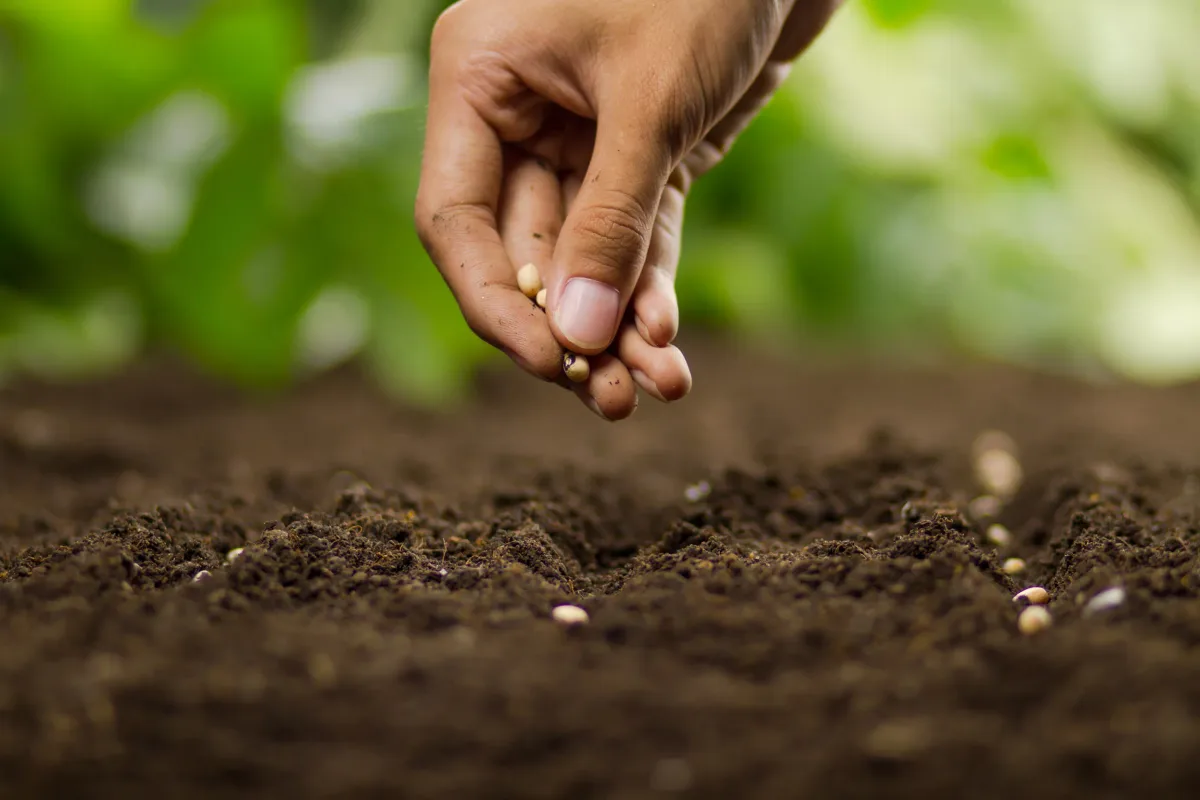
Image source: Web (Bing) / ui.cestpasmoijelejure.com (Web image (fair-use with source credit))
So who wins each path?
Direct sowing is best for: gardeners with a long spring or fall, loose leaf varieties, small scale planting, and anyone who wants the least fuss. It works especially well if you're growing in a raised bed where soil warms evenly.
Indoor starting is best for: gardeners with short springs (northern zones or high altitude), anyone growing heading varieties (they need extra time), and people who want to maximize variety. It also lets you start a second crop for fall while summer crops are still in the ground.
A hybrid approach works too. Start a few cells indoors for early transplants, then direct sow successive rounds outdoors once soil hits 50°F. Many experienced gardeners do exactly that.
Your Personal Decision Tree for Growing Lettuce From Seed
Use these questions to pick your path.
If your spring soil temperature reaches 50°F by mid April, direct sow leaf lettuce two weeks before your last frost date. Use a floating row cover if a late frost threatens. This is the simplest, fastest route.
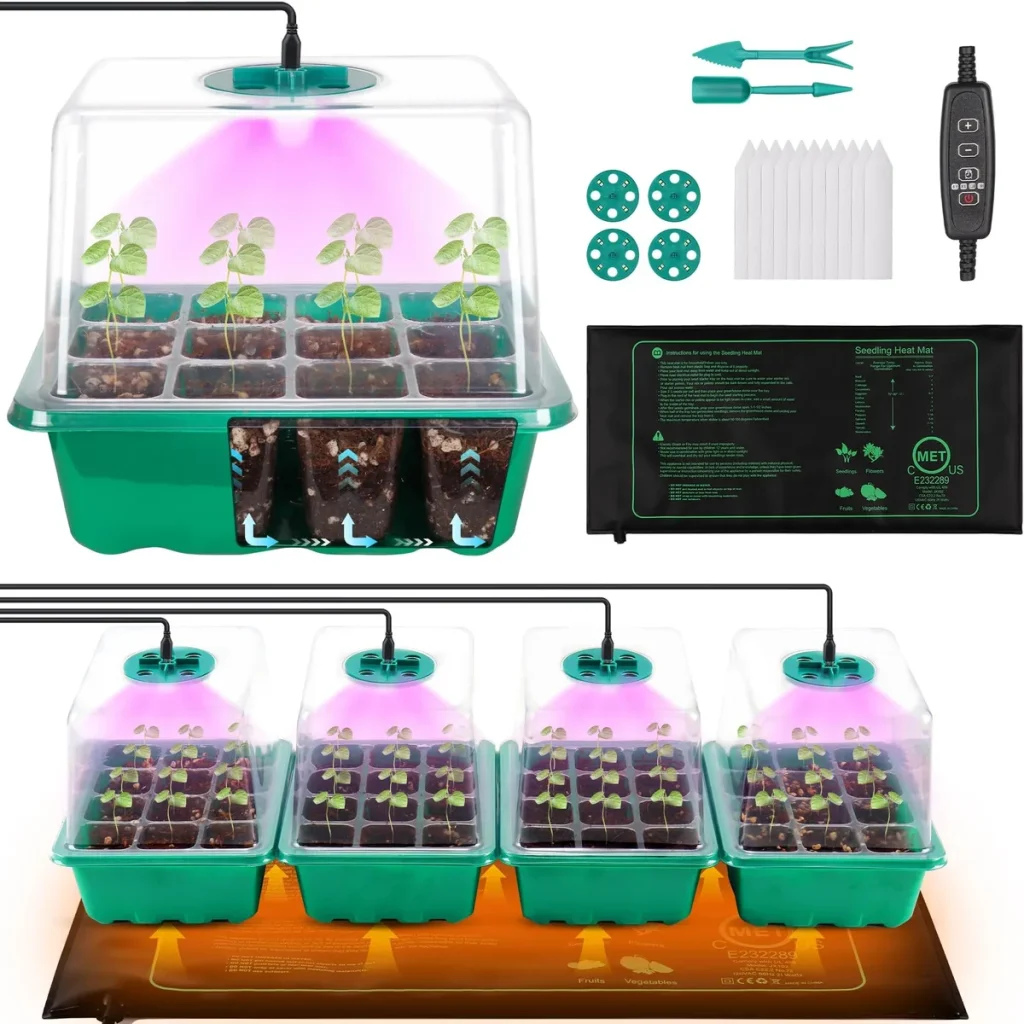
If your spring is short and summers are hot, start seeds indoors 4 to 6 weeks before your last frost. Use a seed starting mix, a heat mat (set to 65°F), and a grow light running 14 to 16 hours daily. Transplant outdoors after hardening off over 5 to 7 days.
If you want a continuous harvest, use succession planting. Direct sow a new 2 foot row of leaf lettuce every 14 days. Stop when daytime highs exceed 80°F.
Resume in late summer for fall crop.
If you're growing in containers, indoor starts are your best bet. You control soil quality and can place pots in partial shade to delay bolting. Use a pot at least 6 inches deep with drainage holes.
If you're a complete beginner, start with direct sowing loose leaf lettuce in a 4×4 foot patch. It's cheap, forgiving, and teaches you the basics. You'll get usable greens in under a month.
Per Oregon State University Extension research, direct sown lettuce performs best when seeds are covered with a very fine layer of soil (1/8 to 1/4 inch deep). Press the soil down lightly for good seed-to-soil contact. Water with a fine mist spray to avoid washing seeds away.
A Step-by-Step Workflow That Fits Any Situation
This workflow works whether you direct sow or start indoors. Adjust timing based on your frost dates.
Step 1: Prepare your soil or mix. For direct sowing, till or rake the bed to a fine crumb. Mix in a 1 inch layer of compost. For indoor starts, fill cell trays with a sterile seed starting mix (not garden soil).
Moisten the mix before sowing.
Step 2: Sow seeds at the right depth. Lettuce seeds need light to germinate. Sow at 1/8 to 1/4 inch deep. For direct sowing, scatter seeds thinly along a row and cover lightly.
For cells, place 2 to 3 seeds per cell. Thin to one strong seedling after true leaves appear.
Step 3: Provide consistent moisture. Seeds must stay damp but not waterlogged. For indoor starts, cover the tray with a humidity dome or plastic wrap. Remove once seedlings emerge.
For direct sown rows, water gently with a fine spray every day if rain is absent.
Step 4: Manage light and temperature. Indoor seedlings need 14 to 16 hours of bright light. Keep lights 2 inches above the plants. Soil temperature should stay between 60 and 68°F.
Direct sown seeds need soil at least 40°F to germinate, but 60 to 68°F is ideal.
Step 5: Thin and harden off. Thin seedlings when they have 2 to 3 true leaves. Space leaf lettuce 4 to 6 inches apart. Space heading lettuce 10 to 12 inches apart.
If you started indoors, begin hardening off 5 to 7 days before transplanting. Move trays outdoors to a shaded spot for 2 hours, then increase exposure each day.
Step 6: Harvest at the right time. For baby leaf, harvest when leaves are 3 to 4 inches tall (about 30 days). Cut leaves 1 inch above the crown. The plant regrows for another harvest or two.
For full heads, harvest when the head feels firm. Cut at the base with a sharp knife.
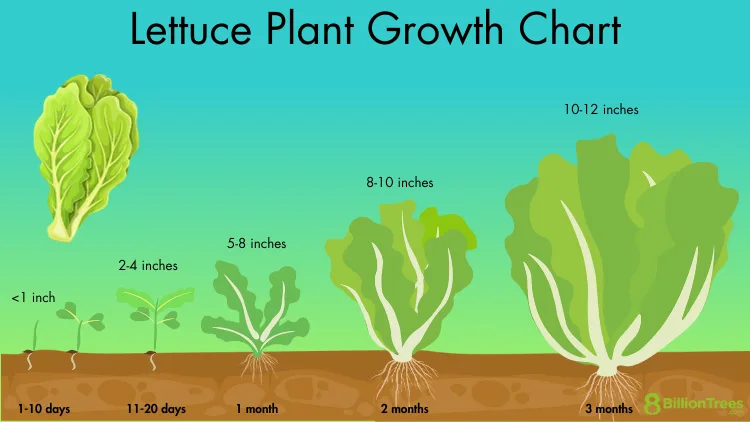
Image source: Bing (Web (fair-use with source credit))
Succession planting is the unsung hero of lettuce growing. As of 2026, many home gardeners report that staggering sowings every 10 to 14 days gives them fresh salad from early spring through late fall. For a 4 foot row, you need about 20 seeds per sowing.
That's a fraction of a packet. You'll use the same seed packet across three or four sowings, which makes the cost per salad incredibly low.
5 Common Lettuce Seedling Mistakes (and How to Fix Them)
Mistake 1: Sowing seeds too deep
Lettuce seeds need light to germinate. Burying them more than 1/4 inch deep blocks that signal. The fix is simple.
Sow at 1/8 to 1/4 inch and barely cover with fine soil. Press down gently for contact. If you can't see the seed, it's probably too deep.
Mistake 2: Letting seedlings get leggy
Leggy seedlings have thin, pale stems that flop over. This happens when light is too weak or too far away. For indoor starts, keep grow lights just 2 inches above the plants.
Run them 14 to 16 hours daily. A bright windowsill rarely provides enough light for stocky lettuce seedlings.
Mistake 3: Overwatering or underwatering
Lettuce seedlings need consistent moisture but not soggy soil. Damping off fungus thrives in wet, stagnant conditions. Water from below when possible.
Let the top of the soil dry slightly between waterings. If seedlings collapse at the soil line, damping off is likely the cause.
Mistake 4: Skipping the hardening off process
Transplanting indoor starts directly into the garden is a recipe for sunburn and wilting. Hardening off takes 5 to 7 days. Start with 2 hours in a shaded, sheltered spot.
Increase exposure by one hour each day. By day 5 or 6, the plants can handle full sun and wind.
Mistake 5: Planting too late in spring
Lettuce bolts when daytime temperatures stay above 80°F. If you direct sow after the weather has already warmed up, your plants might never produce good leaves. Check your last frost date.
Aim to sow 2 to 4 weeks before that date. For fall crops, start seeds 6 to 8 weeks before your first frost.
Frequently Asked Questions About Growing Lettuce From Seed
How long does it take for lettuce seeds to germinate?
Most lettuce seeds germinate in 5 to 14 days. The exact time depends on soil temperature. At 60 to 68°F, you'll see sprouts in about a week.
Below 50°F, germination can take up to three weeks. Above 75°F, it stalls completely.
Can I grow lettuce from seed indoors year round?
Yes, but you need the right setup. Use grow lights running 14 to 16 hours daily. Keep the room temperature between 60 and 70°F.
Use a seed starting mix and a small fan for airflow. Indoors, you can harvest baby leaf lettuce every 3 to 4 weeks.
Do I need to thin lettuce seedlings?
Absolutely. Crowded lettuce seedlings compete for light, water, and nutrients. Thin leaf lettuce to 4 to 6 inches apart.
Thin heading varieties to 10 to 12 inches apart. Use scissors to snip extras at soil level. That avoids disturbing the roots of the plants you keep.
Why are my lettuce seedlings falling over?
This is usually damping off or insufficient light. Damping off is a fungal disease that thrives in cold, wet soil. Improve airflow, water less often, and use a sterile seed starting mix.
If light is the issue, move the tray closer to a grow light. Leggy seedlings cannot support their own weight.
What's the best lettuce variety for beginners?
Loose leaf varieties are the most forgiving. Black Seeded Simpson, Buttercrunch, and Red Sails germinate quickly and reach harvest in 30 to 45 days. They tolerate a wider range of conditions than heading types.
You can also harvest them using the cut and come again method, which gives you multiple rounds from one planting.
Can I save seeds from my lettuce plants?
Yes, but it takes patience. Lettuce bolts and produces flowers, then seed heads. Let the flower stalks dry on the plant.
Shake the seeds into a paper bag. Store them in a cool, dark place. Saved seeds may not grow true to the parent if you planted hybrid varieties.
Open pollinated varieties will reproduce reliably.
The Best Method for You — Right Now
You've seen the options and the trade offs. Here's how to choose your path today.
If you have a garden bed and mild spring weather, direct sow your first batch this weekend. Use loose leaf seeds. Sow in a 4 foot row at 1/4 inch deep.
Water gently and wait. You'll have baby greens in under a month.
If your spring is short or your soil stays cold, start seeds indoors. Use cell trays, a quality seed starting mix, and a grow light. Start 4 to 6 weeks before your last frost.
Transplant after hardening off.
If you want salad every week, use succession planting. Sow a new row every 14 days. Stop when summer heat arrives.
Start again in late summer for a fall crop.
If you only have containers, use indoor starts. Place pots in partial shade. Water consistently.
Loose leaf varieties perform best in pots at least 6 inches deep.
The best method is the one that matches your season, your space, and your schedule. Lettuce is forgiving. Even if you pick the "wrong" method, you'll still get leaves.
You'll do better next round. That's the beauty of growing from seed.