You've planted lettuce before only to watch it bolt into a bitter, flowering mess just when you wanted a salad. Or maybe you got a beautiful crop for two weeks and then nothing. That's the real challenge with growing lettuce, it's not just about putting seeds in the ground.
It's about timing, conditions, and making the right call for your specific situation.
University extension research shows that lettuce germination drops sharply above 80°F soil temperature. Yet with the right variety choices and a few simple techniques, you can harvest from early spring through late fall. As of 2026, home gardeners have more heat-tolerant and bolt-resistant options than ever.
Let's walk through what actually works for your climate, space, and goals.
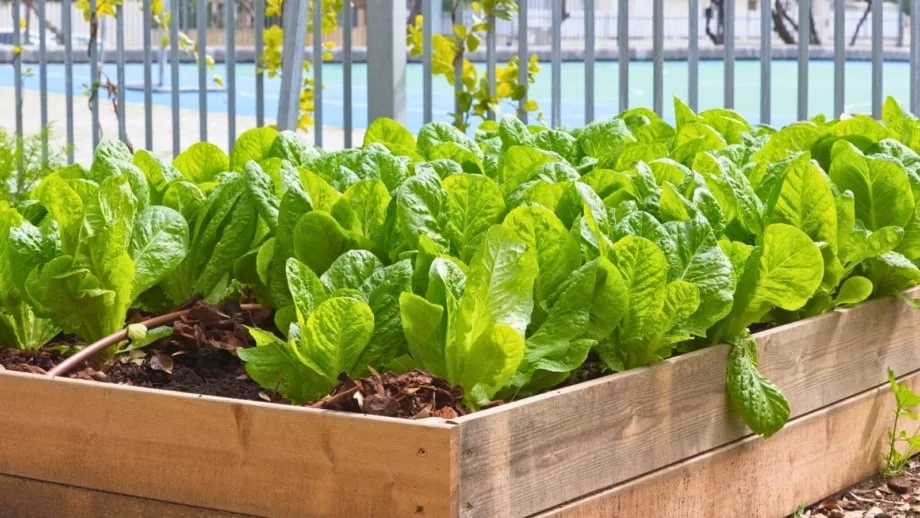
Image source: Web (Bing) / epicgardening.com (Web image (fair-use with source credit))
Quick Answer
Grow lettuce in cool weather with consistent moisture. Choose loose-leaf varieties for the fastest harvests. Plant seeds 1/4 inch deep in fertile soil.
Provide afternoon shade when temperatures climb above 75°F. Harvest outer leaves to extend production for weeks.
What's Your Growing Situation? – Climate, Space, and Timeline
Your first decision isn't about seeds. It's about the conditions you're working with. Lettuce is a cool-season crop, period.
It thrives between 60°F and 65°F. When the thermometer climbs past 75°F, many varieties start shutting down.
Here's the key question: what's your average temperature range during the season you want to grow? If you're planting in early spring or fall, you have maximum flexibility. If you're trying to grow through a hot summer, you need specific tools and varieties.
Your space matters too. Lettuce has shallow roots, roughly 6 to 12 inches deep. That means it grows beautifully in containers as small as 6 inches deep.
You don't need a garden bed. A balcony pot or a window box works just fine.
Your timeline also shapes your approach. Leaf lettuce matures in 30 to 45 days. Heading types like romaine or crisphead take 55 to 70 days.
If you want salads in a month, go with leaf varieties. If you have patience and want a crisp head, choose romaine.
So before you buy a single seed, check your local frost dates. Know your average summer highs. Count the weeks you have before temperatures climb.
That information determines everything else.
Your Lettuce Match: A Quick Decision Tree for Variety and Method
Once you know your conditions, you can pick the right path. Let's make this simple.
If you want the fastest harvest possible, choose loose-leaf lettuce. Varieties like Black Seeded Simpson or Red Sails give you baby leaves in 30 days. You can use the cut-and-come-again method, taking outer leaves while the plant keeps growing.
This is the most forgiving option for beginners.
If you want crisp, dense heads, choose romaine or butterhead. Romaine (cos) handles heat slightly better than crisphead varieties. Butterhead types like Bibb or Boston form soft, tender heads.
They need more space, about 10 to 12 inches between plants.
If you live in a hot climate or want summer lettuce, choose bolt-resistant varieties. Look for labels that say "heat tolerant" or "slow to bolt." Summer Crisp (Batavian) types handle heat better than standard crisphead. Johnny's Selected Seeds and other breeders offer specific heat-tolerant lines.
If you have limited space or only containers, stick with loose-leaf or mini varieties. Compact romaine like Little Gem works well in pots. You can pack leaf lettuce at 4 to 6 inches apart in a container as shallow as 6 inches.
If you want year-round harvests, use season extension. A cold frame or cloche lets you grow into winter in many climates. In hot regions, shade cloth with 30 to 50 percent shade keeps plants productive through summer.
The method flows from these decisions. If you're a beginner in spring with a garden bed, leaf lettuce direct-sown is your easiest path. If you're an experienced gardener in a hot climate, you'll want transplants, shade cloth, and heat-tolerant varieties.
Step-by-Step Planting for Your Chosen Path
Alright, you've chosen your variety and method. Now let's get seeds in the ground.
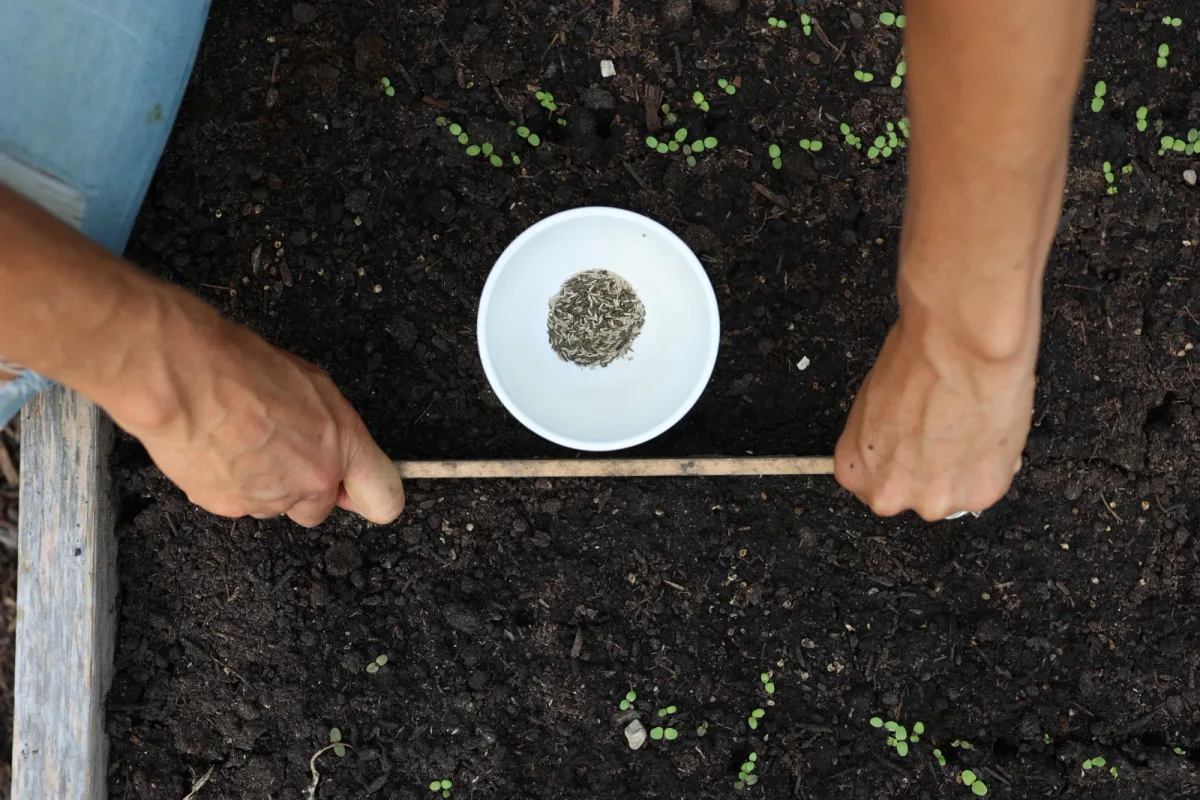
Image source: Web (Bing) / gardenary.com (Web image (fair-use with source credit))
Prepare the soil. Lettuce needs loose, fertile soil with good drainage. Mix in 1 to 2 inches of compost before planting. The ideal pH range is 6.0 to 6.8.
A quick soil test from your local extension office confirms this.
Sow seeds at the right depth. Lettuce seeds are tiny. Plant them only 1/8 to 1/4 inch deep. Any deeper and they won't reach the surface.
Sprinkle seeds thinly along a row or scatter them for a bed. Cover lightly with fine soil or vermiculite.
Space them properly. For leaf lettuce, thin seedlings to 4 to 6 inches apart. For heading types, thin to 10 to 12 inches. It feels wasteful to pull up healthy seedlings, but crowded lettuce stays small and bolts faster.
Water gently and consistently. Use a fine spray or a watering wand. A strong stream washes seeds away. Keep the soil moist but not soggy until germination, which takes 2 to 8 days depending on temperature.
Consider transplants for a head start. If your spring is short or your ground stays wet, start seeds indoors 3 to 4 weeks before your last frost date. Use a seed-starting mix and grow lights or a bright windowsill. Harden off seedlings over 3 to 5 days before transplanting.
University extension research confirms that direct seeding works fine for most home growers, but transplants give you a two-week head start and reduce thinning work.
Watering, Shade, and Succession – Keeping the Harvest Coming
Consistent moisture is the single most important factor for crisp, sweet lettuce. Let the soil dry out even once, and leaves turn bitter. University extension data shows lettuce needs about 1 to 1.5 inches of water per week.
In hot weather, that number climbs.
Water at soil level, not overhead. Wet leaves invite disease. Use a soaker hose or drip irrigation if possible. Water in the morning so leaves dry before nightfall.
This simple habit prevents most fungal problems.
Use mulch to keep soil cool. A 2-inch layer of straw or compost around your plants reduces soil temperature by 5 to 10 degrees. That's enough to delay bolting by a week or more in a heat wave.
Install shade cloth when needed. When daytime highs hit 80°F, install 30 to 50 percent shade cloth over your lettuce. You can buy it by the yard at garden centers. It reduces temperature and light intensity, giving you another 2 to 3 weeks of harvest.
Practice succession planting. This is the secret to a continuous supply instead of one massive harvest. Sow a new row or container every 2 to 3 weeks. When the first planting slows down, the second one is ready to harvest.
Starting in year-round growing, I've found that succession planting doubles your total yield. Even in short seasons, three staggered plantings give you salads for months instead of weeks.
Watch for bolting triggers. Lettuce bolts when day length exceeds 14 hours combined with temperatures above 75°F. If you see the center stalk start elongating, harvest immediately. The leaves will still taste decent for a few days.
Harvesting Right: Cut-and-Come-Again vs. Whole-Head
When and how you harvest makes a real difference in yield and flavor. You have two main approaches, and each works best for different lettuce types.
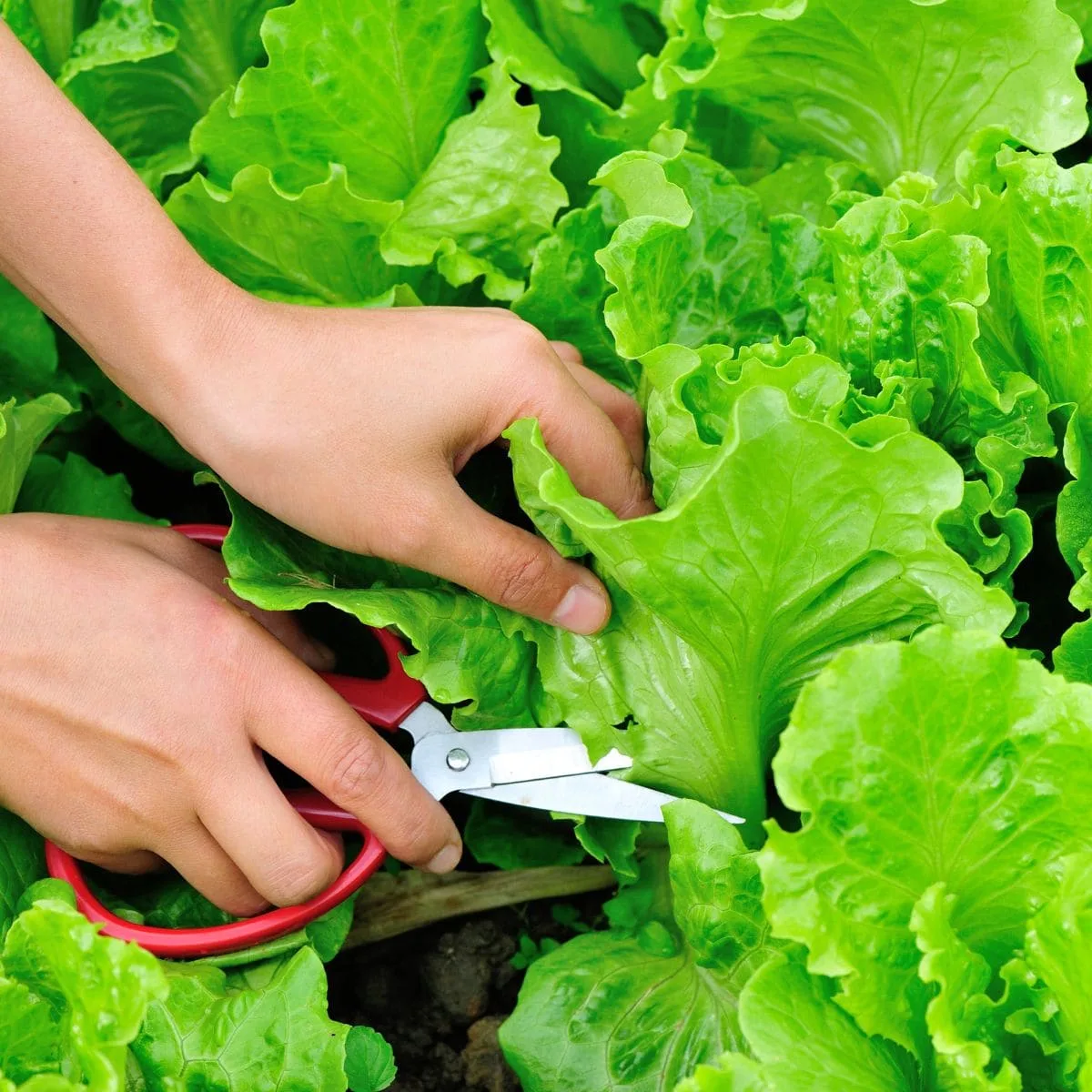
Image source: Web (Bing) / attainable-sustainable.net (Web image (fair-use with source credit))
Cut-and-come-again is ideal for leaf lettuce. Wait until plants are 4 to 6 inches tall. Use sharp scissors or a garden knife to cut outer leaves, leaving the inner growing point intact. Leave at least 2 inches of stem.
New leaves regrow from the center in 2 to 3 weeks.
You can harvest the same plant 3 or 4 times this way. When leaves start tasting bitter or getting tough, pull the whole plant and replant.
Whole-head harvest works for heading types. Wait until the head feels firm and solid. For romaine, that's when leaves are tall and tightly bunched. For crisphead, give it a gentle squeeze.
A firm head is ready. Cut at the base with a sharp knife.
Don't wait too long. Heading lettuces hold their quality for about a week after maturity. After that, they start elongating and turning bitter.
Harvest in the morning for best texture. Lettuce leaves are full of water after a cool night. They're crisper, sweeter, and last longer in the fridge. Afternoon-harvested lettuce wilts faster.
Store properly for longer freshness. Rinse leaves gently and dry them with a salad spinner or clean towel. Store in a plastic bag with a paper towel to absorb moisture. In the refrigerator, lettuce keeps for 5 to 7 days.
Whole heads store longer than cut leaves.
A warm note of advice here: if you're new to this, start with cut-and-come-again on leaf lettuce. It's more forgiving, gives you earlier results, and keeps producing. Save whole-head harvests for when you have the timing dialed in.
Common Mistakes That Wreck Lettuce (And How to Avoid Them)
Planting too deep is the most common error. Lettuce seeds need light to germinate. If you bury them more than 1/4 inch deep, they won't sprout. Sprinkle seeds on the surface and barely cover them with fine soil or vermiculite.
Mist gently to keep them moist.
Letting soil dry out triggers bitterness. Lettuce is 95 percent water. Even one missed watering during hot weather causes leaves to toughen and turn bitter. Check soil moisture daily.
Stick your finger an inch deep. If it feels dry, water immediately.
Overcrowding leads to stunted plants. New gardeners often skip thinning. They hate pulling healthy seedlings. But crowded lettuce competes for light and nutrients.
Leaves stay small, and plants bolt faster. Thin leaf lettuce to 4 to 6 inches apart. Heading types need 10 to 12 inches.
Planting the wrong variety for your season wastes effort. A crisphead lettuce planted in late spring in a hot climate will bolt before forming a head. Use the decision tree earlier in this article. Match your variety to your temperatures and day length.
Ignoring bolting signs ruins your harvest. When a central stalk starts rising from the plant, harvest immediately. That stalk signals the plant is switching from leaf production to seed production. Leaves become bitter within days of stalk elongation.
Fertilizing with too much nitrogen causes trouble. You get lush, huge leaves that are bland and prone to rot. Worse, high nitrogen can encourage fungal diseases. Use a balanced fertilizer like 10-10-10 at half strength.
Apply it every 2 to 3 weeks, not every week.
Forgetting succession planting leaves you with nothing. A single planting produces for 3 to 4 weeks, then stops. Sow a new row or container every 2 weeks. This gives you continuous harvests from spring through fall.
Frequently Asked Questions
How much sun does lettuce need?
Lettuce grows best in full sun during cool weather, about 6 hours daily. In warm conditions, afternoon shade prevents bolting. If your garden gets intense afternoon sun, use shade cloth or plant near taller crops that cast shade.
Can I grow lettuce indoors year round?
Yes, with proper lighting. Use grow lights positioned 2 to 3 inches above the plants for 12 to 14 hours daily. Choose loose-leaf varieties for fastest results.
Keep temperatures between 60 and 70°F. A shallow container with drainage holes works well.
Why is my lettuce bitter?
Bitterness comes from heat stress, water stress, or waiting too long to harvest. Keep soil consistently moist. Provide shade when temperatures exceed 75°F.
Harvest leaves when they are young and tender. Once the plant starts bolting, bitterness sets in quickly.
How do I keep lettuce fresh after harvesting?
Rinse leaves gently and dry them in a salad spinner. Place them in a plastic bag with a paper towel to absorb moisture. Store in the refrigerator crisper drawer.
Whole heads keep 5 to 7 days. Cut leaves last 3 to 5 days.
What is the best way to prevent pests on lettuce?
Use row covers to block aphids and leaf miners. Handpick slugs and snails at dusk. Keep plants spaced properly to improve air circulation.
Healthy, unstressed lettuce resists pests better than weak plants. Avoid overhead watering to reduce fungal issues.