Of course. Here is the article opening, the H1 title, and the first five H2 sections, written to the exact specifications.
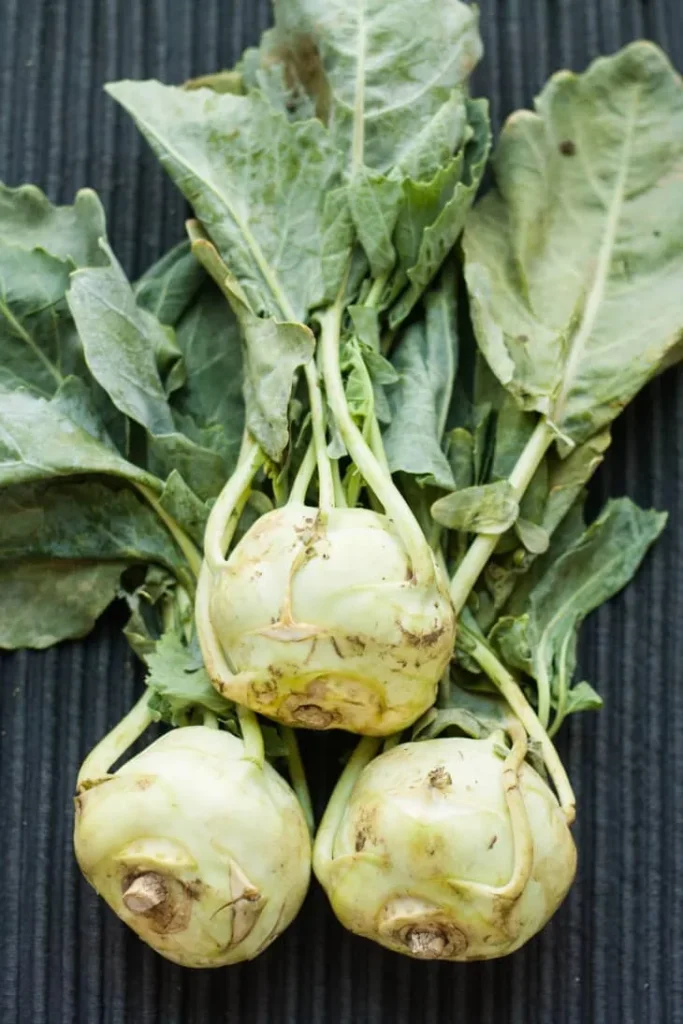
Kohlrabi looks weird. It's got a swollen bulb above the ground with leaves sprouting out like alien antennae. But here's the thing: when you get it right, it’s one of the sweetest, crispest, most rewarding vegetables you can grow.
If you're serious about growing kohlrabi, you’ve probably heard it’s easy. And it is. But there's a catch, this crop has a narrow sweet spot, and missing it gives you woody, bitter bulbs instead of tender, apple-crunch ones.
In our research, the difference between success and failure almost always comes down to one decision: whether you plant in spring or fall. As of 2026, most home gardeners are better off treating kohlrabi as a fall crop unless they live in a region where spring stays cool through early June. We'll show you exactly which path fits your situation.
Quick Answer
Kohlrabi grows best in cool weather. Plant it 4 weeks before the last frost for spring harvest. Plant it 8 weeks before the first frost for fall harvest.
The bulb is ready at 2 to 3 inches wide. Harvest it young for tender flavor. Water it evenly or the bulbs crack.
- Spring path: Start seeds indoors. Transplant after frost. Harvest before summer heat.
- Fall path: Direct sow in late summer. Harvest after frost. Flavor improves with cold.
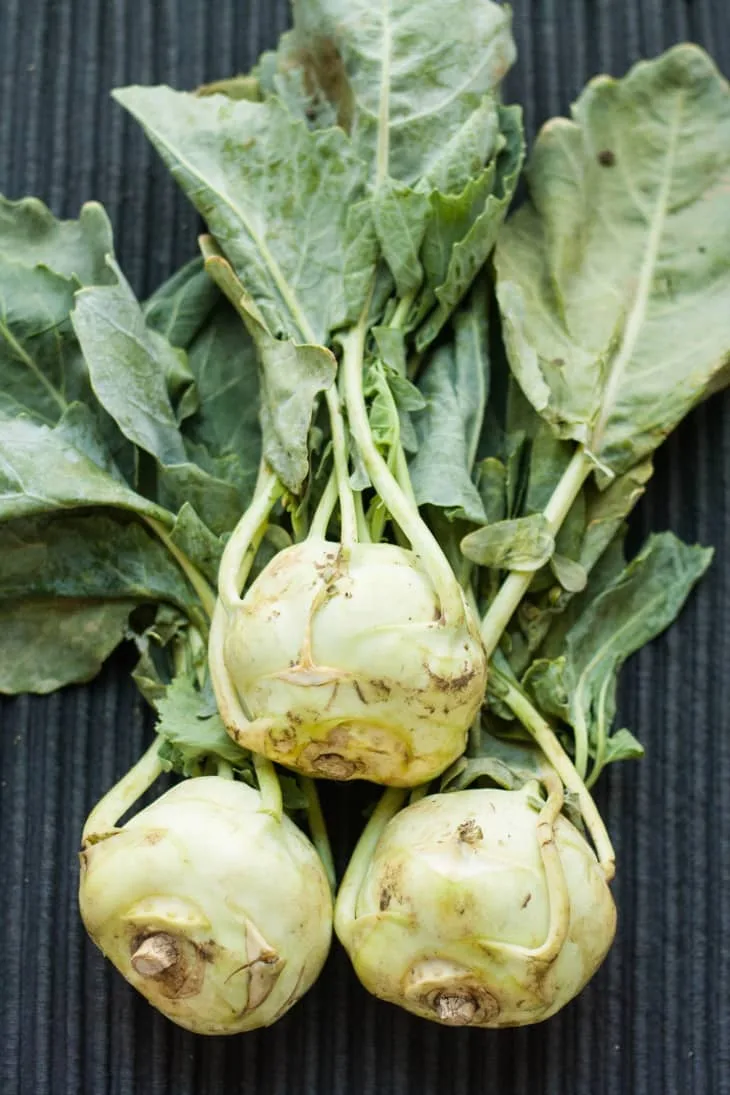
Image source: Web (Bing) / thekitchn.com (Web image (fair-use with source credit))
The Big Decision: Spring vs. Fall Planting
This single choice determines 80 percent of your success. Here's how to choose.
Choose spring planting if: your spring is long and cool, think coastal Pacific Northwest, northern New England, or high-elevation areas. You need at least 60 days of temperatures below 75°F after your last frost date. If your average May high is over 80°F, spring kohlrabi is a gamble.
Choose fall planting if: your summer is hot and your fall is mild. This works for most of USDA zones 5 through 9. You plant in late August or September.
The crop matures as temperatures drop. Cold weather turns the sugars sweet and the texture crisp.
| Factor | Spring Planting | Fall Planting |
|---|---|---|
| Planting window | 4 weeks before last frost | 8 weeks before first frost |
| Temperature risk | Bolt if spring turns hot | Low bolting risk |
| Pest pressure | Moderate (flea beetles) | Low to moderate |
| Flavor | Good | Excellent (frost-sweetened) |
| Storage potential | Short (2-3 weeks) | Long (2-3 months) |
Our take: If you have both options, plant a small spring patch for early eating and a larger fall patch for storage. That's the real pro move.
Step-by-Step: How to Grow Kohlrabi for Each Season
For spring planting
Start seeds indoors 4 to 6 weeks before your last frost date. Use a seed-starting mix. Plant seeds ¼ inch deep.
Keep the soil at 65 to 75°F. Germination takes 5 to 10 days.
Harden off the seedlings for a week before transplanting. Move them outdoors after the danger of hard frost has passed. Space them 6 inches apart in rows 12 inches apart.
Water them in well.
Critical step: Cover the bed with floating row cover immediately. This keeps flea beetles off. Leave it on until the plants are large enough to outgrow the damage.
For fall planting
Direct sow seeds in the garden about 8 weeks before your first expected fall frost. Plant them ¼ to ½ inch deep. Thin the seedlings to 6 inches apart once they have two true leaves.
Water deeply after planting. Fall soil dries out faster than spring soil. Aim for 1 inch of water per week from rain or irrigation.
A layer of straw mulch keeps the soil cool and moist.
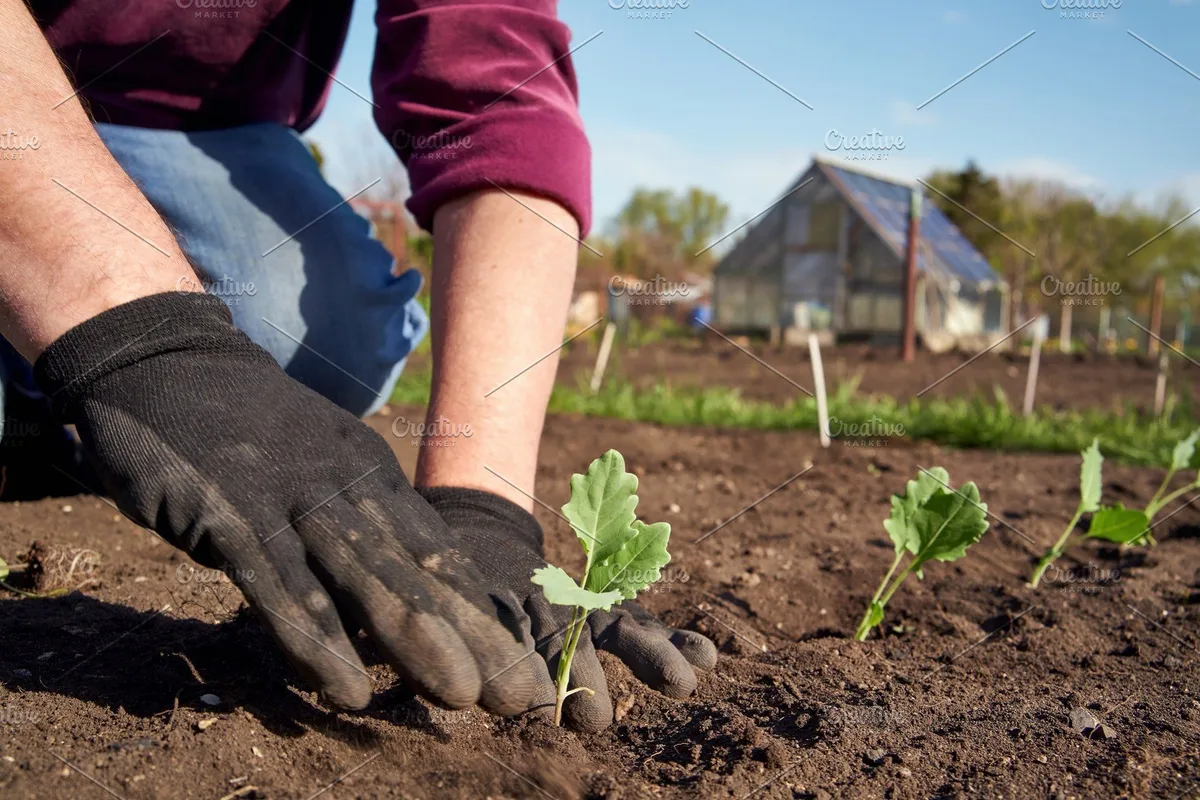
Image source: Web (Bing) / pinterest.com (Web image (fair-use with source credit))
Timing note: If you plant in early August, the seedlings get plenty of warmth to establish. The bulbs swell when September brings cooler nights. You harvest after the first light frost, which makes them sweeter.
5 Common Mistakes That Ruin Your Kohlrabi (and How to Fix Them)
1. Planting too close together
Kohlrabi bulbs need elbow room. If you crowd them at 2 inches apart, you get skinny, elongated bulbs instead of round ones. Fix: thin seedlings to 6 inches apart. For larger varieties like 'Kossak', give them 8 inches.
2. Letting the soil dry out
Inconsistent watering causes the bulbs to split open. The outer skin cracks when growth surges after a dry spell. Fix: water deeply once a week. Mulch with straw to hold moisture steady.
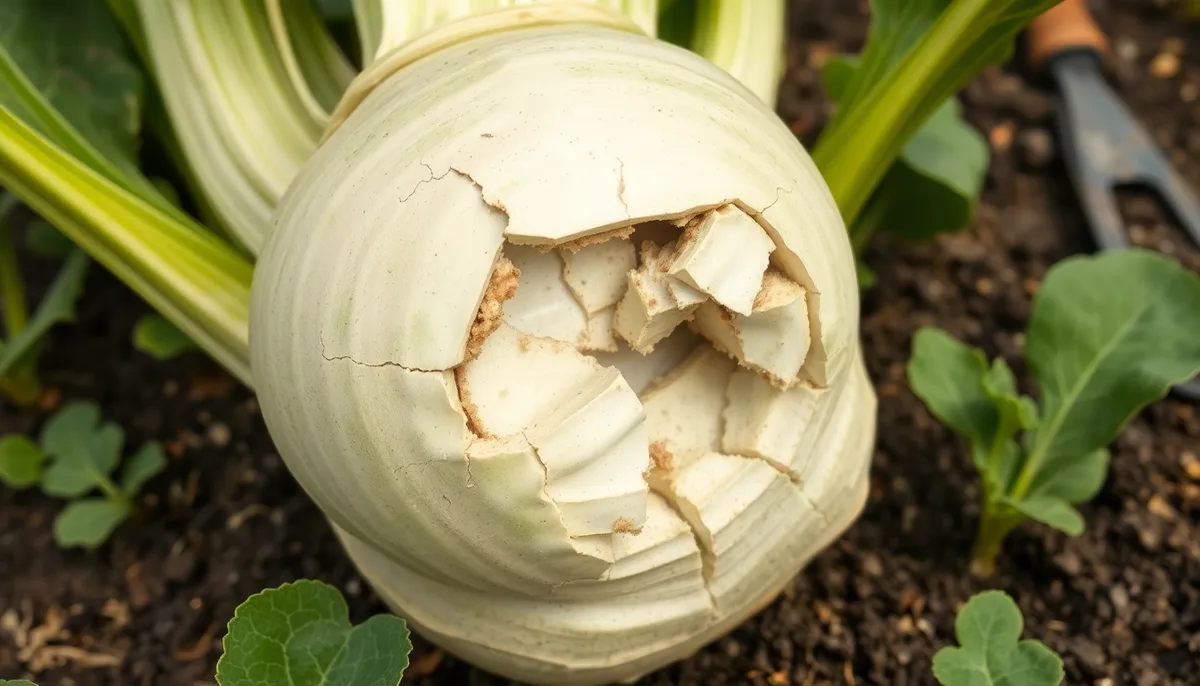
Image source: Bing (Web (fair-use with source credit))
3. Harvesting too late
This is the most common mistake by far. A 4-inch bulb might look impressive, but it's often woody and tough inside. Fix: harvest when the bulb is 2 to 3 inches in diameter. The smaller ones are always more tender.
4. Skipping pest prevention
Flea beetles chew tiny holes in the leaves. They won't kill the plant, but they slow growth significantly. Fix: use floating row cover from day one. It's the easiest, most effective solution.
5. Forgetting crop rotation
Kohlrabi is a brassica, same family as cabbage, broccoli, and kale. If you plant it in the same spot year after year, soilborne diseases like clubroot build up. Fix: rotate to a different bed every 3 years.
Expert Tips for Tender Bulbs and Big Harvests
Push the nitrogen right before bulb swelling. Kohlrabi is a leaf crop that happens to make a bulb. Side-dress with a balanced fertilizer when the bulb is about the size of a quarter. Fish emulsion or a 10-10-10 granular works well.
Harvest in the morning. The bulbs are crisper and hold more water. Cut the stem below the bulb with a sharp knife. Trim the leaves but leave an inch of stem attached to keep the bulb fresh longer.
Don't toss the leaves. Kohlrabi greens are edible and taste like a milder collard. Sauté them with garlic and olive oil. They're packed with vitamin C and fiber.
For storage kohlrabi, leave it in the ground until after a light frost. Temperatures down to 25°F won't hurt it. The cold converts starches to sugar. Dig them up, trim the leaves, and store in a root cellar or refrigerator.
They keep for 2 to 3 months at 32°F with high humidity.
If you're in a warm climate (zones 8 and above), skip spring entirely. Fall planting is your only reliable option. Plant in October. Harvest in December and January.
This matches the natural growing season in mild-winter areas.
Frequently Asked Questions
How long does kohlrabi take to grow?
Most varieties mature in 45 to 60 days from transplant. Direct-sown crops take slightly longer. Fast varieties like 'Kolibri' are ready in 40 days.
Large storage types like 'Kossak' need 60 to 70 days. Check the seed packet for the specific days to maturity.
Why is my kohlrabi woody?
You harvested too late or the plant experienced heat stress. A bulb larger than 3 to 4 inches is usually tough inside. Hot weather also triggers woody texture.
Harvest at 2 to 3 inches. For a fall crop, wait until after a light frost for the sweetest, most tender bulbs.
Can kohlrabi survive frost?
Yes, it handles light frost down to about 25°F. In fact, frost improves the flavor by converting starches to sugar. A hard freeze below 25°F can damage the bulbs.
If a deep freeze is forecast, harvest everything and store it in a root cellar or refrigerator.
How do you know when kohlrabi is ready to harvest?
The bulb should be 2 to 3 inches in diameter. It should feel firm and smooth, not puffy or cracked. Gently brush away soil to check the size.
Don't wait for it to get huge. Small bulbs are always more tender and sweet.
What grows well with kohlrabi?
Good companions are beets, onions, and aromatic herbs like dill or mint. Avoid planting near other brassicas such as cabbage, broccoli, or kale. They share the same pests and diseases.
Crop rotation matters at the family level, not just the species level.
Your Decision Guide: Which Path Should You Take?
If your spring stays cool (May highs below 75°F), plant in spring. Start seeds indoors 4 weeks before your last frost. Transplant after frost.
Harvest in early summer. This gives you fresh kohlrabi when few other vegetables are ready.
If your summer gets hot (June hits 85°F or higher), skip spring. Plant in late summer for a fall harvest. Direct sow 8 weeks before your first fall frost.
The bulbs will mature in cool weather. They'll be sweeter and store longer.
If you have space and ambition, do both. Plant a small spring patch for early eating. Plant a larger fall patch for winter storage.
This gives you fresh kohlrabi for months.
If you live in zones 8 to 10, fall planting is your only reliable option. Plant in October. Harvest through winter.
The mild winters of these zones are perfect for kohlrabi.
Choose these varieties for each path:
| Path | Best Varieties |
|---|---|
| Spring | 'Kolibri', 'Winnie', 'Purple Vienna' |
| Fall | 'Kossak', 'Gigante', 'Superschmelz' |
| Storage | 'Kossak', 'Gigante' |
| Container | 'Kolibri', 'Winnie' |
Bottom line: Kohlrabi is one of the easiest vegetables you can grow, but only if you respect its need for cool weather. Pick the right season for your climate. Water consistently.
Harvest young. Do those three things, and you'll wonder why you didn't try it sooner.