You want fresh herbs for your cooking, but those supermarket bunches that wilt in two days just aren't cutting it anymore. Here's the thing about growing herbs: it's not a one-size-fits-all project, and most beginners fail because they skip the most important question first. Where are you growing?
University extension programs consistently report that matching your herb choices to your actual growing conditions is the single biggest predictor of a successful harvest. As of 2026, home herb gardening has never been more popular, but the same basic mistakes keep tripping people up. Let's walk through the decision tree so you get it right from the start.
Quick Answer
Growing herbs means picking the right plants for your space and light. Start with your location: a windowsill, balcony, or garden bed. Measure your sunlight hours.
Choose easy herbs like basil, mint, or chives for your first try. Use pots with drainage holes. Water when the top inch of soil feels dry.
Harvest often to keep plants productive.
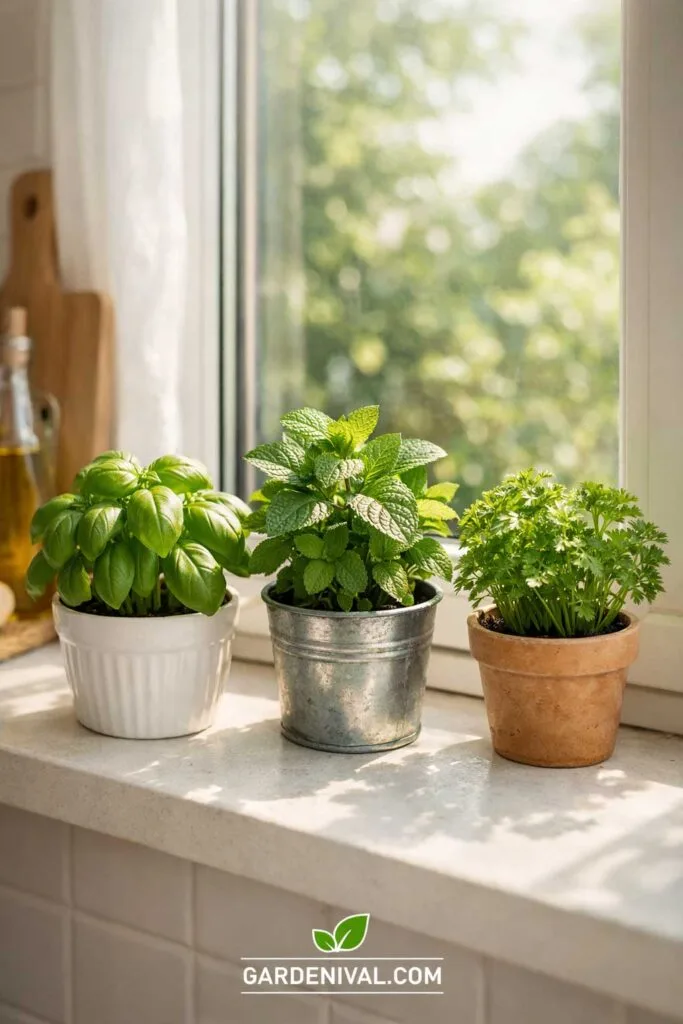
Image source: Bing (Web (fair-use with source credit))
The Starting Question: Where Do You Want to Grow Herbs?
This single choice changes everything. What you plant, how you care for it, and how much you harvest all depend on where you're growing.
Indoor windowsill. A south-facing window with at least four hours of direct sun works well. North-facing windows won't cut it without supplemental grow lights. Best choices for indoor growing: basil, chives, mint, and parsley.
Balcony or patio. This is container gardening with extra challenges. Wind dries pots out faster. Reflected heat from walls can cook tender leaves.
Choose compact varieties and use saucers to catch runoff.
Outdoor garden bed. This gives you the most space and the healthiest plants. It takes more upfront work though. You'll need to test your soil and amend it with compost before planting.
Hydroponic countertop system. These work well for some herbs. They need electricity, regular cleaning, and replacement nutrients. Great for basil and lettuce.
Less great for woody herbs like rosemary.
The if/then logic:
- If you rent or have no yard, use containers indoors or on a balcony.
- If you own a home with good soil, try an in-ground bed for perennials like rosemary.
- If you travel often, avoid outdoor containers (they dry out fast). Choose self-watering pots instead.
- If you're in a cold climate, plan for indoor winter growing or choose cold-hardy herbs like chives and mint.
Not sure where to start? Go with a container on a sunny windowsill. It's cheap, reversible, and teaches you the basics before you invest in a full garden bed.
Light Check: What Does Your Growing Spot Actually Get?
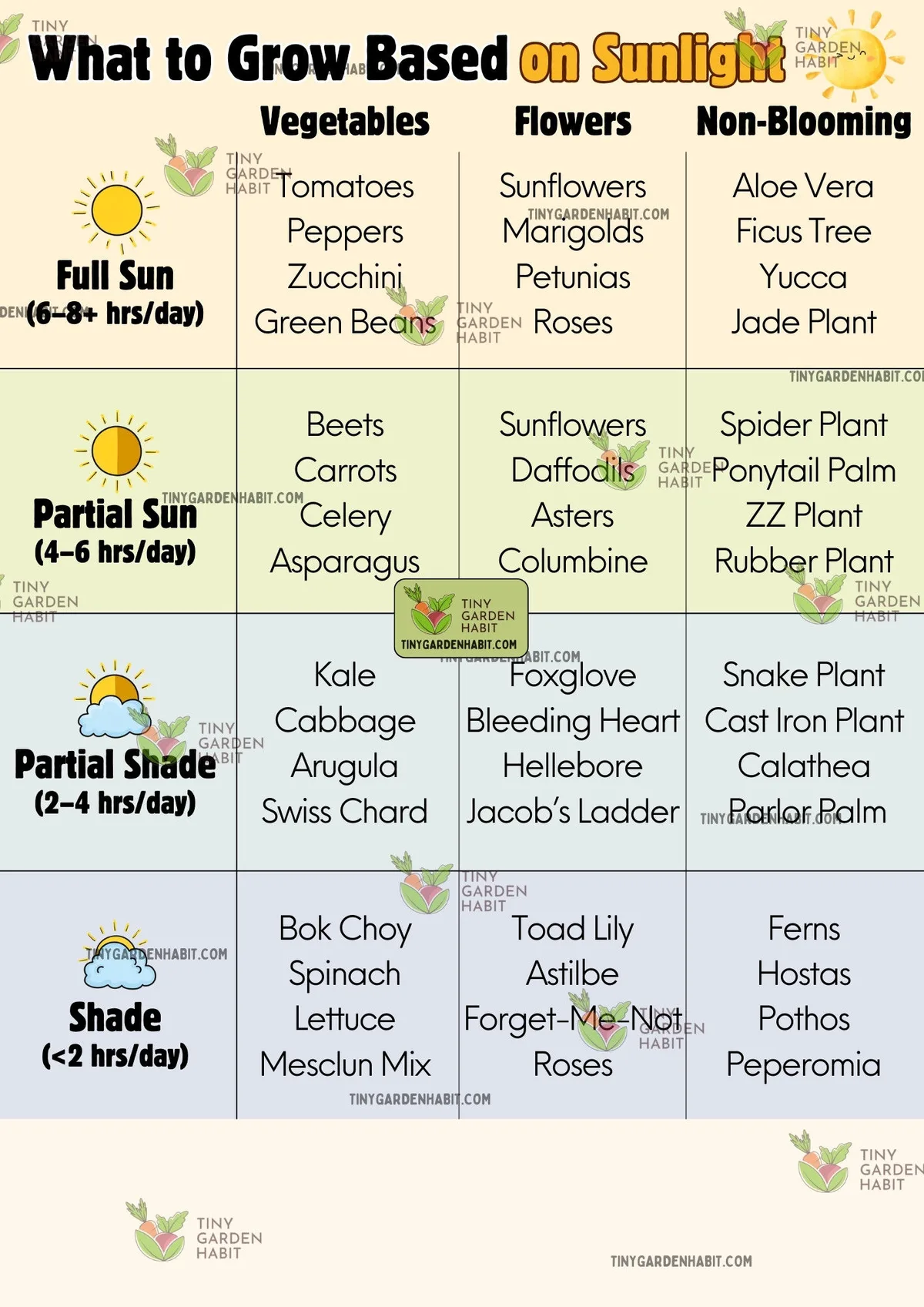
Image source: Web (Bing) / pinterest.com (Web image (fair-use with source credit))
This is where most people get it wrong. They assume "some sun" is enough. It isn't.
Full sun (6+ hours of direct light). Most culinary herbs need this. Basil, rosemary, oregano, thyme, and sage are all sun hogs. If your spot gets less than six hours, you'll need to choose carefully.
Partial sun (3-6 hours). This works for mint, chives, cilantro, parsley, and lemon balm. These are your shade-tolerant friends.
Low light (under 3 hours). No herb truly thrives here without artificial lights. You can try mint or parsley, but expect leggy growth and smaller harvests.
How to measure your light. Don't guess. Spend a day checking your spot hourly from 8 AM to 6 PM. Count the hours of direct sun.
Indoors, use a light meter app on your phone. Or try the paper test: hold white paper where the plant will sit. A clear shadow means direct light.
A gray, shadowless paper means indirect light.
If your light doesn't match your wish list, don't fight it. Pick herbs that fit your conditions. Or invest in LED grow lights.
Full-spectrum panels have dropped in price as of 2026 and can turn any dim corner into a productive herb garden. The key is keeping the light 6-12 inches from the plant canopy. Lights placed too far away produce leggy, weak growth.
Your Herb Match: Which Varieties Fit Your Space and Skill Level?
Not all herbs are created equal. Some practically grow themselves. Others demand constant attention.
For absolute beginners. Start with basil, mint, chives, and oregano. These plants tolerate inconsistent watering and less-than-ideal conditions. Basil seeds germinate in 5-10 days, fast enough to keep you motivated.
For intermediate growers. Try rosemary, thyme, sage, and cilantro. Rosemary is slow to germinate (14-25 days) and needs careful watering. Cilantro bolts the moment temperatures rise above 75°F.
You'll need to succession-sow every two weeks for a steady supply.
For small spaces. Choose compact varieties. Bush basil stays small. Thyme and chives grow upright without spreading.
Avoid mint unless you grow it in a contained pot. It will take over everything.
The quick reference table:
| Herb | Skill Level | Light Need | Water Need | Pot Size |
|---|---|---|---|---|
| Basil | Easy | Full sun | Moderate | 6-8 inches |
| Mint | Easy | Partial to full | Moderate to high | 12+ inches |
| Chives | Easy | Partial to full | Low | 4-6 inches |
| Rosemary | Intermediate | Full sun | Low (drought-tolerant) | 10-14 inches |
| Thyme | Easy | Full sun | Low | 6-8 inches |
| Cilantro | Intermediate | Partial | Moderate | 6-8 inches |
The decision rule. Match the herb's temperament to your willingness to care for it. If you travel or forget to water, choose drought-tolerant herbs like rosemary, thyme, and sage. If you're home daily and enjoy tending plants, go for moisture-loving basil and mint.
University extension research confirms that soil temperature matters more than air temperature for seed germination, so wait until your soil hits at least 60°F before direct-sowing warm-season herbs.
Container or Ground: Picking the Right Home for Your Herbs
This choice comes down to three things: control, cost, and commitment.
Containers give you control. You pick the soil mix and the drainage. If the plant needs more sun, you move it. If the soil goes bad, you replace it.
Containers also prevent invasive herbs like mint from taking over your yard.
In-ground beds give you space. Herbs like rosemary, lavender, and sage grow much larger in the ground. You don't have to water as often. The plants develop deeper root systems that make them more resilient.
The trade-offs. Containers dry out faster, especially terracotta pots that wick moisture away. You'll water more often, sometimes daily in summer. In-ground beds need soil preparation: testing pH, adding compost, and digging if the soil is compacted.
Which one for you?
- If you rent or have poor soil, choose containers.
- If you own your home with decent soil, plant perennials in the ground and annuals in containers.
- If you're a beginner, start with containers. They're easier to manage and cheaper to fix if something goes wrong.
Pot size matters. A 6-inch pot works for a single basil plant. Rosemary needs a 14-inch pot. Mint needs an 18-inch pot or a bottomless bucket sunk into the ground to contain its roots.
Don't overcrowd. Most herbs need room to spread.
Per the USDA's hardiness zone system, if you plant perennials in the ground, make sure they can survive your winter. Rosemary is hardy to zone 8. Chives handle zone 3.
Check your zone before you plant.
The Setup Workflow: From Seed or Starter to Healthy Plants
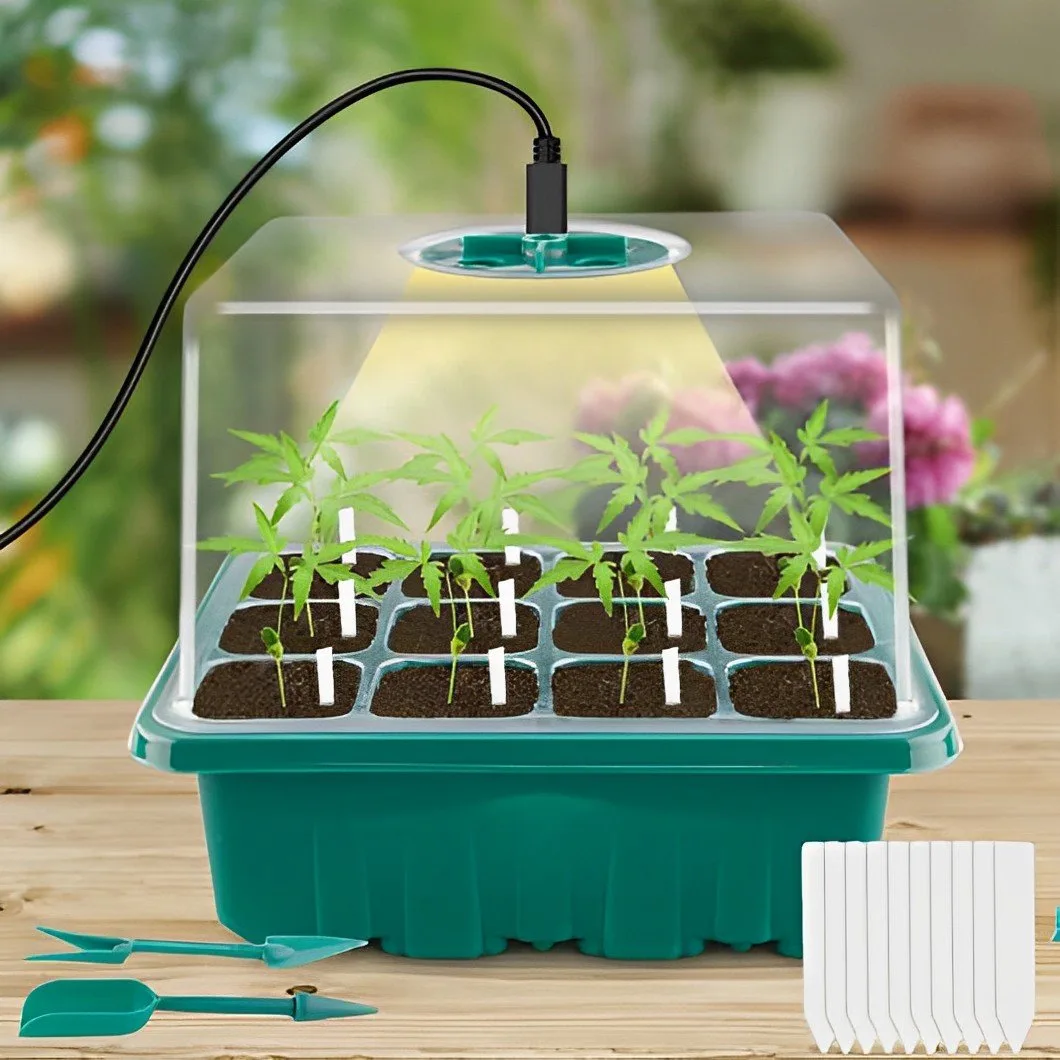
Image source: Bing (Web (fair-use with source credit))
You've made your choices. Now let's get plants in the ground.
1. Prepare your containers. Every pot needs drainage holes. Add gravel at the bottom for extra drainage.
Fill with potting mix, not garden soil, which compacts in containers.
2. Plant seeds or starts. For seeds, follow packet depth. Most herb seeds need barely 1/8 to 1/4 inch of cover.
For starter plants, dig a hole the same depth as the nursery pot, gently loosen the roots, and backfill.
3. Water correctly. After planting, water until it runs out the drainage holes. Then wait until the top inch of soil is dry before watering again.
Overwatering kills more herbs than underwatering.
4. Provide light. Indoors, use your sunniest window or LED grow lights placed 6-12 inches from the plants for 12-16 hours daily. Outdoors, harden off plants over a week by gradually exposing them to more sun each day.
5. Feed and prune. Start fertilizing after true leaves appear. Use half-strength liquid fertilizer every two weeks.
Pinch off flower buds to keep leaves productive. Regular harvesting keeps herbs bushy and triggers new growth.
Quick maintenance schedule:
- Daily: check soil moisture, rotate pots for even light
- Weekly: inspect for pests, remove yellow leaves
- Every two weeks: fertilize, prune for shape
- Monthly: repot if roots show at drainage holes
The Biggest Mistakes and How to Avoid Them
Most failed herb gardens share the same root causes. Avoid these five common errors and you will dramatically improve your success rate.
Overwatering is the number one killer. University extension reports consistently identify soggy roots as the leading cause of herb death. Signs include yellowing leaves, mushy stems, and fungus gnats hovering around the soil. Wait until the top inch of soil dries out before watering again.
Terracotta pots help wick away excess moisture.
Underestimating light needs is a close second. Those six hours of full sun that basil demands are not negotiable. If your spot gets less, either pick shade-tolerant herbs or invest in LED grow lights. Your basil can not adapt to low light.
It will just grow leggy and tasteless.
Planting mint directly in the ground. This is a regret you only make once. Mint spreads through underground runners and will colonize your entire garden bed. Always grow mint in a container or a bottomless bucket sunk into the soil.
Otherwise you will be pulling mint shoots from the tomato patch for years.
Harvesting too little or too late. Regular harvesting keeps herbs productive. Pruning encourages bushier growth and delays flowering. Once an herb like basil or cilantro flowers, the leaves turn bitter.
Pinch off flower buds as soon as you see them.
Ignoring soil quality. Garden soil straight from the yard is too dense for containers. Potting mix is lighter and provides better drainage. For in-ground beds, test your soil and amend with compost if needed.
Herbs need loose, well-draining soil with organic matter mixed in.
Pests happen to everyone. Aphids, spider mites, and whiteflies are the most common indoor pests. Catch them early. Inspect the undersides of leaves weekly.
A spray of neem oil or insecticidal soap usually does the trick if you catch the infestation early.
FAQs: Quick Answers for Common Herb-Growing Questions
How often should I water my herbs?
Check the top inch of soil with your finger. If it feels dry, water. If it feels damp, wait.
Most herbs need water every 2-3 days indoors and daily outdoors in summer. Overwatering causes more problems than underwatering.
Can I grow herbs from grocery store cuttings?
Yes, for some herbs. Basil and mint root easily in a glass of water. Rosemary is harder and has a lower success rate.
Thyme and oregano can work but take longer. Use a rooting hormone to improve your odds.
Why are my basil leaves turning yellow?
Yellow leaves usually mean overwatering, poor drainage, or a lack of nitrogen. Check that your pot has drainage holes. Let the soil dry out between waterings.
Apply a balanced liquid fertilizer at half strength every two weeks.
What herbs are easiest for complete beginners?
Basil, mint, chives, and oregano are the most forgiving. They germinate quickly and tolerate irregular care. Rosemary and lavender require more patience and consistent conditions.
How do I keep herbs alive over winter?
Bring tender perennials like rosemary and bay laurel indoors before the first frost. Place them in a sunny window or under grow lights. Cut back hardy perennials like chives, oregano, and thyme after the first frost.
They will go dormant and return in spring.
What herbs grow best in shade?
No herb truly thrives in deep shade, but mint, parsley, chives, and lemon balm tolerate partial sun well. They need at least 3-4 hours of direct light or bright indirect light to produce decent harvests.